Ever wonder who’s behind those Cooper tires you keep seeing on trucks and SUVs? You’re asking the right question. Cooper’s got a fascinating story that involves a big acquisition, decades of American manufacturing, and a reputation that’s worth examining. Let’s break down who actually makes Cooper tires and whether they deserve a spot on your vehicle.
Goodyear Owns Cooper Tires (But It Wasn’t Always This Way)
Here’s the deal: Goodyear Tire and Rubber Company owns Cooper Tires. They completed the acquisition on June 7, 2021, in a massive $2.8 billion transaction. Before that, Cooper operated as an independent, publicly-traded company on the New York Stock Exchange.
This wasn’t just a small business deal. With Cooper added to its portfolio, Goodyear now controls roughly 25% of the replacement tire market in the U.S. That’s a massive chunk of the industry, making them even more dominant alongside their Dunlop and Kelly brands.
But don’t worry—Cooper still operates under its own brand name. You’re still getting Cooper tires, just with Goodyear’s resources backing them up.
Cooper’s American Roots Go Back Over a Century
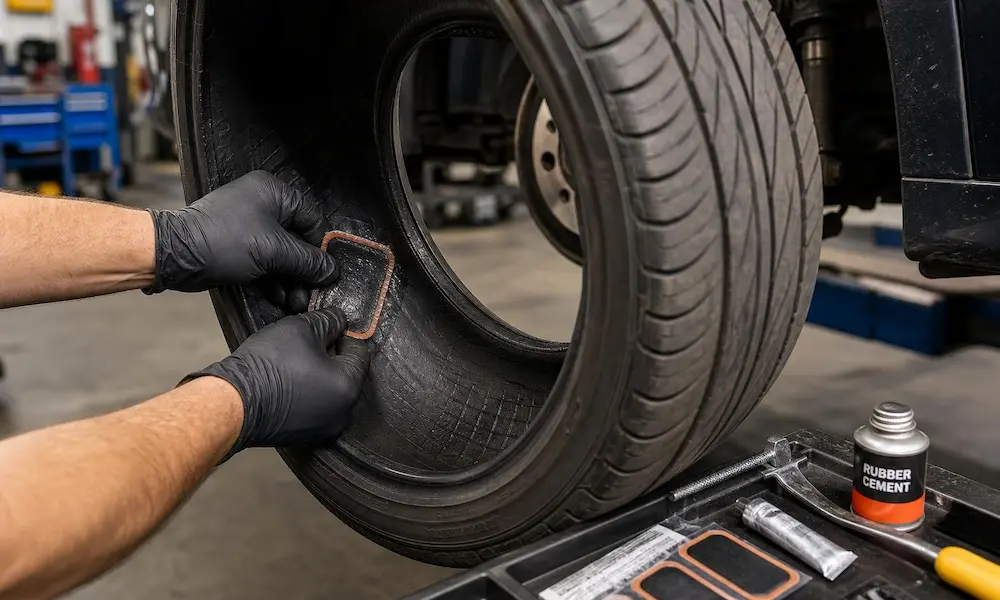
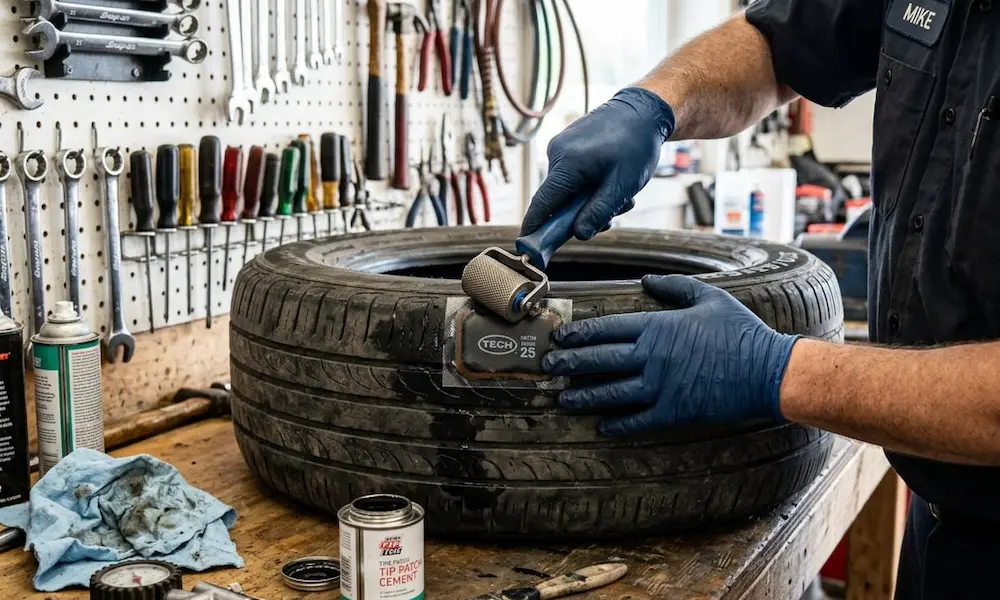
Cooper didn’t just appear yesterday. The company’s origins trace back to 1914 when brothers-in-law John F. Schaefer and Claude E. Hart bought M and M Manufacturing Company in Akron, Ohio. They started small, making tire patches and repair kits—essential stuff when early car tires punctured constantly.
The company moved to Findlay, Ohio in 1917, and that’s where their flagship plant still operates today. Through mergers with Giant Tire & Rubber Company and Falls Rubber Company, they eventually became Master Tire and Rubber Company in 1930. The Cooper name stuck in 1946, honoring Ira J. Cooper, who founded a separate tire company that merged into the mix.
Here’s something cool: During World War II, the company earned special recognition from the armed forces for manufacturing inflatable rafts, pontoon bridges, and waterproof bags used during the Normandy Invasion. They’ve got legitimate American manufacturing heritage.
By 1983, Cooper joined the Fortune 500 as one of America’s largest industrial companies. Before Goodyear bought them, Cooper ranked as the fifth-largest tire manufacturer in North America and 13th globally.
Where Are Cooper Tires Actually Made?
This matters if you care about buying American-made products. Cooper maintains three major U.S. manufacturing facilities that pump out 97,000 tires daily:
Findlay, Ohio – The original headquarters where everything started in 1917. This plant cranks out passenger and light truck tires and hit a milestone of 200 million tires produced in 2021.
Tupelo, Mississippi – Focuses on passenger tire production.
Texarkana, Arkansas – The biggest U.S. facility, handling both passenger and light truck tires.
Beyond U.S. borders, Cooper operates plants in:
- Hangzhou, China (truck tires)
- San Luis Potosí, Mexico
- Serbia
- Melksham, England (Avon Tyres for motorcycles and racing)
You can actually verify where your specific Cooper tires were made by checking the Department of Transportation (DOT) code stamped on the sidewall. Each plant has its own identifier.
Cooper emphasizes that passenger tires sold in the U.S. are predominantly manufactured domestically in North America. They’re one of only two American-owned tire manufacturers still operating, which resonates with folks who prioritize supporting domestic production.
Cooper’s Family of Tire Brands You Might Not Know About
Cooper doesn’t just make Cooper-branded tires. They’ve got a whole lineup of subsidiary brands targeting different market segments:
- Mastercraft Tires – All tire types from passenger to light truck
- Starfire Tires – Budget-friendly options for price-conscious drivers
- Roadmaster Tires – Commercial truck applications
- Mickey Thompson – Racing and high-performance tires for street and off-road
- Dick Cepek – Off-road tires specifically for trucks, SUVs, and 4x4s
- Mentor Tires – All-season, winter, and summer passenger tires
- Avon Tyres – European and international applications
- Dean Tires – Commercial truck tires for Asian markets
This diversification lets Cooper hit multiple price points and performance categories. You might be running a Cooper subsidiary brand without even realizing it.
What Do Real Customers Say About Cooper Tires?
Let’s cut through the marketing fluff and look at actual user experiences. Cooper sits firmly in the mid-tier category—not budget garbage, not premium luxury, but solid middle ground.
The Numbers Don’t Lie
On Tire Rack, which aggregates over 4,311 reviews across multiple models, Cooper consistently earns “Excellent” ratings from consumers. Automoblog gave Cooper a 4.0 out of 5.0-star rating and labeled them the “Most Affordable tire company.”
In Australia, Cooper scored an impressive 4.6 out of 5.0 rating on Trustpilot from 137 verified reviews. That’s legitimately good.
Cooper Discoverer AT3 4S: The Standout Performer
This model is Cooper’s crown jewel for all-terrain capability. Here’s how it scored on Tire Rack’s comprehensive consumer surveys:
| Performance Category | Rating | Customer Feedback |
|---|---|---|
| Dry Traction | 9.2 (Excellent) | Customers consistently scored 9s and 10s |
| Wet Traction | 8.9 (Excellent) | 617 positive comments about confident grip |
| Winter/Snow Traction | 8.8 (Excellent) | Excellent snow and deep snow performance |
| Treadwear | 8.5 (Good) | Most customers rated 9s and 10s for longevity |
| Would Recommend | 97% | Based on 9.3 million reported miles |
One customer reported: “Over 15K on this Cooper Discoverer AT3 4S and couldn’t be happier. The wet traction has been amazing…off-road traction also very good.”
Another emphasized winter capability: “I had to back a low profile trailer across a lawn with 18 inches of snow on it. Was totally amazed that these AT3 tires managed it without a problem.”
That 97% recommendation rate speaks volumes.
What Customers Love About Cooper Tires
Affordability Without Sacrificing Quality – This comes up constantly. Cooper delivers solid performance at significantly lower prices than Michelin, Bridgestone, or even parent company Goodyear. One Australian customer noted: “Coopers are good value as they give excellent road kilometre coverage. I got 90000 klm out of my last set.”
Impressive Longevity – Users regularly report 80,000+ miles on Cooper tires. The Discoverer AT3 series typically delivers 50,000 to 60,000 miles under normal driving conditions. One customer’s father-in-law racked up 90,000 kilometers before replacement.
Surprisingly Quiet Ride – Multiple reviews highlight reduced road noise, especially for all-terrain treads. One truck owner called newly installed Discoverer AT3 4S tires “smooth as glass and incredibly quiet for any tire—much less an all-terrain tread.”
Solid Wet and Snow Performance – Cooper consistently earns praise for wet weather and winter traction. Customers note they’re “firm on the road in wet weather and when towing.”
American Manufacturing Pride – For drivers prioritizing domestic production, Cooper’s U.S. manufacturing resonates. One review stated: “American Made, American owned. Tires are smooth riding & quiet. Excellent in rain.”
The Downsides You Should Know
Cooper isn’t perfect. Here’s what customers complain about:
Road Noise on Certain Models – Aggressive tread patterns, particularly on off-road variants, generate more highway noise than expected. This isn’t universal, but it’s worth noting.
Inconsistent Tread Wear – While many customers report excellent longevity, some experience premature wear. The Cooper Evolution H/T received reports of tires wearing out at 35,000 miles instead of the rated 60,000-mile expectancy. This variability might stem from driving habits, vehicle type, or manufacturing differences.
Extreme Weather Limitations – Cooper handles mild to moderate winter conditions well, but some customers report reduced performance in severe ice compared to premium competitors.
Vehicle-Specific Handling Issues – Certain drivers operating heavier SUVs or trucks report suboptimal handling with specific Cooper models. Not every Cooper tire performs equally across all vehicle platforms.
Manufacturing Quality Variability – A few reviews mention inconsistent quality between production batches, with some customers reporting construction concerns.
Safety Recalls Worth Knowing About
In February 2021, the National Highway Traffic Safety Administration (NHTSA) reported a significant recall affecting 430,000 tires from Cooper, Hercules, Mastercraft, and Mickey Thompson brands due to sidewall separation and bulging risks. The recall covered certain Discoverer, Evolution, Courser, and Deegan models in 18- and 20-inch sizes manufactured between February 2018 and December 2019.
Beyond this major recall, tire defect litigation has documented allegations including negligent belt design, inferior materials, tread separation failures, and quality control issues at manufacturing plants. While these incidents reflect typical industry challenges, they’re worth considering.
How Do Cooper Tires Stack Up Against Premium Competitors?
Let’s be real about where Cooper fits in the competitive landscape.
Cooper vs. Michelin
Michelin typically outlasts Cooper in longevity and delivers premium ride quality, but you’ll pay significantly more. Michelin excels in handling precision and often lasts longer, but Cooper provides exceptional value for cost-conscious buyers. If you’re prioritizing affordability over absolute maximum performance, Cooper makes sense.
Cooper vs. Bridgestone
For off-road and rugged applications, Cooper’s Discoverer series rivals Bridgestone options. However, Bridgestone typically demonstrates superior durability in extreme conditions and longer tread life on paved roads.
Industry Satisfaction Rankings
In J.D. Power’s 2023 U.S. Original Equipment Tire Customer Satisfaction Study, Michelin ranked highest in luxury (833 points) and truck/utility (809 points) segments. Bridgestone and Continental also ranked highly. Cooper doesn’t appear prominently in these premium rankings, reflecting its mid-tier market positioning.
Cooper is consistently recognized as the fourth-largest tire manufacturer in the United States and fifth-largest in North America by sales volume. They occupy a strategic position serving price-sensitive consumers who prioritize affordability over premium features.
What’s the Expected Lifespan and Warranty Coverage?
Cooper’s warranty structure reflects its mid-tier positioning:
| Tire Model | Expected Lifespan | Warranty Coverage |
|---|---|---|
| Discoverer AT3 Series | 50,000-60,000 miles | Treadwear guarantee included |
| Evolution Winter Tires | 35,000-45,000 miles | 4-5 seasons with proper storage |
| Mid-tier All-Season Models | 40,000-70,000 miles | 45,000-80,000 mile warranties |
Most Cooper offerings provide 45,000 to 80,000-mile mileage warranties depending on the specific model. Manufacturing defects and premature wear are covered during the warranty period, but coverage applies only to the original purchaser with proof of purchase.
The warranty structure aligns with mid-tier industry standards—not the most generous, but fair for the price point.
Should You Buy Cooper Tires?
Here’s the straight answer: For price-conscious consumers prioritizing affordability and solid all-around performance, Cooper tires represent an excellent choice. The Discoverer AT3 series, in particular, earns consistent praise for versatile all-terrain capability combined with comfortable highway driving.
Cooper bridges the gap between budget options and premium offerings effectively. You’re getting reliable performance from an American manufacturer with over a century of experience, now backed by Goodyear’s resources.
However, recognize what you’re buying. Cooper positions itself as mid-tier. If you’re seeking maximum longevity, superior performance in extreme weather, or the absolute quietest ride, you should invest in premium alternatives like Michelin or Bridgestone—though you’ll pay significantly more.
Similarly, drivers in regions with severe winters or extreme conditions might find specialized tires from premium manufacturers more suitable.
Cooper’s American manufacturing heritage, diverse product portfolio through subsidiary companies, and transparent ownership under Goodyear provides consumer confidence. With millions of satisfied customers globally and consistent positive reviews, Cooper remains a compelling option for drivers balancing quality, performance, and affordability.
You’re not getting the absolute best tire on the market. But you’re getting a damn good tire at a price that won’t make you wince—and sometimes, that’s exactly what you need.