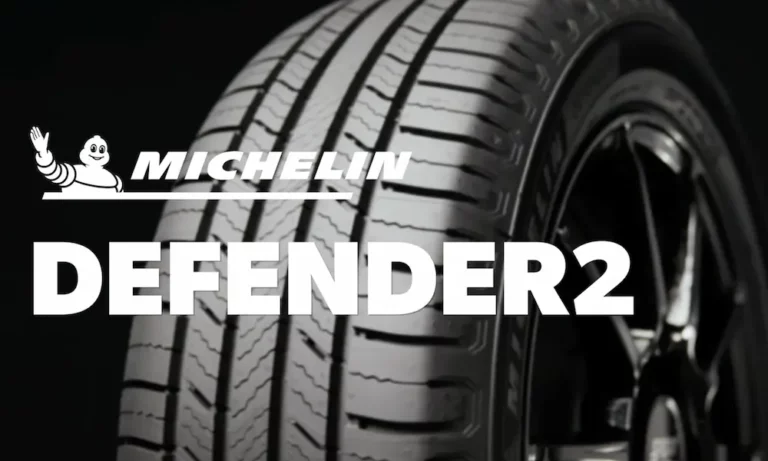
Shopping for new tires and eyeing the Michelin Defender 2? Before you drop cash on Michelin’s flagship touring tire, you’ll want to hear about the issues that have drivers frustrated. From vibration problems that won’t go away to disappointing wet weather performance, this tire’s problems might change your mind. Let’s dig into what’s really going on with the Michelin Defender 2.
The Persistent Vibration Problem That’s Driving Owners Crazy
The most widespread issue with the Michelin Defender 2 isn’t wear or noise—it’s vibration. And we’re not talking about a simple wheel balance fix.
Why Standard Balancing Often Fails
Here’s where it gets frustrating. You’ll visit the tire shop, they’ll balance your tires, everything looks perfect on paper, but the vibration persists. Owners report going back three or four times to places like Costco and Discount Tire, only to leave with the same shaking sensation.
The problem runs deeper than weight distribution. It’s called Radial Force Variation (RFV)—when different sections of the tire have uneven stiffness. Even if the tire is perfectly round and balanced, these stiff spots create force spikes with every rotation.
What the Vibration Actually Feels Like
This isn’t your typical steering wheel shake. Defender 2 owners describe:
- Vibration through the floor and seats between 55-75 mph
- A “tingling” sensation through the pedals
- Whole-car shaking that feels like you’re getting buffeted by wind
- A grinding or buzzing noise accompanying the vibration
One Rivian R1T owner documented their tires completely failing Road Force balancing tests—meaning the force variations were so high that even specialized balancing equipment couldn’t fix them.
Which Vehicles Are Hit Hardest
The vibration issue appears most severe in two categories:
Lightweight crossovers: Toyota Venza, RAV4, and similar unibody vehicles with stiff chassis pick up every harmonic from these tires.
Electric vehicles: Tesla Model 3, Rivian R1T, and other EVs lack engine noise to mask the vibration. Their rigid chassis amplify the problem, creating that distinctive “tingling” sensation owners can’t ignore.
The Only Real Solution
When owners finally swap the Defender 2 for different tires, the vibration disappears immediately. This confirms the issue lives in the tire itself, not your vehicle’s suspension or wheels.
Wet Weather Performance Falls Short of the Competition
Michelin markets the Defender 2 as a premium safety tire, but testing reveals a concerning gap in wet braking performance.
The Numbers Don’t Lie
Independent testing shows the Defender 2 stopping significantly longer than competitors on wet pavement. From 50-60 mph, you’re looking at stopping distances between 152-156 feet—about 30 feet longer than the Continental TrueContact Tour.
That’s two to three car lengths. In an emergency braking situation on a rainy highway, that difference matters.
| Tire Model | Wet Braking Distance | Difference from Best |
|---|---|---|
| Continental TrueContact Tour | 122-145 ft | Benchmark |
| Bridgestone Alenza AS Ultra | 127.8 ft | +5.8 ft |
| Goodyear Assurance MaxLife | 147.3 ft | +25.3 ft |
| Michelin Defender 2 | 152.3-156 ft | +30.3 ft |
Why the Defender 2 Struggles in the Rain
The compound engineered for 80,000 miles of tread life creates a trade-off. That durability comes from a stiffer rubber formulation that doesn’t grip wet pavement as effectively as softer compounds.
Drivers switching from tires like the Pirelli P7 notice it immediately. They report multiple spins during stop-and-go traffic on wet slopes and sliding that never happened with their previous tires.
Test drivers measure lateral grip at just 0.56g on wet surfaces—compared to 0.70g for competitors. This means the Defender 2 starts sliding in wet corners earlier than you’d expect from a premium tire.
Electric Vehicle Owners Should Stay Far Away
If you drive an EV, the Michelin Defender 2 represents one of the worst tire choices for efficiency.
The Range Loss Is Real
EV owners consistently report efficiency drops when switching to the Defender 2. The numbers are alarming:
- Energy consumption jumps from 12 kWh/100km to 16 kWh/100km (a 33% increase)
- More conservative estimates still show 10-20% range reduction
- On a 300-mile EV, you’re losing 30-60 miles of range
Why Rolling Resistance Kills EV Efficiency
The Defender 2 isn’t designed as a low rolling resistance tire. Its deep tread blocks (10.2mm) flex and deform constantly as they roll, generating heat—energy that’s literally drained from your battery.
EV communities are blunt about it: “Avoid Michelin Defender 2 tires like the plague because they suck for efficiency”. They’re not exaggerating.
The Break-In Myth Won’t Save You
Tire sellers often claim efficiency will improve after break-in. Don’t count on it. Long-term reports show efficiency remains depressed throughout the tire’s life. The high rolling resistance is baked into the tire’s structure, not a temporary condition.
What This Costs You
Beyond the inconvenience of reduced range:
- 15,000 miles per year = 15% higher charging costs
- More frequent charging stops on road trips
- Your EV’s primary advantage—efficiency—gets undermined
Winter Performance: The “All-Season” Label Is Misleading
The Michelin Defender 2 carries an M+S (Mud and Snow) designation, but that doesn’t mean it’s actually good in winter conditions.
Missing the Critical Winter Certification
The Defender 2 lacks the Three-Peak Mountain Snowflake (3PMSF) symbol. This matters more than you might think.
M+S is just a tread pattern designation—it doesn’t require any actual snow testing. 3PMSF certification means the tire passed rigorous testing, demonstrating at least 10% better snow traction than standard reference tires.
Competitors like the Bridgestone WeatherPeak and even Michelin’s own CrossClimate 2 carry 3PMSF ratings. The Defender 2 doesn’t, because it can’t pass the test.
How It Performs on Snow
Testing reveals the gaps:
- Snow braking from 25 mph: 84.5 feet (vs. 73.4 feet for Continental TrueContact Tour)
- Snow handling course: Significantly slower with “limited traction”
- Drivers report heavy understeer and lack of confidence
The Technical Reason
The Defender 2’s sipes (tiny cuts in the tread blocks) are designed primarily for tread stability and longevity, not winter grip. They lack the aggressive edges and specialized cold-weather compounds found in true 3PMSF-certified tires that stay pliable in freezing temperatures.
If you live anywhere with regular snow—Rust Belt, Canada, mountain states—you’re compromising safety compared to modern all-weather alternatives.
Quality Control Issues and Premature Aging
The 80,000-mile warranty sounds impressive, but quality concerns and aging issues threaten the tire’s longevity promise.
Tread Chunking Problems
Michelin recently recalled nearly 7,000 Agilis CrossClimate tires due to tread chunking that violated federal safety standards. While the recall targets a specific line, Defender owners report similar chunking patterns.
This suggests potential bonding or compound shear strength issues under high-torque or high-heat conditions.
Dry Rot Before Tread Wear
Here’s an ironic problem: The tire is so durable that low-mileage drivers face dry rot before the tread wears out.
Sidewall cracking appears within 4-5 years, even with minimal use. For drivers averaging 6,000 miles annually, the 80,000-mile warranty becomes meaningless—the rubber degrades from age before you can use the tread life you paid for.
Manufacturing Consistency Questions
The persistent reports of tires failing Road Force tests when brand new suggest quality control gaps. If internal belts aren’t perfectly centered or rubber cures with uneven density, you get the vibration issues discussed earlier.
These defects appearing on new tires right out of the factory indicate tolerance thresholds may be set too loose for modern vehicle expectations.
Noise and Ride Quality Degradation Over Time
Michelin promotes “Piano Noise Reduction Tuning” for quiet operation, but real-world experience tells a different story.
The Acoustic Reality
On smooth, new asphalt, the Defender 2 is reasonably quiet. But on concrete, grooved pavement, or aged surfaces, you’ll notice:
- Persistent white noise accompanying most surfaces
- Increased cabin noise compared to foam-equipped tires
- A distinct acoustic signature that test drivers consistently mention
Ride Quality Hardens With Age
New Defender 2s often feel plush initially. But as plasticizers in the rubber evaporate over time, the ride firms up considerably.
By 40,000 miles, the stiff sidewalls transmit significantly more impact harshness and thumping than competitors like the Bridgestone Turanza QuietTrack, which prioritize comfort throughout the tire’s life.
This hardening also amplifies the vibration issues as the tire loses its ability to dampen small road imperfections.
Better Alternatives That Address These Problems
Given the Defender 2’s issues, what should you consider instead?
Continental TrueContact Tour
- Same 80,000-mile warranty
- Dramatically better wet braking (122-145 ft vs. 152-156 ft)
- More compliant ride quality
- Often costs less than the Defender 2
Bridgestone WeatherPeak
- 70,000-mile warranty (only 10k less)
- 3PMSF winter certification
- Better year-round versatility
- Softer, quieter ride
Michelin CrossClimate 2
- If you want to stay with Michelin
- 3PMSF certified for real winter capability
- Superior wet and snow performance
- The better “one-tire solution” for most drivers
| Feature | Michelin Defender 2 | Continental TrueContact Tour | Bridgestone WeatherPeak |
|---|---|---|---|
| Wet Braking | 152-156 ft (Poor) | 122-145 ft (Excellent) | ~130 ft (Good) |
| Winter Rating | M+S Only | M+S Only | 3PMSF Certified |
| Warranty | 80,000 miles | 80,000 miles | 70,000 miles |
| Ride Comfort | Firm/Stiff | Compliant | Soft/Quiet |
| EV Efficiency | Poor (-15% range) | Moderate | Moderate |
| Price | Premium | Mid-Premium | Premium |
Who Should Still Consider the Defender 2?
Despite these problems, the Defender 2 fits a specific (narrow) buyer profile:
- High-mileage drivers of heavy sedans or minivans
- Warm, dry climate with minimal rain
- Internal combustion vehicle (not EV)
- Prioritize absolute maximum tread life over everything else
- Not sensitive to firm ride quality
That’s a pretty specific niche. For most drivers, the safety and comfort compromises outweigh the mileage benefits.
The Costco and Warehouse Club Factor
A significant portion of Defender 2 sales happens through warehouse clubs, which introduces additional variables.
Installation Quality Matters More With This Tire
The Defender 2’s stiff construction and mass require precise, sometimes repeated balancing efforts. High-volume retailers prioritize speed over precision.
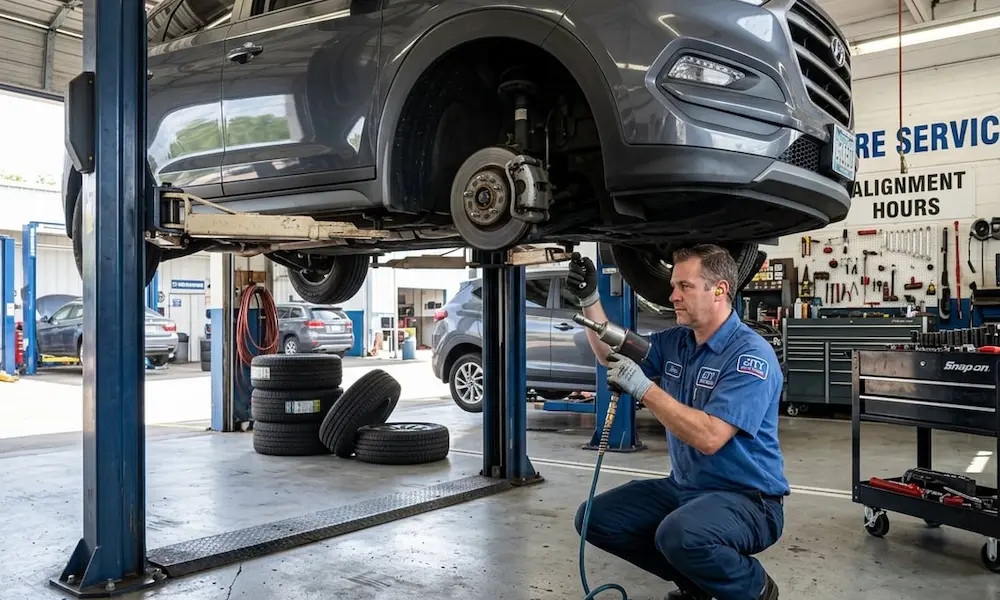
Many warehouse tire centers use standard dynamic balancers rather than Hunter Road Force Elite equipment. Given the Defender 2’s susceptibility to Radial Force Variation, standard balancing often isn’t enough.
The Re-Balance Cycle
This creates the frustrating pattern many owners experience:
- Install tires at Costco
- Notice vibration at highway speeds
- Return for re-balancing
- Weights look perfect, vibration continues
- Repeat steps 3-4 several times
- Eventually give up or replace tires
Technicians often lack training in match mounting (aligning the tire’s high spot with the rim’s low spot)—a critical step for this particular tire.
Regional Satisfaction Varies Dramatically
Where you live significantly impacts your experience with the Defender 2.
Sun Belt Satisfaction
Drivers in California, Texas, Arizona, and Florida tend to report higher satisfaction. In these regions:
- Wet braking deficiencies are rarely tested
- Snow performance doesn’t matter
- Long tread life gets fully utilized
- Dry climate prevents premature aging
Snow Belt Frustration
Reviews from the Northeast, Midwest, and mountain states are overwhelmingly critical. Owners discover they need dedicated winter tires immediately, negating the value of purchasing “all-season” tires.
The lack of 3PMSF certification becomes obvious during the first snowfall.
The Value Proposition Doesn’t Add Up
The Defender 2 is frequently the most expensive tire in its competitive set, yet it’s outperformed by cheaper alternatives in critical safety metrics.
You’re paying premium prices for:
- Worse wet braking than Continental TrueContact Tour (which costs less)
- No winter capability compared to Bridgestone WeatherPeak
- Poor EV efficiency that costs you money every charge
- Higher vibration risk requiring multiple shop visits
The 80,000-mile warranty is the only clear advantage—and even that’s questionable if you live in climates where the tire ages out before wearing out, or if vibration issues force early replacement.
What to Do If You Already Own Them
Already stuck with Defender 2s showing problems? Here’s your action plan.
For Vibration Issues
- Demand Road Force balancing, not standard balancing
- Request match mounting (aligning tire and rim imperfections)
- Have all four tires tested for RFV—some may be out of spec
- Document everything if seeking warranty replacement
- If vibration persists after proper balancing, consider this a defective set
For Wet Traction Concerns
Adjust your driving style in rain:
- Increase following distance significantly
- Brake earlier and more gradually
- Reduce cornering speeds in wet conditions
- Consider switching to better wet-performing tires if safety is paramount
For EV Range Loss
Unfortunately, there’s no fix. You can:
- Accept the efficiency penalty as the cost of this tire choice
- Replace with EV-specific or low rolling resistance alternatives
- Factor the energy cost into whether early replacement makes financial sense
The Bottom Line on Michelin Defender 2 Problems
The Michelin Defender 2 succeeds at exactly one thing: delivering 80,000 miles of tread life. Everything else involves compromises that many drivers find unacceptable.
The vibration issues represent a systemic problem that suggests manufacturing inconsistencies or structural characteristics incompatible with modern vehicles. The wet braking deficit creates a measurable safety gap. The EV efficiency penalty is economically irrational for electric vehicle owners. The lack of winter certification makes the “all-season” label misleading for anyone facing real winter conditions.
For the vast majority of drivers, competitors deliver better all-around performance, safety, and value. The Continental TrueContact Tour matches the warranty while stopping 30 feet shorter on wet roads. The Bridgestone WeatherPeak adds genuine winter capability. Even Michelin’s own CrossClimate 2 is the smarter choice for year-round versatility.
Unless you fit that narrow profile—high-mileage driver in a warm, dry climate prioritizing tread life above all else—the Defender 2’s problems outweigh its benefits. Your money is better spent elsewhere.