You’re staring at the finance manager’s desk, and they just quoted you $1,800 for tire and wheel protection. Your brain’s doing mental gymnastics trying to figure out if this is smart insurance or pure profit padding. Let’s cut through the sales pitch and figure out if you actually need this thing.
What Exactly Is Tire and Wheel Protection?
Tire and wheel protection is basically insurance against road damage. You’re paying upfront to cover potential repairs or replacements when you hit a pothole, run over a nail, or encounter debris on the highway.
The policy covers what’s called “road hazards”—potholes, nails, glass, metal scraps, and other junk that damages your tires or bends your rims. Hit one of these, and the plan pays for replacement or repair instead of you shelling out hundreds (or thousands) from your own pocket.
Here’s the catch: these plans don’t cover everything. Curb rash from parallel parking? Usually excluded unless you buy the premium “cosmetic” add-on. Worn-out tires? Nope. Damage from poor alignment or neglected suspension? Also excluded.
Most contracts require your tire to have at least 3/32 inch of tread depth remaining. Below that, and your claim gets denied regardless of what caused the damage.
The Engineering Reality: Why Modern Cars Are More Vulnerable
Your grandpa’s sedan could shrug off potholes that would absolutely wreck your ride. Here’s why modern vehicles are sitting ducks for wheel damage.
Low-Profile Tires Change Everything
Walk around any new luxury car or performance vehicle, and you’ll notice the tires look painted onto massive wheels. These low-profile tires (where the sidewall height is 45% or less of the tire width) look fantastic but sacrifice protection.
The sidewall acts like a cushion between the road and your expensive alloy wheel. When that cushion shrinks, the impact force goes straight into the rim. A pothole that your dad’s Camry would’ve absorbed now bends your $1,500 wheel and creates a bubble in your $500 tire.
Vehicles with 20-inch wheels or larger and tire aspect ratios under 40 are basically playing Russian roulette with every pothole. The physics don’t lie—less rubber equals more damage.
Run-Flat Tires Are Expensive Nightmares
BMW and Mercedes love run-flat tires because they eliminate the spare tire, saving weight and trunk space. Sounds great until you get a puncture.
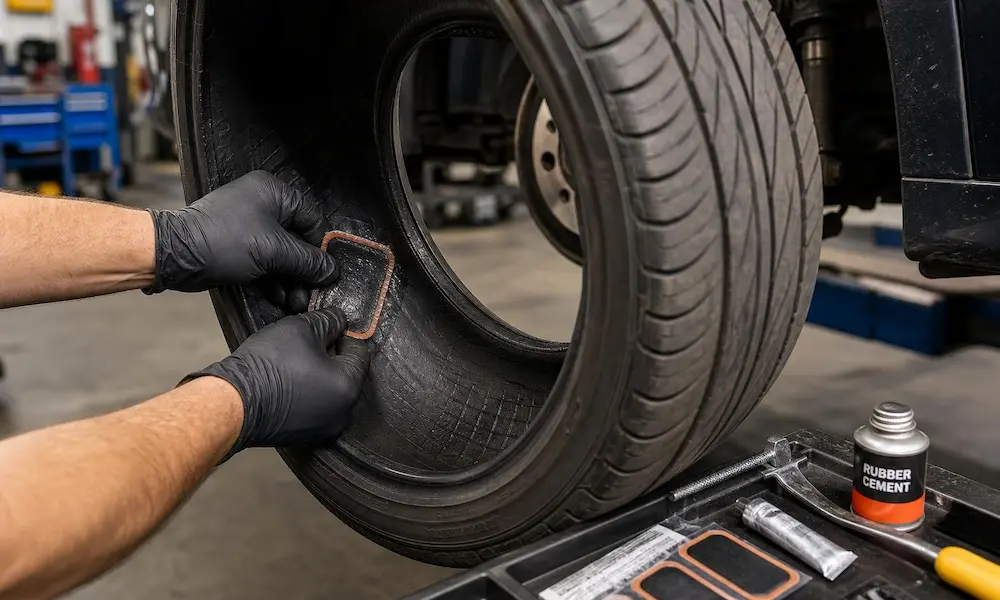
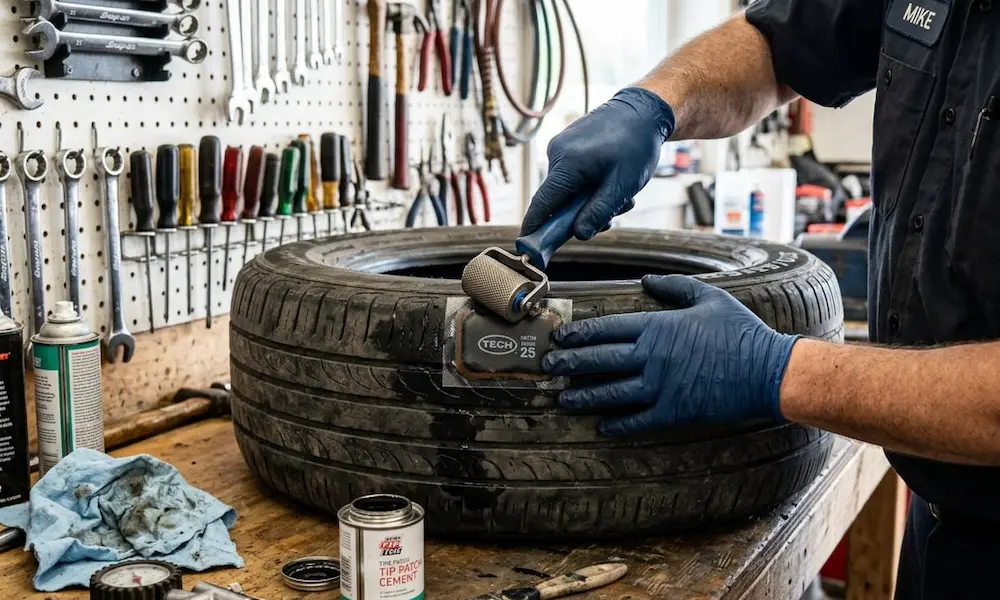
Standard tires can often be patched for $20-40 if you catch the damage early. Run-flats? Most shops won’t touch them. The reinforced sidewalls that let you drive 50 miles on zero pressure also make it nearly impossible to confirm there’s no internal damage from running flat.
Result: a nail that would cost you $25 to fix now means replacing a $350-600 run-flat tire. Multiply that risk over five years, and suddenly that protection plan starts looking reasonable.
Your Wheels Cost More Than You Think
If you’re driving a luxury or performance vehicle, prepare for sticker shock. OEM replacement wheels aren’t $200 anymore.
A single factory BMW or Audi wheel can run $1,200-3,200 depending on the model. Even “regular” cars aren’t cheap—Honda and Toyota OEM wheels typically cost $300-600 each.
Sure, you can find aftermarket replicas cheaper, but many lease agreements and resale situations demand OEM parts. That’s where the protection plan’s value proposition starts making sense.
The Fine Print Will Make or Break You
Not all tire and wheel protection plans are created equal. The contract language matters more than the sales pitch, so here’s what you need to watch for.
The “Structural Failure” Trap
Here’s where things get ugly. Many base-level plans only cover wheels that “fail to hold air” or can’t seal with the tire.
You can absolutely bend a wheel badly enough to cause dangerous vibrations at highway speed while still maintaining air pressure. In that scenario, many administrators will deny your claim. The wheel technically still functions even though your car shakes like a paint mixer at 65 mph.
Premium plans now include coverage for wheels that are “out of round” or can’t be balanced. That’s the language you want. Don’t assume it’s included—ask specifically.
Curbs Aren’t “Road Hazards”
Scraped your wheel on a curb while parking? That’s considered operator error, not a road hazard. Standard plans exclude this damage entirely.
If you live in a city where street parking is tight, you’ll want the cosmetic coverage add-on. Just know that mobile repair techs charge $75-175 for curb rash fixes, so do the math on whether the premium upgrade makes sense.
The Tread Depth Exclusion Kills Coverage Early
Remember that 3/32 inch minimum tread requirement? That’s the legal limit in most states, but it effectively kills your coverage before the tires are actually worn out.
Performance tires might only last 20,000-30,000 miles. Once you’re in the final 20% of tire life, your protection is worthless regardless of how much time remains on the contract. You’re paying for full-term coverage but only getting realistic protection for about 70% of the tire’s life.
What Actually Costs Without Coverage
Let’s talk real numbers so you can calculate if the premium makes sense for your situation.
| Repair Type | Typical Cost | Notes |
|---|---|---|
| Standard tire replacement (16″-18″) | $150-250 | Often repairable for $20-40 instead |
| Run-flat tire replacement (19″-22″) | $350-600+ | Rarely repairable; usually full replacement |
| OEM luxury wheel | $1,200-3,200 | BMW, Audi, Mercedes factory wheels |
| OEM economy wheel | $300-600 | Honda, Toyota, Mazda factory wheels |
| Bent wheel straightening | $100-250 | Independent shops; dealers rarely offer this |
| Cosmetic curb rash repair | $75-175 | Mobile techs; not factory-level restoration |
Here’s a reality check: if you’re driving a Honda CR-V with 18-inch wheels and standard tires, you’d need to destroy five tires at $200 each to break even on a $1,000 protection plan. That’s statistically unlikely unless you’re driving through a war zone.
But if you’re rolling in a BMW X5 with 21-inch run-flats, replacing just two tires and one wheel would exceed a $2,000 premium. In pothole-heavy cities, that’s entirely plausible over five years.
Where You Live Changes the Equation Completely
Geography might be the single biggest factor in determining if tire and wheel protection makes sense.
The Pothole Belt (You Know Who You Are)
If you live in the Northeast or Midwest, you’re driving in a tire and wheel demolition derby. Philadelphia, Chicago, Detroit, and Cleveland consistently rank as having America’s worst roads.
The freeze-thaw cycle creates sharp-edged potholes that destroy low-profile tires and bend rims with brutal efficiency. In these regions, protection plans aren’t optional for performance vehicles—they’re practically mandatory.
Sunbelt States Face Different Risks
Florida, Texas, and Arizona don’t suffer from frost heaves, but rapid construction means roads littered with nails, screws, and metal debris.
This hazard profile damages tires frequently but rarely destroys wheels. If you’re in these states, the Discount Tire certificate strategy (covering tires only for $35-60 each) often beats comprehensive protection plans.
California’s Maintenance Nightmare
West Coast drivers face a different problem. San Francisco, Los Angeles, and San Jose have terrible roads not from weather but from deferred maintenance and heavy traffic.
Uneven pavement and expansion joints can damage low-profile setups. If you’re driving a performance car in California’s urban centers, you’re at moderate to high risk.
The Dealership Isn’t Your Only Option
Here’s something the finance manager won’t tell you: you don’t have to buy protection from them, and you definitely shouldn’t pay their first quoted price.
Negotiating Dealership Plans
That $1,995 quote probably costs the dealer $800-1,000. They’re banking on you being too exhausted from the car-buying process to negotiate.
Try these tactics:
- Decline the first three price drops. They’ll keep lowering it.
- Mention you can buy the same Fidelity or Zurich plan online for less.
- Bundle negotiations—trade a lower warranty price for maintaining the car’s sale price.
People routinely negotiate these plans down 20-40% from the opening offer. Don’t leave money on the table.
The Discount Tire Hack
Here’s a strategy that works brilliantly for tire-focused coverage: drive your new car straight to Discount Tire and buy their replacement certificates.
For $35-60 per tire, you get no-questions-asked tire replacement for road hazards. Total investment: under $300 for all four tires.
The limitation: this covers tires only. If a pothole destroys both the tire and bends your $1,500 rim, you’re on the hook for the wheel. But if tire damage is your primary concern (nail-prone areas, frequent highway driving), this approach costs a fraction of comprehensive plans.
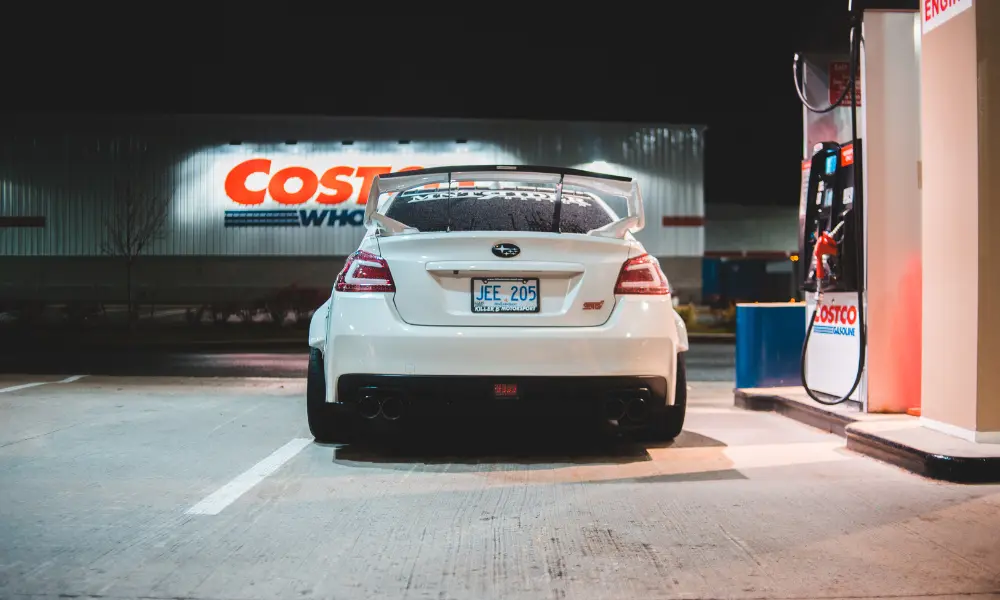
Costco’s Free Road Hazard Coverage
Buy tires at Costco, and road hazard protection is included in the installation fee. Sounds perfect, right?
The catch is prorated coverage. A half-worn tire only gets you half the replacement value. And like Discount Tire, this covers tires only—not wheels. Service wait times can also be brutal at busy locations.
Electric Vehicles Add a New Wrinkle
EVs change the tire and wheel damage calculus in ways most people don’t consider.
Tesla’s Model Y and Model X weigh significantly more than comparable gas vehicles because of their battery packs. A heavier vehicle hitting a pothole at speed transmits more force into the wheel and tire, increasing damage likelihood.
Tesla’s wheel designs (especially the “Uber-turbine” style) often position the rim flush with or beyond the tire sidewall, creating extreme susceptibility to curb damage. Tesla owners report wheels getting scratched just from normal parking.
Interestingly, Tesla now offers tire and wheel protection as a subscription for $16-20/month. This pay-as-you-go model lets you activate coverage during winter or high-mileage periods and cancel when risk drops. It’s a smarter approach than financing a lump sum that might outlive your ownership.
Who Should Actually Buy This Coverage
Let’s get specific about who benefits from tire and wheel protection and who’s wasting money.
Strong Buy Signals
You should seriously consider comprehensive protection if:
- You drive a luxury or performance vehicle (BMW M, Mercedes AMG, Porsche) with run-flat tires and 20+ inch wheels
- You live in the Northeast or Midwest pothole belt
- You can negotiate the plan to under $1,800 for premium brands
- You’re leasing and want to avoid lease-end damage charges
- You value convenience over cost optimization
For a BMW X5 owner in Chicago with 21-inch run-flats, protection isn’t optional—it’s financial common sense.
The Middle Ground (Retailer Certificates)
Consider tire-only protection from Discount Tire if:
- You drive a mass-market vehicle (Honda, Toyota, Mazda) with standard tires
- Your wheels are under 19 inches with decent sidewall height
- You live where nail and debris damage is common but potholes are rare
- You want minimal upfront cost (under $300 total)
This strategy self-insures the wheels while protecting against the more frequent tire damage.
Hard Pass Territory
Skip protection entirely if:
- You drive an older vehicle or economy car with high-profile tires (aspect ratio 50+)
- Your wheels are common with cheap aftermarket replacements available
- You drive low mileage or primarily on well-maintained roads
- The dealer won’t negotiate below $2,000 for a mass-market vehicle
- The contract excludes “out of round” coverage for bent wheels
For a used Corolla with 16-inch steel wheels, protection plans are pure dealer profit. You’ll never use them enough to justify the cost.
Real Owner Experiences Tell the Story
Theory is great, but how does this actually play out?
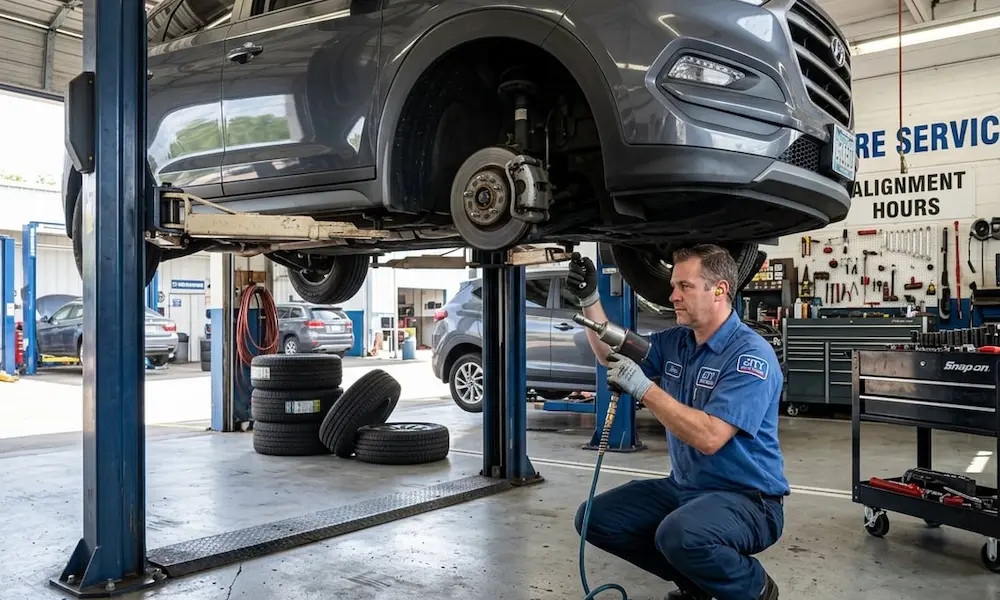
BMW and Mercedes owners with premium plans report mostly positive experiences. The dealership handles everything, they sign paperwork, and leave with new wheels or tires. For them, the convenience justifies the premium.
Conversely, owners with base-level plans frequently report denials for bent wheels that still hold air. The frustration of paying for coverage that won’t pay when needed drives most negative reviews.
Honda and Toyota owners often conclude they overpaid for coverage they rarely use. With smaller, more robust wheels and higher-profile tires, these vehicles simply don’t sustain enough damage to justify $1,000+ protection plans.
The Bottom Line: Do the Math for Your Situation
Is tire and wheel protection worth it? It depends entirely on your specific circumstances.
If you’re driving a high-end vehicle with run-flats and low-profile tires in a pothole-riddled city, protection plans can save you thousands. If you’re driving a practical crossover with normal tires in decent road conditions, you’re probably better off pocketing that $1,000 and paying out of pocket for the rare incident.
The key is understanding your actual risk profile—your vehicle’s vulnerabilities, your geographic exposure, and the contract’s actual coverage versus its exclusions. Don’t let the finance manager rush you. Take the contract home, read the exclusions, and calculate your break-even point.
And remember: everything’s negotiable. That first price is never the final price.