Shopping for all-weather tires? The Michelin CrossClimate 2 probably tops your list. It’s everywhere—marketed as the “best of both worlds” tire that handles snow like a champ while keeping you safe year-round. But here’s what they don’t tell you in the glossy ads: this tire comes with some serious trade-offs that might make you reconsider. Let’s dig into the real michelin crossclimate 2 problems that long-term owners are reporting.
That “Grinding” Noise Isn’t Your Wheel Bearings
You know that unsettling hum that sounds exactly like a failing wheel bearing? Yeah, it’s probably your tires.
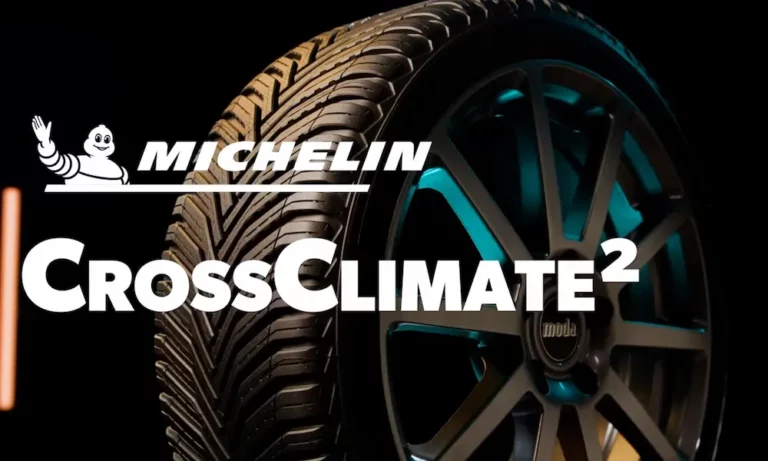
The CrossClimate 2 uses an aggressive V-shaped tread pattern designed to bite into snow. While that’s great in a blizzard, it creates a rhythm of air compression that evolves into a persistent drone—especially after you’ve put 20,000+ miles on them.
Here’s where it gets worse. Owners of vehicles like the Subaru Outback, Mazda CX-5, and Honda CR-V report this grinding noise appearing between 20,000 and 30,000 miles. Some folks actually replaced their wheel bearings before realizing the tires were the culprit. That’s an expensive mistake.
Why the Noise Gets Worse Over Time
When your tires are fresh, they’re quiet enough. But the CrossClimate 2’s directional tread creates a unique problem: you can only rotate them front-to-back, never side-to-side.
This means heel-and-toe wear—where the leading edge of each tread block wears differently than the trailing edge—can’t be corrected. On regular tires, you’d just cross-rotate them to reverse the pattern. Not here. Once that sawtooth pattern starts, it’s locked in forever, getting louder with every mile.
Electric Vehicles Amplify the Problem
Drive an EV? The noise issue becomes even more noticeable.
Without engine rumble to mask it, Tesla Model Y and Model 3 owners report a distinct “growl” above 45 mph that ruins the silent cabin experience you paid for. Most factory EV tires include acoustic foam liners. The CrossClimate 2 doesn’t.
Noise Level Comparison:
| Vehicle Type | First 15,000 Miles | After 20,000+ Miles | Main Complaint |
|---|---|---|---|
| Mid-Size SUVs | Similar to factory tires | High harmonic drone | Sounds like bearing failure |
| Electric Vehicles | Moderate (3-5dB louder) | Very high tread growl | Destroys quiet cabin |
| Economy Sedans | Low to moderate | Moderate | Less noticeable due to engine noise |
| Luxury Sedans | Low | Moderate | Detectable hum despite sound insulation |
Your Fuel Economy Just Tanked
Notice your MPG drop after installing these tires? You’re not imagining it.
The same grippy compound that helps these tires claw through snow also creates rolling resistance. It’s basic physics—more grip means more friction, which means your engine (or battery) works harder.
Gas and Hybrid Vehicles Take a Hit
Regular car owners report losing 1 to 3 MPG immediately. But hybrid owners? They’re seeing drops of 8% to 13%.
If you’re driving a Toyota RAV4 Hybrid that normally gets 40 MPG, you’re suddenly looking at 35-36 MPG. That fuel savings you bought the hybrid for? It just evaporated. Some owners report dramatic mileage decreases that completely undermine the value of their efficient vehicles.
EV Range Loss Is Even More Brutal
For EV owners, the efficiency penalty is painful.
Fresh CrossClimate 2s can cut your range by 15% to 20% initially. Even after they “break in” over 2,000-4,000 miles, you’re looking at a chronic 5% to 9% range reduction compared to factory tires.
Do the math: a Tesla Model Y with a 330-mile range loses 33 miles per charge with just a 10% penalty. That’s the difference between making it to your destination and needing an unplanned charging stop.
Real-World Efficiency Impact:
| Vehicle Type | Typical Efficiency Loss | Why It Happens | What It Means |
|---|---|---|---|
| Standard Gas | -1 to -3 MPG | Increased rolling friction | Higher fuel costs |
| Hybrid | -8% to -13% MPG | Undermines low-drag design | Defeats hybrid efficiency |
| Electric | -9% to -20% (new) -5% to -9% (broken in) |
High hysteresis + heavy weight | Frequent charging needed |
That “Vague” Steering Feel Isn’t in Your Head
Performance enthusiasts and anyone coming from summer or sporty touring tires notice it immediately: the steering feels soft, almost disconnected.
Drivers describe it as “driving on rubber bands” or having a delayed response between turning the wheel and the car actually changing direction. This isn’t subjective whining—it’s tread squirm.
The Tall Block Problem
The CrossClimate 2 features tall, heavily siped tread blocks separated by wide channels. Great for snow. Terrible for sharp handling.
Under cornering loads, these tall blocks have to flex sideways before the tire carcass generates a slip angle. That flex creates a noticeable delay. In emergency lane changes or spirited driving, you get a sensation of understeer that can kill driver confidence.
Ride Quality Contradictions
Weirdly, while the steering feels mushy, the ride itself often feels harsh.
To support those aggressive tread blocks, Michelin stiffened the sidewalls. This transmits every expansion joint, bump, and rough pavement texture straight into your cabin. The open V-grooves also trap road debris like gravel and stones, creating clicking sounds until they eject at highway speeds.
The Ice Braking Gap They Don’t Advertise
Here’s the scary part: the CrossClimate 2’s Three-Peak Mountain Snowflake rating creates false confidence.
Yes, these tires excel in snow—often matching or beating entry-level winter tires. But ice? That’s a different story.
Snow vs. Ice: Not the Same Thing
The CrossClimate 2 relies on mechanical edges to grip. Those work great when there’s snow to bite into. On ice, though, you need specialized compounds that can penetrate the thin water layer created by friction.
Independent testing shows the CrossClimate 2 requires 30 to 50 feet MORE stopping distance on ice compared to dedicated winter tires like the Michelin X-Ice Snow. From just 20 mph, that’s a massive safety gap.
Real-World Ice Horror Stories
Drivers switching from dedicated winter tires like Blizzaks report terrifying moments—sliding through intersections, inability to stop on glazed inclines, feeling like the brakes aren’t working.
The CrossClimate 2 isn’t bad. But if you live somewhere with frequent black ice or freezing rain, these tires can create a dangerous sense of security when conditions turn truly icy.
Braking Performance Reality Check:
| Surface | CrossClimate 2 | Dedicated Winter Tire | Standard All-Season |
|---|---|---|---|
| Snow (25-0 mph) | Excellent (~48 ft) | Superior (~42 ft) | Poor (~65 ft) |
| Ice (20-0 mph) | Compromised (~56 ft) | Superior (~38 ft) | Dangerous (80+ ft) |
| Wet (50-0 mph) | Very good (~108 ft) | Good (~125 ft) | Average (~110 ft) |
| Dry (50-0 mph) | Good (~89 ft) | Poor (~105 ft) | Excellent (~85 ft) |
They Won’t Last as Long as You Think
That 60,000-mile warranty looks great on paper. Reality? Many owners are hitting the wear bars at 30,000 to 40,000 miles.
Heavy Vehicles Eat These Tires
If you’re driving a heavy crossover or EV, the instantaneous torque and vehicle weight create serious shear stress on those tall tread blocks. The result? Accelerated wear that makes the warranty meaningless.
The Cracking Issue
Within 2-3 years, many owners notice fine cracks appearing in the sidewalls and tread base—what people call “dry rot.”
Michelin says this “ozone checking” is cosmetic and structurally safe until the cords show. But try telling that to an owner who sees their expensive tires looking weathered and old while competitors’ tires stay pristine.
The Warranty Trap
Here’s the kicker: that directional design that causes noise problems? It also makes warranty claims nearly impossible.
Because you can only rotate front-to-back, any vehicle with suspension geometry that naturally wears the inner edge faster (common on BMWs, Teslas, many modern cars) will develop uneven wear that Michelin considers outside warranty coverage. Your inner edge hits the wear bars while the center tread looks fine? Claim denied.
The Recall Connection You Should Know About
In 2023 and 2025, Michelin recalled the Agilis CrossClimate—the commercial van version of this tire—for tread chunking and separation under load.
While Michelin insists the passenger CrossClimate 2 uses different construction, the recall raises legitimate questions. The architectural similarity means the aggressive siping that provides traction also potentially compromises tread block integrity under extreme stress. This validates concerns about the rubber flaking and chipping some owners report on gravel roads or heavy EVs.
Better Alternatives Might Exist for Your Needs
The tire market has evolved quickly, with competitors directly addressing the CrossClimate 2’s weaknesses.
Bridgestone WeatherPeak: Quieter and Smoother
The WeatherPeak uses a symmetric, non-directional pattern that allows full cross-rotation. This prevents heel-and-toe wear and maintains a quieter cabin over the tire’s life. It rides softer and more comfortably, though it sacrifices some dry handling sharpness.
Nokian WR G4: Better Ice Safety
Nokian essentially invented the all-weather category. Their WR G4 (and newer Remedy WRG5) uses compounds closer to true winter tires, providing superior ice grip compared to the Michelin. The trade-off? Faster wear in hot climates and slightly higher rolling resistance.
Pirelli Scorpion WeatherActive: Luxury Quiet
The Pirelli targets luxury SUV owners who can’t tolerate the CrossClimate 2’s noise. Users consistently report it as quieter and smoother with comparable snow performance—ideal for Audi Q5 or Lexus RX owners.
Which Tire Solves Your Problem:
| Your Priority | Best Alternative | Why It Wins |
|---|---|---|
| Quiet cabin | Bridgestone WeatherPeak or Pirelli WeatherActive | Non-directional tread, touring comfort focus |
| Ice safety | Nokian WR G4 / Remedy WRG5 | Winter-grade compounds, best ice braking |
| EV range | Factory EV-specific tires | Low rolling resistance design |
| Dry handling | Summer or performance all-season tires | Stiffer blocks, less squirm |
What You Need to Decide
The Michelin CrossClimate 2 isn’t a bad tire—it’s a specific tool that excels in specific conditions while making real compromises elsewhere.
It’s genuinely excellent if you:
- Live where heavy snow is frequent but ice is rare
- Don’t mind cabin noise and can’t swap to winter tires seasonally
- Value snow mobility over fuel economy
- Drive a lighter vehicle with good alignment
Skip them if you:
- Drive an EV and care about maximizing range
- Prioritize a quiet, comfortable ride
- Experience frequent icy conditions (not just snow)
- Want sharp, precise steering feel
- Drive a heavy vehicle or one prone to uneven tire wear
The “all-weather” promise sounds perfect. But there’s no such thing as a tire that does everything perfectly. Understanding these michelin crossclimate 2 problems helps you make the choice that actually fits your driving reality—not just the marketing hype.