You’ve spotted those affordable Blackhawk tires at Walmart and you’re curious. The name sounds American, the price looks tempting, but you’re wondering who actually makes them. Let’s cut through the confusion and get you the real story about what’s behind those black-and-yellow sidewalls.
The Company Behind Blackhawk Tires
Sailun Group manufactures Blackhawk tires—a major Chinese tire producer that ranks 12th globally in the tire industry. While the brand name might make you think of American-made products, these tires come from state-of-the-art facilities in China and Southeast Asia.
Sailun Tire Americas handles distribution and marketing from their headquarters in Brampton, Ontario, Canada. They’ve successfully pushed Blackhawk into more than 40 countries worldwide, making it far from some sketchy no-name brand.
Here’s what makes Sailun Group legit: they operate seven major manufacturing centers across China, Vietnam, Cambodia, Indonesia, and Mexico. We’re talking about a company that cranks out over 40 million passenger car radial tires annually, plus 6.5 million truck and bus radials. That’s serious production capacity backed by more than 18,000 employees worldwide.
Where Your Blackhawk Tires Actually Come From
The manufacturing facilities aren’t small operations. China’s Qingdao factory spans roughly 40,000 square meters with capacity for 10 million car tires yearly. The Dongying production lines cover 300,000 square meters and pump out 18.7 million car tires annually.
The Vietnam facility is massive—600,000 square meters, which is 50 percent larger than the Qingdao base. It produces 8.5 million car tires and 1.2 million truck tires each year. Recent expansions added 3.6 million radial tire capacity in Indonesia and 6 million passenger car tire capacity in Mexico.
Sailun also maintains research and development centers in China, Vietnam, North America, and Europe. They’re not just copying designs—they’re developing tire technology across multiple continents.
The Brand Story: Why “Blackhawk”?
The name draws from the powerful bird of prey, symbolizing strength, agility, speed, and razor-sharp grip. It’s marketing, sure, but the name actually reflects their engineering philosophy—adaptive performance across different vehicle types and weather conditions.
Blackhawk is relatively new to American markets and was previously sold under different names before rebranding. Sailun positions it between ultra-budget garbage and premium brands, targeting drivers who need reliable daily performance without paying Michelin prices.
Think of it this way: you’re getting modern manufacturing and decent engineering at prices that don’t make your wallet cry.
What Blackhawk Tires Are Available
Complete Product Lineup
Blackhawk offers a comprehensive range covering virtually every vehicle type. You’ll find passenger car tires, SUV and crossover tires, truck tires, all-season tires, all-terrain options, winter tires, and ultra-high-performance variants.
Popular models include:
Passenger Car Tires:
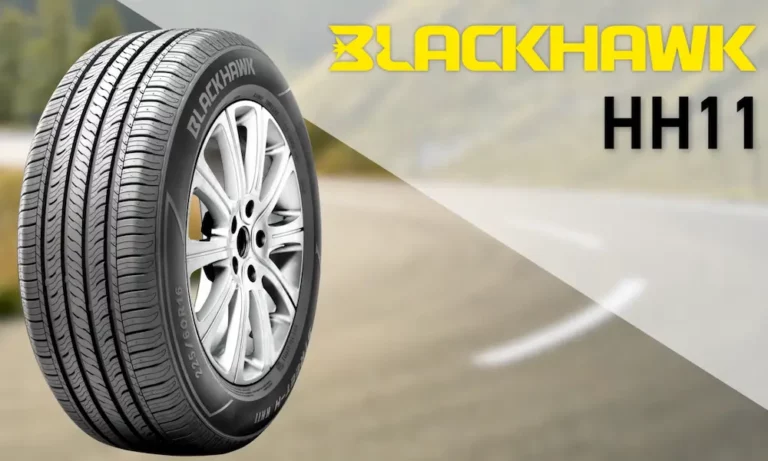
- Blackhawk Street-H HH11 and Street-H HU01 (all-season touring tires for daily commuting)
- Blackhawk Arillo-H AS01 (performance tire for sports cars)
SUV and Truck Tires:
- Blackhawk Hiscend-H HT01 (designed for pickups, SUVs, and crossovers with noise-canceling block designs)
- Blackhawk Agility SUV (all-season capability with 60,000-mile warranty)
Winter Tires:
- Blackhawk Ice Prey BW10 (studdable winter tire with Three Peak Mountain Snowflake certification)
The HT01 features full-depth siping for all-weather traction, while the Ice Prey BW10 comes with directional V-shaped tread blocks and multi-directional 3D siping specifically for severe winter conditions.
Warranty Protection You’re Getting
Blackhawk backs their tires with limited warranties covering 48 months from the manufacture date or 60 months from purchase—whichever comes first. The mileage warranty varies by model, typically ranging between 40,000 and 60,000 miles.
Here’s the breakdown:
- HH11 and HU01: 50,000-mile warranty over 60 months
- HT01 and Agility SUV: 60,000-mile coverage
- HU02: 40,000-mile warranty
That’s notably shorter than premium brands offering 70,000 to 80,000-mile coverage, but it’s competitive within the budget segment. You’re paying less upfront, so don’t expect premium warranty coverage.
Engineering and Technology Features
What’s Actually Inside These Tires
Blackhawk incorporates several advanced features typically reserved for pricier tires. The tread designs use bold patterns with complex rubber compounds that optimize grip and durability. Many models feature variable pitch tread designs that reduce noise—you’ll actually notice quieter highway rides.
The high-silica rubber compounds enhance wet traction while reducing rolling resistance for improved fuel economy. Staggered tread blocks and multi-directional siping increase biting edges for better traction in wet, snowy, and icy conditions.
Structurally, they employ jointless bead covers made from spiral steel bands wrapped around tire beads. This improves rigidity and contributes to a smoother ride. Enhanced upper shoulder profiles allow better surface contact during cornering, improving control and stability.
Tie bars on tire shoulders enhance high-speed stability. The silica-based compounds balance wet traction against rolling resistance concerns, helping fuel efficiency without sacrificing safety.
Real-World Performance Across Conditions
| Condition | Performance Level | Key Strengths | Notable Limitations |
|---|---|---|---|
| Dry Roads | Very Good | Modern tread patterns, responsive steering, stable cornering | Slightly below mid-range tires |
| Wet Roads | Good | Circumferential grooves prevent hydroplaning, full-depth siping | Doesn’t match premium offerings |
| Winter/Snow | Below Average (all-season models) | Adequate in light snow | Struggles on ice and thick snow |
| Winter/Snow | Excellent (Ice Prey BW10) | Three Peak Mountain certified, enhanced grip compounds | Only in dedicated winter models |
| Fuel Efficiency | Excellent | Among lowest rolling resistance in budget segment | None noted |
Dry conditions: Blackhawk delivers very good handling and traction thanks to modern tread patterns and responsive steering. They maintain adequate dry braking and stable cornering, making them perfectly suitable for highway driving and everyday use.
Wet weather: You’ll get good traction through circumferential grooves that efficiently channel water away. The full-depth siping and angled tread blocks create additional contact patches and water evacuation pathways. However, wet performance doesn’t match premium or even some mid-range offerings.
Winter performance: Here’s where standard all-season Blackhawk models fall short. They struggle on icy roads and thick snow, achieving performance notably below median for winter conditions. Multiple reviews emphasize these aren’t designed for severe winter climates—they could create safety concerns in regions with significant snow and ice. However, the dedicated Ice Prey BW10 winter model handles harsh conditions far better.
Fuel efficiency: This is where Blackhawk shines. They consistently demonstrate among the lowest rolling resistance in the budget segment, directly translating to improved fuel economy. You’ll save money beyond the initial purchase.
What Real Customers Are Saying
The Positive Feedback
Across retail platforms, Blackhawk tires score between 3.8 to 4.6 stars. Customers consistently praise the excellent value proposition—these tires deliver reliable performance for a fraction of premium pricing, typically saving 30-40% compared to Michelin and Bridgestone.
Many drivers emphasize the quiet, comfortable ride quality. Highway driving becomes more pleasant thanks to noise-reduction technology. One satisfied customer noted, “Every drive feels quieter and more secure, thanks to these tires trimming away unwanted road noise.”
Durability gets consistent positive mentions. Drivers report tread life of 50,000 to 60,000 miles under normal driving with proper maintenance. Users appreciate balanced performance across dry and wet conditions, finding them suitable for year-round driving in moderate climates.
Reviewers frequently highlight suitability for daily commuting and family vehicles where reliability and value matter more than extreme performance. Several note that Blackhawk delivers performance comparable to mid-range brands while charging budget prices.
The Complaints You Should Know About
Limited winter and ice performance tops the criticism list. Reviewers note standard all-season models don’t hold well on icy roads and require extra caution during harsh winters. One reviewer summarized: “I wish the ice grip was stronger and the warranty lasted longer to match the tire’s cost-saving benefits.”
The shorter warranty coverage compared to premium brands generates concern—40,000 to 60,000 miles versus 70,000 to 80,000 miles from established competitors. This shorter period potentially means earlier replacement and higher long-term costs.
Some users report moderate to higher road noise compared to premium alternatives, though this beats previous-generation ultra-budget tires. A handful mention that while tires perform well generally, they “performed like crap well below the median on ice and snow.”
Warranty support and customer service response times may not match premium brands—typically 48-72 hours versus 24-48 hours from premium manufacturers. Limited availability in some areas frustrates potential buyers seeking specific models.
Where Blackhawk Actually Fits
Reddit discussions and professional forums reveal consensus that Blackhawk tires are “fine” for their price point and represent solid choices for daily drivers in moderate climates. The general assessment: don’t expect $80 tires to perform like $200+ premium tires, but Blackhawk delivers honest performance and reliability at competitive budget pricing.
One tire professional noted Blackhawk holds its own against Goodyear’s budget offerings—which cost roughly 50% more—while delivering equal or superior quality.
These tires find their sweet spot with family vehicles, daily commuters, and budget-conscious buyers in moderate weather. They’re not recommended for high-performance driving, extreme weather, or drivers for whom tire performance represents a primary concern.
How Blackhawk Stacks Up Against Competitors
| Brand | Avg Price | Customer Rating | Tread Warranty | Key Advantage |
|---|---|---|---|---|
| Blackhawk | $100 | 3.8/5 | 45,000 miles | Fuel efficiency, value |
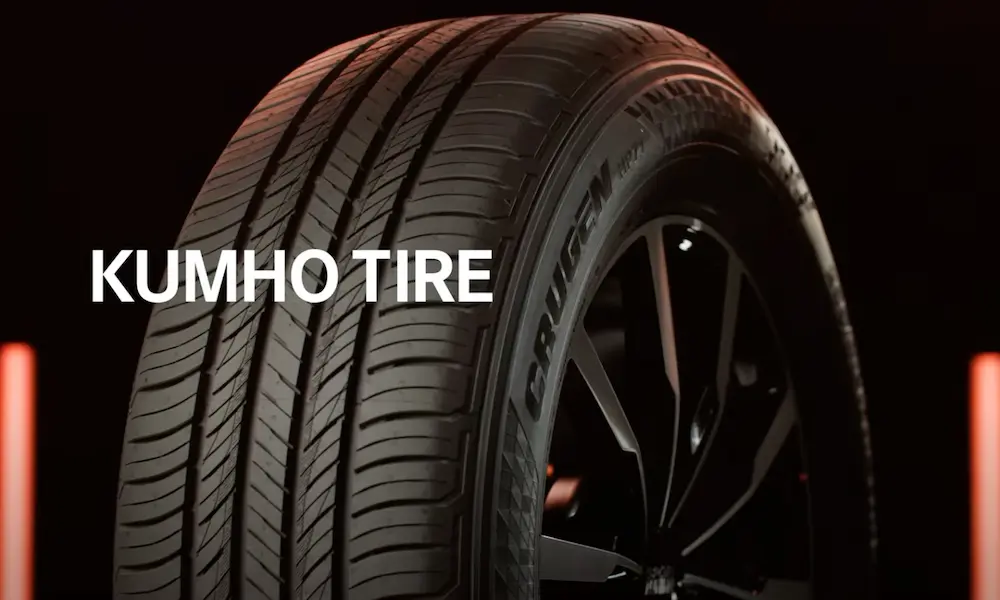
| Kumho | Similar | 3.9/5 | 50,000 miles | Slightly better warranty |
| Westlake | $95 | 3.7/5 | Similar | Lower price |
| Goodride | $75-85 | 3.5/5 | 40,000 miles | Cheapest option |
| Linglong | $75-85 | 3.5/5 | 40,000 miles | Cheapest option |
Compared to Kumho, Blackhawk offers similar customer satisfaction but slightly lower tread warranty—essentially near-equivalent offerings with marginal differences.
Versus Westlake, Blackhawk provides comparable prices but slightly better customer satisfaction, trading performance equivalence at different price points.
Against Goodride and Linglong, the cheapest alternatives, Blackhawk commands a modest premium but delivers substantially better performance, durability, and satisfaction. This positioning reflects Blackhawk’s strategy: compete against cheapest ultra-budget brands by offering appreciably better quality while accepting that premium brands outperform them in virtually every metric.
The fuel efficiency advantage over most competitors, combined with respectable value-for-money ratings (4.2 out of 5), explains the brand’s growing popularity among value-conscious consumers.
Where to Buy and What You’ll Pay
Blackhawk tires are widely available through major U.S. retailers including Walmart, SimpleTire, PriorityTire, and various local tire dealers. Pricing typically ranges from $69 to $600 depending on size and type.
Average pricing breakdown:
- Passenger tires: $80-120 per unit
- SUV/truck tires: $130-200 per unit
- Performance variants: $150-230 per unit
Compare that to premium brands commanding $150-250 for passenger tires and $200-350 for truck variants. You’re looking at significant savings.
Online tire retailers frequently offer competitive Blackhawk pricing with added benefits like free shipping, price match guarantees, and extended return windows. The wide availability through established retailers provides confidence in the brand’s legitimacy and accessibility.
Should You Buy Blackhawk Tires?
Blackhawk tires represent a legitimate and cost-effective option for drivers seeking reliable everyday performance without premium pricing. Manufactured by Sailun Group—a globally recognized tire producer—these tires incorporate advanced engineering and modern manufacturing that meaningfully exceeds cheapest ultra-budget alternatives.
The brand’s emphasis on fuel efficiency, quiet ride quality, and value-for-money creates genuine advantages for daily drivers in moderate climates.
However, approach with realistic expectations. The shorter warranty, moderate winter performance, and acknowledged gaps in extreme conditions represent fair trade-offs for budget pricing. If you’re in harsh winter climates, explore dedicated winter models or consider mid-range all-season alternatives offering better cold-weather grip.
For budget-conscious consumers prioritizing reliable daily performance, fuel efficiency, and cost savings—Blackhawk delivers genuine value. The consistently positive customer feedback, reasonable durability of 40,000-60,000 miles, and engineering quality suggest these represent smart purchases for family vehicles and daily commuters in moderate climates.
The brand’s successful expansion into more than 40 countries and growing U.S. market presence indicates consumer acceptance and confidence in Blackhawk’s value proposition. You’re not getting premium performance, but you’re getting honest, reliable tires that won’t break the bank.