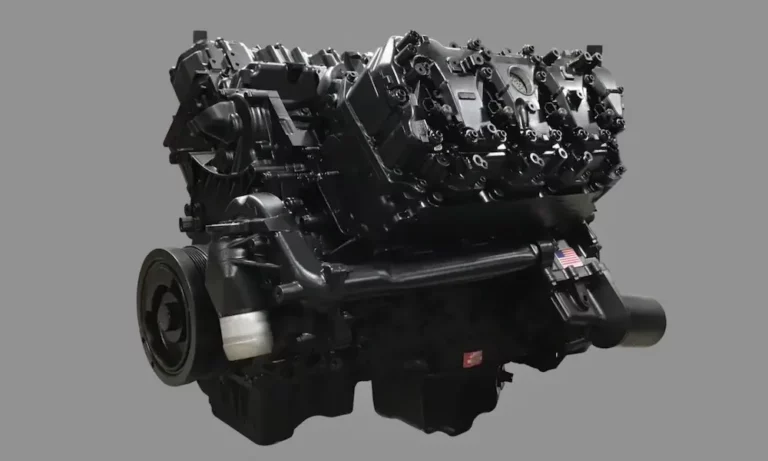
Thinking about a Jasper engine for your vehicle? You’re weighing a big decision that’ll affect your wallet and your ride’s reliability. This guide cuts through the marketing hype to show you what real customers and mechanics experience with Jasper remanufactured engines—the good, the bad, and the costly surprises.
What Makes Jasper Engines Different
Jasper Engines & Transmissions isn’t some garage operation. Founded in 1942, they’re North America’s largest engine remanufacturer, pumping out over 150,000 engines annually from four facilities across the country. They’ve got over 50 distribution points and an employee-owned structure that supposedly keeps quality top of mind.
The company’s market dominance is real. The remanufactured engine market sits at about $1.342 billion and keeps growing. Jasper’s grabbed a huge chunk of that pie, making them the default choice at many repair shops.
But here’s the thing—being the biggest doesn’t automatically mean being the best. What matters is whether their engines actually hold up in your driveway.
How Jasper Rebuilds Your Engine
Jasper’s remanufacturing process goes deeper than a typical rebuild. They completely tear down each engine, cleaning every component to remove gunk that causes early wear. The blocks, heads, and rotating parts get precision machining that supposedly exceeds factory specs.
They use torque plate honing—a NASCAR technique that reduces cylinder distortion and blow-by. Crankshafts get micro-polished, and camshafts receive special lubrication treatment for easier break-in. Sounds impressive on paper.
The standout feature? They live-run test 99% of their popular engines using natural gas. This catches problems before shipping that static testing might miss. They check compression, oil pressure, and vacuum levels while the engine’s actually running.
They also use black-light inspection for oil leaks and electronic monitoring during final wash cycles. The quality control measures include statistical process tracking and ASE-certified technicians.
The Warranty That Sounds Great (Until You Need It)
Jasper offers a three-year or 100,000-mile warranty on most gas engines—whichever comes first. Heavy-duty applications get 18 months or 100,000 miles. The warranty transfers if you sell the vehicle and works nationwide at any authorized installer.
You can add a Premium Service Plan covering towing, rentals, fluids, and premium labor costs. On the surface, this beats most competitors’ coverage hands down.
But here’s where things get messy. The warranty requires prior authorization for all claims and demands you return defective parts for inspection. This creates delays when you’re already stuck without a vehicle.
What Real Customers Are Saying
The gap between Jasper’s promises and actual customer experiences is massive. Better Business Bureau complaints tell a troubling story—multiple engine failures within warranty periods, with some folks reporting three or more replacements within a couple years.
Oil leaks plague many installations. Customers report persistent leaking even after multiple warranty replacements and gasket swaps. When the same problem hits different replacement engines, that’s not bad luck—that’s a manufacturing issue.
Some engines fail within the first 1,000 miles. That’s not normal wear and tear. That’s something wrong leaving the factory.
Reddit discussions among mechanics reveal split opinions. Some installations work fine. Others turn into warranty nightmares that damage customer relationships. Several mechanics admit they’ve stopped recommending Jasper after bad experiences.
The customer reviews on independent platforms consistently show low ratings. Common themes include:
- Recurring failures of identical components across multiple replacements
- Warranty disputes over coverage interpretation
- Poor customer service responses
- Cylinder head problems within 15,000 miles
- Internal component failures shortly after installation
Jasper vs. Other Options: The Real Cost Breakdown
Let’s talk money. A Jasper engine runs $4,000-$8,000 for the unit alone. Add installation at $2,000-$6,000, and you’re looking at $6,000-$14,000 total.
A new OEM crate engine costs more upfront but eliminates the remanufactured gamble. Ford’s remanufactured engines use proprietary engineering data and genuine OEM parts—advantages that third-party remanufacturers can’t match.
Competitors like ATK/LKQ offer similar products with different warranty structures. Some regional rebuilders provide longer coverage or no-fault warranties that protect you better than Jasper’s terms.
Used salvage engines cost less but come with unknown histories and zero warranty. They’re a gamble, but so is a Jasper engine based on failure rates.
Here’s the kicker: when you factor in multiple Jasper replacements, many customers end up spending more than a new engine would’ve cost initially. Each warranty replacement still costs you fluids, gaskets, and some labor that the warranty doesn’t cover.
| Option | Upfront Cost | Warranty | Risk Level |
|---|---|---|---|
| Jasper Engine | $6,000-$14,000 | 3yr/100k mi | Moderate-High |
| New OEM Crate | $8,000-$15,000 | Manufacturer warranty | Low |
| Competitor Reman | $5,500-$12,000 | Varies by company | Moderate |
| Used Salvage | $2,000-$6,000 | None | High |
What Mechanics Really Think
Professional installer experiences vary wildly. Some shops display Jasper signage proudly and report consistent success. Others quietly avoid the brand after repeated problems.
Ford dealership technicians have reported poor quality in Jasper turbochargers and components, leading some service centers to refuse warranty work. When dealerships won’t touch warranty claims, that’s a red flag.
The shops that succeed with Jasper follow strict installation procedures and document everything meticulously. They know warranty disputes happen and prepare accordingly.
Industry insiders suggest Jasper’s market dominance comes from distribution network strength and aggressive marketing—not superior quality. Their size might actually hurt quality control, as maintaining consistency across massive production volumes proves challenging.
Which Engines Have the Most Problems
Not all Jasper engines fail at the same rate. Older, simpler engines like small-block Chevy V8s seem to perform better than complex modern powertrains with variable valve timing or turbocharging.
Specific engine families appear frequently in failure reports:
- Ford 5.4L Triton engines: Repeated failures with similar patterns
- GM 5.3L LS engines: Oil leak issues across multiple replacements
- Various diesel applications: Quality control inconsistencies
When multiple customers report identical failure modes across different replacement engines, it points to systematic manufacturing issues rather than isolated problems.
The company’s handling of modifications like AFM/MDS delete systems shows mixed results. Some customers get improved reliability; others face continued headaches.
The Hidden Costs Nobody Mentions
Beyond the sticker price, Jasper engines can drain your wallet in ways you don’t expect:
Time costs: Extended downtime while fighting warranty disputes or waiting for multiple replacements. If you need your vehicle for work, this hurts.
Repeat expenses: Each warranty replacement needs fresh fluids, gaskets, and some labor. These costs add up fast across multiple installations.
Alternative transportation: Rental cars or ride-sharing while your vehicle sits waiting for authorization or parts.
Lost productivity: Time spent on phone calls, emails, and shop visits managing warranty claims.
Some insurance companies won’t cover failures of aftermarket remanufactured engines. Warranty disputes can complicate claims for consequential damage. Professional fleet operators increasingly choose OEM remanufactured engines for exactly these reasons.
Application Matters More Than You Think
Your success odds with a Jasper engine depend heavily on what you’re putting it in.
Better candidates:
- Older vehicles with conventional engine designs
- Simple V8s without complex electronics
- Applications where the nationwide warranty network adds value
- Situations where upfront cost savings matter most
Worse candidates:
- Modern engines with direct injection
- Turbocharged applications
- Vehicles with variable valve timing systems
- High-mileage vehicles needing long-term reliability
If you’re installing a Jasper engine, work with an established Jasper warranty shop. Keep detailed records of every conversation, receipt, and service performed. You’ll need this documentation if warranty disputes arise.
Making the Smart Decision
Are Jasper engines good? The answer isn’t simple. They offer sophisticated manufacturing processes and comprehensive warranties, but quality control issues and customer service problems create significant risks.
Your decision should consider:
Choose Jasper if:
- You’re working with a trusted installer who’s had success with them
- Your application involves an older, simpler engine design
- The nationwide warranty network provides clear advantages
- You can’t afford the premium for a new engine
- You’re prepared to document everything and fight warranty battles if needed
Skip Jasper if:
- You’re installing a complex modern engine
- Your vehicle’s a keeper that needs long-term reliability
- You can stretch the budget for a new OEM engine
- Past customer experiences with your specific engine model show problems
- You need the vehicle daily and can’t afford extended downtime
Better alternatives exist for most situations. New OEM crate engines eliminate uncertainty. Regional remanufacturers with longer warranties or better customer service records might serve you better despite smaller networks.
Don’t let Jasper’s market size fool you into thinking they’re automatically the best choice. Dig into recent customer experiences for your specific engine application. Talk to local mechanics who’ve installed them. Check whether your insurance covers aftermarket remanufactured engines.
The three-year warranty sounds great until you’re fighting for coverage on your third replacement engine. The initial cost savings vanish when you’re paying for the fourth set of fluids and gaskets.
Jasper engines work fine for some people. For others, they’re an expensive lesson in reading between the marketing lines. Do your homework, consider the alternatives, and make sure you understand what you’re really buying before signing that check.