Shopping for lawn equipment and wondering if that Kohler engine is worth your money? You’re making a smart move by doing your homework first. The answer isn’t as simple as yes or no—it depends entirely on which Kohler engine you’re looking at. Let’s break down what actually matters so you can make the right choice.
The Truth About Kohler’s Engine Quality
Here’s what most people don’t realize: not all Kohler engines are created equal. The brand makes everything from budget engines that’ll give you headaches to professional-grade powerhouses that mechanics actually respect.
Kohler’s been in the engine business since 1920, which sounds impressive until you learn about the 2024 shakeup. The engine division got acquired by Platinum Equity and rebranded as Rehlko, though you’ll still see Kohler badges everywhere. This has some industry professionals worried about future parts availability, especially for smaller engines.
The company now seems focused on big industrial generators rather than your lawn mower. Keep this in mind if you’re planning to keep your equipment for the long haul.
Command Pro Series: The Good Stuff
If you’re asking are Kohler engines good for commercial work, the Command Pro series is where Kohler actually shines. These engines don’t mess around.
Professional landscapers consistently rate Command Pro among the best available. We’re talking engines that routinely push past 2,000 hours in commercial applications. That’s real-world durability, not marketing fluff.
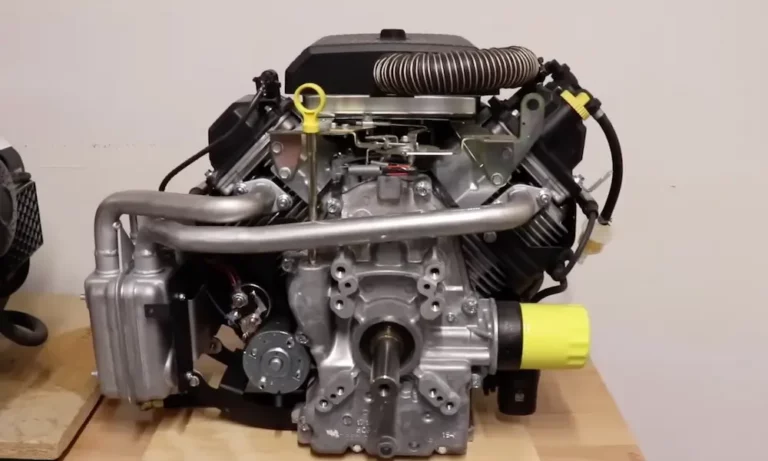
What makes them different? Cast iron cylinder liners, overhead valve design, and cooling systems that actually work. The pistons are almost twice as thick as competing Briggs models (0.45 inches versus 0.25 inches). Thicker pistons mean they handle heat better and last longer.
The Command Pro engines also feature larger valves for better airflow and precision-machined components throughout. You can get them with Electronic Fuel Injection (EFI) too, which means easier starting and better fuel economy.
Here’s the catch: they cost more upfront. But if you’re running equipment commercially or just want something that’ll last, they’re worth it.
Command Series: Solid for Homeowners
The standard Command series sits in the sweet spot for residential users. You get reliable performance without the commercial price tag.
These engines use the same overhead valve design as the Pro models, just without the premium materials. It’s like buying a well-built sedan instead of a luxury car—it’ll get you there reliably, just without all the extras.
Homeowners consistently report 18+ years of reliable service with proper maintenance. Professional techs say you can expect 1,500-2,000 hours before major issues crop up.
That’s plenty for a residential lawn. Unless you’re mowing an estate, you’ll probably get bored of your mower before the engine quits.
7000 Series: Proceed with Caution
Kohler introduced the 7000 series to fix problems from their terrible Courage line while keeping prices competitive. They borrowed some design elements from the Command series, which helps.
But here’s the reality: these engines need more attention than Command models. Professional mechanics report ignition coil failures around 300-400 hours. Valve cover leaks are common too.
For residential use on a budget? They’ll work. Just don’t expect Command-level reliability. You’ll probably deal with more frequent repairs, especially as the engine ages.
One mechanic put it bluntly: “They’re okay for homeowners who don’t put a lot of hours on their equipment. Anything else, step up to a Command.”
Courage Series: Just Say No
Let’s be direct here: avoid Courage series engines completely. The single-cylinder models have earned their terrible reputation honestly.
Head gasket failures, cracked blocks, warped valve covers—the Courage series suffers from all of it. Kohler cut too many corners trying to compete on price.
Some twin-cylinder Courage models perform better, but why gamble? There are too many good alternatives to risk your money on an engine with known reliability problems.
If you’re looking at used equipment with a Courage engine, factor in replacement costs. You’ll likely need them sooner rather than later.
Where Kohler Actually Dominates
Lawn mowers get all the attention, but Kohler crushes it in industrial generators and marine applications. This is where the company’s century of experience really shows.
The KD diesel series generators are seriously impressive. They use advanced common rail fuel injection that delivers industry-leading fuel efficiency and reliability. Hospitals, data centers, and disaster relief operations trust these engines to keep running when failure isn’t an option.
For marine use, Kohler engines handle saltwater environments better than most competitors. The corrosion resistance and reliable starting characteristics matter when you’re dealing with harsh conditions. Commercial boat operators report generators running continuously for weeks during emergencies without issues.
Kohler’s PowerBoost technology lets generators handle big starting loads like AC systems without voltage drops. If you’ve got sensitive electronics, that’s crucial.
| Application Type | Recommended Kohler Series | Expected Performance |
|---|---|---|
| Commercial Landscaping | Command Pro with EFI | 2,000+ hours, excellent durability |
| Residential Premium | Command Series | 1,500-2,000 hours, reliable long-term |
| Budget Residential | 7000 Series | Acceptable with more maintenance |
| Industrial Backup Power | KD Diesel Series | Critical-grade reliability |
| Marine Generators | Marine Series | Superior corrosion resistance |
Keeping Your Kohler Running
Maintenance schedules vary by series, but oil changes every 100 hours are standard. Air filters need attention every 25-50 hours depending on dust conditions. Spark plugs should be replaced every 500 hours.
Here’s a money-saving tip: Command Pro engines using Kohler PRO oil can stretch oil changes to 300 hours. That’s a big deal if you’re running commercial equipment.
The most critical daily check? Oil level. Seriously, it takes 30 seconds and prevents most catastrophic failures. Clean air filtration comes in second—a clogged filter kills engines fast in dusty conditions.
Use ethanol-free fuel when possible. Modern small engines don’t love ethanol, and it causes more problems than it’s worth. Keep the cooling fins clean too. Overheating is the enemy.
Well-maintained Command engines routinely hit 1,500-2,000 hours in commercial use, with some exceeding 3,000 hours before major overhauls. Residential applications last even longer because you’re not running them hard every day.
Warranty and Long-Term Support
Kohler provides decent warranty coverage that varies by engine type. Diesel engines get 3-year/2,000-hour coverage with extended protection on major components up to 6,000 hours. Residential gas engines typically carry 2-3 year warranties, while commercial applications get 1-year coverage.
The company maintains a solid dealer network for service and parts. But remember that corporate restructuring? It’s raised questions about long-term parts availability for older models.
Emissions-related components get separate warranty coverage meeting EPA requirements. Some parts are warranted until their first scheduled replacement, which can extend protection significantly.
How Kohler Stacks Up Against Competitors
Ask professional landscapers to rank engine brands, and you’ll hear the same answer: Kawasaki first, Kohler Command/Command Pro second, Briggs & Stratton third.
Kawasaki engines generally last longer and need fewer repairs. Their bearing-supported crankshafts and consistent quality control give them an edge. But Kawasaki charges premium prices.
Kohler Command engines offer excellent durability at lower initial cost than Kawasaki. Parts pricing is competitive too. It’s a value play that actually works.
Compared to Briggs & Stratton, Kohler Command models win handily. The internal components are simply better built—thicker pistons, larger valves, superior cooling. Briggs focuses on the budget market, and it shows.
Making the Right Choice for Your Needs
So are Kohler engines good? Here’s the straight answer:
Buy Command or Command Pro series—they’re legitimately excellent engines that’ll serve you well for years. Command Pro for commercial use, standard Command for residential.
7000 series engines work for light residential use if budget is tight. Just know you’re accepting more frequent maintenance and shorter lifespan.
Avoid Courage series entirely—too many reliability problems to justify the savings.
For commercial applications where downtime costs you money, Kawasaki engines remain the gold standard. But Kohler Command Pro offers competitive performance at lower cost. The choice often comes down to dealer support in your area.
| Your Situation | Best Choice | Why |
|---|---|---|
| Pro landscaper | Command Pro or Kawasaki | Maximum durability justifies higher cost |
| Serious homeowner | Command Series | Sweet spot of quality and value |
| Tight budget | 7000 Series | Acceptable if you do basic maintenance |
| Any commercial use | Never Courage | Reliability matters more than savings |
The Bottom Line
Kohler’s quality hierarchy matters more than the brand name. Command and Command Pro engines represent excellent value in their respective markets. They’re well-engineered, properly built, and backed by decades of refinement.
The 7000 series provides acceptable residential performance with compromises. The Courage series should be avoided—no exceptions.
Don’t forget about the 2024 corporate changes. The focus seems to be shifting toward large industrial generators, which might impact small engine development. Consider this if you’re buying equipment you plan to keep for 15-20 years.
For critical commercial applications requiring maximum uptime, Kawasaki engines still win. But Kohler Command Pro engines deliver competitive performance at lower initial investment.
Success with Kohler engines comes down to three things: picking the right series for your application, maintaining it properly, and setting realistic expectations. Get those right, and a Kohler engine can provide many years of reliable service.