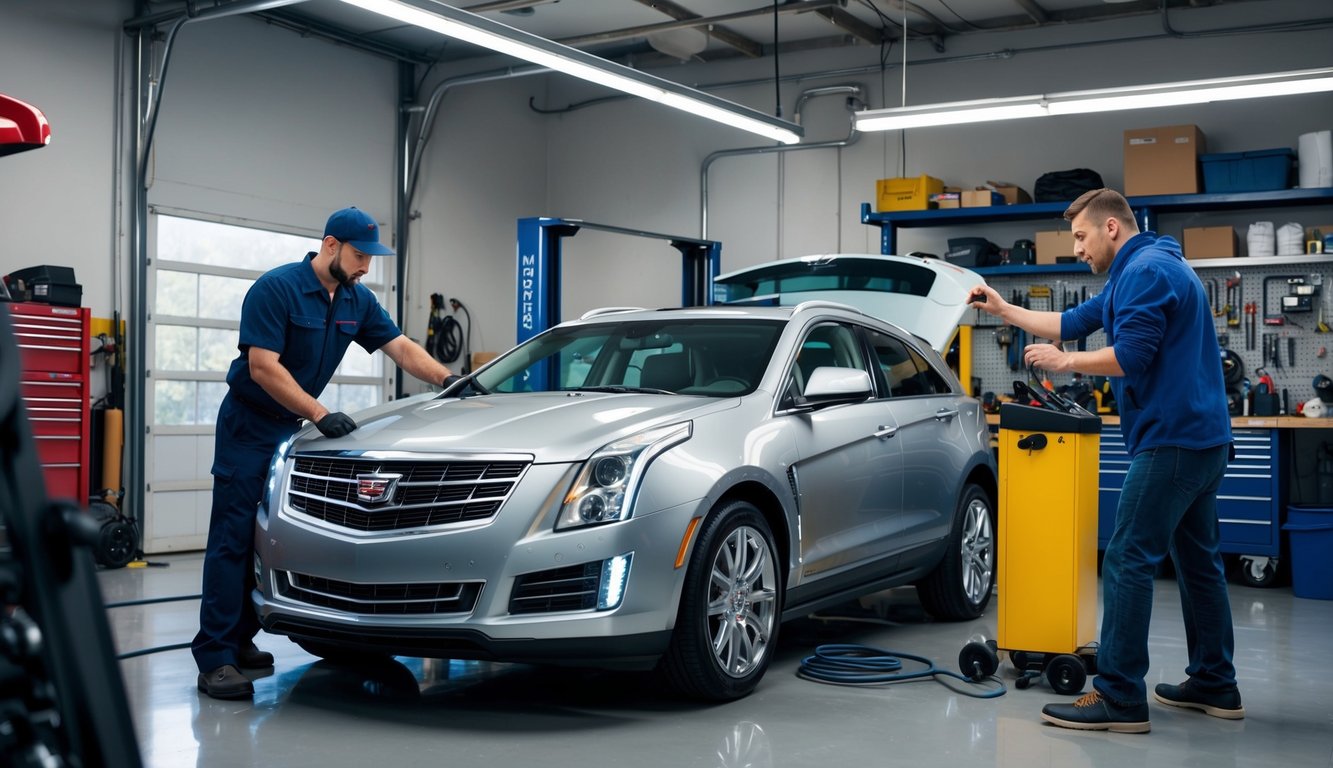
Experiencing issues with the Service Stability System in your Cadillac Escalade can be frustrating, especially when it affects your driving comfort and handling. The Stability Control system is key to maintaining your vehicle’s control on slippery surfaces, ensuring a smooth driving experience. If you’re looking for solutions to this problem, you’re in the right place. Keep reading to learn more about how this system works and how to address any related concerns.
Understanding the Stability System
The stability system in your Cadillac Escalade, often referred to as StabiliTrak or Electronic Stability Control, is designed to enhance vehicle stability and safety. It primarily uses a network of sensors and control units to ensure safe driving conditions, even in challenging environments.
Components of the Service Stability System
The service stability system in your Escalade includes several critical components. Steering Wheel Position Sensor helps in detecting the angle and position of the steering wheel. This information is crucial for determining the direction of travel.
Yaw Sensor measures the vehicle’s rotation around its vertical axis. This sensor helps detect skidding or sliding tendencies. Wheel Speed Sensors in each wheel monitor the speed and relay this data to the control unit.
Electronic Control Unit (ECU) acts as the brain of the system, processing data from all sensors. This helps the system to make adjustments in real-time. The Traction Control component further ensures the wheels have sufficient grip, improving stability during acceleration.
Functionality of Stability Control
Stability control in your Escalade works by automatically adjusting the brake pressure on individual wheels. This helps to maintain the driver’s intended path. During a sharp turn or sudden maneuver, the system minimizes understeer or oversteer, allowing you to remain in control.
StabiliTrak uses real-time sensor data to detect situations where the vehicle might lose traction or stability. It then intervenes by controlling engine power and brake pressure to specific wheels. This enhances safety, especially on slippery surfaces. By maintaining traction and optimal control, this system ensures your driving experience remains smooth and secure.
Common Warning Signs
When your Cadillac Escalade’s service stability system has issues, your dashboard will show warning lights. These lights are crucial to pay attention to for ensuring safety and proper vehicle performance. Understanding what each warning means can help you take the right steps to fix the problem quickly.
Service StabiliTrak Warning
The Service StabiliTrak warning pops up when there’s an issue with your vehicle’s stability control system. This system is designed to help keep your Cadillac steady, especially in slippery conditions. When this warning shows up, it often means there’s a problem with sensors or connections. To address this, you might need to check the wheel sensors or steering wheel position sensor. If not handled, your vehicle may feel less stable when driving.
The most common approach to solving this involves pulling over safely and restarting the engine. This reset may clear the warning. If not, further diagnostic testing might be necessary. System checks will help pinpoint the issue, ensuring your vehicle remains safe to drive.
ABS Light Indicators
The ABS (Anti-lock Braking System) light signals a problem with the brake system in your Cadillac Escalade. The ABS is a feature designed to keep your wheels from locking up when you brake hard. If this light comes on, it might be due to worn brake pads, low brake fluid, or faulty sensors. These issues can affect braking performance, making it important to address them quickly.
Checking the brake fluid level is a good first step if you see this light. It’s also wise to inspect the condition of your brake pads. A professional should handle any persistent ABS issues, as they have the tools needed to fix the system safely.
Traction Control Alerts
Traction control alerts indicate that there’s a problem with maintaining your Cadillac’s grip on the road. Usually, these warnings come on due to malfunctioning sensors. The traction control system works alongside your stability system to improve safety, especially on wet or icy roads.
Sometimes, the traction control might be manually turned off, which can cause the warning light to come on. You can check the control settings first to see if that’s the case. If turned on but the light stays, a diagnostic test could be necessary to isolate the issue. Accurate diagnostics can help restore your vehicle’s traction performance.
Causes of Service Stability System Alerts
When your Cadillac Escalade displays a “Service Stability System” alert, it means that something in the vehicle’s stability system is not working correctly. These alerts can be caused by a variety of issues, most commonly related to sensors and brake fluid levels.
Faulty Wheel Speed Sensors
Wheel speed sensors are crucial for the proper functioning of the stability system. They measure the speed of each wheel and send this data to the vehicle’s computer. If a sensor is faulty, it can lead to inaccurate readings.
Inaccurate data can trigger the stability system alert, as the system may wrongly interpret these signals as a malfunction. Regular checks of the sensors can help you catch problems early. Make sure these sensors are clean and free of debris since dirt can hinder their performance.
Low Brake Fluid Issues
The stability system relies on the braking system to function effectively. Low brake fluid can lead to reduced braking power and cause the vehicle to lose stability. When the brake fluid levels drop too low, it can trigger the service stability system warning.
To prevent this issue, regularly check your brake fluid levels and ensure they are adequate. It’s a simple task that can save you from larger problems, such as brake failure or reduced vehicle control.
Steering Wheel Position Sensor Calibration
The steering wheel position sensor tracks the angle of your steering wheel, informing the stability system about your driving direction. If this sensor is not properly calibrated, it might provide incorrect data to the stability system.
Incorrect calibration can mislead the stability control, causing the alert to appear. Periodic recalibration can help maintain accurate readings. If you notice unusual steering behavior along with the alert, it may be time to have this sensor inspected.
Yaw Sensor Complications
The yaw sensor measures your vehicle’s rotational movement. It’s essential for detecting skidding or slipping situations. If there’s an issue with the yaw sensor, it can cause the stability system to behave erratically.
Problems with the yaw sensor can result from electronic malfunctions or physical damage. Routine diagnostic checks can identify these issues before they escalate. Ensuring that this sensor is in good condition can help maintain the smooth operation of your stability system.
Troubleshooting Techniques
When dealing with the “Service Stability System” warning in your Cadillac Escalade, there are a few key areas to focus on: error codes, sensor checks, and brake system inspection. Addressing these components can help you find and fix the issue quickly.
Interpreting Error Codes
The first step in troubleshooting is to read the error codes from your vehicle’s computer. Use an OBD-II scanner to access these codes. They can pinpoint issues in the ABS system or defects in the wheel speed sensors.
Look for codes related to the stability or traction control systems. These codes usually start with “C” and can help diagnose the problem. Once you have the error code, consult a reliable source or manual to find its meaning and possible solutions.
DIY Sensor Checks
Your vehicle may experience issues due to faulty wheel speed sensors. You can inspect these sensors on your own as long as you feel comfortable working with car parts.
Start by locating the wheel speed sensors, usually found near the brake assemblies. Check for visible damage or dirt build-up. If needed, clean them with a soft cloth. Use a multimeter to verify they are working correctly. If the readings are off, you might need to replace them.
Brake System Inspection
Low brake fluid or malfunctioning parts in the brake system can also trigger the “Service Stability System” warning. Begin by checking your brake fluid levels, ensuring they meet the recommended levels.
Inspect the brake hardware and have a close look at the brake lines and ABS pump. Look for leaks or signs of wear that could affect performance. These checks can help you identify if the issue lies within the braking system, allowing you to address them efficiently.
Maintaining Your Cadillac’s Stability System
Keeping your Cadillac’s stability system in top shape is key to a smooth and safe drive. Regular maintenance can help spot issues early. This way, you can avoid bigger problems down the road.
Focus on your wheel speed sensors. These sensors monitor how fast your wheels spin. If they’re not working right, the stability system might not function properly. Simply cleaning them can sometimes solve minor issues.
Steering wheel sensors are also vital. They track the angle of your steering wheel and help keep your vehicle heading in the right direction. If you notice any steering problems, it might be time to check these sensors.
ABS sensors work together with the stability system by managing the anti-lock brakes. Often, a warning light on your dashboard signals an issue. Address these alerts promptly to ensure your brakes work when you need them most.
Here’s a quick checklist for your Cadillac:
- Clean and inspect wheel speed sensors
- Check and adjust steering wheel sensors
- Test ABS sensors for errors
A visit to your mechanic for regular check-ups can be beneficial. They can run diagnostics on your entire system and make sure everything’s in tip-top shape. Regular checks can save you a lot of stress and help keep your Cadillac running smoothly.