Ever turned your car off only to discover your key won’t budge from the ignition? It’s a problem that happens to millions of drivers each year, often at the worst possible moment. Whether you’re running late for work or trying to get home after a long day, a trapped key can throw your entire schedule into chaos. The good news? Most stuck key situations can be resolved quickly with the right approach.
Why Car Keys Get Stuck in the Ignition
When you insert your key into the ignition, you’re engaging with a complex system of mechanical pins and electronic components. Several common issues can cause your key to become trapped:
Transmission Not Fully in Park
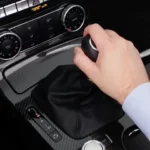
The most frequent culprit in automatic vehicles is a safety feature designed to prevent you from removing your key unless the car is securely in Park. If your gear selector isn’t completely clicked into the Park position, the ignition system won’t release your key.
“It’s a safety mechanism that’s actually doing its job,” explains automotive expert Jason Miller. “The car wants to make sure you don’t accidentally leave it in gear when you walk away.”
Try this: While pressing the brake pedal, move your shifter firmly into Park, making sure it clicks fully into position. Sometimes the shifter can rest between gear positions, triggering the safety lock.
For manual transmissions, make sure your car is in Neutral before attempting to remove the key.
Steering Wheel Lock Engaged
Another common cause is the steering wheel lock – a theft-prevention feature that activates when you turn the wheel after shutting off the engine. This creates tension in the steering column that prevents the key from turning back to the OFF position needed for removal.
Try this: Gently turn the steering wheel left and right while simultaneously applying light pressure to the key. Don’t force it! The goal is to release the tension in the steering lock mechanism.
Dead or Weak Battery
Modern vehicles rely on electrical power to operate ignition interlock systems. If your battery is dying or dead, these electronic components might not receive enough power to release the key cylinder.
Signs of a weak battery include:
- Dim dashboard lights
- Slow or failed engine cranking
- Electronic features not working properly
Try this: If other electrical components seem sluggish, try jump-starting your vehicle or charging the battery before attempting key removal again.
Worn or Damaged Ignition Cylinder
Over time, the internal components of your ignition cylinder can wear down from regular use. The pins and springs inside the cylinder might become misaligned or sticky, preventing smooth operation.
According to RepairPal, ignition cylinders typically last between 10-15 years before showing signs of wear, though this varies greatly depending on usage patterns and environmental conditions.
Debris or Contamination
Something as simple as dirt or sticky residue on your key can transfer to the ignition cylinder and cause binding. Keys used to open packages or tape often collect adhesive that gets deposited inside the lock mechanism.
Step-by-Step Troubleshooting Guide
When your key refuses to come out, work through these solutions systematically:
1. Verify Your Transmission Position
For automatic transmissions:
- Press firmly on the brake pedal
- Move the shifter all the way into Park until you feel it click
- Wiggle the shifter slightly to ensure it’s fully engaged
- Try turning the key to the OFF position, then remove
For manual transmissions:
- Make sure the shifter is completely in Neutral
- Try moving the shifter slightly while attempting to remove the key
2. Release the Steering Wheel Lock
- Gently turn the steering wheel left and right (about 1/4 turn in each direction)
- While turning the wheel, apply light pressure to the key, turning it toward the OFF position
- Continue this rocking motion until you feel the steering lock release
- Once released, turn the key to OFF and remove it
Remember, never force the steering wheel or key, as this can break components and lead to expensive repairs.
3. Check Your Battery and Electrical System
If the previous steps don’t work, your battery might be the issue:
- Check if dashboard lights appear dim
- Try starting the car – if it cranks slowly or doesn’t start, battery power may be insufficient
- Jump-start the vehicle or charge the battery
- With the engine running, try turning it off and removing the key
- If the key now releases, have your battery tested as soon as possible
4. Apply Proper Lubrication
If mechanical binding is the issue, lubrication might help:
- Use only graphite-based lubricant or powdered graphite (NEVER use oil-based products like WD-40)
- Apply a small amount to the key itself
- Insert and remove the key several times to distribute the lubricant
- Gently jiggle the key while applying slight pressure toward the removal position
A smart tip: If you don’t have graphite lubricant, rub a pencil lead on your key to create a thin coat of graphite.
What to Do When Your Key Breaks in the Ignition
If part of your key snaps off inside the ignition, the situation becomes more urgent:
- Stop all attempts to start the vehicle immediately
- Never try to fish out the broken piece with pliers, tweezers, or other improvised tools
- Take photos of the situation for insurance purposes
- Call a professional automotive locksmith
Attempting DIY extraction of broken keys often pushes fragments deeper into the cylinder, making professional removal more difficult and expensive.
Cost of Professional Help for Stuck Keys
When DIY methods fail, professional help becomes necessary. Here’s what to expect cost-wise:
| Service Type | Average Cost Range | Typical Wait Time | Notes |
|---|---|---|---|
| Mobile Locksmith | $80-$200 | 30-60 minutes | Most cost-effective option for key extraction |
| Emergency After-Hours Service | $150-$400 | 1-2 hours | 50-100% premium for nights/weekends |
| Ignition Cylinder Repair | $100-$300 | 1-3 hours | For repairable cylinders |
| Complete Cylinder Replacement | $250-$930 | 2-4 hours | Parts and labor included |
| Dealership Service | $400-$1,200+ | By appointment | Highest cost but factory-certified parts |
According to J.D. Power, mobile locksmith services offer the best value for most stuck key situations, with technicians able to extract keys without damaging the ignition in most cases.
Preventing Future Key Problems
The best solution is preventing the problem in the first place:
Regular Key and Ignition Maintenance
- Inspect your keys monthly for signs of wear, bending, or damage
- Clean keys regularly with a soft cloth to remove dirt and residue
- Replace worn keys before they cause cylinder damage
- Have ignition systems inspected during regular vehicle maintenance
Proper Key Handling Habits
- Avoid heavy keychains that stress the ignition cylinder while driving
- Never force a key that feels stiff or resistant
- Don’t use your car key to open packages or cut tape
- Store keys away from extreme temperatures and moisture
Environmental Protection
- Apply lock de-icer in winter to prevent freezing
- Use corrosion inhibitors in coastal areas to protect against salt damage
- Keep electronic key fobs protected from extreme temperatures
Warning Signs to Watch For
Don’t ignore these early indicators of potential ignition problems:
- Keys that require jiggling or extra force to turn
- Intermittent starting issues
- Keys that stick momentarily before releasing
- Visible wear on key teeth or shaft
- Grinding or clicking sounds when turning the key
Emergency Solutions When You’re Stranded
If you’re stuck somewhere unsafe or have an urgent need to leave your vehicle:
Check for Manual Release Buttons
Some vehicles have emergency key release buttons located near the ignition cylinder. These small buttons can be pressed with a pen or similar tool to override the electronic lock.
Check your owner’s manual for vehicle-specific emergency procedures – many manufacturers provide alternative methods for key removal in urgent situations.
Temporary Battery Boost
If a dead battery is preventing key release:
- Use jumper cables to connect to another vehicle’s battery
- Allow the battery to receive charge for 5-10 minutes
- Try the key removal process again with the added power
Last Resort: Call for Help
If all else fails and you need to leave your vehicle:
- Ensure the car is securely parked with the parking brake engaged
- Lock other doors if possible
- Call roadside assistance or a locksmith
- If in an unsafe location, consider calling police to monitor your vehicle
The Technology Behind Modern Ignition Systems
Understanding how your car’s ignition works can help you troubleshoot more effectively:
Modern vehicles use a combination of mechanical and electronic systems:
- Mechanical cylinder: Contains spring-loaded pins that must align with your key’s cuts
- Electronic immobilizer: Reads a chip in your key to allow engine starting
- Shift interlock: Prevents key removal unless transmission is in Park
- Steering column lock: Anti-theft device that locks steering when key is removed
When any of these components malfunction or become misaligned, your key can become trapped. The systems are deliberately designed to fail in the “safe” position – keeping your key locked in rather than allowing potential unsafe conditions like removing the key while in drive.
According to Your Mechanic, ignition problems often develop gradually, with symptoms becoming more frequent over time before complete failure occurs.
When DIY Isn’t Enough: Professional Repair Options
Sometimes, a stuck key indicates a deeper issue requiring professional attention:
Mobile Locksmith Services
Professional automotive locksmiths offer several advantages:
- Come to your location, eliminating towing costs
- Specialize in non-destructive key extraction
- Often more affordable than dealerships
- Can usually provide replacement keys on-site
Dealership Service Department
Consider dealership service when:
- Your vehicle has advanced anti-theft systems
- Key programming is required
- You need to maintain warranty coverage
- The problem involves electronic components beyond the mechanical cylinder
Independent Repair Shops
Many independent mechanics can handle ignition repairs at lower costs than dealerships. Look for shops with:
- ASE certification
- Experience with your specific make and model
- Good reviews for electrical and ignition system work
- Warranty on parts and labor
Remember that attempting complex ignition repairs yourself can lead to more expensive damage, particularly on newer vehicles with integrated electronic systems.
Dealing with a key stuck in your ignition might feel like a major crisis in the moment, but with these systematic troubleshooting steps, you can often resolve the issue quickly and get back on your way. Remember to stay calm, work through the possible causes methodically, and never force components that resist movement. When in doubt, professional help is just a phone call away.