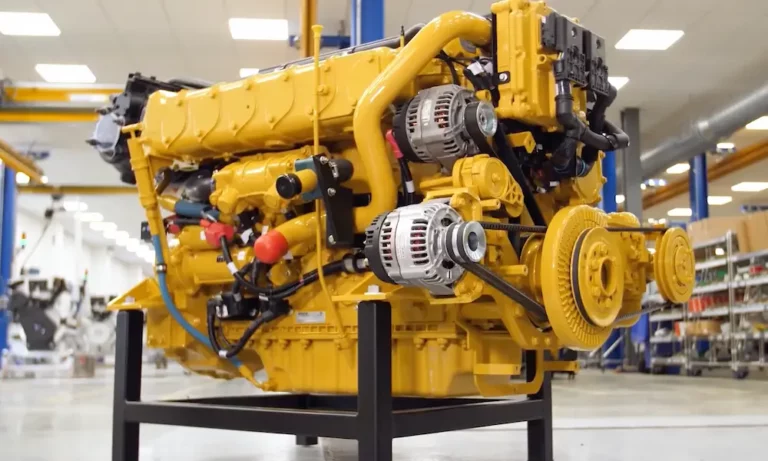
The Cat C7 engine is a popular diesel engine found in many RVs, trucks, and heavy machinery. While it’s known for its power and reliability, you might face some common issues that need attention.
The Cat C7 engine typically lasts between 200,000 to 300,000 miles when properly maintained, but it can experience valve problems and fuel system issues that affect performance. These problems are often fixable with the right knowledge and maintenance approach.
If you’re dealing with Cat C7 engine troubles, you’re not alone. Many owners have faced similar challenges, and with proper diagnosis and repairs, you can get your engine running smoothly again.
Understanding the Cat C7 Engine
The Cat C7 engine combines advanced emissions technology with reliable performance features. This medium-duty diesel engine works hard while meeting strict emissions rules.
Overview of ACERT Technology
ACERT (Advanced Combustion Emissions Reduction Technology) is Caterpillar’s special system to control emissions. Your C7 engine uses this tech to burn fuel more cleanly.
The system works by carefully timing fuel injection and controlling air flow. This helps your engine meet tough emissions standards.
ACERT uses multiple injection events per cycle instead of one big injection. This creates better combustion and fewer harmful emissions.
Maintenance Requirements
Your C7 needs regular oil changes every 15,000 miles under normal conditions. Clean oil keeps your engine running smoothly.
You’ll need to check and clean the Diesel Particulate Filter (DPF) regularly. A clogged DPF can hurt engine performance.
The fuel filters need changing at set intervals. Bad fuel quality can damage your injection system.
Watch these key maintenance items:
- Air filters (check monthly)
- Coolant levels (check weekly)
- Belt tension (inspect every 1,000 hours)
- Fuel-water separator (drain daily)
Design Features
Your C7 engine puts out between 210-360 horsepower, perfect for medium-duty work. The engine block is made from strong cast iron for durability.
The electronic control module manages all engine functions precisely. This helps balance power and fuel economy.
Key design elements include:
- Electronic unit injectors
- Cross-flow head design
- Steel-crown pistons
- Wet-sleeve cylinder liners
These features help your C7 deliver reliable power while protecting against wear.
Common Engine Problems
The Cat C7 engine experiences several important mechanical issues that affect its performance and reliability. These problems range from cooling system failures to fuel delivery complications.
Overheating Issues
Overheating problems in Cat C7 engines often start with coolant leaks from damaged gaskets or cracked cylinder heads.
Your engine’s temperature gauge reading above 210°F (99°C) indicates possible cooling system failure.
Watch for these warning signs:
- Steam from the engine bay
- Sweet-smelling coolant leaks
- High temperature gauge readings
- Reduced engine power
Regular checks of coolant levels and hose conditions can prevent major damage.
Fuel System Challenges
The fuel injection system frequently develops issues with its high-pressure components.
Your injectors might need attention if you notice:
- Rough idling
- Black exhaust smoke
- Poor fuel economy
- Hard starting
The common rail system operates at extremely high pressures, making it sensitive to contamination. Changing fuel filters regularly helps prevent clogging and injector damage.
Oil System Irregularities
Oil-related problems often show up as leaks around the front and rear main seals.
Signs of oil system problems include:
- Oil spots under the engine
- Low oil pressure warnings
- Excessive oil consumption
- Smoky exhaust
Check your oil level every week and look for dark or contaminated oil, which signals internal wear.
Air Intake Complications
Turbocharger inlet clogging creates performance issues in many C7 engines.
Common air intake symptoms include:
- Loss of power
- Excessive black smoke
- Whistling sounds
- Poor acceleration
Clean or replace your air filter regularly to protect the turbocharger and engine components.
Exhaust Difficulties
The diesel particulate filter (DPF) often clogs, reducing exhaust flow and engine performance.
Watch for these exhaust system red flags:
- Check engine light
- Reduced power
- Increased fuel consumption
- White or black exhaust smoke
Regular DPF regeneration cycles help prevent buildup and maintain proper exhaust flow.
Reliability and Performance
The Cat C7 engine delivers solid performance in many work environments, though its reliability depends heavily on proper maintenance and the manufacturing year. Your experience with this engine will vary based on several key factors that affect its longevity and efficiency.
Engine Durability
The pre-2006 C7 engines showed excellent reliability when maintained properly. You can expect these engines to run for 500,000 miles or more with regular service.
Regular valve maintenance is crucial for your engine’s lifespan. The injection actuation pressure control valves (IAPCV) need frequent attention, as they’re prone to wear.
Your C7 engine will last longer if you follow the maintenance schedule and address small issues before they become major problems.
Fuel Efficiency and Power
The C7 engine produces between 210-360 horsepower, making it suitable for various applications. Your fuel consumption will typically range from 8-12 mpg, depending on load and driving conditions.
The engine performs best with proper fuel system maintenance. Clean filters and high-quality fuel help maintain optimal efficiency.
Watch for signs of poor fuel economy, as this can indicate developing problems with injectors or fuel pressure systems.
Emission Standards Compliance
Your C7 engine meets EPA standards for its production year, though later models faced challenges with the Ultra Low Sulfur Diesel requirements.
The emission control systems need regular checks to stay compliant. Clean exhaust gas recirculation (EGR) systems and replaced filters keep emissions in check.
Pay attention to warning lights and performance changes. These often signal emission control system issues that need prompt attention.
Consider installing updated components if you’re running an older model to improve emissions performance.
C7 Engine Specifics in Different Applications
The Caterpillar C7 engine serves as a versatile power unit across many industries. Its adaptable design lets you match power output to specific work needs.
Commercial Vehicles and Trucks
The C7 engine powers many commercial vehicles, especially Freightliner trucks and motorhomes. In trucks, you’ll find power ratings from 210 to 330 horsepower, perfect for medium-duty delivery and regional hauling.
The engine works well in RVs because it provides steady power for long trips. Your motorhome can handle mountain climbs and highway cruising with equal ease.
Key truck applications include:
- Delivery trucks
- Box trucks
- Dump trucks
- Refuse vehicles
Construction and Mining Equipment
Your construction equipment needs reliable power, and the C7 delivers. It fits perfectly in:
- Backhoe loaders
- Small excavators
- Wheel loaders
- Compact mining equipment
The engine produces different power levels based on your equipment needs. You can expect 230 to 350 horsepower for most construction uses.
Use in Marine and Agricultural Sectors
In boats, your C7 engine needs special cooling systems to handle saltwater conditions. The marine version offers power ratings up to 460 horsepower.
Farm equipment powered by the C7 includes:
- Large tractors
- Combine harvesters
- Irrigation pumps
You’ll appreciate the engine’s ability to handle constant loads in agricultural work. The C7 maintains steady power even during long harvest days.
Advanced Repair and Replacement Options
When your Cat C7 engine needs major repairs, you have several options to restore its performance and reliability. The costs and benefits of each choice depend on your specific situation and budget.
When to Opt for Engine Rebuild
A rebuild makes sense when your engine shows signs of severe wear or has multiple failing components. The typical cost ranges from $20,000 to $25,000 for a professional rebuild.
Your engine might need rebuilding if you notice:
- Excessive smoke from the exhaust
- Loss of compression in multiple cylinders
- Metal particles in the oil
- Failed cylinder head gaskets
Getting a rebuild can give you another 500,000 miles of service with proper maintenance.
Sourcing Replacement Parts
You’ll want to use genuine Caterpillar parts for critical components like the HEUI pump and injection system. These parts ensure the best fit and reliability.
Common replacement parts include:
- Cylinder heads
- Turbocharger components
- Injectors
- Gasket sets
Many parts suppliers offer both new and remanufactured options. Remanufactured parts can save you 30-40% compared to new ones while still providing good reliability.
Expert Assistance and Services
Working with certified Cat technicians gives you access to specialized diagnostic tools and expertise. They can spot issues that might not be obvious to general mechanics.
Look for shops that:
- Have experience with C7 engines
- Use genuine diagnostic equipment
- Offer warranty coverage
- Can provide references
The right repair facility will document all work performed and give you clear explanations of repairs needed.