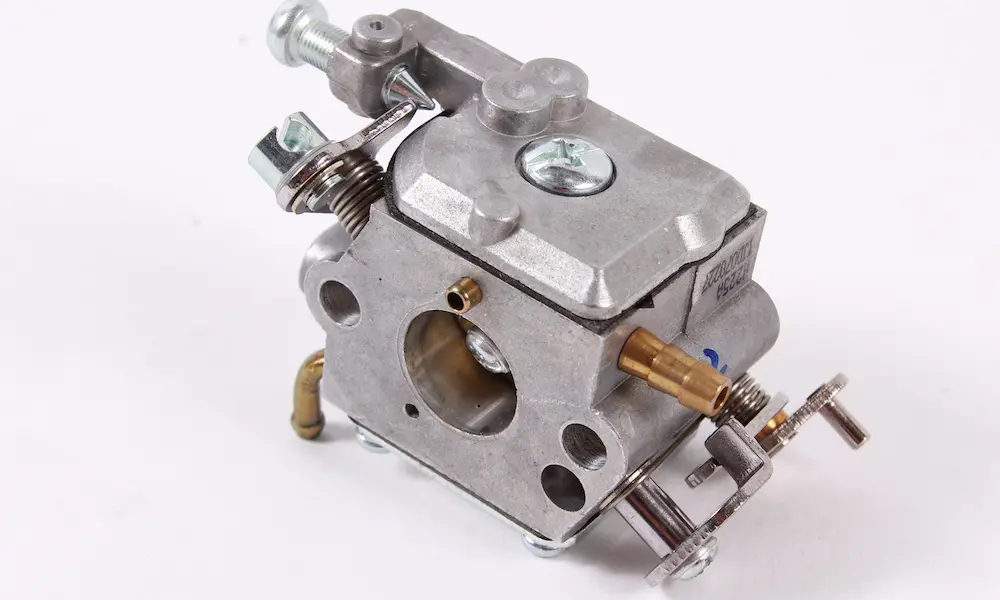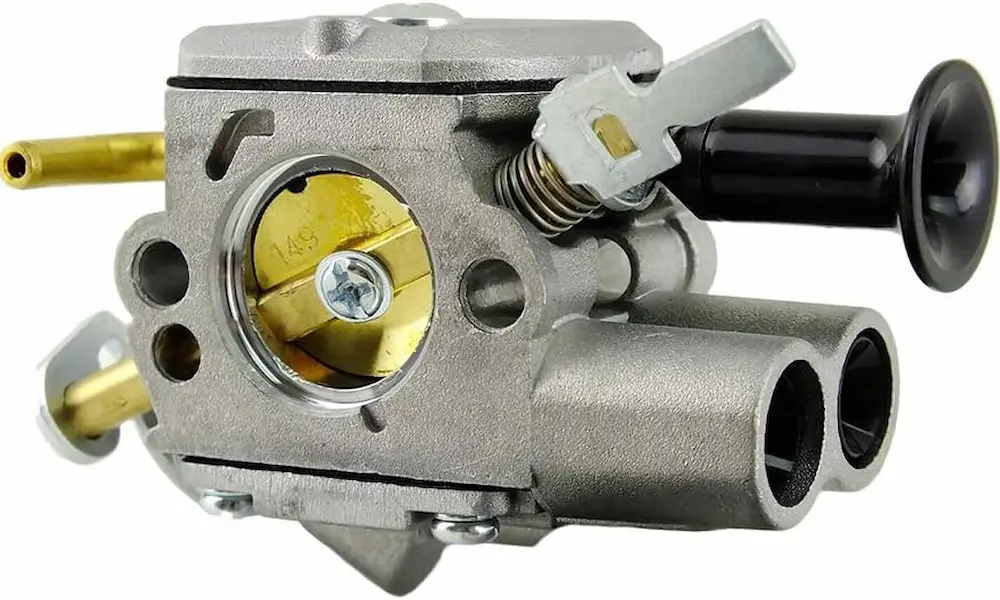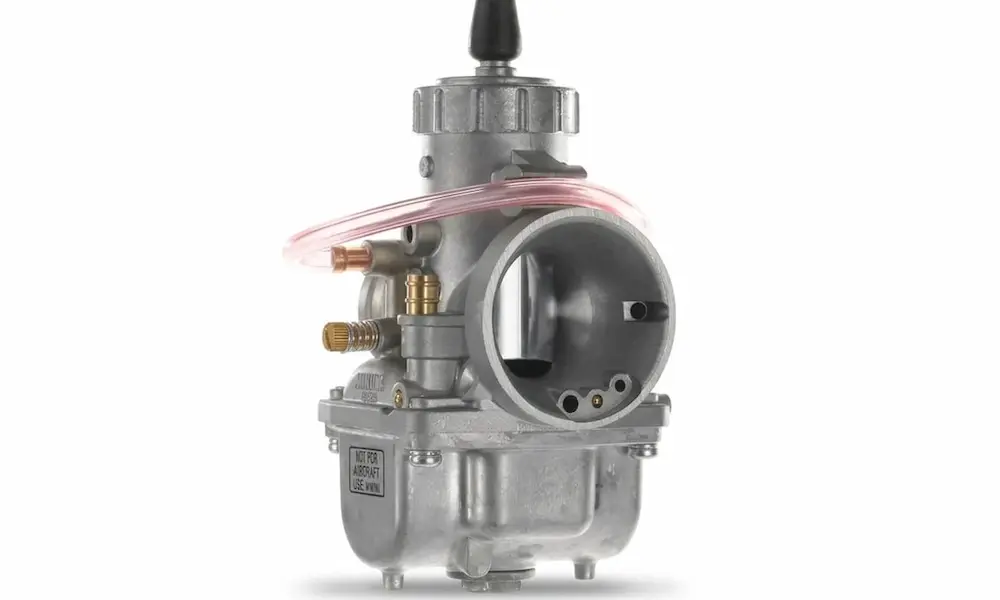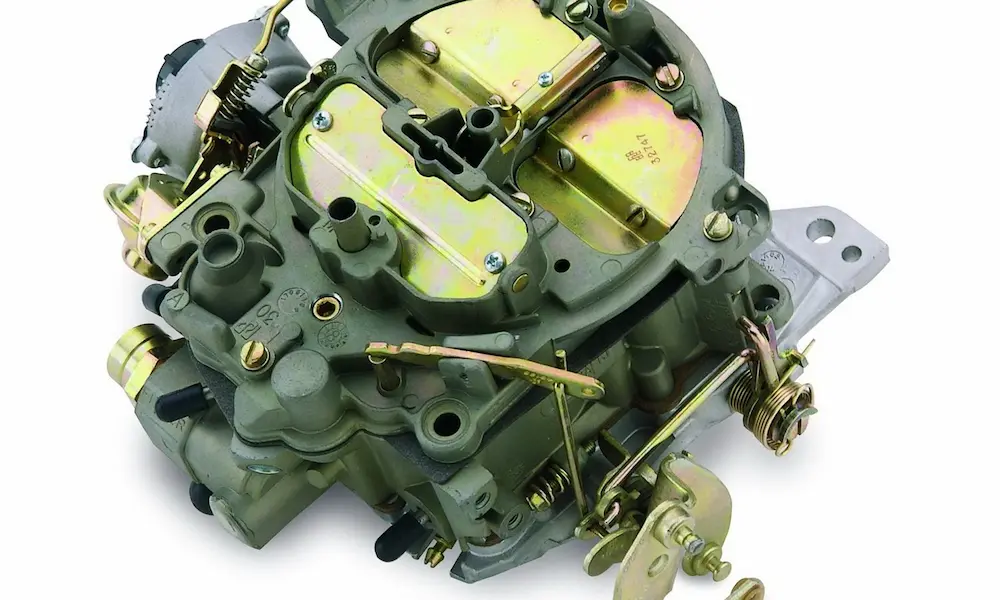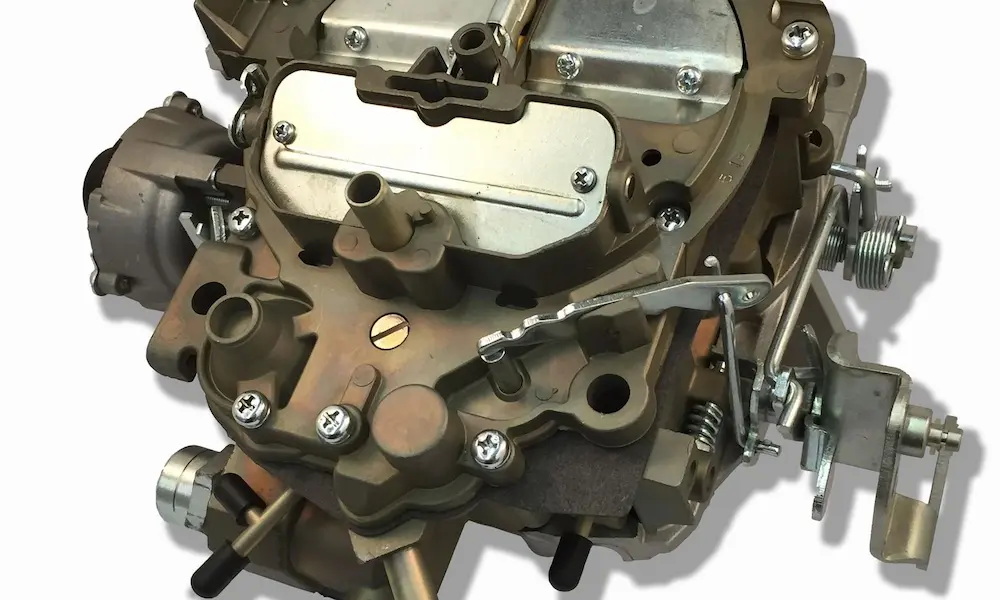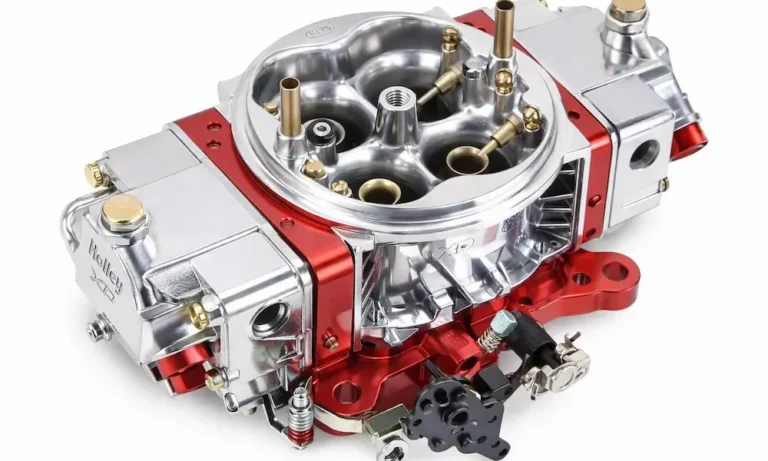
Got a Holley carb that’s running rich, flooding, or stumbling off idle? A proper Holley carburetor rebuild fixes most of these problems. This guide walks you through every step — from identifying your carb to final tuning — so you get it right the first time.
First Things First: Identify Your Holley Carburetor
Before you touch a screwdriver, you need to know exactly what you’re working with. Grab the wrong rebuild kit and you’ll waste time and money.
The Holley List Number is your starting point. It’s stamped on the front of the air horn or choke horn. This number tells you the CFM rating, jet sizes, and power valve specs — everything you need to buy the right parts.
Here’s a quick reference for the most common identification markings:
| Marking | Location | What It Tells You |
|---|---|---|
| List Number | Air horn / choke horn | CFM, jets, power valve specs |
| Date Code | Below list number | Manufacturing era |
| Suffix (e.g., -1, -2) | After list number | Internal engineering revisions |
| Motorcraft Number | Tag under bowl screw | OEM Ford applications |
| Casting Number | Main body or bowls | Raw part ID only — not calibration |
For Ford applications, look for a Motorcraft tag under a float bowl screw instead of a stamped number. Don’t confuse casting marks with spec numbers — they only identify the raw casting, not the finished assembly.
Know Your Model: 4150 vs. 4160
The 4150 and 4160 are the two most common Holley platforms, and they’re not interchangeable in terms of rebuild procedures.
- 4150: Dual metering blocks — one primary, one secondary. Best for high-performance and racing.
- 4160: Primary metering block plus a fixed secondary metering plate. Better suited for street driving and automatic transmissions.
The key practical difference is tuning flexibility. The 4150 lets you jet both sides independently. The 4160 limits you to the primary side unless you swap the metering plate for a full block.
Vacuum secondary models (like the popular 1850) use engine load to open the secondaries gradually. Mechanical secondary “double pumpers” open both sides at once and add a second accelerator pump to prevent lean stumble.
Pick the Right Rebuild Kit
Holley offers three kit types, and choosing the wrong one is a common mistake:
- Fast Kit: Just gaskets and seals. Good for a quick trackside freshen-up.
- Renew Kit: The standard rebuild package. Includes needle and seat assemblies, power valves, and diaphragms. This is what most rebuilds need.
- Trick Kit: Everything in the Renew Kit plus accelerator pump cams, discharge nozzles, and secondary springs. Use this when you want to tune performance alongside the rebuild.
Check your List Number suffix carefully before ordering. Subtle revisions between versions can mean different needle and seat designs, and using the wrong one causes fuel level problems right out of the gate.
Set Up Your Workspace Before Disassembly
A clean, organized workspace saves you from losing tiny parts. Use a work mat with small bins or a muffin tin to sort E-clips, check balls, and springs.
Before you remove anything, index all your idle mixture screws. Turn each one clockwise until it lightly seats, then count the turns it took to get there. Write it down. After reassembly, you’ll return them to this position so the engine starts without a long tuning session.
Disassembly: The Correct Sequence
Disassembly must follow a specific order to avoid damage and reveal why the carb failed in the first place.
Fuel Bowl and Metering Block
Start by removing the four fuel bowl screws in a cross-pattern to prevent warping the gasket flange. Discard the nylon sealing washers — modern ethanol fuel destroys them, and reusing them causes external leaks.
Once the bowl is off, inspect the accelerator pump diaphragm. Ethanol-blended fuel is particularly harsh on older rubber compounds, so expect to replace it.
When separating the metering block from the main body, use a rubber mallet if it’s stuck. A screwdriver will gouge the aluminum sealing surface and create a leak you can’t fix with gaskets.
Use a proper jet driver with a wide flat blade to remove jets — the brass slots strip easily. Use a specialty power valve socket to pull the power valve cleanly.
Secondary System
On 4160 models, the secondary metering plate uses clutch-head screws. A standard flathead will strip them. Use the correct bit.
Inspect the O-rings on the secondary fuel transfer tube. These are a frequent failure point. When they fail, you get an unexplained rich condition at idle that mixture screws can’t fix.
Throttle Body Separation
Remove the throttle body from the main body last. Inspect the gasket interface for wicking — fuel that’s soaked past the gasket indicates a warped baseplate or under-torqued fasteners from the previous assembly.
Chemical Cleaning: How to Do It Right
Varnish — the gummy residue from oxidized gasoline — blocks air bleeds and emulsion tubes. It’s often the root cause of idle and off-idle problems.
Use a professional-grade solvent like Berryman Chem-Dip for soaking. Keep soaking time reasonable — too long damages the dichromate finish and can attack non-removable O-rings in some bowl designs.
Critical rule: Never put rubber or plastic in the solvent bath. That includes vent whistles in metering blocks and Teflon ribbons on throttle shafts.
After soaking, rinse with hot water and blow dry with compressed air. Keep air pressure regulated — Holley main bodies have internal passages sealed with pressed-in lead plugs. High-pressure air can blow these out permanently, ruining the main body.
Verify every passage is clear, including:
- Idle feed restrictions (IFR)
- Idle air bleeds
- High-speed air bleeds
A blocked high-speed air bleed causes the main circuit to activate too early, making the engine run rich at cruise.
Inspection: What to Check Before Reassembly
Baseplate Flatness
Lay a machinist’s straightedge diagonally across the baseplate and check for gaps with a feeler gauge. The professional standard is to address any warpage beyond 0.002 inches. Resurface with a hand file in a fixture — never use a power sander or bench grinder.
Throttle Shaft Wear
Worn throttle shaft bores create an elliptical gap that lets unmetered air into the intake. This acts as a vacuum leak that mixture screws can’t compensate for. If lateral play exceeds 0.005 inches, re-bush the throttle body with brass or bronze bushings.
Float Condition
Shake brass floats — liquid sloshing inside means they’re compromised. Check Nitrophyl foam floats for weight, not just appearance. A heavy foam float sits low, holds the needle open too long, and causes chronic flooding.
Key Upgrades to Install During the Rebuild
Power Valve Blowout Protection
Engines with aggressive camshafts can backfire through the intake. On carbs made before 1992, this pressure spike ruptures the power valve diaphragm. The power valve check ball kit installs a one-way check ball in the vacuum passage. It lets vacuum pull the valve shut normally but slams closed to block backfire pressure.
This is a simple upgrade that prevents one of the most common post-rebuild failures.
Reassembly: Where Most Rebuilds Go Wrong
Gasket Alignment
Match new gaskets exactly to the old ones. A gasket with a slightly offset idle feed hole can block the transition circuit and cause a massive off-idle stumble. Holley has produced hundreds of gasket variations over the decades, so this matters.
If a new gasket is slightly oversized, trim the ends carefully with a utility knife to prevent it from bunching up and blocking passages.
Assembly Sequence and Torque
Assemble the main body to the throttle body with the main body inverted. Install the gasket dry — never use RTV. It will clog the power valve vacuum passage and cause the power valve to stay open permanently.
Here are the critical torque specs:
| Fastener | Tool | Torque |
|---|---|---|
| Bowl screws | 5/16″ hex | 25–30 in-lbs |
| Baseplate screws | 3/8″ fillister | 15–20 in-lbs |
| Manifold stud nuts | 1/2″ or 9/16″ hex | 100–120 in-lbs |
| Power valve | 1-inch hex socket | 25–30 in-lbs |
| Discharge nozzle screw | Flat or Phillips | 15 in-lbs |
Tighten everything in a criss-cross pattern to prevent warping.
Accelerator Pump Diaphragm
Install the diaphragm with the center button facing away from the fuel bowl — this engages the pump lever correctly. On vacuum secondary models, use a small vise to hold the diaphragm flat while threading in the cover screws. Pinching the rubber here disables the secondary system entirely.
Bench Calibration Before Installation
Float Level
For non-adjustable bowls, bend the float tang until the float sits parallel to the bowl roof when held upside down. For adjustable units, thread the needle and seat in until roughly half the adjustment threads show — this gives you a safe starting point.
Idle Mixture Baseline
Back idle mixture screws out 1.5 turns from lightly seated. This intentionally rich setting ensures the engine starts without a lean backfire that could damage your new components.
Accelerator Pump Check
At curb idle, there should be zero slack in the pump linkage. At wide-open throttle, confirm at least 1/16-inch of additional pump arm travel remains. If the arm bottoms out at WOT, it tears the diaphragm — which means a fuel leak and potential fire.
Dynamic Tuning After Installation
Wet Float Adjustment
With the engine fully warmed up and on a level surface, remove the sight plugs. Adjust the float level until fuel sits exactly at the bottom edge of the sight hole threads. Too high and the boosters drip at idle, causing richness that mixture screws can’t correct.
Vacuum Secondary Spring Selection
Choosing the right spring determines how quickly the secondaries open. The transition should feel seamless — a noticeable “kick” usually means a lean stumble followed by recovery, not extra power.
| Spring Color | Stiffness | Best Application |
|---|---|---|
| White | Extra light | Lightweight race cars, high-stall converters |
| Yellow | Light | Small-block street performance |
| Purple | Medium-light | Most common performance upgrade |
| Silver | Medium | Factory balanced street driving |
| Brown | Medium-heavy | Heavier vehicles, tall highway gears |
| Black | Heavy | Diagnostics or heavy trucks |
Start with the silver spring. Work lighter from there if the secondaries feel sluggish.
Accelerator Pump Tuning
A stumble or pop through the carb when you floor it means the engine went momentarily lean. Increase the discharge nozzle size by one or two steps. Standard street carbs typically run a 0.025 to 0.031 nozzle. If the stumble persists, try changing the pump cam — position 1 fires the pump earlier in the throttle stroke, which helps engines with low idle speeds.
Troubleshooting Common Post-Rebuild Problems
Rule Out the Engine First
Before you blame the carburetor, check the basics. A carburetor can’t fix burnt valves, worn rings, or retarded ignition timing. Verify fuel pressure is adequate, check for vacuum leaks at external hoses, and confirm ignition advance is properly set. The Holley troubleshooting guide calls this out directly — the carb is often blamed for problems it didn’t cause.
Hot Restart Problems
Strong fuel smell after shutdown combined with a flooded engine on hot restarts? That’s percolation — fuel boiling in the bowls from engine heat. Install a phenolic spacer between the intake manifold and carb to block heat transfer.
Reading Spark Plugs
Plugs don’t lie. Pull them after a few heat cycles and look at the insulator color:
- White or chalky: Running lean — check fuel pressure, filter size, and jet sizing
- Sooty black: Running rich — check float level, power valve, and jets
- Light tan: Right where you want to be
A complete Holley carburetor rebuild isn’t just part replacement. It’s a systematic process of inspection, cleaning, calibration, and tuning. Follow the correct sequence, use the right tools, and pay attention to the details — and your rebuilt Holley will run better than it has in years.