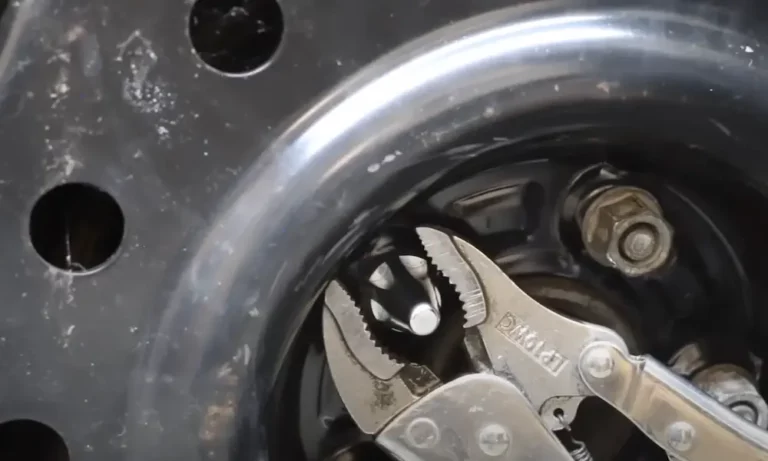
Lost your wheel lock key? You’re stuck with a flat tire or need to rotate your wheels, and that tiny security key is nowhere to be found. Don’t panic—you’ve got options. This guide walks you through five proven methods to remove wheel locks without a key, from simple DIY tricks to professional solutions that won’t trash your wheels.
What Are Wheel Locks and Why They’re Such a Pain
Wheel locks (or locking lug nuts) are specialized security fasteners designed to stop thieves from stealing your wheels. Each wheel typically has one locking lug nut mixed in with the standard ones. The lock features a unique pattern that only matches its corresponding key—like a fingerprint for your wheels.
Here’s the problem: these security devices become massive headaches when you lose the key. Service shops forget to put them back in your glove box. Keys break from over-tightening. Patterns strip and become useless. Suddenly, you can’t change a flat tire or get basic maintenance done without professional help.
The average wheel lock has anywhere from 5 to 43,000 different patterns depending on the manufacturer. McGard, the most common brand for factory-installed locks, uses multiple pattern variations to prevent theft. But this security feature backfires when you’re the legitimate owner who can’t access your own wheels.
The 12-Point Socket Method (Most Popular DIY Approach)
This technique is the go-to method for mechanics and DIY enthusiasts because it works and doesn’t require specialized tools you’ll never use again.
What you’ll need:
- A 12-point socket (one size smaller than your wheel lock, typically 19mm-21mm)
- Heavy-duty hammer or mallet
- Breaker bar (18-24 inches long)
- Penetrating oil (optional but helpful)
Step-by-step process:
Start by selecting your socket. It should be tight—about one size smaller than the wheel lock. A 12-point socket works better than 6-point because it has more contact points to grip the lock.
Position the socket directly on top of the locking lug nut. Make sure it’s perfectly straight—any angle will cause slippage and round off the lock. Now hammer the socket down firmly. You want it seated completely on the lock, creating a tight interference fit.
Attach your breaker bar to the socket. The longer the bar, the more leverage you’ll have. Position yourself so you can push down steadily on the bar. Don’t jerk or pull quickly—smooth, consistent pressure works best.
Turn counterclockwise slowly. You’ll feel resistance at first, then the lock should break free. If it’s not moving after significant force, stop and reassess before you strip it completely.
The aftermath:
You’ll need to knock the lug nut out of the socket afterward. Most mechanics use a bench vise and hammer for this. Fair warning—this method destroys the wheel lock and potentially the socket. Use an old socket you don’t mind sacrificing.
Universal Wheel Lock Removal Tools (The Professional Option)
Professional-grade extraction kits offer a cleaner solution than hammering sockets. These specialized tools feature spiral-grooved sockets with reverse threads that bite into the wheel lock as you turn them.
How they work:
The spiral design creates increasing grip as you apply counterclockwise force. Unlike standard sockets that can slip, these dig deeper into the metal as you turn. They’re effective even on rounded or partially damaged locks.
Using the tool:
Select the remover socket that fits snugly over your wheel lock. Hammer it onto the lock to ensure tight contact. Attach your wrench or breaker bar and turn counterclockwise. The reverse threading does the heavy lifting.
These kits run $30-$100 and include multiple sizes for different wheel lock dimensions. Tire shops and mobile services use these daily because they’re faster and cause less wheel damage than improvised methods.
Many kits include protective sleeves that shield your wheel’s finish during removal—a huge advantage if you’ve got expensive alloy wheels you don’t want to scratch.
Welding Method for Stubborn McGard Locks
When you’re dealing with McGard high-security locks (the ones with spinning collars), standard methods often fail. The outer collar spins freely, preventing you from applying removal torque. That’s when welding becomes your best friend.
What this involves:
You’ll use a MIG or stick welder to weld a sacrificial nut or socket directly onto the locking lug nut. The welding creates a solid connection that stops the collar from spinning.
Critical safety steps:
Protect your wheel surface first. Use a welding blanket with a hole cut for access. Place a copper or aluminum heat sink around the base of the lock. These precautions prevent weld splatter from destroying your wheel’s finish.
Use stainless steel filler wire (309LSi or 312) instead of mild steel. Stainless bonds better to the hardened steel in wheel locks. Mild steel won’t stick properly and you’ll waste time.
Weld your sacrificial nut or socket to the top of the lock. Let it cool slightly, then use a breaker bar to remove it like a standard lug nut. The welded connection prevents the spinning collar from defeating your efforts.
This method requires welding equipment and skill. If you’re not comfortable welding near your wheels, skip this and go straight to professional help.
Getting Professional Help (When DIY Isn’t Worth the Risk)
Sometimes paying a pro is smarter than potentially damaging your wheels or studs. Most tire shops and mechanics remove wheel locks without keys multiple times per week—it’s routine for them.
What professionals have that you don’t:
Many shops own master key sets for common wheel lock brands. McGard master sets contain anywhere from 43,000 different patterns down to simplified 5-pattern sets for specific models. Chances are decent they’ve got your pattern.
They also have years of experience knowing exactly how much force to apply and which method works for which lock type. They’ve seen every situation and know when to stop before causing expensive damage.
Cost breakdown:
| Service Provider | Typical Cost | What’s Included |
|---|---|---|
| Tire shops | $20-$100 | All four wheels, basic removal |
| Mobile services | $25-$60 minimum + $1/mile | Convenience of coming to you |
| Dealerships | $50-$300+ | Varies widely; some free with service |
| Specialty removal services | $80-$150 | Guaranteed no damage to wheels |
Dealerships sometimes offer free removal if you’re already there for service or if you buy replacement lug nuts from them. But watch out for inflated quotes—one person reported a dealership charging $1,250 for a single stuck wheel lock, which is highway robbery unless they had to replace studs or fix damaged wheels.
Mobile services charge travel fees but save you the hassle of getting your car to a shop when you can’t change a tire. For a flat tire situation, that convenience is worth the extra $30-$50.
Finding a Replacement Key (Before You Destroy Anything)
Before you start hammering sockets or calling welders, explore getting a replacement key. It’s cheaper and keeps your existing wheel locks functional.
The security code method:
Most wheel lock manufacturers keep databases of their key patterns. If you have the security code (typically on a card in your glove box or with vehicle paperwork), you can order a replacement key.
McGard replacement keys cost $10-$60 when you provide your code. Order directly from their website or through a dealership. Delivery takes 1-2 weeks typically.
No code? No problem:
Some companies identify your lock pattern from a clear photograph of the locking lug nut still on your wheel. They’ll need proof of vehicle ownership to prevent helping thieves. This service exists but costs more than standard replacement.
Dealerships with master key sets can identify your specific pattern and order the correct replacement. Expect $20-$60 and a 1-2 week wait for the key to arrive.
Alternative suppliers:
Several aftermarket companies offer universal replacement services without requiring security codes. Search for your vehicle make and year plus “wheel lock key replacement” to find options. Prices vary but expect $25-$75 including shipping.
Should You Replace Your Wheel Locks After Removal?
Here’s an unpopular opinion from someone who’s dealt with these things for years: wheel locks cause more problems than they prevent for most drivers.
The case against wheel locks:
Keys get lost constantly. Shops forget to return them to your vehicle after tire rotations or brake jobs. The thin patterns strip easily from over-torquing. If you get a flat tire without your key, you’re paying for an expensive tow instead of changing it yourself.
Worst case scenario—attempted thieves who can’t remove the locking nut sometimes leave your other lug nuts removed out of spite. Now you’re driving around with a wheel held on by three or four nuts instead of five, which creates serious safety concerns about wheel detachment.
When wheel locks still make sense:
You’ve got expensive aftermarket wheels worth several thousand dollars. You live in a high-theft area where wheel theft is common. You’re willing to maintain multiple copies of the key and keep track of them religiously.
For these situations, quality wheel locks from reputable manufacturers like McGard provide real security value. Just buy a complete new set with a fresh key rather than trying to match individual locks to existing patterns.
The replacement options:
Standard lug nuts cost $2-$8 per wheel and eliminate every hassle associated with wheel locks. For factory wheels on most vehicles, the theft deterrent doesn’t justify the inconvenience.
If you’re keeping wheel locks, store the key in multiple locations. Keep the original in your glove box and buy a duplicate to store at home. Some people attach a spare to their spare tire assembly so it’s always with the wheel-changing equipment.
Safety Precautions You Can’t Skip
Removing wheel locks involves significant force and potential for injury. Follow these safety rules without exception.
Vehicle positioning:
Park on level ground with the parking brake fully engaged. Never attempt removal while the vehicle is jacked up. You need the wheel on the ground to prevent spinning when you apply force to the lug nut.
Personal protective equipment:
Wear safety glasses—metal fragments can fly off when hammering sockets. Use gloves to protect your hands from sharp edges and heat. Hearing protection matters if you’re hammering for extended periods.
Technique matters:
When using breaker bars, brace yourself against the vehicle. If your tool slips unexpectedly, you don’t want to fall and get injured. Apply smooth, steady pressure rather than jerking motions.
Never use power tools like impact wrenches on wheel locks, even with the proper key. Excessive torque damages both the lock and key, creating the exact problem you’re trying to avoid.
Heat and cutting warnings:
Wheel locks are hardened steel. They can shatter or produce dangerous shrapnel when cut or ground. If you’re using any method involving heat or cutting, wear a full face shield and ensure nobody’s standing nearby.
Cutting aluminum wheels with a grinding disc is incredibly dangerous. The disc can clog with aluminum and explode, causing severe injuries. Only cut the hardened steel collar of the lock itself, never the wheel.
Post-removal inspection:
Check your wheel studs carefully after removal. Look for stripped threads, bent studs, or any damage. Damaged studs must be replaced before you reinstall the wheel and drive anywhere.
Front wheel studs on some vehicles require removing the entire axle for replacement—a labor-intensive job costing several hundred dollars. It’s worth being careful during removal to avoid this expensive repair.
Proper torque specifications:
When you reinstall your wheel with new lug nuts, use a torque wrench set to your vehicle manufacturer’s specifications. Most passenger cars require 80-100 lb-ft, but check your owner’s manual. Over-tightening causes future removal problems and can warp brake rotors.
Grinding and Cutting (Last Resort Only)
Angle grinders can remove extremely stubborn wheel locks, but this method carries serious risks and should only be attempted when everything else has failed.
The controlled approach:
Some technicians carefully cut just the spinning collar of McGard-style locks to expose the inner bolt. This allows a tight socket to grip and remove the fastener. The key word here is “carefully”—you’re working millimeters from your expensive wheel.
Use a thin cutting disc designed for hardened steel. Work slowly with light pressure. Let the tool do the work instead of forcing it. One slip ruins your wheel finish or cuts into the wheel itself.
What you absolutely cannot do:
Never attempt to cut through aluminum alloy wheels. Grinding discs can clog with aluminum and explode violently. This isn’t theoretical—it happens and causes severe injuries including loss of fingers or worse.
Focus exclusively on the hardened steel collar. If you can’t access just the lock without touching the wheel, stop immediately and get professional help.
Professional cutting services:
Specialized wheel lock removal services use precision cutting tools designed specifically for this purpose. They have guides and guards that protect your wheel while accessing only the lock.
These services typically charge $80-$150 but include guarantees against wheel damage. That’s cheap insurance compared to replacing a $200-$800 wheel because your DIY cutting went wrong.
Tool Comparison: What Actually Works
Different wheel lock situations call for different tools. Here’s what works best for common scenarios.
| Method | Best For | Cost | Wheel Damage Risk | Skill Required |
|---|---|---|---|---|
| 12-point socket + hammer | Standard wheel locks, DIY removal | $15-$30 | Low-Medium | Beginner |
| Universal removal kit | All lock types, repeated use | $30-$100 | Low | Beginner |
| Welding method | McGard spinning collar locks | $200+ (equipment) | Medium | Advanced |
| Professional removal | When you need guarantees | $20-$150 | Very Low | None |
| Grinding/cutting | Absolute last resort only | $50-$100 | High | Advanced |
The 12-point socket method wins for one-time removal of standard locks when you don’t mind sacrificing a socket. Universal removal kits make sense if you work on multiple vehicles or want a reusable solution.
Welding works brilliantly for McGard locks with spinning collars that defeat other methods, but you need welding equipment and experience. Don’t buy a welder just for this unless you’ll use it for other projects.
Professional removal is the smart money when you’re dealing with expensive wheels, don’t have the right tools, or just want peace of mind. The $50-$100 cost is nothing compared to a damaged wheel or stripped stud.
Key Takeaways for Emergency Situations
You’re on the side of the road with a flat tire and no wheel lock key. Here’s your action plan:
Immediate options:
Call roadside assistance if you have it through your insurance or auto club. They’ll either have removal tools or tow you to a shop. This is usually your quickest solution.
Mobile tire services in many cities now offer on-site wheel lock removal. They’ll come to you with professional extraction tools. Expect $80-$150 but you’re back on the road within an hour.
What not to do:
Don’t attempt roadside removal yourself unless you have proper tools and experience. You’re in a dangerous location beside traffic. Rushing the job leads to stripped studs or damaged wheels, making your situation worse.
Don’t drive on your spare without removing the locking lug nut from your flat tire. You’ll need that wheel back eventually, and the lock will still be a problem.
Prevention for next time:
Take a photo of your wheel lock key and security code. Email it to yourself so you can always access it. Some companies can make replacements from just a clear photo.
Buy a duplicate key if you’re keeping wheel locks. Store one in your glove box and one at home. Costs $10-$30 and saves you from this exact situation.
Consider switching to standard lug nuts entirely. For most vehicles with factory wheels, the theft prevention benefit doesn’t outweigh the risk of being stranded.
Removing wheel locks without a key isn’t impossible—it just requires the right approach for your specific situation. The 12-point socket method works for most standard locks. Professional extraction tools offer reliability with minimal wheel damage risk. Welding solves stubborn McGard locks when other methods fail. And sometimes, paying a professional for guaranteed results is the smartest investment.
Whatever method you choose, prioritize safety over speed. Take your time, use proper tools, and don’t hesitate to get professional help when you’re unsure. Your wheels and wheel studs are worth protecting, even when you’re frustrated about a lost key.