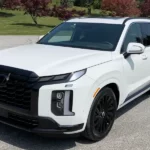
When you drive your shiny new car off the lot, it instantly loses value. This depreciation creates a financial risk many drivers don’t consider until it’s too late. If your new car gets totaled, standard insurance typically only pays the depreciated value—not what you’d need to buy a brand-new replacement. This is where new car replacement insurance enters the picture, but is it worth the extra cost on your premium?
What Is New Car Replacement Insurance?
New car replacement insurance is an optional coverage that pays to replace your totaled vehicle with a brand-new car of the same make and model, regardless of depreciation. Unlike standard insurance that only covers the actual cash value of your car at the time of the accident, this coverage bridges the gap created by depreciation.
For example, if you buy a $40,000 car that depreciates to $32,000 after a year and it gets totaled:
- Standard insurance pays: $32,000 (minus deductible)
- New car replacement pays: Full cost of a new equivalent model (minus deductible)
This difference can save you thousands out of pocket when replacing your vehicle.
How Much Does Your Car Depreciate?
Understanding depreciation is crucial when deciding if new car replacement insurance makes sense for you. Most new cars lose value rapidly in the first few years:
| Time Period | Average Depreciation |
|---|---|
| First year | 17-20% |
| Second year | 15-18% |
| Fifth year | 60% of original value lost |
Some vehicles depreciate even faster. Luxury cars and electric vehicles often experience steeper declines in value, sometimes losing 25% or more in the first year.
New Car Replacement vs. Gap Insurance: What’s the Difference?
Many drivers confuse these two coverages, but they serve different purposes:
| Coverage | What It Does | Who It’s For |
|---|---|---|
| New Car Replacement | Pays for a brand-new replacement of the same make/model | Owners who want an equivalent new vehicle |
| Gap Insurance | Covers the difference between your loan balance and the car’s depreciated value | People with loans that exceed their car’s value |
You might need both if you have a large car loan and want to ensure you can replace your vehicle with a new one. According to Insurance.com, these coverages are complementary rather than redundant.
Who Offers New Car Replacement Insurance?
Not all insurers offer this coverage, and each has different eligibility requirements:
- Travelers: Offers coverage for up to five years for original owners
- Liberty Mutual: Limits coverage to cars under one year old or with fewer than 15,000 miles
- Allstate: Extends to vehicles up to two model years old
Most policies require that you have both comprehensive and collision coverage as prerequisites.
How Much Does New Car Replacement Insurance Cost?
The price of new car replacement coverage varies based on your vehicle and insurer. Typically, you can expect:
- An increase of about 5-10% on your overall premium
- Average annual cost between $100-$200 for most vehicles
- Higher costs for luxury vehicles or those with rapid depreciation
While this might seem expensive, compare it to potentially covering a $10,000+ depreciation gap out of pocket after a total loss.
When Is New Car Replacement Insurance Worth It?
This coverage makes the most sense in specific scenarios:
It’s Worth It When:
- You’ve purchased a vehicle with rapid depreciation (luxury cars, electric vehicles)
- You plan to keep your new car for several years
- You couldn’t easily afford to cover the depreciation gap
- You have a loan but not enough for gap insurance to fully protect you
- You want complete peace of mind about replacement costs
According to a Marketwatch analysis, drivers of high-depreciation vehicles often find the premium increase well worth the potential savings.
It’s Probably Not Worth It When:
- Your car is already older than the policy’s eligibility requirements
- You drive a model with excellent value retention (some Toyotas, Jeeps, etc.)
- You have significant savings that could cover the depreciation gap
- You plan to trade in the vehicle soon anyway
Real-World Scenario: The Cost-Benefit Analysis
Let’s look at two different vehicles to understand when this coverage makes financial sense:
High-Depreciation Luxury Vehicle
- New Tesla Model Y: $65,000
- First-year depreciation: 25% ($16,250 loss)
- Cost of replacement coverage: $450/year
- Potential savings if totaled in first year: $15,800
Low-Depreciation Economy Vehicle
- New Honda Civic: $25,000
- First-year depreciation: 15% ($3,750 loss)
- Cost of replacement coverage: $200/year
- Potential savings if totaled in first year: $3,550
The luxury vehicle owner stands to benefit significantly more from the coverage compared to their premium increase.
Coverage Limitations You Should Know
Before purchasing, understand these common limitations:
- Most policies only cover cars for 1-5 years from purchase date
- You typically must be the original owner
- Some insurers require you bought the car new (not nearly new)
- The replacement is limited to the same make and model (or equivalent if discontinued)
- Your deductible still applies to claims
As Nerdwallet points out, reading the fine print is essential since coverage can vary significantly between providers.
Questions To Ask Your Insurance Agent
When considering new car replacement insurance, ask your agent:
- How long does the coverage last from the date of purchase?
- What’s the mileage limitation, if any?
- How much will this coverage add to my premium?
- If my car model is discontinued, how will replacement be handled?
- Are there any situations where the coverage wouldn’t apply?
- Do I need both gap insurance and new car replacement?
How To Decide If It’s Right For You
To make a smart decision about new car replacement insurance:
- Research your specific vehicle’s depreciation rate
- Calculate the premium increase for adding the coverage
- Consider how long you plan to keep the vehicle
- Assess your financial ability to cover a large replacement gap
- Compare policies from different insurers
For many drivers, the first two years of ownership represent the period of greatest depreciation risk. During this time, Experian suggests that replacement coverage offers the most value.
Alternatives To New Car Replacement Insurance
If you decide against new car replacement coverage, consider these alternatives:
- Gap insurance: Covers the difference between your loan balance and car value
- Replacement cost coverage: Some policies offer a percentage over actual cash value (such as 120%)
- Saving the premium difference: Put the money you’d spend on the coverage into a savings account instead
- Extended warranties: While they don’t help with replacement, they can reduce the likelihood of a total loss due to mechanical failure
The Bottom Line: Who Should Get New Car Replacement Insurance?
New car replacement insurance makes the most sense for:
- Owners of high-depreciation vehicles
- Drivers who would struggle financially to cover the depreciation gap
- People who want maximum peace of mind
- Owners of new vehicles who plan to keep them for several years
While the additional premium might seem unnecessary when you’re already paying for comprehensive insurance, the protection against a potentially large financial hit makes it worthwhile for many drivers. As vehicle costs continue to rise, the gap between actual cash value and replacement cost becomes increasingly significant.
Ultimately, new car replacement insurance is worth it if the peace of mind and potential savings align with your financial situation and the specific depreciation pattern of your vehicle.