Is your RV refrigerator refusing to cool on both electric and gas power? Don’t worry – you’re not stuck with warm food during your camping trip just yet. Most RV refrigerator failures have fixable causes, and you might be able to solve the problem yourself without an expensive repair bill. Let’s walk through the most common culprits when your RV fridge stops working completely.
The Power Supply Problem: 12V DC is Essential
Your RV refrigerator needs 12V DC power to run – even when operating on propane. This powers the control board, display panel, and other essential components.
Check Your Fuses First
The most common cause of a completely dead RV fridge is a blown fuse. Here’s how to check:
- Look in your RV’s main fuse panel for a fuse labeled “Refrigerator” or with a snowflake icon
- Some models (like Furrion 12V units) have inline fuses near the compressor or behind access panels
- Inspect all fuses with a multimeter or visually for breaks in the wire
Battery Health Matters
Even when plugged into shore power, your RV fridge needs the house battery system:
- Use a multimeter to check your battery voltage
- Readings below 10.5V won’t properly activate the fridge
- A battery that can’t hold charge can cause intermittent fridge failures
Hidden Circuit Breakers
Some Norcold and Dometic models have additional protection:
- Look for resettable circuit breakers behind exterior panels
- Check under steps or access panels for hidden breakers
- Reset any tripped breakers you find
Control Board Issues: The Brain of Your Fridge
The control board regulates all fridge functions across both power sources. When it fails, nothing works properly.
Signs of Control Board Failure
Look for these telltale symptoms:
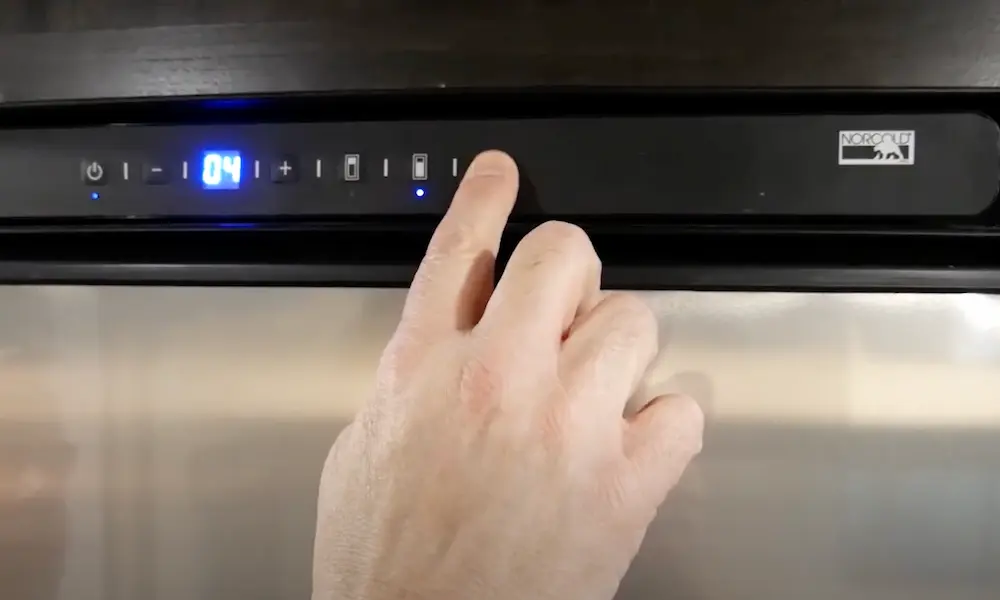
- Display panel lights that don’t come on or show error codes
- Burn marks or swollen capacitors on the circuit board
- Fridge that runs for a while then shuts off repeatedly
- No “clicking” sound when switching between power modes
Checking the Control Board
To test if your control board is the issue:
- Locate the control board (typically behind the exterior access panel)
- Inspect for visible damage
- Test voltage outputs with a multimeter if you’re comfortable doing so
- A properly functioning board should show consistent voltage readings
Cooling Unit Problems: The Heart of Refrigeration
RV refrigerators use absorption cooling technology that relies on a sealed system of ammonia, hydrogen, and water to create a cooling effect.
Signs of Cooling Unit Failure
- Yellow sulfur-like residue near boiler tubes indicates ammonia leaks
- Gurgling sounds from inside the refrigerator
- Fridge that runs but doesn’t cool on either power source
- Sweet smell around the back of the unit
The “Burping” Method
Sometimes crystallization in the cooling unit blocks proper flow:
- Turn off the refrigerator completely
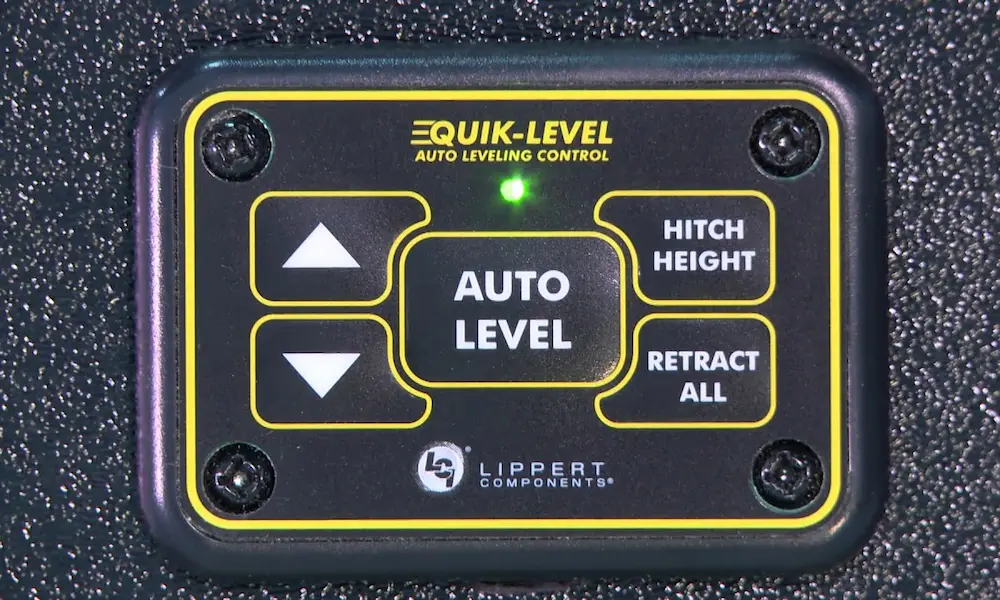
- Safely elevate the front of your RV more than 15 degrees for 30-45 minutes
- Return to level and restart the fridge
- This temporary fix can restore flow if ammonia crystals were blocking tubes
Leveling and Ventilation: Critical and Often Overlooked
Absorption refrigerators have specific requirements for proper operation.
Keep It Level
Your fridge needs to be relatively level to function properly:
- Maximum 3° tilt side-to-side
- Maximum 6° tilt front-to-back
- Extended operation at steeper angles can permanently damage the cooling unit
- Use a level tool specifically on the refrigerator, not just the RV
Ventilation Is Crucial
Inadequate airflow causes overheating and automatic shutdown:
- Clear all external vents of debris, spider webs, and obstructions
- Ensure cooling fans activate when temperatures exceed 110°F
- Proper ventilation prevents heat buildup that triggers safety shutdowns
- Install additional fans if your fridge compartment runs hot
Gas-Specific Problems: When Propane Mode Fails
If your fridge works on electric but not gas (or you want to check the gas system specifically):
Gas Supply Issues
- Verify your propane tank isn’t empty
- Check that the propane tank valve is fully open
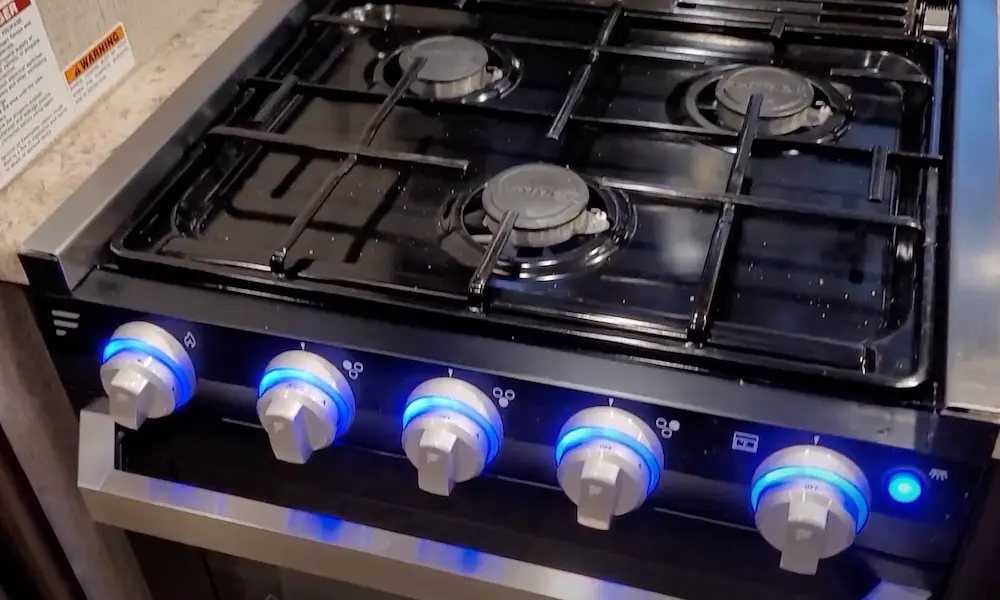
- Test other propane appliances (stove, water heater) to confirm gas flow
- Look for kinked or damaged propane lines
Ignition Components
The propane mode uses several components that can fail:
- Spark Electrode: Should produce a visible spark with proper gap (1/8–3/16″) from the burner tube
- Thermocouple: Needs cleaning with steel wool if dirty; should detect flame within 30 seconds
- Burner Tube/Jet: Can become clogged with debris or spider nests; clean with compressed air
Listen for the Solenoid
When switching to propane, you should hear a distinct “clunk” sound:
- No sound indicates 12V power failure or solenoid malfunction
- The solenoid valve requires 12V power to open and allow gas flow
- Test the solenoid with a multimeter if you suspect failure
Electric-Specific Problems: When AC Power Fails
If your fridge works on gas but not electric (or you want to check the electric system):
120V AC Power Verification
- Confirm shore power/generator is properly connected
- Check that the RV’s main breaker hasn’t tripped
- Test the outlet your refrigerator uses with another appliance
- Verify voltage at the outlet with a multimeter
Heating Element Testing
The electric heating element can burn out:
- Disconnect power completely
- Access the heating element (typically behind the lower exterior panel)
- Measure resistance across element terminals with a multimeter
- Normal readings should be between 20–40 ohms; anything else indicates failure
AC Fuses and Connections
Inspect these additional points:
- Check for blown fuses in the main panel specific to refrigerator circuits
- Look for loose connections at the refrigerator power cord
- Inspect for damaged wiring or connectors
- Test any GFCI outlets that may have tripped
Thermistor Issues: Temperature Control Problems
The thermistor is a temperature sensor that tells the control board when to run cooling cycles.
Testing a Thermistor
A faulty thermistor prevents proper cooling:
- Locate the thermistor (usually a small probe inside the refrigerator)
- Disconnect and test with a multimeter
- When placed in an ice bath, it should read approximately 30–32 kΩ at 32°F
- Incorrect readings indicate thermistor failure
Thermistor Replacement
If testing shows a bad thermistor:
- Purchase the correct replacement for your model
- Carefully disconnect the old unit
- Connect the new thermistor exactly as the original was installed
- Confirm proper operation by monitoring temperature
Step-by-Step Diagnosis Process
Follow this systematic approach to find your specific issue:
Basic Checks First
- Verify 12V power to the control panel
- Reset any tripped breakers
- Ensure the RV is level
- Clear all ventilation obstructions
Intermediate Checks
- Test thermistor and control board functionality
- Inspect cooling unit for signs of leaks
- Check for ammonia smell or yellow residue
Power-Specific Checks
- For propane failures: clean burner components and test solenoid
- For electric failures: validate heating element continuity
| Common RV Fridge Problem | Possible Solutions |
|---|---|
| No power to display | Check fuses, 12V battery, connections |
| Runs but doesn’t cool | Verify level, check cooling unit, test thermistors |
| Works on electric but not gas | Check propane supply, clean burner, test igniter |
| Works on gas but not electric | Test heating element, verify 120V power |
| Clicking noise but won’t start | Control board issue or solenoid failure |
Preventive Maintenance
Keep your RV refrigerator running smoothly with these maintenance tips:
Regular Cleaning
- Clear exterior vents annually
- Remove dust from cooling coils
- Clean burner assembly if using propane
Operation Best Practices
- Pre-cool the refrigerator 24 hours before loading
- Don’t overpack the fridge (allow air circulation)
- Use a refrigerator fan to improve cooling efficiency
- Keep the refrigerator level when parked
| Maintenance Task | Frequency | Benefit |
|---|---|---|
| Clean exterior vents | Every 3 months | Prevents overheating |
| Check seals | Twice yearly | Improves cooling efficiency |
| Test 12V systems | Before each trip | Prevents power issues |
| Inspect propane connections | Annually | Ensures safety and function |
Replacement Options to Consider
If your refrigerator is beyond repair, consider these alternatives:
Absorption vs. Compressor
- Traditional absorption refrigerators require leveling but run silently
- Modern compressor fridges work at any angle but need more battery power
- Compressor models typically cool faster and more efficiently
Retrofitting Alternatives
- 12V compressor refrigerators can replace older absorption units
- Residential-style refrigerators work well for RVers who primarily use shore power
- Consider power requirements carefully before upgrading
Making an informed choice about repair or replacement will save you money and frustration in the long run. With proper maintenance and timely troubleshooting, your RV refrigerator should provide years of reliable service for your adventures on the road.