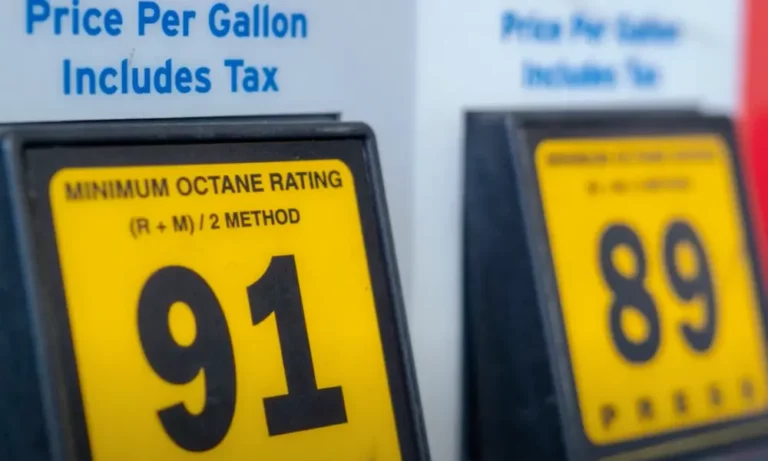
Wondering if you should spend the extra money on premium gas? With premium fuel costing about 21% more than regular, it’s a question that affects your wallet every time you fill up. The short answer: most drivers are wasting money on premium gas their cars don’t need or benefit from. Let’s cut through the marketing hype and look at what science actually says about whether premium gas is worth it.
What’s the Difference Between Regular and Premium Gas?
Premium gasoline isn’t “premium” because it contains more energy or cleaning agents. The main difference is its octane rating – typically 91-94 compared to regular’s 87 rating.
Understanding Octane Ratings
Octane ratings measure a fuel’s ability to resist “knocking” or “pinging” – that rattling sound that happens when fuel ignites too early in your engine. Higher octane fuel is more stable under pressure, which matters in certain engine types.
Think of it this way: octane ratings don’t measure fuel quality or energy content – they simply indicate how the fuel behaves under compression. The American Automobile Association (AAA) confirms that premium gas doesn’t contain more energy than regular gas.
The Science Behind Engine Knock
Engine knock occurs when the air-fuel mixture in your cylinders ignites before the spark plug fires, creating multiple flame fronts that collide. This causes:
- That distinctive knocking sound
- Potential engine damage over time
- Reduced performance and efficiency
Modern cars have knock sensors that adjust timing when knock is detected, but these adjustments can reduce power and efficiency in engines designed specifically for premium fuel.
What the Research Says: Does Premium Gas Improve Performance?
The science is clear: for vehicles designed to run on regular gas, premium fuel provides virtually no benefits.
The Definitive AAA Study
In a comprehensive study, AAA tested three vehicles designed for 87-octane regular gas:
- Toyota Tundra V-8
- Dodge Charger V-6
- Mazda3 I-4
They measured horsepower, fuel economy, and emissions using both regular and premium fuel. The results? No meaningful improvements when using premium gas. In fact, two vehicles actually produced less horsepower on premium fuel. The Mazda3 showed a tiny 2.36% increase – barely noticeable in real-world driving.
| Vehicle | Power Change with Premium | Fuel Economy Change | Emissions Improvement |
|---|---|---|---|
| Toyota Tundra | -0.35% (worse) | No significant change | None detected |
| Dodge Charger | -1.51% (worse) | No significant change | None detected |
| Mazda3 | +2.36% (minimal) | No significant change | None detected |
The bottom line: using premium fuel in cars designed for regular gas is throwing money away.
The Real Cost of Premium Gas
The financial impact of choosing premium gas adds up quickly. Let’s break down the numbers.
Premium Gas Cost Analysis
With premium gas costing about $3.90 per gallon compared to regular at $3.22, let’s see what that means for your wallet:
| Driving Distance | Vehicle Type | Annual Premium Gas Cost Increase |
|---|---|---|
| 15,000 miles/year | Sedan (25 MPG) | $408 more annually |
| 15,000 miles/year | SUV (20 MPG) | $510 more annually |
| 15,000 miles/year | Truck (16 MPG) | $638 more annually |
Over five years of ownership, that sedan driver will spend an extra $2,040 on premium gas. If their car was designed for regular fuel, that’s $2,040 completely wasted.
According to AAA research, Americans wasted approximately $2.1 billion in a single year using premium gas in cars that don’t need it.
When Is Premium Gas Actually Worth It?
Despite the general advice, there are specific situations where premium gas is absolutely worth the extra cost.
Your Car Actually Requires Premium Fuel
The number of vehicles requiring premium fuel has increased dramatically. In 1985, only 7% of new cars required or recommended premium gas. By 2023, that figure jumped to 47% of new vehicle configurations, according to industry reports.
If your owner’s manual says “premium fuel required” or “premium unleaded only,” you should always use premium gas. Using regular gas in these engines can cause damage over time due to persistent knocking. Modern engines will adjust to protect themselves, but with reduced performance and potentially reduced lifespan.
Required vs. Recommended: A Crucial Distinction
Pay close attention to the wording in your owner’s manual:
- “Premium fuel required” – Always use premium gas to avoid engine damage
- “Premium fuel recommended” – You can use regular gas safely, but might see slightly reduced performance or fuel economy
This distinction was highlighted in a Cars.com analysis that found many vehicles labeled “premium recommended” can run perfectly well on regular gas.
Engine Technologies That Need Premium Fuel
Several specific engine technologies generally require premium fuel:
- Turbocharging: Forces more air into cylinders, increasing compression and knock tendency
- High compression ratios: Engines with ratios above 11:1 often require premium gas
- Direct injection: Often paired with turbocharging in modern efficiency-focused engines
- Supercharging: Creates high cylinder pressures similar to turbocharging
Many luxury and sports cars use these technologies to maximize power output from smaller engines, which is why they typically require premium fuel.
Common Premium Gas Myths Debunked
Let’s clear up some widespread misconceptions about premium gas.
Myth: Premium Gas Contains More Energy
FACT: Premium and regular gas contain essentially identical energy content per gallon. The Scientific American confirms that octane ratings don’t measure energy content – they only indicate the fuel’s resistance to knock.
Myth: Premium Gas Improves Fuel Economy in All Cars
FACT: For vehicles designed to run on regular gas, premium fuel provides no meaningful improvement in fuel economy. The AAA study definitively proved this, showing variations within normal testing tolerances.
Myth: Premium Gas Cleans Your Engine Better
FACT: While premium fuels may contain additional detergent packages, EPA regulations require minimum detergent levels in all gasoline grades. The cleaning benefits touted by premium fuel marketing are largely overstated for engines designed for regular gas.
Myth: Premium Gas Reduces Emissions
FACT: For vehicles designed for regular fuel, premium gas doesn’t consistently reduce emissions. In some cases, premium fuel may actually produce slightly higher emissions due to inefficient combustion in engines not optimized for high-octane fuel.
How to Decide if Premium Gas is Worth It
Use this decision framework to determine if premium gas makes sense for your vehicle.
When Premium Gas Is Definitely Worth It
- Your owner’s manual explicitly requires it
- You hear engine knocking when using regular gas
- You drive a high-performance or luxury vehicle designed for premium fuel
When Premium Gas Might Be Worth It
- Your car “recommends” but doesn’t require premium gas AND you notice performance issues with regular gas
- You regularly tow heavy loads in hot weather with a turbocharged vehicle
- Your vehicle is subjected to extreme high-temperature conditions
When Premium Gas Is a Waste of Money
- Your car’s manual specifies regular gas is appropriate
- You drive a standard commuter car without a turbocharger or high compression engine
- You don’t notice any performance issues when using regular gas
Environmental Considerations of Premium Gas
Premium gas itself isn’t inherently better for the environment unless your car is specifically designed for it.
The Efficiency Connection
Recent MIT research suggests that widespread adoption of higher-octane fuels could potentially reduce overall CO₂ emissions by 3-4% – but only if engines are specifically designed to leverage the higher octane.
For existing vehicles designed for regular gas, using premium fuel might actually increase your environmental footprint due to the additional refining processes required to produce high-octane fuel.
Practical Recommendations for Your Vehicle
Follow these straightforward guidelines to make the right fuel choice.
Check Your Owner’s Manual First
The most reliable source for your vehicle’s fuel requirements is your owner’s manual or the fuel door placard. This specification is based on extensive testing by the manufacturer.
Do the Math on “Recommended” Premium
If your vehicle recommends but doesn’t require premium fuel, do the math. A 2-3% efficiency improvement rarely offsets a 21% price premium unless you have specific performance needs.
Listen to Your Engine
If you hear knocking, pinging, or unusual engine noises when using regular fuel, switch to premium immediately. These sounds indicate pre-ignition that can damage your engine over time.
Consider Your Driving Patterns
If you mostly drive normally around town, premium fuel likely offers no benefits in cars designed for regular gas. High-performance driving, frequent towing, or extreme conditions might make premium more advantageous.
Premium Gas by Vehicle Type: Real-World Examples
Different vehicle types have different fuel requirements:
Economy Cars (Honda Civic, Toyota Corolla, Hyundai Elantra)
Most economy cars are designed to run perfectly well on regular gas. Using premium provides no benefits and wastes money.
Family Sedans and SUVs
While most family vehicles run on regular gas, an increasing number of newer models with turbochargers recommend premium. Check your specific model requirements.
Luxury Vehicles (Lexus, BMW, Mercedes)
Many luxury brands require premium fuel due to their high-compression or turbocharged engines. The Lexus service center notes that most Lexus vehicles require premium fuel to maintain warranty coverage and optimal performance.
Sports Cars and Performance Vehicles
Almost all high-performance vehicles require premium fuel to achieve their advertised horsepower ratings and prevent engine damage.
The Premium Gas Decision Table
Use this quick reference guide to determine if premium gas is right for your situation:
| Vehicle/Situation | Should You Use Premium? | Why? |
|---|---|---|
| Manual says “Required” | ✅ Yes, always | Prevents engine damage and maintains performance |
| Manual says “Recommended” | ⚖️ Maybe | Personal choice based on performance needs vs. cost |
| Manual specifies Regular | ❌ No | Waste of money with no benefits |
| Experiencing engine knock | ✅ Yes | Prevents potential engine damage |
| Turbocharged engine | ⚠️ Check manual | Many (but not all) require premium |
| Standard commuter car | ❌ Usually no | Most are designed for regular gas |
| Towing in hot weather | ⚖️ Maybe | Higher loads increase knock tendency |
Making the Smart Premium Gas Choice
Premium gasoline is worth the extra cost only when your vehicle specifically requires it or significantly benefits from it. For the majority of vehicles on the road, premium fuel provides no meaningful advantages and represents an unnecessary expense.
The key is understanding your specific vehicle’s requirements rather than falling for marketing myths. Check your owner’s manual, listen to your engine, and make informed decisions based on engineering facts rather than marketing claims.
With premium fuel costing significantly more than regular gasoline, the financial impact adds up quickly. Save your money for vehicles that truly need premium fuel, and use regular gasoline confidently in cars designed for it.