Ever wondered when to schedule your Tiguan’s next service? With Volkswagen’s structured maintenance approach, keeping your SUV in top condition doesn’t need to be confusing. This guide breaks down the official VW Tiguan service schedule, helping you understand exactly what services your vehicle needs and when—saving you time, money, and potentially preventing major issues down the road.
Understanding VW Tiguan’s Service Categories
Volkswagen organizes the Tiguan’s maintenance into three primary categories that follow a specific pattern throughout your vehicle’s life. Each level addresses different aspects of your SUV’s health.
Minor Maintenance Services
Minor maintenance forms the foundation of your Tiguan’s care plan. These services occur every 20,000 miles after your initial 10,000-mile service and focus on the essentials:
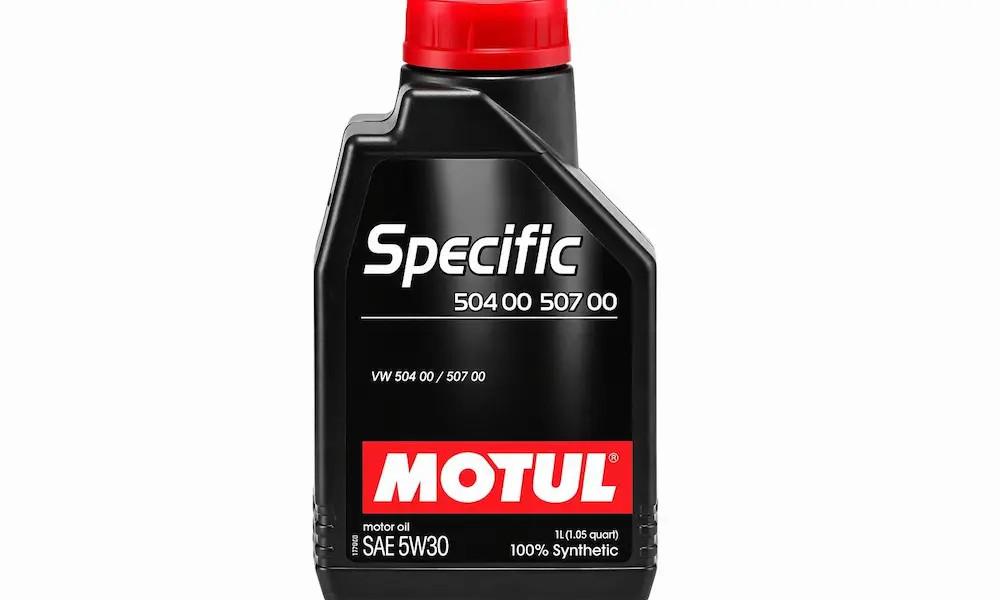
- Complete oil and filter changes
- Brake pad thickness inspections
- Brake disc condition assessments
- Service interval display resets
These services target wear items directly affecting your vehicle’s safety and performance. According to NHTSA documentation, following this schedule is crucial for maintaining warranty coverage and ensuring optimal performance.
Standard Maintenance Services
Standard maintenance kicks in every 20,000 miles starting at the 20,000-mile mark. These more comprehensive services include all minor maintenance items plus:
- Battery testing with diagnostic equipment
- Brake fluid level verification
- Cooling system freeze protection checks
- Engine compartment inspections (from above and below)
- Exterior lighting system functionality tests
- Tire pressure monitoring system calibration
This more thorough inspection helps catch developing issues before they become serious problems.
Extended Maintenance Services
Extended services occur at 40,000-mile intervals (40K, 80K, 120K) and represent the most comprehensive check-ups. These include all standard maintenance items plus:
- Body corrosion examinations
- Coil spring and rubber buffer inspections
- Exhaust system leak detection
- Interior lighting functionality tests
- Suspension and steering component assessments
- Underbody protection evaluations
This deep dive into your Tiguan’s condition helps identify long-term wear patterns that might otherwise go unnoticed.
Key Service Milestones For Your Tiguan
Your Tiguan’s maintenance journey follows specific milestones. Here’s what to expect at each major interval.
10,000-Mile Initial Service
Your Tiguan’s first service establishes the foundation for all future maintenance. This critical appointment includes:
- First oil change
- Comprehensive brake system evaluation
- Baseline inspections of all major systems
This initial service is particularly valuable for identifying any early manufacturing issues and establishing proper maintenance records for warranty purposes. Some VW specialists recommend getting this service done promptly to address any break-in period concerns.
20,000-Mile Service
At 20,000 miles, your Tiguan receives its first standard maintenance. Key components of this service include:
- Battery testing and assessment
- Brake fluid condition verification
- Cooling system evaluations
- Comprehensive exterior lighting inspections
- Headlight adjustments (if necessary)
- Tire pressure monitoring system calibration
This service marks the beginning of your regular maintenance rhythm and sets the pattern for future services.
40,000-Mile Service
The 40,000-mile mark brings your first extended maintenance service, which adds several important items:
- Dust and pollen filter replacements
- Spark plug installations (for specific models)
- Comprehensive exhaust system inspections
This service addresses components with longer service intervals that significantly impact engine performance and emissions compliance.
Beyond Mileage: Time-Based Maintenance Requirements
Some maintenance items follow a time-based schedule rather than mileage. These requirements often get overlooked but are equally important.
Brake Fluid Service
Brake fluid has a unique replacement schedule:
- Initial replacement: 3 years after registration
- Subsequent replacements: Every 2 years regardless of mileage
This timeline reflects brake fluid’s hygroscopic nature—it absorbs moisture over time, which can compromise braking performance even if you haven’t driven many miles.
AWD/Haldex System Service
For Tiguan models equipped with all-wheel drive:
- Fluid changes required every 3 years
- Haldex coupling system requires regular service to prevent contamination
Many Tiguan owners on enthusiast forums report that proactive Haldex maintenance prevents expensive repairs down the road. Experienced technicians often recommend removing the Haldex pump to clean the gauze filter screen—a step not always included in dealership service.
Air Filter Replacement
Your Tiguan’s air filter follows a dual schedule:
- Every 60,000 miles OR
- Every 6 years (whichever comes first)
This extended interval reflects improvements in modern filter technology, though driving in dusty or polluted conditions might necessitate more frequent replacements.
Transmission Maintenance: Critical But Often Overlooked
Transmission service requirements vary significantly depending on which type your Tiguan has.
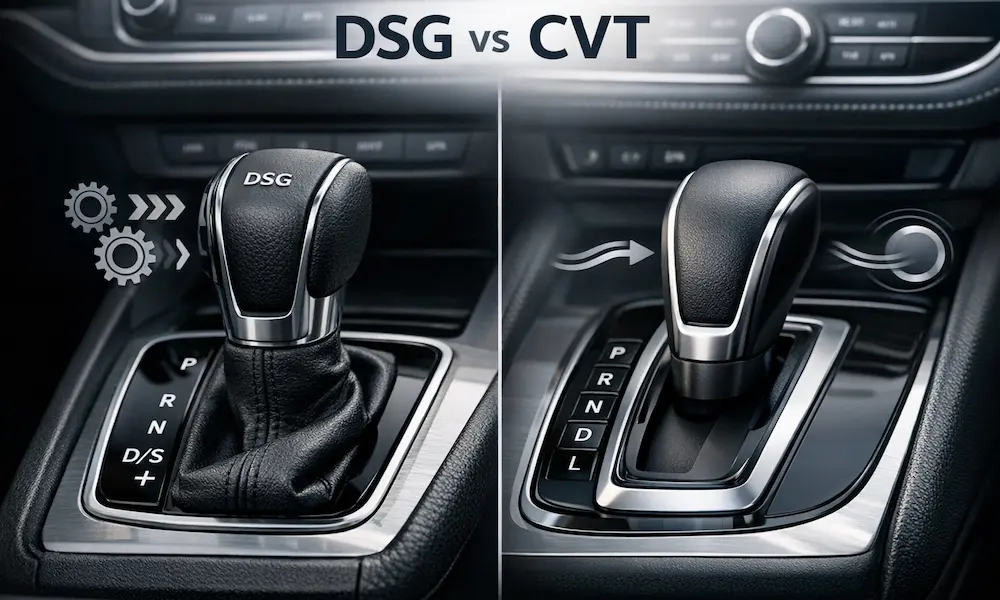
DSG Transmission Service
If your Tiguan has a DSG (Direct-Shift Gearbox) transmission:
- Official interval: Every 40,000 miles
- Service includes fluid and filter replacement
- Typically costs $400-600
Many VW technicians consider the DSG service non-negotiable for transmission longevity. This specialized service requires specific tools and fluids that many general repair shops don’t stock.
Conventional Automatic Transmission
For Tiguans with traditional automatic transmissions:
- Service interval: Every 80,000 miles
- Some specialists recommend more frequent service
- Often includes transmission pan removal and filter change
While VW claims these transmissions have “lifetime” fluid, many independent specialists disagree, suggesting service every 60,000-80,000 miles for optimal longevity.
Engine-Specific Maintenance for Your Tiguan
The Tiguan’s modern engine technology requires specialized maintenance beyond the basics.
Carbon Cleaning for TSI Engines
Direct-injection engines in the Tiguan are prone to carbon buildup:
- Typically becomes problematic every 60,000-80,000 miles
- Symptoms include rough idle, reduced power, and check engine lights
- Professional cleaning services cost $400-800
Unlike older engines, direct-injection systems don’t wash fuel over intake valves, allowing carbon deposits to accumulate. Many owners report significant performance improvements after professional carbon cleaning.
Oil Consumption Monitoring
Recent Tiguan models (particularly 2022-2023) with the EA888 2.0-liter TSI engine require special attention:
- Some engines consume oil at higher-than-expected rates
- Regular oil level checks between services are essential
- Documentation of consumption is important for warranty claims
If you notice your Tiguan using more than 1 quart of oil per 1,000 miles, consider requesting an oil consumption test at your dealership.
Spark Plug Replacement
Spark plugs follow model-specific intervals:
- Tiguan replacement schedule: Every 60,000 miles or 6 years
- Premium iridium plugs are recommended
- Proper torque is critical during installation
This extended interval reflects improved spark plug technology and engine management systems that reduce electrode wear under normal operating conditions.
The Financial Side: Budgeting for Tiguan Maintenance
Understanding the costs associated with Tiguan ownership helps you plan appropriately.
Long-Term Maintenance Costs
According to ownership data, the Tiguan’s maintenance costs follow a predictable pattern:
- Total 10-year maintenance cost: Approximately $8,197
- First five years: About $2,589 (roughly $1,030 less than industry average)
- Annual costs increase progressively from $338 in year one to $1,226 by year ten
This progressive increase reflects the natural aging of components and the introduction of more complex service requirements as mileage accumulates.
| Year | Estimated Maintenance Cost |
|---|---|
| 1 | $338 |
| 2 | $471 |
| 3 | $628 |
| 4 | $688 |
| 5 | $750 |
| 10 | $1,226 |
Individual Service Pricing
Budgeting for specific services helps avoid financial surprises:
| Service Type | Typical Cost Range |
|---|---|
| Oil Change | $115-186 |
| Tire Rotation | $69-104 |
| 30,000-mile Service | $166-335 |
| 60,000-mile Service | $646-798 |
| Carbon Cleaning | $400-1,700 |
| Haldex Fluid Change | $200-350 |
| DSG Transmission Service | $400-600 |
Independent European specialists often provide these services at significantly lower costs than dealerships while maintaining equivalent quality.
Optimizing Your Tiguan’s Service Schedule
While following the factory schedule is important, these optimization strategies can enhance your Tiguan’s longevity.
Oil Change Frequency Considerations
VW recommends 10,000-mile oil change intervals, but many experienced owners take a more conservative approach:
- Many technicians suggest 5,000-7,500 mile intervals instead
- This addresses oil consumption characteristics of TSI engines
- Extra cost of more frequent changes is economical compared to potential engine repairs
For Tiguan owners who drive in severe conditions (short trips, extreme temperatures, stop-and-go traffic), more frequent oil changes provide additional engine protection.
Preventive Maintenance Tactics
Proactive maintenance can prevent major issues:
- Carbon buildup prevention benefits from periodic highway driving at sustained higher RPMs
- Haldex system longevity improves with strict adherence to three-year service intervals
- Regular fluid inspections between services can catch developing issues early
Mixing in occasional “spirited” driving helps prevent carbon buildup by allowing the engine to reach higher operating temperatures that can burn off some deposits.
Recognizing and Addressing Common Tiguan Issues
Being aware of known problem areas helps you stay ahead of potential issues.
Oil Consumption Warning Signs
For 2022-2023 model years especially:
- Watch for rapid oil level drops on the dipstick
- Be alert to low oil warning light activation
- Track oil consumption between services
If you experience these symptoms, document your oil consumption rates carefully. Some owners report consumption rates significantly exceeding VW’s stated normal range, which may qualify for warranty coverage.
Carbon Buildup Symptoms
Direct-injection engines develop carbon buildup gradually:
- Rough idle, especially when the engine is cold
- Misfiring or hesitation during acceleration
- Reduced power output
- Check engine light activation
These issues typically develop over 60,000-80,000 miles and require professional cleaning for complete resolution. Some DIY enthusiasts use intake cleaning products, but professional walnut blasting provides the most thorough solution.
Haldex System Failure Prevention
All-wheel-drive Tiguans require special attention:
- Contaminated filter screens often lead to pump motor failures
- Proactive three-year service intervals significantly reduce failure risk
- Proper filter cleaning during service is essential
Many Haldex failures result from inadequate maintenance rather than inherent design flaws. The relatively inexpensive fluid service prevents much costlier repairs down the road.
The Importance of Complete Maintenance Records
Keeping detailed service records serves multiple purposes beyond your own reference.
Warranty Protection
Proper documentation supports warranty claims:
- Strict adherence to manufacturer-specified service intervals is required
- Use of VW-approved fluids and parts must be documented
- Deviations from recommended schedules can void warranty coverage
The official VW warranty requires proof that you’ve maintained your vehicle according to specifications. Having complete records ensures you’re covered if a major component fails.
Resale Value Enhancement
Complete maintenance history significantly impacts resale value:
- Documentation of specialized maintenance (carbon cleaning, Haldex service) is particularly valuable
- Digital service records through the VW system add credibility
- Service stamps in the maintenance booklet still matter to many buyers
Prospective buyers often pay premium prices for Tiguans with complete service histories, making your maintenance investment pay off twice—first in reliability and again at resale time.
Adapting Maintenance for Different Driving Conditions
Your driving habits and environment might require adjustments to the standard schedule.
Urban vs. Highway Driving
Different driving patterns affect maintenance needs:
- Frequent short trips accelerate oil degradation
- City driving with constant stops increases brake wear
- Highway driving at consistent speeds generally causes less wear
If your commute consists mainly of short trips under 10 miles, consider more frequent oil changes and brake inspections than the standard schedule recommends.
Climate Considerations
Environmental factors significantly impact maintenance requirements:
- Extreme heat accelerates fluid breakdown
- Cold climates stress batteries and electrical systems
- Coastal areas increase corrosion risk
- Dusty regions require more frequent air filter replacements
Adapting your maintenance schedule to your specific climate helps prevent environment-specific issues from developing.
The VW Tiguan’s service schedule balances modern engineering capabilities with practical maintenance needs. By understanding both the official requirements and the real-world considerations that experienced owners and technicians recommend, you’ll keep your Tiguan running reliably for years to come. The investment in proper maintenance pays dividends in reliability, performance, and resale value—making your Tiguan ownership experience both enjoyable and economically sound.