Looking for a compact SUV but wondering if the Chevy Trailblazer is a dependable choice? The Trailblazer has had quite a journey in terms of reliability, with significant differences between its generations. I’ve dug into the data to help you understand exactly what to expect from this popular American SUV.
Trailblazer Reliability: The Quick Answer
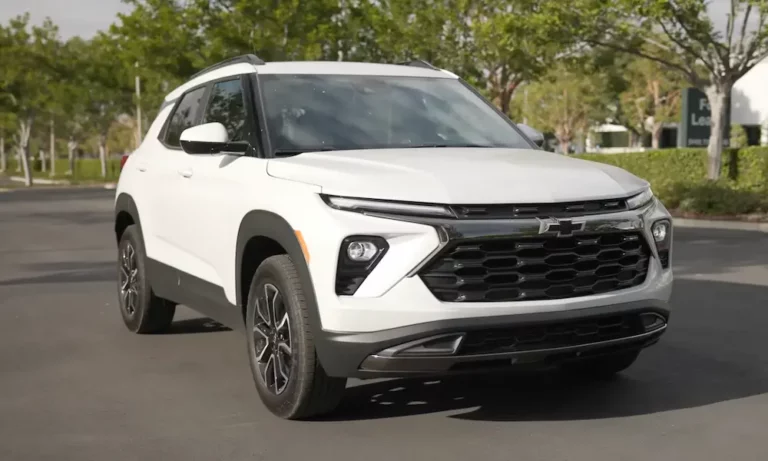
The current Chevy Trailblazer (2021-present) scores impressively well for reliability, earning recognition as the most reliable vehicle in Chevrolet’s lineup. Consumer Reports even ranked it as the best “American” subcompact SUV for 2025, while iSeeCars awarded it a solid 7.5/10 reliability rating, placing it 5th among 21 subcompact SUVs.
If you’re considering an older first-generation Trailblazer (2002-2009), reliability varies dramatically by year, with later models (2007-2009) performing much better than the problematic early years.
Second Generation Trailblazer Reliability (2021-Present)
The current Trailblazer generation has established itself as a reliability standout in Chevy’s lineup. Here’s what the data shows:
Reliability Scores and Rankings
The reintroduced Trailblazer has earned impressive credentials from major rating organizations:
- Consumer Reports gave the 2022 Trailblazer a perfect predicted reliability score of 100
- J.D. Power awarded the second-generation models (2021-2025) an average rating of 84/100
- The 2023 and 2024 models consistently ranked in J.D. Power’s Top 3 Best Small SUVs list
The average lifespan of a Trailblazer is about 138,888 miles (approximately 9.3 years), with a 14.2% chance of reaching the coveted 200,000-mile mark.
Common Problems in the Current Generation
Despite strong overall reliability, owners report several recurring issues:
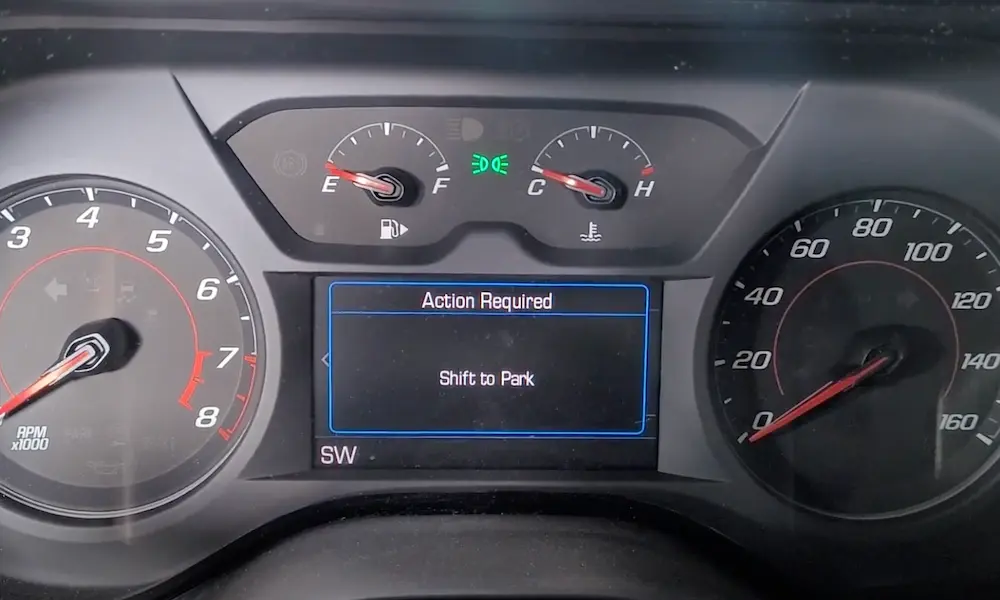
“Shift to Park” Error
This electronic glitch affects 2021-2023 models, displaying a warning message that the vehicle isn’t in park—even when it is. This frustrating problem often requires multiple restart attempts to resolve.
Brake System Issues
Some owners have experienced:
- Inconsistent braking performance
- Persistent squealing noises
- In rare cases, total brake failure
These issues led to NHTSA recall 20V588 for electronic brake boost system problems that could cause delayed braking response.
Engine Concerns
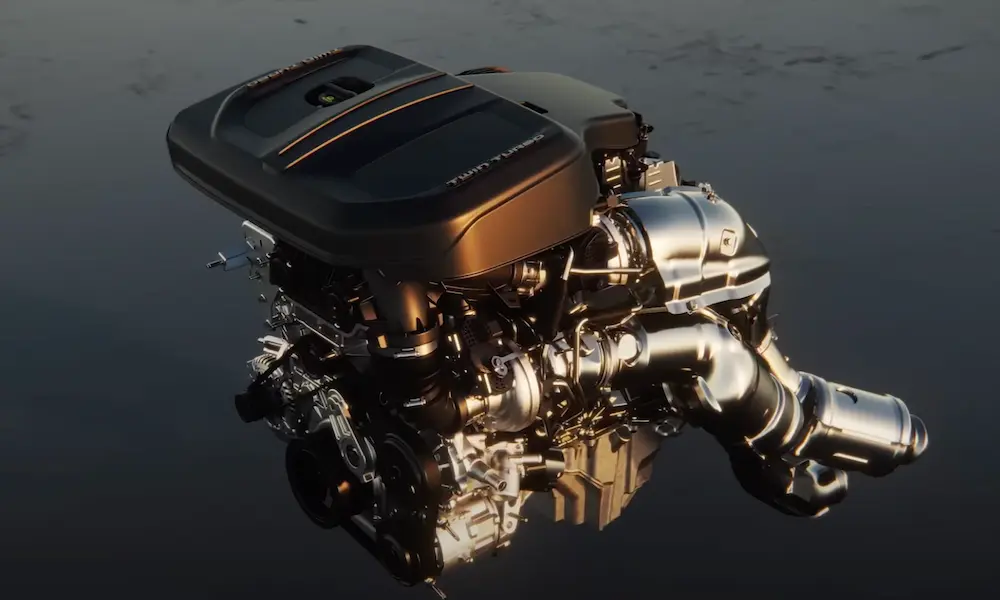
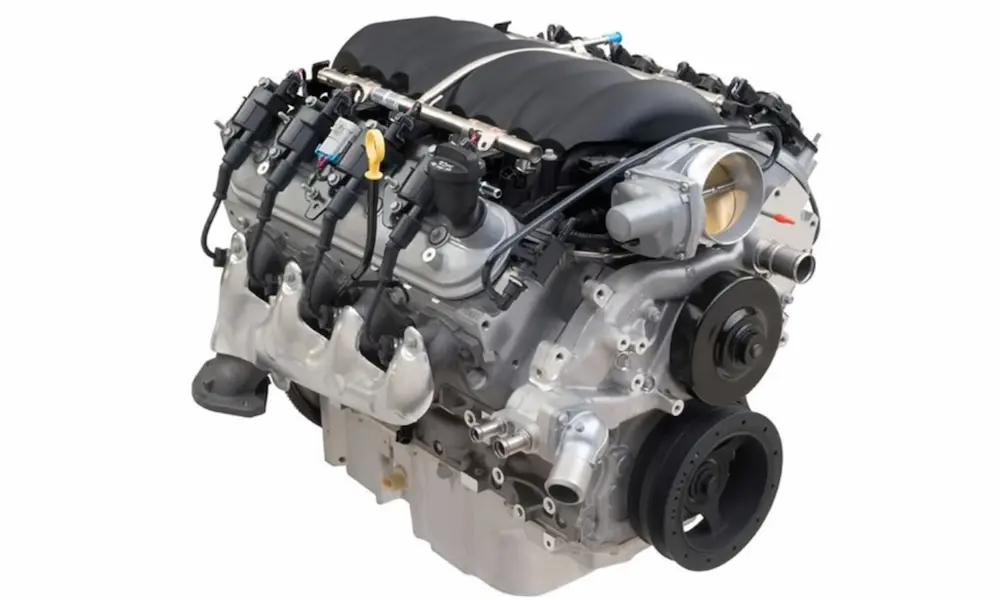
The 1.3L turbo engine has been flagged for oil consumption issues, with owners reporting about one quart of oil used every 6,000 miles. While GM considers this normal (they define normal as one quart per 2,000 miles), it’s a concern for many owners planning long-term ownership.
Infotainment System Glitches
Though not safety-critical, many owners report:
- Screen freezing
- Sluggish response times
- Connectivity problems with phones
Recall History
The 2021 model year (the first of this generation) experienced multiple recalls for:
- Missing front seat bolts
- Defective emergency jacks
- Brake sensor problems
- Tire labeling requirements
Good news: The 2022-2024 model years have shown improvement with fewer recalls.
First Generation Trailblazer Reliability (2002-2009)
The original Trailblazer tells a tale of two halves—early models with significant problems and later models with much-improved reliability.
Early Years Problems (2002-2006)
The 2002-2004 and 2006 model years were particularly problematic, with over 1,000 consumer complaints and numerous recalls. Major issues included:
Fuel Level Sensor Failures
This common problem affected 2005-2007 models, causing inaccurate fuel gauge readings. GM eventually provided special coverage for 50% of repair costs.
Valve Seat Wear
The 4.2L Vortec engine suffered from valve seat wear due to EGR valve heat, leading to misfires and sometimes requiring expensive cylinder head replacement.
Cooling System Problems
Fan clutch failures were common, often resulting in overheating issues, particularly in hot weather or when towing.
Electrical Issues
Rear light malfunctions due to faulty socket plates led to recalls for 2002-2004 models.
Improved Later Years (2007-2009)
The final years of first-generation production showed dramatic improvement, with:
- Higher reliability scores
- Fewer recalls
- Enhanced safety features
- Lower repair costs (especially in the 2005 model year)
Maintenance Costs and Ownership Experience
Understanding the true cost of Trailblazer ownership helps set realistic expectations:
Average Costs
- 5-year ownership costs: $35,823 (base LS) to $43,878 (ACTIV models) according to Edmunds
- Annual maintenance: $524-$747 depending on the source
- 10-year maintenance total: Approximately $9,091 (about $883 more than the SUV segment average)
- Insurance costs: Average $2,208 annually ($11,040 over five years)
Maintenance Schedule Highlights
The Trailblazer’s maintenance schedule begins with the first service at 7,500 miles, including:
- Oil changes
- Brake inspections
- Tire rotations
There’s a 26.91% chance of requiring major repairs during the first 10 years—slightly worse than similar vehicles in its class.
How Trailblazer Compares to Competitors
The Trailblazer holds its own against key competitors but doesn’t lead the pack:
| Competitor | Reliability Advantage | Trailblazer Advantage |
|---|---|---|
| Mazda CX-30 | Superior handling, better performance | More cargo space, lower starting price |
| Honda HR-V | Higher reliability rating (13 slots above industry average) | More powerful engine options |
| Subaru Crosstrek | Standard AWD, better off-road capability | More modern tech features, lower maintenance costs |
The Trailblazer distinguishes itself through class-leading reliability within Chevrolet’s lineup and competitive equipment levels for its price point.
Best and Worst Trailblazer Model Years
Best Years to Buy
- 2023-2024: The most refined versions of the current generation
- 2008-2009: The most dependable first-generation models
- 2005: Despite some issues, has the lowest repair costs among early models
Years to Avoid
- 2021: Launch year with multiple recalls and brake system issues
- 2002-2004: High complaint rates and numerous quality problems
- 2006: Extensive recalls and reliability concerns
Oil Consumption: What You Should Know
The oil consumption issue deserves special attention if you’re considering a newer Trailblazer with the 1.3L turbo engine.
Many owners report consumption rates of 0.5-1 quart per 5,000-6,000 miles. While this is technically within GM’s acceptable range (they consider up to 1 quart per 2,000 miles normal), it’s something to monitor if you purchase one.
Modern turbocharged engines typically consume more oil than naturally aspirated engines, so while not ideal, this consumption rate isn’t unusual for this type of engine.
Is a Chevy Trailblazer the Right Choice for You?
The Trailblazer can be an excellent choice if you:
- Want a reliable American-made compact SUV
- Prefer the newer generation (2021+)
- Don’t mind monitoring oil levels between changes
- Appreciate the balance of features and value
However, you might want to look elsewhere if:
- You need class-leading reliability (consider Honda or Toyota)
- You’re looking at the problematic early first-generation years
- Oil consumption concerns would bother you
The newest Trailblazers genuinely represent some of Chevrolet’s most reliable vehicles in years—a significant improvement over the mixed reputation of the first generation.
Long-Term Reliability Maximizing Tips
If you decide on a Trailblazer, here’s how to get the most reliable service from it:
- Stick to the maintenance schedule religiously
- Check oil levels regularly, especially with the 1.3L turbo engine
- Address recall notices promptly
- Use quality parts and fluids for all maintenance
- Consider extended warranty coverage, especially for first-generation models
With proper care, the current generation Trailblazer can be a dependable companion for many years, while even the better years of the first generation can serve as reliable used vehicles when properly maintained.