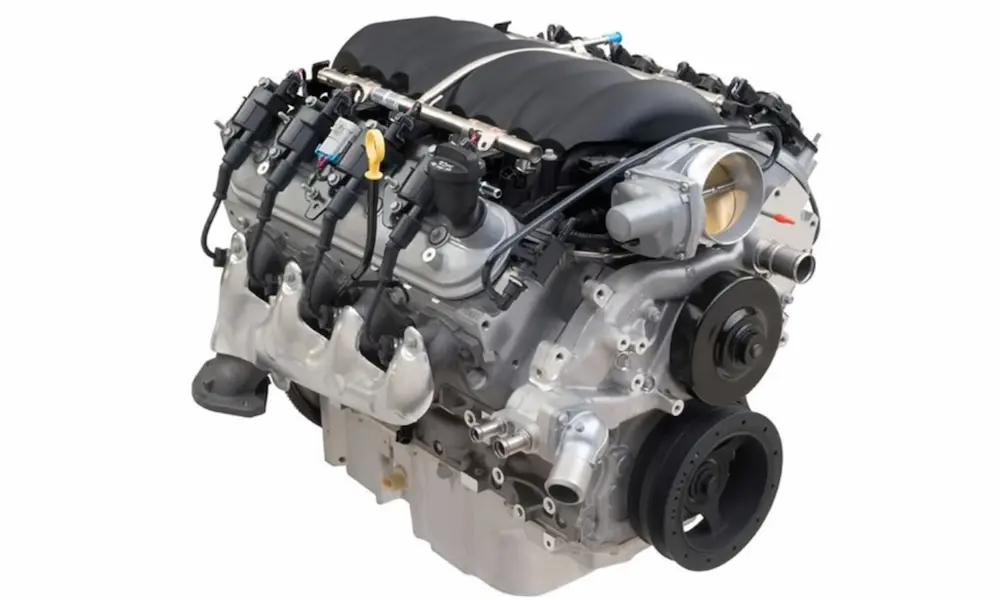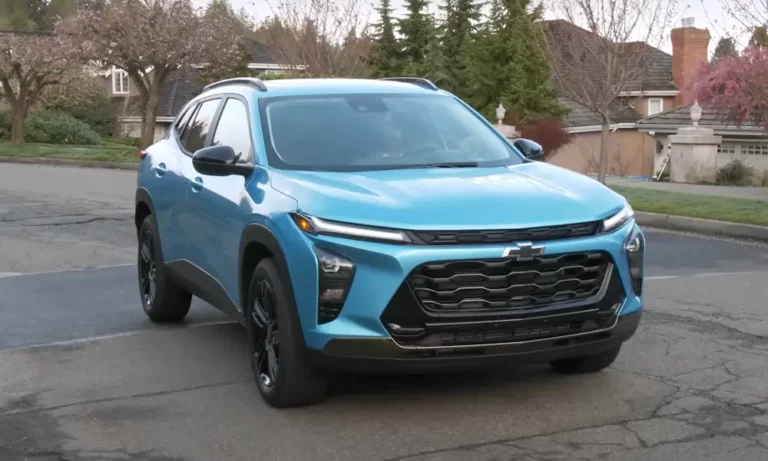
Is your Chevy Trax giving you headaches with strange noises, unexpected stalling, or excessive oil consumption? You’re about to discover the most common engine problems plaguing these compact SUVs, whether you’ve got a brand-new 2024 model or you’re driving a first-generation Trax.
I’ve gathered real-world experiences, technical data, and expert analysis to give you the complete rundown on what’s happening under the hood of these vehicles. Let’s dive into the concerning issues affecting the Chevy Trax and what you can do about them.
Catastrophic Engine Failures in 2024-2025 Models
Perhaps the most alarming issue with newer Trax models is complete engine failure occurring at shockingly low mileage. Several owners have experienced total engine destruction with barely any miles on the odometer.
One 2024 Trax owner reported catastrophic failure at just 3,900 miles when “one of the engine piston rod bearings flew out of place and out of the motor at high enough force to create a hole in the motor,” according to reports on Trax Forum.
Service departments have confirmed this isn’t an isolated incident. One dealership service manager admitted that “all the dealerships around them had at least one with the same problem.” Making matters worse, replacement engines come from Korea and typically require 60-90 days for delivery, leaving owners without their vehicles for months.
Excessive Oil Consumption Issues
Both the newer 1.2L three-cylinder engines (2024-2025) and the older 1.4L turbocharged engines suffer from significant oil consumption problems.
2024-2025 Models (1.2L Engine)
Chevrolet has issued a technical service bulletin (PIP5947C) specifically addressing excessive oil consumption in 2024 models with the 1.2L LIH engine. The bulletin identifies engine camshaft cover internal failure as the root cause.
Symptoms include:
- Blue smoke from the exhaust
- Engine idle surge (especially below 2,000 miles)
- Various diagnostic trouble codes
Owners report consuming nearly four quarts of oil between changes, with oil that smells like gasoline—a clear sign of potential fuel dilution issues. The recommended fix involves replacing the engine camshaft cover.
First-Generation Models (1.4L Turbo)
The earlier Trax models aren’t immune either, with many owners reporting having to add a quart of oil every 1,000-2,000 miles just to keep the engine running properly.
Turbocharger Failures in First-Generation Models
If you own a first-generation Trax (2015-2023) with the 1.4L turbocharged engine, be on high alert for turbocharger problems. These vehicles are notorious for premature turbocharger failures.
GM issued Special Coverage bulletin N232395330 for 2017-2018 models, providing free turbocharger replacement for 10 years or 120,000 miles. However, this issue extends beyond these specific model years, according to GM Authority.
One owner reported needing four separate turbo replacements on their 2017 Trax by 144,500 miles, with the last two turbos lasting only about 12,000 miles each.
Watch for these warning signs:
- Reduced engine power
- Strange whistling or screeching noises
- Increased oil consumption
- Excessive exhaust smoke
The typical replacement cost for out-of-warranty turbocharger repairs ranges from $1,000 to $3,500—a significant expense for a component that should last much longer.
Fuel Injector Problems Across All Models
Both new and older Trax models frequently experience fuel injector failures:
2024-2025 Models
Some 2025 models have required fuel injector replacement at less than 350 miles, according to owner reports.
First-Generation Models
These typically need injector replacement around the 50,000-mile mark, with repair costs averaging around $1,000.
Signs of fuel injector problems include:
- Engine sputtering at idle
- Loss of power during acceleration
- Engine stalling
- Check engine light illumination
- Rough idling
Engine Control Module and Ignition Timing Issues
The 2024 model year received an emissions recall (A242435780) for engine control module (ECM) problems affecting ignition timing following auto stop/start events.
This issue can cause:
- Check engine light illumination
- Engine roughness or knocking
- Potential engine damage if driven with engine knock
According to GM Authority, the fix involves reprogramming the ECM, which typically takes about 30 minutes to complete. If you own a 2024 Trax and haven’t received this recall notice, contact your dealer.
Cooling System Failures and Their Impact
Water pump failures are common across multiple Trax model years, with many owners reporting failures around 60,000 miles. The cooling system also suffers from various leak points including:
- Radiator failures (covered under extended warranty by GM)
- Coolant reservoir tank cracking
- Radiator hose failures
- Thermostat housing leaks
If left unaddressed, coolant leaks can lead to catastrophic engine overheating and failure. Signs of cooling system problems include:
- Sweet smell (from glycol in coolant)
- Engine overheating
- White steam from under the hood
- Low coolant warning light
- Puddles under the car when parked
PCV System Failures in First-Generation Models
The Positive Crankcase Ventilation (PCV) system in first-generation Trax models with the 1.4L engine is prone to failure, particularly in cold weather conditions.
The PCV valve diaphragm can freeze in place, preventing proper engine ventilation and causing:
- Excessive oil consumption
- Engine stalling
- Oil burning and smoke from exhaust
According to discussions on CruzeTalk forum (which shares engine components with the Trax), GM has acknowledged this as a “known issue,” though no permanent fix has been provided beyond cleaning and regular oil changes.
Transmission-Related Engine Performance Issues
While primarily transmission issues, some problems manifest as engine performance concerns:
- Jerky shifting and hesitation during acceleration
- RPM fluctuations and irregular engine behavior
- Transmission shudder affecting engine performance
These problems can make the engine seem like it’s malfunctioning when the root cause might be in the transmission or the communication between the transmission and engine control modules.
A Comparison of Engine Problems by Model Year
| Issue | 2015-2023 (1st Gen) | 2024-2025 (2nd Gen) | Average Repair Cost |
|---|---|---|---|
| Catastrophic Engine Failure | Rare | Multiple reports at <5,000 miles | $9,000+ |
| Oil Consumption | Common after 60,000 miles | Common even in new vehicles | $500-800 for repairs |
| Turbocharger Failure | Very common | N/A (no turbo) | $1,000-3,500 |
| Fuel Injectors | Typically fail ~50,000 miles | Some failing <1,000 miles | $227-621 |
| Cooling System Problems | Common ~60,000 miles | Less common but emerging | $400-1,200 |
| PCV System | Frequent failures | Too new to determine | $200-400 |
Early Warning Signs of Chevy Trax Engine Problems
Catching problems early can save you thousands in repair costs. Here are key warning signs to watch for:
- Check Engine Light: Never ignore this warning. Have it diagnosed immediately.
- Unusual Noises: Knocking, ticking, or whistling sounds, especially when accelerating.
- Performance Changes: Hesitation, rough idle, or reduced power.
- Fluid Leaks: Any fluid under your vehicle warrants investigation.
- Excessive Oil Consumption: If you’re adding oil between changes, have it checked.
- Exhaust Smoke: Blue smoke indicates oil burning; black smoke suggests fuel issues.
- Overheating: Never drive an overheating engine—have it towed to prevent catastrophic damage.
Steps to Take If You Experience Engine Problems
- Document Everything: Keep detailed records of all issues, including dates, mileage, and symptoms.
- Visit Your Dealer: Have problems diagnosed and documented by an authorized Chevy service center.
- Check for Recalls: Visit the NHTSA website to see if your vehicle is subject to any recalls.
- Get a Second Opinion: If dealer service is unsatisfactory, consult an independent mechanic specializing in GM vehicles.
- Research Extended Warranties: If your vehicle is approaching the end of its warranty, consider coverage options.
- Know Your Rights: Familiarize yourself with lemon law provisions in your state, especially if you’ve had repeated repairs for the same issue.
Preventative Maintenance to Extend Engine Life
While some Trax engine problems stem from design flaws, proper maintenance can help avoid certain issues:
- Oil Changes: Follow the manufacturer’s recommended schedule, but consider more frequent changes (every 5,000 miles) for turbocharged models.
- Quality Oil: Use only the recommended grade and quality of engine oil.
- Check Fluid Levels Regularly: Make it a habit to check your oil and coolant levels weekly.
- Cooling System Maintenance: Flush and replace coolant per the maintenance schedule.
- Address Warning Signs Immediately: Don’t delay when you notice unusual engine behavior.
- Let Turbos Cool Down: For first-generation models, allow 30 seconds of idling before turning off the engine after highway driving.
- Regular Inspections: Have your vehicle thoroughly inspected at least twice a year, even if everything seems fine.
The Financial Impact of Chevy Trax Engine Problems
The cost implications of these engine issues can be substantial:
- Complete Engine Replacement: $9,000+ for out-of-warranty repairs
- Turbocharger Replacement: $1,000-$3,500
- Fuel Injector Replacement: $227-$621 depending on model year
- Water Pump Replacement: Approximately $500-800 including labor
Some automotive experts have classified Trax engines among the “worst engines” in terms of reliability, according to discussions on the Trax Forum, with particular concerns about longevity beyond 120,000 miles.
Many owners have pursued lemon law claims due to repeated failures of the same components, especially with newer models experiencing catastrophic failures within the warranty period.
The Larger Context: Are These Problems Normal?
When compared to competitors in the compact SUV segment, the Trax shows a higher-than-average rate of serious engine problems. While all vehicles have occasional issues, the pattern of catastrophic failures in new models and persistent problems across multiple model years raises legitimate concerns.
The frequency of these issues has led many owners to question GM’s quality control and engineering processes, especially considering that some of these problems (like the turbocharger failures) have persisted through multiple model years without comprehensive solutions.
Given the documented history of engine problems across multiple model years and the severity of issues in newer models, potential buyers should carefully consider these reliability concerns when evaluating the Chevrolet Trax as their next vehicle.
Current owners should stay vigilant about maintenance, respond quickly to warning signs, and know their rights regarding warranty coverage and lemon law protections.
By understanding these common Chevy Trax engine problems, you’re better equipped to protect your investment and make informed decisions about repairs, maintenance, and even whether to keep your vehicle for the long term.