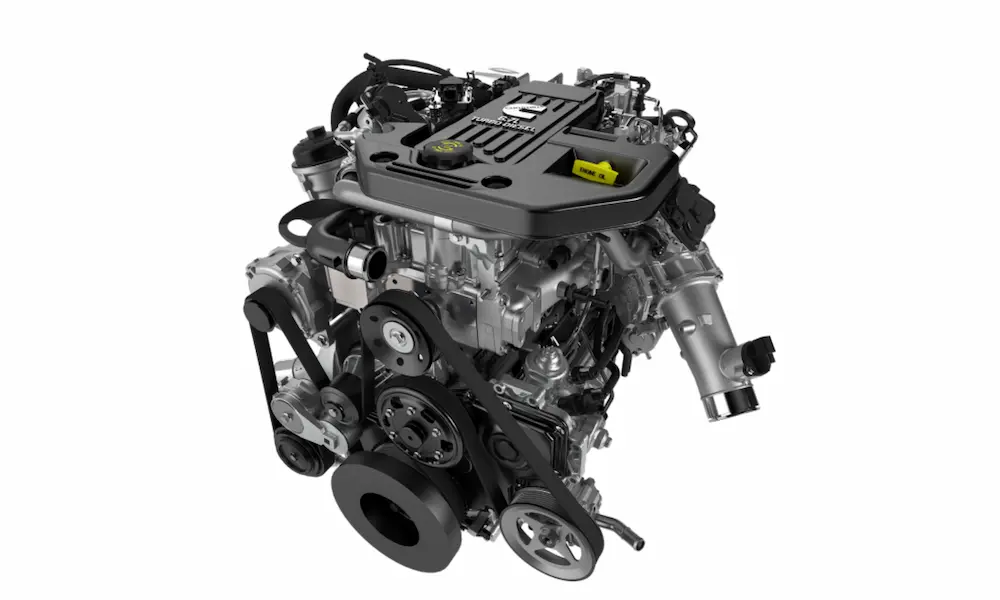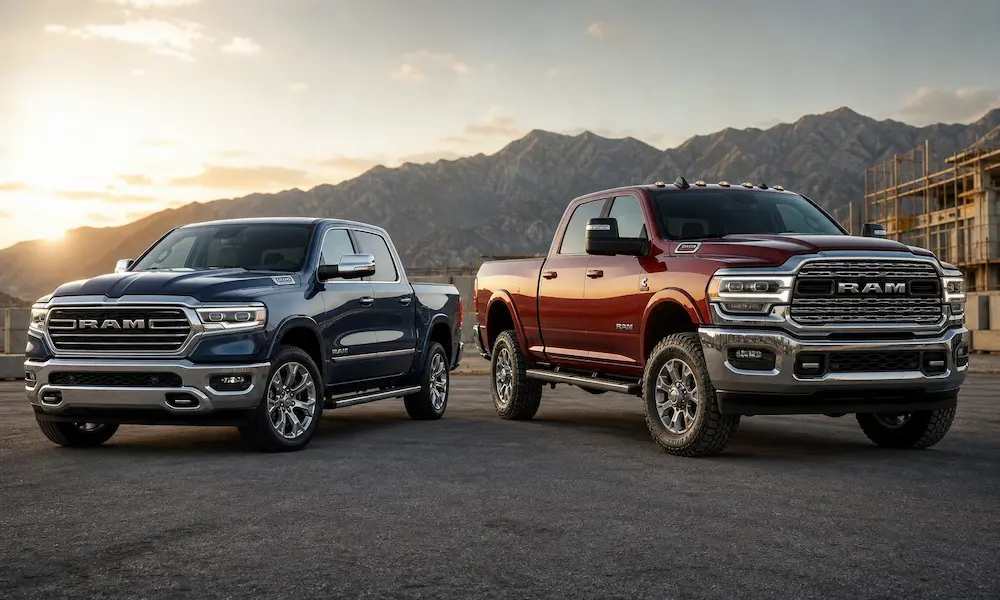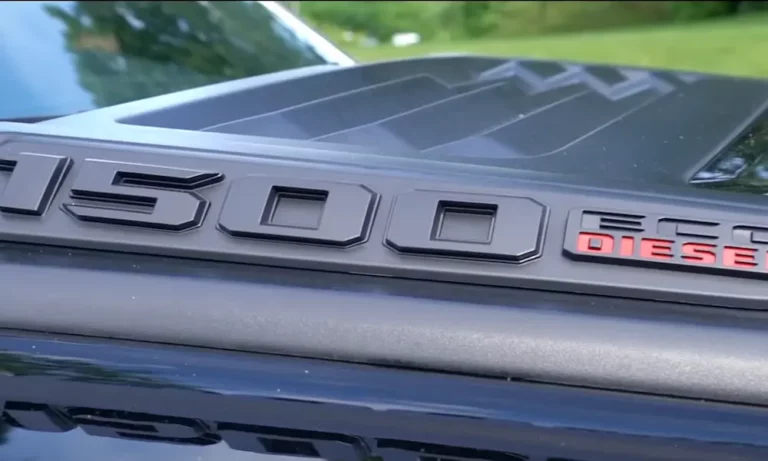
Thinking about a Ram 1500 or Jeep with the 3.0 EcoDiesel engine? While these engines deliver impressive torque and fuel economy, they’re known for some significant reliability concerns. Before you buy or if you’re already experiencing issues, this comprehensive guide breaks down the most common 3.0 EcoDiesel problems and what you can do about them.
The Most Critical 3.0 EcoDiesel Issues You Should Know About
The 3.0 EcoDiesel engine has earned a complicated reputation. Early models (especially 2014-2016) faced numerous challenges, while later generations show notable improvements. Here’s what every current and prospective owner needs to understand.
EGR Cooler Failures: The Most Notorious Problem
The EGR (Exhaust Gas Recirculation) system helps reduce emissions by recirculating exhaust gas back into the combustion chamber. Unfortunately, the EGR cooler is prone to cracking from thermal fatigue.
Warning signs include:
- White smoke or steam from the exhaust
- Unexplained coolant loss without visible leaks
- Engine overheating
- Reduced power
- Check engine light illumination
This issue typically occurs between 20,000 and 40,000 miles and affected vehicles include 2014-2019 Ram 1500 and Jeep Grand Cherokee models. In fact, FCA recalled nearly 30,000 vehicles in 2020 specifically for EGR cooler issues that could lead to fire risks.
When the EGR cooler fails, coolant can enter the intake system and combustion chamber, potentially causing catastrophic hydrolock. Repair costs range from $1,100 to over $3,500, making this one of the most expensive EcoDiesel repairs.
Oil Cooler Failures: A Hidden Threat to Engine Health
The oil cooler maintains optimal engine temperature by using coolant to cool the oil. When it fails, engine oil mixes with coolant, contaminating both systems.
Signs of oil cooler failure include:
- Higher engine temperature
- Cooling system malfunction
- Poor engine performance
- Visible oil in coolant (or vice versa)
- Black exhaust smoke
This issue typically appears between 60,000 and 90,000 miles, though some newer models have reported failures much earlier. Even a 2023 Gladiator with only 14,500 miles experienced an oil cooler leak according to owner reports.
The danger here is that contaminated fluids gradually degrade critical engine components. The mixing of oil and coolant reduces the lubricating properties of the oil and the heat-dissipation capability of the coolant, leading to accelerated wear and potential engine failure.
Replacement costs typically range from $800 to $1,200. Many owners recommend aftermarket solutions over OEM parts, as they often feature updated designs to address the original failure points.
CP4 High-Pressure Fuel Pump Failures: A Cascading Disaster
The CP4 fuel pump delivers precisely pressurized fuel to the injectors. This component has a significant design flaw – it relies on diesel fuel for lubrication, making it vulnerable to failure from contaminated or low-quality fuel.
Signs of CP4 pump failure:
- Reduced engine power
- Difficulty starting (especially when cold)
- Engine misfires or rough idling
- Hesitation during acceleration
- Check engine light with fuel system codes
When the CP4 pump fails, it generates metal shavings that contaminate the entire fuel system. This turns a single component failure into a system-wide disaster, requiring replacement of multiple expensive components including:
- The high-pressure fuel pump
- Auxiliary electric fuel pump
- In-tank lift pump
- Fuel injectors
- Fuel filter housing
- Fuel rail
- All fuel lines
A recall related to the high-pressure fuel pump system affected certain 2020-2022 Ram 1500, Jeep Wrangler, and 2021-2022 Jeep Gladiator vehicles. Many owners have reported frustration with lengthy wait times for this recall to be addressed.
Some owners choose to upgrade to a more durable CP3 pump as an aftermarket solution, though this requires ECU tuning for proper operation.
Turbocharger Problems: Power-Robbing Failures
Turbocharger issues are another common complaint with the 3.0 EcoDiesel, particularly in earlier models like the 2014 Ram.
Common turbo problems include:
- The variable geometry turbo (VGT) actuator failing
- Vanes becoming stuck due to carbon buildup
- Inadequate oil flow starving the turbo of lubrication
Signs of turbocharger issues:
- Reduced power
- Decreased fuel mileage
- Strange whirring or whistling noises
- Low boost pressure (6-7 psi below normal)
- Excess exhaust smoke
- Check engine light, especially in tow/haul mode
Replacing a turbocharger is exceptionally labor-intensive – some owners describe it as a 20-hour job requiring specialized equipment. This makes turbocharger failure one of the most dreaded and expensive EcoDiesel repairs.
The Emissions Scandal and Its Lasting Impact
The EcoDiesel’s reputation was severely damaged by the “defeat device” emissions scandal, which led to a major class-action lawsuit against FCA.
The Defeat Device Controversy
FCA marketed the EcoDiesel as a “clean diesel” with “ultra-low emissions” and “high fuel economy.” However, in January 2017, the EPA issued a Notice of Violation alleging that FCA had installed software that allowed vehicles to emit excessive nitrogen oxides (NOx) during normal driving while passing emissions tests.
The lawsuit affected approximately 104,000 vehicles, specifically 2014-2016 Dodge RAM 1500 and Jeep Grand Cherokee models with the 3.0 EcoDiesel engine. In May 2019, FCA reached a $307.5 million settlement that included:
- Cash payments to eligible owners and lessees (up to $3,075 for current owners, $990 for former owners)
- A mandatory software update called the Approved Emissions Modification (AEM)
- An extended transferable warranty
Post-Settlement Problems
The emissions fix created new problems for many owners. After receiving the mandatory software updates, many reported:
- Rough idling
- Noticeable power loss
- Reduced fuel economy (by 3-5 mpg)
- Delayed throttle response
This situation highlights how regulatory compliance measures sometimes create new issues for owners – the “fix” for environmental concerns led to performance and efficiency trade-offs that many owners found unacceptable.
Other Common 3.0 EcoDiesel Problems
Bottom End Failures (Connecting Rod/Main Bearing)
Some 2020-2023 Ram 1500 EcoDiesels have experienced catastrophic bottom end failures at very low mileage – sometimes before reaching 20,000 miles. These early-life failures typically point to manufacturing defects rather than normal wear and tear.
While relatively rare, these failures raise concerns about quality control and assembly processes. Fortunately, most occur within the warranty period, sparing owners the expense.
Timing Chain Slipping
A slipping timing chain disrupts valve synchronization, potentially causing:
- Engine misfires
- Poor engine output
- Distinct clunking noises
- Complete engine failure if valves break
This issue has been reported in 2014-2016 models, typically occurring between 50,000 and 70,000 miles. A significant timing chain slip can cause catastrophic engine damage requiring complete replacement.
Glow Plug Issues
Glow plugs are essential for diesel engine starting, especially in cold temperatures. Premature glow plug failure is common in EcoDiesel engines.
Signs include:
- Starting difficulties in cold weather
- Incomplete combustion or misfires
- Smoke from the exhaust without the engine starting
Problems typically appear around 48,000-71,000 miles across various model years. Replacement costs with labor range from $400 to $800, and it’s recommended to replace the entire set at once.
Crankshaft Position Sensor Issues
A faulty crankshaft position sensor can cause:
- Unexpected engine stalls
- Sudden power loss
- Engine failure to start
A significant 2023 recall affected 2014-2019 Ram 1500 and 2014-2020 Jeep Grand Cherokee vehicles due to the risk of crankshaft position sensor tone wheel delamination. This manufacturing defect could cause the engine to lose synchronization, leading to unexpected stalling while driving and significantly increasing crash risk.
Diesel Particulate Filter (DPF) Issues
The DPF captures and reduces particulate matter (soot) from exhaust. It can become clogged, especially with poor maintenance or frequent short trips that don’t allow for proper regeneration cycles.
A clogged DPF leads to reduced power, increased fuel consumption, and engine strain. Regular maintenance, including forced regenerations to clean the DPF, is crucial for preventing these problems.
EcoDiesel Reliability by Model Year
The reliability of the 3.0 EcoDiesel varies significantly by model year:
2014-2016: Years to Avoid
These early models experienced the most problems, including:
- EGR cooler failures
- Oil cooler leaks
- Turbocharger issues
- Emissions system malfunctions
- Involvement in the “defeat device” scandal
Many owners reported major engine failures before reaching 100,000 miles, with repair costs frequently exceeding $6,000.
2017-2022: Improved Reliability
Later model years show significant improvements:
- Major upgrades to EGR and oil cooler systems
- Refined engine composition
- Enhanced emission systems
- Better fuel efficiency
- Fewer reported problems and recalls
The 2017 model year marked a turning point with drastically reduced major repairs, while 2018 models gained praise for balanced performance, better torque, and improved fuel economy.
Preventative Maintenance: Protecting Your EcoDiesel
Follow these maintenance tips to avoid costly repairs:
- For fuel system protection:
- Use only high-quality diesel fuel from reputable stations
- Add lubricating diesel fuel additives with each fill-up
- Change fuel filters every 15,000-20,000 miles
- Avoid running the vehicle out of fuel
- Routinely drain water from the system
- For EGR system health:
- Have the EGR system inspected and cleaned every 30,000 miles
- Watch for early warning signs like coolant loss or white smoke
- For overall engine health:
- Inspect engine oil regularly for contamination
- Check coolant levels monthly
- Follow the manufacturer’s maintenance schedule rigorously
- Address any unusual symptoms immediately
- For emissions system longevity:
- Ensure regular driving patterns that allow for DPF regeneration
- Consider periodic forced regenerations if you make many short trips
Is the 3.0 EcoDiesel Worth It?
Owner sentiment regarding the EcoDiesel is mixed. Many appreciate its strong torque for towing and off-road capabilities, especially in newer models. However, the consensus is that modern diesel engines like the EcoDiesel are inherently more complex and potentially less reliable due to stringent emissions requirements.
For those considering an EcoDiesel:
- Avoid 2014-2016 model years if possible
- Budget for potentially higher maintenance costs compared to gasoline engines
- Research any open recalls using your VIN on the NHTSA website
- Consider the specific use case – if you need strong torque for towing, the benefits may outweigh the risks
The 3.0 EcoDiesel demonstrates how manufacturers must balance environmental regulations with mechanical reliability. Later models show that FCA has addressed many initial shortcomings, but prospective buyers should approach with realistic expectations about maintenance requirements and potential repair costs.
By understanding these common problems and following proper maintenance procedures, EcoDiesel owners can maximize reliability and minimize expensive repairs over the life of their vehicles.