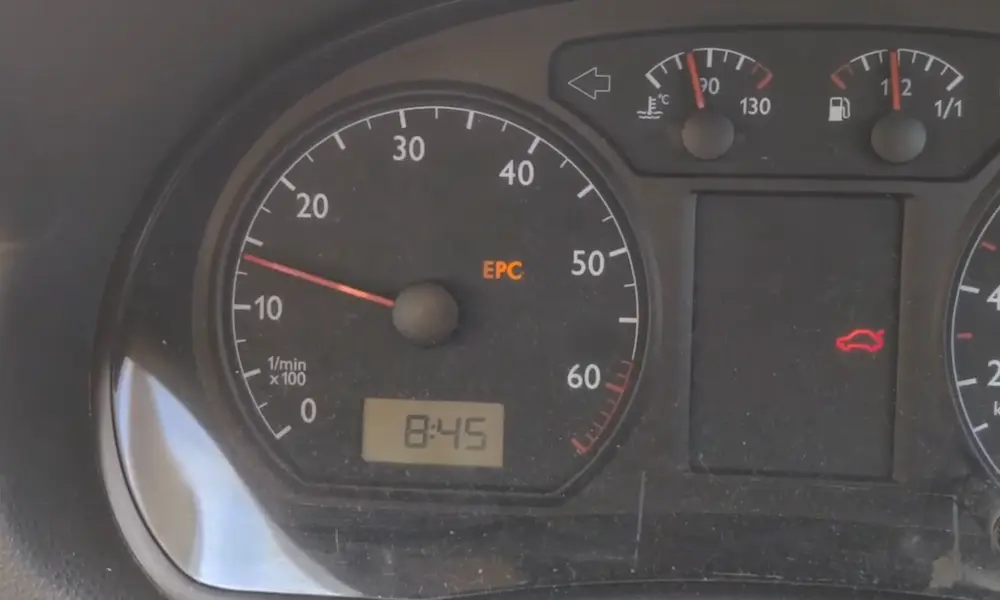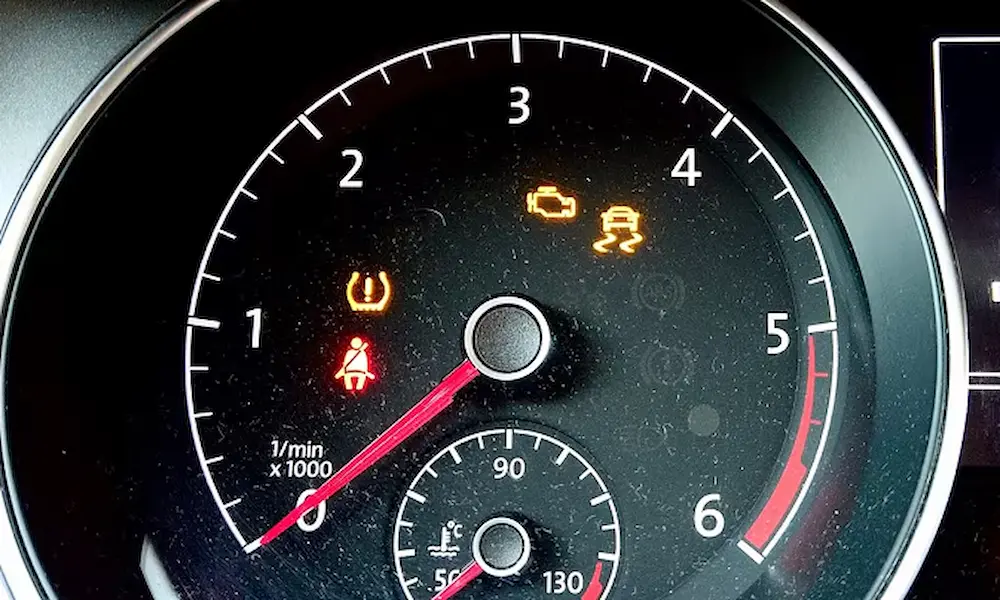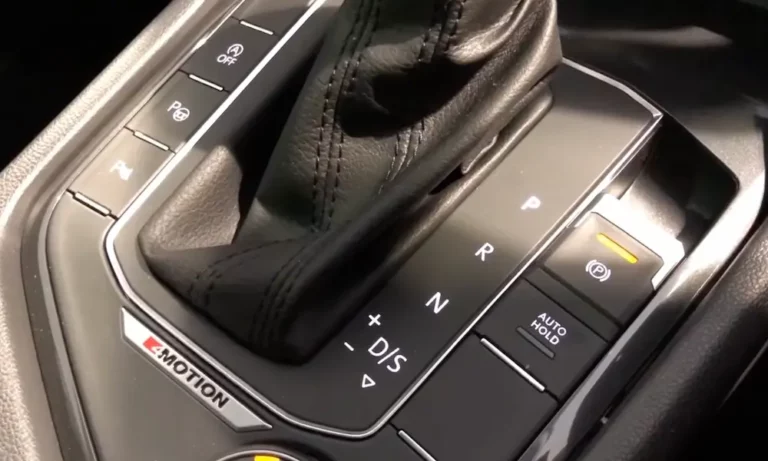
If your VW’s dashboard is flashing warning lights and the gear shifts feel like someone’s learning to drive stick for the first time, you’re not imagining things. VW DSG transmission problems are real, they’re common, and they can turn expensive fast. Let’s break down what’s actually happening inside that fancy dual-clutch gearbox and how to spot trouble before you’re stranded.
What Makes the DSG Different (And Why That Matters)
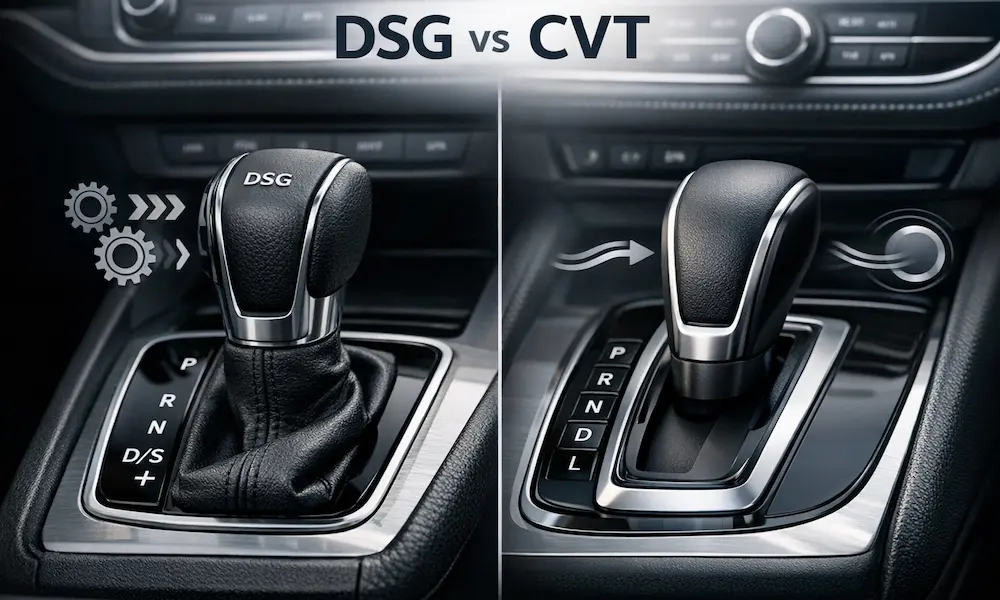
The Direct-Shift Gearbox isn’t your typical automatic. It’s essentially two manual transmissions working together, controlled by computers and hydraulics. One clutch handles odd gears (1-3-5-7), the other manages even gears (2-4-6-R). This setup delivers lightning-fast shifts without losing power between gears.
Sounds great, right? It is—when it works. But this complexity creates multiple failure points that traditional automatics don’t have. The dual-clutch architecture means twice the clutch problems, and the sophisticated mechatronic control unit is essentially a ticking time bomb if you don’t maintain it properly.
The Different DSG Models (And Which Ones Cause Headaches)
Not all DSG transmissions are created equal. VW uses several variants across their lineup, and some are far more problematic than others.
The Troublesome DQ200: Dry Clutch Nightmare
The DQ200 seven-speed is the one you’ll see complained about most. Found in smaller VW models like the Polo, base Golf, and Jetta with 1.2-1.4 TSI engines, this transmission uses dry clutches—meaning no oil bath to cool them down.
This design saves weight and improves fuel economy slightly, but it creates a major problem: heat. In stop-and-go traffic, these clutches overheat rapidly, leading to shuddering, juddering, and premature wear. The DQ200 is also plagued by a structural flaw in the mechatronic housing that causes pressure loss—more on that nightmare later.
The More Reliable Wet-Clutch Variants
If you’ve got a DQ250 (six-speed), DQ381 (seven-speed), or DQ500 (seven-speed heavy-duty), you’re dealing with wet-clutch systems. These submerge the clutch packs in oil, which cools, lubricates, and protects them.
Key wet-clutch models:
| Model | Gears | Max Torque | Common Applications |
|---|---|---|---|
| DQ250 | 6 | 350 Nm | Golf GTI, Leon Cupra, Octavia RS |
| DQ381 | 7 | 420 Nm | Golf R, Tiguan II, Arteon |
| DQ500 | 7 | 600 Nm | RS3, Transporter T5/T6 |
These wet-clutch transmissions are generally more durable, but they’re not bulletproof. They demand strict fluid change intervals—ignore them at your wallet’s peril.
The Mechatronic Unit: Where Most Problems Start
Think of the mechatronic unit as the brain and nervous system of your DSG. It combines the electronic control unit with hydraulic valves and sensors into one compact module. When it fails, you’re dead in the water.
The Cracked Housing Crisis (DQ200)
The most catastrophic failure in the DQ200 involves the pressure accumulator housing. The aluminum casting around this component develops hairline cracks due to a design flaw. As the crack grows, hydraulic pressure bleeds out.
Your transmission compensates by running the hydraulic pump continuously, which eventually burns it out. You’ll see a flashing wrench light, the PRNDS indicator blinking like a Christmas tree, and suddenly—nothing. The car shifts to neutral for “safety” and you’re calling a tow truck.
Solenoid Contamination in Wet Systems
In DQ250 and DQ381 transmissions, the mechatronic unit sits in the same oil that lubricates the clutches and gears. As clutches wear, they shed microscopic metal particles and friction material into the fluid.
If you skip fluid changes, these particles clog the solenoid valves (N215, N216). Clogged solenoids can’t regulate hydraulic pressure properly, causing violent shifts, harsh clunking when downshifting, or complete loss of gear engagement.
Electronic Sensor Failures
The extreme heat inside a transmission destroys electronics over time. In DL501 S-Tronic units and DQ500 transmissions, the sensor plate inside the mechatronic often fails.
When clutch position sensors (K1/K2) die, the computer can’t tell where the clutches are. You’ll lose entire gear sets—either gears 1-3-5-7 or 2-4-6-R. The dashboard will warn you with “Gearbox malfunction: you can continue driving (limited)” but you’re basically driving a very expensive three-speed manual.
Common Fault Codes and What They Actually Mean
When your VW throws a transmission code, here’s what you’re really dealing with:
| Code | What It Means | Likely Problem |
|---|---|---|
| P17BF | Hydraulic pump overload | Cracked mechatronic housing (DQ200) |
| P189C | Insufficient hydraulic pressure | Major pressure leak or pump failure |
| P1815 | Pressure solenoid short | Electrical short or solenoid death |
| P2711 | Unexpected gear disengagement | Clutch slip or failed solenoid |
| P1735/P1736 | Clutch position sensor fault | TCU sensor plate failure |
If you’re getting these codes scanned, don’t let a dealer immediately recommend a $4,500 mechatronic replacement. Many of these issues can be addressed with targeted repairs at a fraction of the cost.
Clutch Problems: The DQ200’s Achilles Heel
The dry clutches in the DQ200 are fundamentally mismatched to real-world driving conditions. Unlike wet clutches that bathe in cooling oil, dry clutches rely on airflow that doesn’t exist when you’re creeping in traffic.
Shuddering and Juddering
That violent shaking when you’re pulling away from a stop? That’s clutch shudder, caused by heat-warped or glazed clutch discs. The clutch surface becomes uneven, creating vibration as it engages.
The transmission’s computer tries to compensate by adjusting the “bite point” but once the friction material wears past tolerance limits, you’ll get violent bangs on engagement or the car will simply stall.
What Accelerates Clutch Wear
Your driving habits directly impact clutch life:
- Traffic creeping: Holding the car at 2 mph by feathering the brake pedal keeps clutches partially engaged and slipping
- Hill holding: Using the accelerator to hold position on an incline generates massive heat
- Launch control abuse: Repeatedly launching hard puts shock loads on clutches and the dual mass flywheel
The Dual Mass Flywheel: That Ominous Rattle
If you hear a metallic “clack-clack-clack” rattle at idle that disappears when you rev the engine, your dual mass flywheel is failing.
The DMF contains internal springs and dampers designed to absorb engine vibrations before they reach the transmission. When these springs break down or the grease dries out, you get that distinctive noise.
Ignoring a failing DMF is a terrible idea. The excessive play can damage input shaft bearings or even crack the gearbox housing. DMF replacement typically runs $1,200-$1,800 at independent shops, but dealers will quote you $2,500-$3,500.
Since replacing the DMF requires removing the transmission anyway, smart owners address clutch replacement at the same time to avoid paying labor twice.
Warning Signs Your DSG Is About to Fail
Don’t wait for complete failure. Watch for these symptoms:
Immediate red flags:
- Flashing PRNDS gear indicator
- “Gearbox in emergency mode” dashboard message
- Complete loss of drive while moving
- Car stuck in neutral despite being in Drive
Early warning signs:
- Harsh or delayed shifts, especially 1st to 2nd
- Shuddering when pulling away from stops
- Grinding or crunching into reverse
- Metallic rattling at idle
- Surging or lurching at low speeds
If you experience any of the immediate red flags, pull over safely and shut off the engine. Continuing to drive can cause secondary damage that turns a $1,500 repair into a $5,000 disaster.
The Maintenance Schedule Nobody Follows (But You Should)
Here’s the truth: VW’s official “lifetime fluid” claim is marketing nonsense. The fluid and filter need changing every 40,000 miles in wet-clutch systems.
What a Proper DSG Service Includes
A complete service involves:
- Draining 5.5-6.0 liters of specialized DSG fluid
- Replacing the external cartridge filter
- Resetting the transmission adaptation values using VCDS or equivalent
Cost breakdown:
- Dealer: $400-$800
- Independent shop: $250-$400
- DIY with parts kit: $150-$250
Skip this service and you’re looking at mechatronic failure or clutch burnout that’ll cost $3,000+. That’s a pretty expensive way to save $400.
DQ200 Dry Clutch “Maintenance”
The DQ200 doesn’t have serviceable clutch fluid, but it still needs gear oil changes. More importantly, it requires careful driving to survive. Treat it like a manual transmission—minimize clutch slip, don’t creep in traffic, use the handbrake on hills.
VW’s Recall and Lawsuit History
VW has faced significant legal and regulatory pressure over DSG problems, which tells you everything about how widespread these issues are.
The Temperature Sensor Recall
NHTSA recall 09V333000 addressed about 16,000 model year 2009-2010 Jetta, GTI, and Eos vehicles with faulty temperature sensor wiring. The poorly crimped connectors caused false high-temperature readings, forcing the transmission into neutral without warning—at highway speeds.
Audi S4/S5 Class Action Settlement
The Gillard v. Volkswagen settlement covered 2010-2012 Audi S4 and S5 owners dealing with shuddering, rough shifting, and limp mode activation. VW agreed to reimburse past repairs (up to 100% depending on mileage) and extended the transmission warranty to 9 years/90,000 miles.
Service Action 34H7: Free Transmission Replacements
In 2017, VW issued Service Action 34H7 for certain 2017 Golf, GTI, and Alltrack models with insufficient oil supply in the gearbox. The remedy? Complete DSG replacement at no charge to owners.
Auxiliary Pump Software Campaign
Service Action 34K1 addressed DQ381 auxiliary pump failures in 2023. VW updated the software and provided hardware repairs after numerous reports of pump burnout causing loss of drive.
Repair Costs: Dealer vs. Specialist vs. DIY
When your DSG fails, you have options beyond the dealer’s quote for a new unit.
Mechatronic Unit Replacement vs. Rebuild
Dealers almost always recommend complete unit replacement:
- DQ200 mechatronic: $3,600-$4,500
- DQ250/381 mechatronic: $4,000-$5,500
- DQ500 mechatronic: $4,500-$6,000
But specialized rebuilders offer targeted repairs for significantly less:
- DQ200 rebuild: $1,200-$1,800
- DQ250/381 rebuild: $1,500-$2,500
- TCU sensor plate replacement: $800-$1,200
The Kinergo Reinforcement Kit
For the DQ200’s cracked housing problem, companies like Kinergo developed a steel reinforcement plate that addresses the design flaw. Installed cost: $500-$800 versus $3,600 for a new mechatronic.
Full Transmission vs. Targeted Component Repair
| Repair Need | Dealer Cost | Specialist Cost |
|---|---|---|
| Mechatronic unit | $3,600-$5,500 | $1,200-$2,500 |
| Clutch pack (wet) | $3,000-$4,500 | $2,000-$2,500 |
| Dual mass flywheel | $2,500-$3,500 | $1,200-$1,800 |
| Complete transmission | $7,000-$9,000 | $4,500-$6,000 |
Software Updates and Adaptation Resets
VW regularly releases software updates that modify shift points and clutch engagement strategies. After any mechanical repair or fluid service, the transmission adaptation values must be reset using VCDS or the factory scan tool.
Without this reset, the computer is still compensating for worn clutches that have been replaced, leading to incorrect bite points and premature wear of the new components.
Driving Habits That Kill Your DSG
How you drive matters enormously with DSG longevity:
Do this:
- Use auto-hold or handbrake on hills
- Shift to neutral during extended stops
- Avoid “creeping” in traffic by repeatedly tapping the brake
- Allow proper warm-up before aggressive driving
Don’t do this:
- Hold the car on a hill using the accelerator
- Feather the brake pedal to crawl at 2 mph
- Launch aggressively when the transmission is cold
- Ignore maintenance intervals
The DQ200 especially punishes bad habits because it can’t dissipate heat. Every second of clutch slip in traffic is grinding away the friction material without the oil bath that wet-clutch systems use for protection.
Should You Buy a Used VW with a DSG?
This is the question, isn’t it? Here’s the honest answer: it depends on which DSG and what maintenance records exist.
Green light scenarios:
- DQ250, DQ381, or DQ500 wet-clutch system
- Complete fluid change history every 40,000 miles
- No prior mechatronic repairs
- Pre-purchase inspection by DSG specialist
Red flags:
- DQ200 with unknown service history
- Any shuddering, juddering, or harsh shifts during test drive
- Flashing lights or stored transmission codes
- Owner who “didn’t know it needed fluid changes”
If you’re considering a high-mileage VW with a DSG, budget $1,000-$2,000 for potential transmission work within the first year. If the seller balks at a pre-purchase inspection by a transmission specialist, walk away.
The Bottom Line on VW DSG Transmission Problems
The DSG isn’t inherently bad—it’s actually brilliant engineering when maintained properly. The wet-clutch variants (DQ250, DQ381, DQ500) can deliver 200,000+ miles with religious fluid changes every 40,000 miles.
The DQ200 dry-clutch unit is more problematic by design. It requires careful driving and realistic expectations about urban traffic performance. If you do a lot of stop-and-go commuting, a DQ200-equipped VW probably isn’t your best choice.
What kills most DSG transmissions isn’t design flaws—it’s neglect. Skipping fluid changes, ignoring early warning signs, and driving habits that constantly slip the clutches turn minor wear items into catastrophic failures.
If you’re already experiencing problems, don’t panic and don’t assume you need a $5,000 transmission replacement. Get a proper diagnostic from a specialist who understands these transmissions. Many failures can be addressed with targeted repairs at a fraction of dealer costs.
The key is acting early. That slight shudder or delayed shift you’re ignoring? That’s your transmission telling you something needs attention. Address it now at $500, or ignore it and pay $3,500 later. Your choice.