Dealing with that dreaded check engine light in your VW TDI? If your scan tool shows P2015, you’re not looking at a death sentence for your wallet. While dealerships might quote you nearly $1,000 for a fix, there’s a much simpler solution that costs under $70. Let’s break down everything you need to know about this common TDI issue.
What Does the VW TDI P2015 Code Actually Mean?
When your VW TDI throws a P2015 code, your car’s computer (the Powertrain Control Module) has detected an issue with the “Intake Manifold Runner Position Sensor/Switch Range/Performance on Bank 1.” In plain English, the sensor that monitors your intake manifold flaps is reporting values outside its normal range.
The intake manifold in your TDI engine uses movable flaps to optimize airflow at different engine speeds. When these flaps don’t move properly or the sensor can’t accurately report their position, the P2015 code appears. This problem is especially common in 2009-2014 Common Rail TDI engines.
How Your Car Behaves When P2015 Strikes
When this code appears, you’ll likely notice:
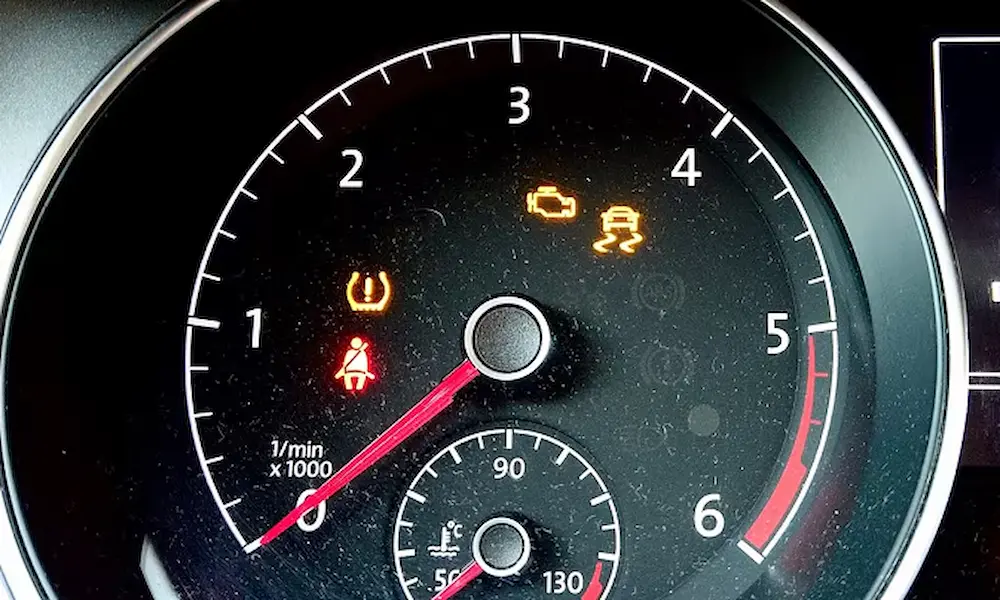
- An illuminated check engine light that won’t go away
- Decreased fuel economy (your TDI won’t deliver those diesel MPGs you love)
- Sluggish acceleration and reduced power
- Occasionally rough idling
- In some cases, the car may enter “limp mode” with severely restricted power
Many drivers report the symptoms come and go initially, but eventually become permanent if left unaddressed.
The Real Cause: Plastic Meets Physics
The primary cause of P2015 in VW TDIs is surprisingly simple: a plastic stop limit inside the intake manifold that wears down over time.
This tiny plastic piece is designed to limit how far the flap actuator arm can travel. After thousands of engine cycles and exposure to heat, this stop deteriorates, allowing the flap to move beyond its intended range. When this happens, the position sensor reports values outside its expected parameters, triggering the P2015 code.
Other less common causes include:
- Damaged wiring connections to the position sensor
- Faulty IMRC (Intake Manifold Runner Control) actuator
- Cracked vacuum hoses connected to the manifold
- PCM software issues (rare)
Diagnosing Your P2015 Problem
Before attempting any repairs, confirm you’re dealing with a P2015 code:
- Scan with an OBD-II reader: Verify P2015 is the active code. If multiple codes are present, address them in logical order.
- Perform a visual inspection: Check for obvious issues like:
- Cracked or disconnected vacuum lines
- Damaged wiring to the intake manifold sensors
- Signs of physical damage to the manifold itself
- Test the flap movement: With the engine off, locate the flap actuator arm on the passenger side of the aluminum intake manifold. Try moving it gently by hand—if it travels too freely or too far, your internal stop is likely worn.
- Check for binding: If the flap feels stuck or difficult to move, there might be a mechanical issue beyond the worn stop.
Your Repair Options: From $60 to $900+
When facing a P2015 code, you have several repair options with dramatically different costs:
| Repair Method | Description | Typical Cost | Time Required |
|---|---|---|---|
| Stop-Limit Bracket | Install an aluminum bracket that replaces the worn plastic stop | $60-$70 | 15-30 minutes |
| Complete Manifold Replacement | Replace the entire intake manifold assembly | $900-$1,200 | 2-3 hours |
| Dealer Repair | Dealership diagnosis and manifold replacement | $1,000-$1,500 | Vehicle at shop 1-2 days |
The aluminum stop-limit bracket has become the go-to solution in the TDI community. Companies like DieselGeek make purpose-built brackets that permanently solve the problem without the excessive cost of a new manifold.
The DIY Bracket Fix: Step-by-Step
If you’re moderately handy with tools, you can install a P2015 repair bracket yourself in about 15 minutes. Here’s how:
- Gather tools: You’ll need a Torx bit (usually T25 or T30), a socket wrench, and your repair bracket kit.
- Locate the flap actuator: It’s on the passenger side of the engine, on the aluminum intake manifold.
- Remove the engine cover: This gives you better access to the manifold area.
- Remove the original stop screw: Using the appropriate Torx bit, remove the factory limiting stop screw.
- Install the bracket: Position the bracket where the original stop was located, ensuring it will properly limit the flap arm’s travel.
- Secure the bracket: Tighten the new hardware according to the bracket instructions.
- Clear the code: Use an OBD-II scanner to clear the P2015 code.
- Test drive: Take the car for a test drive and monitor to ensure the code doesn’t return.
Many owners report this fix takes less than 20 minutes and permanently resolves the issue. You can find detailed video tutorials on YouTube showing the exact process.
When Should You Replace the Entire Manifold?
While the bracket fix works for most cases, sometimes a full manifold replacement is necessary:
- If the bracket fix doesn’t resolve the P2015 code
- When there’s visible damage to the manifold housing
- If the actuator or sensor has failed electrically
- When multiple manifold-related codes are present simultaneously
- If you want a completely factory-original solution
Manifold replacement is significantly more complex, involving fuel line disconnection and more extensive disassembly. Unless you’re experienced with diesel engine work, this is best left to professionals.
Preventing Future P2015 Problems
If you own a 2009-2014 VW TDI and haven’t experienced the P2015 code yet, consider these preventive measures:
- Install a stop-limit bracket before problems develop (many owners do this proactively)
- Keep your intake system clean to prevent soot buildup
- Regularly inspect vacuum hoses for cracks or deterioration
- Consider using high-quality diesel fuel to reduce carbon deposits
Many TDI enthusiasts install the bracket as a preventive measure during other scheduled maintenance, saving themselves the hassle of dealing with the check engine light later.
The Bottom Line on VW TDI P2015
The P2015 code in VW TDI engines is nearly always caused by a simple worn plastic stop in the intake manifold. While dealers and some shops will recommend a complete manifold replacement costing $900+, a simple $60-70 aluminum bracket will fix the problem permanently for most vehicles.
This fix has been adopted by thousands of TDI owners with excellent long-term results. The aftermarket brackets are typically made from machined aluminum that won’t wear down like the original plastic part.
If you’re comfortable with basic mechanical work, the bracket installation is well within the capabilities of most DIY enthusiasts. If not, even paying a shop to install the bracket will cost significantly less than a complete manifold replacement.
Remember that addressing P2015 promptly not only clears your check engine light but also restores proper engine performance and fuel economy—making your TDI experience much more enjoyable again.