You’re staring at a tire quote that’s half the price of the big-name brands. Tempting, right? Before you click “buy” on those budget Westlakes, let’s talk about what you’re actually getting—and whether saving a few hundred bucks upfront is worth the risk on Chicago’s brutal roads.
What Are Westlake Tires, Anyway?
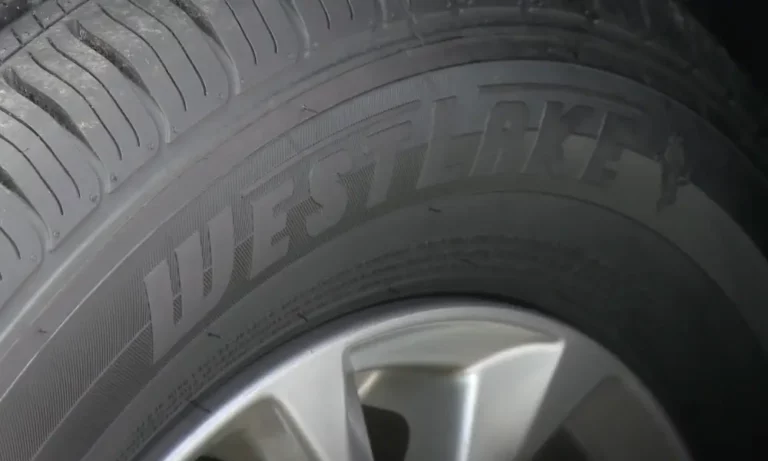
Westlake tires come from ZC Rubber, a massive Chinese tire manufacturer that’s actually one of the top 10 global tire companies. They’re distributed in the U.S. by Tireco, a California-based company.
Here’s the twist: ZC Rubber can make quality tires. They produce high-end models that earn respected certifications. But the budget Westlakes you’ll find at Walmart? That’s a different story entirely.
The company runs what looks like a two-tier strategy. They make fancy tires to prove they’re legit, then mass-produce cheap ones to compete on price. It’s like a chef who can cook a perfect steak but mostly sells frozen dinners.
The Safety Record That Should Make You Think Twice
Let’s cut to the chase: Westlake’s safety history isn’t pretty.
Back in 2007, the feds ordered a massive recall of 255,000 to 450,000 Westlake tires. The problem? These tires were manufactured without a gum strip—a basic component that binds the steel belts together and prevents tread separation.
That’s not a minor oversight. It’s like building a car without seat belts. The missing component created a serious risk of catastrophic tread separation, the kind that makes you lose control at highway speeds.
More recently, there have been NHTSA recalls for undersized tires and incorrect inflation specifications on tire placards. Sure, these were trailer tires, but they point to ongoing quality control issues in the supply chain.
How Do Westlake All-Season Tires Actually Perform?
Here’s where things get interesting. On retailer websites, Westlake all-season models like the RP18 and SU318 get glowing reviews—4.6 to 4.7 stars out of 5.
But there’s a catch.
When independent testers put the Westlake SU318 through objective trials against eight competitors, it finished dead last. The results showed “extremely long wet braking distances” and “poor aquaplaning resistance.”
Why the disconnect? Simple. If you’re replacing bald, rotting tires with any new tire, it’ll feel like an upgrade. People leave positive reviews based on that comparison, not realizing how poorly the tire stacks up against actual competition.
The Real-World Feedback
Dig into enthusiast forums and mechanic communities, and you’ll hear a different tune. Users describe the RP18 as “horrible in adverse terrain/weather” and warn about being “a little slippery in the rain” with a caution to “beware of aquaplaning.”
For Chicago? That’s a problem. You don’t want tires that struggle in the wet when you’re dealing with spring downpours and slushy streets.
The Chicago-Specific Problem: Potholes
Let’s talk about what makes Chicago roads special—and by special, I mean terrible.
Chicago’s pothole situation is legendary. After winter, the roads look like a war zone. You need tires with robust construction to survive the constant punishment.
Westlake’s documented history includes that 2007 tread separation issue and user reports of “thin” construction vulnerable to punctures. Forum users mention the brand has been “sued numerous times for the inner liner of the tire separating.”
This is a direct mismatch. The exact failure modes Westlake is known for—tread separation and thin construction—are the ones most likely to catastrophically fail when you hit a sharp-edged pothole at speed.
What About Westlake Winter Tires?
If you’re considering Westlake’s dedicated winter models like the SW608 or SW606, there’s something critical you need to know.
These tires might perform okay in moderate winter conditions. A 2020 Auto Bild test found the SW608’s twin (Goodride Z-507) ranked 25th out of 51 tires—not terrible for a budget brand.
But here’s the dealbreaker for Chicago: these tires reportedly fail in extreme cold.
One user review describes what happens when temperatures drop below -20°C (-4°F): “At -30 Celsius which it commonly drops to where I live it is similar to driving on hockey pucks. Terrifying. Absolutely dangerous.”
This isn’t just someone being dramatic. It’s a technical description of compound failure. The rubber hardens and loses all grip when it gets really cold—exactly when you need that grip most.
Chicago’s Polar Vortex Problem
Chicago regularly experiences Polar Vortex events that push temperatures to -20°C to -30°C. During these deep freezes, you’re literally depending on your winter tires’ compound technology to keep you safe.
Premium winter tires use advanced silica and oil-based compounds that stay pliable in extreme cold. Budget compounds freeze up and stop working.
A winter tire that fails in Chicago’s actual winter conditions isn’t a winter tire at all.
The “All-Weather” Alternative Doesn’t Cut It Either
You might think Westlake’s All Season Elite Z-401 is the answer. It carries the Three-Peak Mountain Snowflake (3PMSF) symbol, which means it’s certified for snow traction.
The 3PMSF certification sounds great, but there’s a hidden catch. The test only measures acceleration in snow. It doesn’t test braking, cornering, ice traction, or wet performance.
Budget tires often get their 3PMSF rating by sacrificing everything else. A 2025 user review confirms this exact problem with the Z-401: while it’s fine on dry roads, “on wet it is not at all safe, hydroplaning a go go.”
So you can’t win with a single-tire solution. The M+S models fail in wet and snow. The 3PMSF model passes the snow test but becomes dangerous in the rain.
The Money Math: Westlake Isn’t Actually Cheaper
Here’s where the “value” argument falls apart completely.
People think they’re choosing between $400 Westlakes and $1,000 Michelins. That’s a false comparison. The real choice is between Westlakes and budget name-brands like General, Kumho, or Hankook.
Let’s run the actual numbers:
| Feature | Westlake RP18 | General Altimax RT45 |
|---|---|---|
| Upfront Price (example size) | $114 | $156 |
| Savings Per Tire | $42 | — |
| Treadwear Warranty | 45,000 miles | 75,000 miles |
| Warranty Difference | — | 67% more life |
| Wet Performance | “Slippery in rain,” “beware aquaplaning” | “Shorter braking distances on wet roads” |
| Special Features | Basic tread | Replacement Tire Monitor, Visual Alignment Indicators |
Do the math. To drive 75,000 miles, you’d need 1.67 sets of Westlakes. That’s more expensive than one set of Generals, which are warrantied for the full 75,000 miles.
You’re not saving money. You’re losing it—and accepting worse performance and higher safety risks in the process.
Are There Any Situations Where Westlake Makes Sense?
Let’s be honest: if you’re replacing a spare tire that’ll never touch pavement, or you need something for a car you’re selling next month, sure. Westlakes will hold air and roll.
But for daily driving? For a car you depend on? For Chicago’s specific combination of potholes, rain, slush, and extreme cold?
No.
The minimal upfront savings (about $160-$170 on a full set) don’t justify the documented risks:
- Higher risk of catastrophic failure from pothole impacts
- Objectively poor wet-weather performance
- Winter tires that fail in extreme cold
- Shorter tread life that costs you more long-term
What Should Chicago Drivers Buy Instead?
If you’re budget-conscious (and who isn’t?), look at Tier 2 brands instead:
General Altimax RT45: 75,000-mile warranty, proven wet performance, features that help protect your investment.
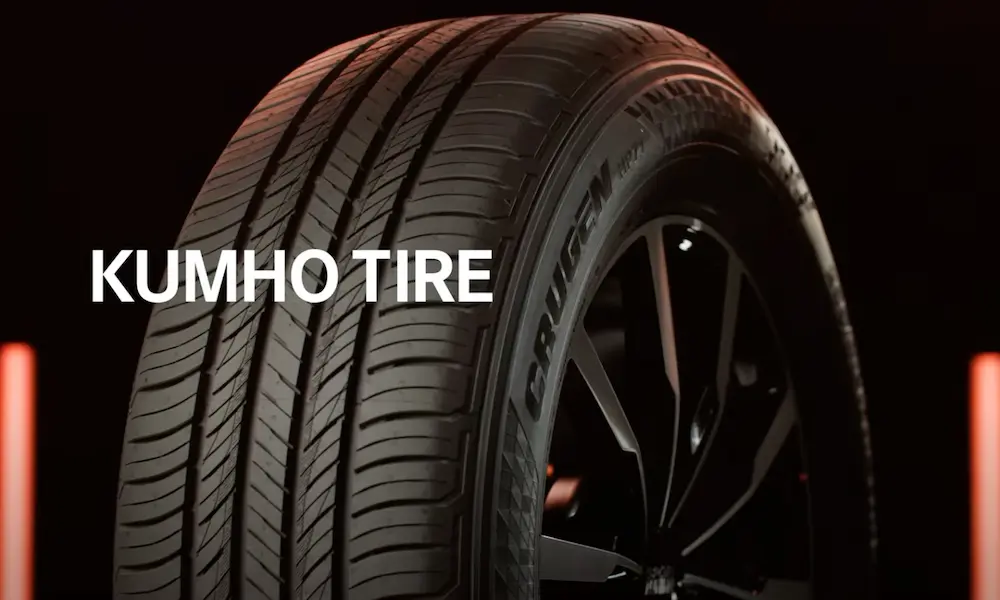
Kumho or Hankook models: Established brands with solid reputations and competitive pricing.
Falken options: Good middle-ground between price and performance.
These brands offer demonstrably superior warranties, better safety records, higher objective test scores, and—here’s the kicker—lower long-term cost per mile.
For winter, don’t mess around. Get actual quality winter tires from brands like Michelin X-Ice or Bridgestone Blizzak. Yes, they cost more upfront, but they won’t turn into hockey pucks when the Polar Vortex hits.
The Bottom Line on Westlake Tires
Are Westlake tires good? No. They’re cheap, and there’s a massive difference between cheap and good.
Are they good for Chicago? They’re uniquely unsuited for it. Every documented weakness in the Westlake lineup maps directly onto a Chicago driving hazard:
- Weak construction meets aggressive potholes
- Poor wet performance meets rain and slush
- Cold-weather compound failure meets Polar Vortex temps
The $160 you “save” isn’t a deal. It’s a trap. You’re buying tires with a documented history of safety recalls, bottom-tier test performance, and specific vulnerabilities to every major challenge Chicago roads throw at you.
Your tires are the only thing between your car and the road. They’re not the place to pinch pennies. Skip the false economy and invest in Tier 2 budget brands that’ll actually keep you safe without breaking the bank.