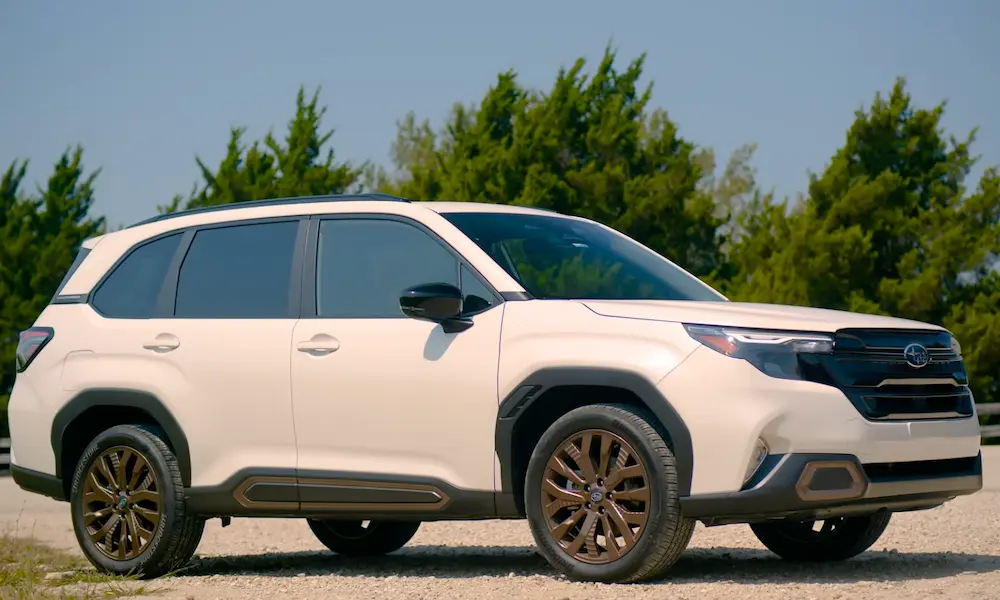
Is your Subaru hesitating during acceleration? Are the RPMs rising without matching speed? Those Christmas tree dashboard lights might not be festive – they could be warning signs of a failing valve body. This critical CVT component often fails between 100,000-180,000 miles, with most issues appearing around 115,000-150,000 miles.
Let’s dive into everything you need to know about Subaru valve body replacement, from symptoms to costs and repair options that might save you thousands.
What Is a Valve Body and Why It’s Critical to Your Subaru
The valve body is essentially your Subaru’s transmission brain. It’s the hydraulic control center of the Lineartronic CVT system that manages pressure regulation, determining how your transmission responds to varying speeds and loads. Unlike traditional automatics with discrete gears, Subaru’s CVT uses a pulley system requiring precise hydraulic pressure control for smooth operation.
Inside the valve body, multiple solenoids control hydraulic fluid flow throughout your transmission. These electromagnetic components direct CVT fluid to different areas, enabling seamless ratio changes and proper AWD operation. When these solenoids begin to fail—usually due to fluid contamination, wear, or electrical issues—your transmission’s smooth operation becomes compromised.
TR580 vs TR690: Know Your CVT Type
Subaru uses two main CVT variants that significantly impact valve body replacement:
| Feature | TR580 | TR690 |
|---|---|---|
| Valve Body Location | Top-mounted (engine bay accessible) | Bottom-mounted (inside transmission pan) |
| Labor Time | 1.5-2 hours | 3-4 hours |
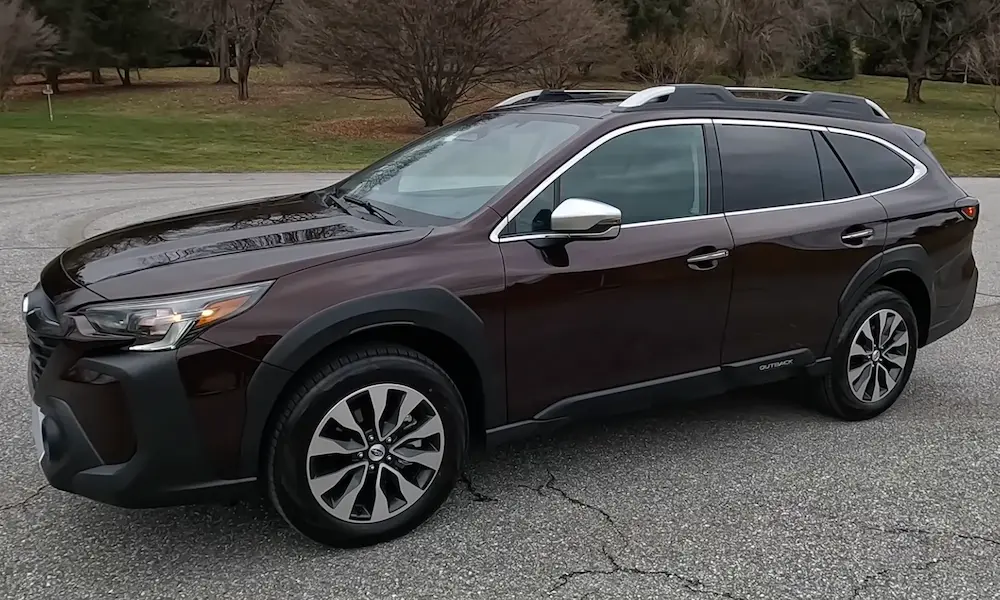
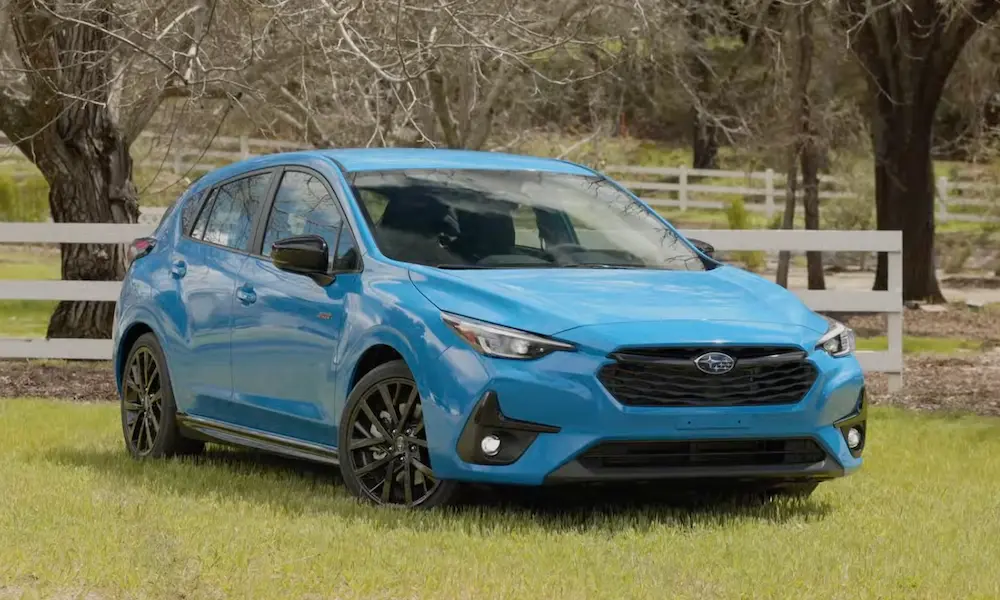
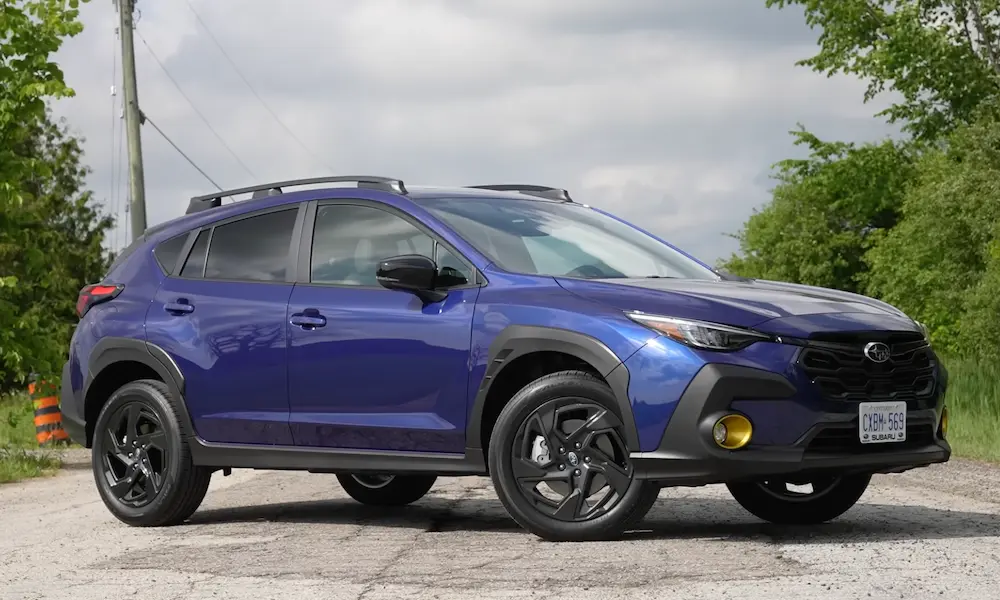
| Found In | Impreza, Crosstrek, Forester (2.0L/2.5L) | Legacy, Outback (3.6L H6, some turbos) |
| Accessibility | Relatively straightforward | Requires pan removal, underneath access |
Knowing which transmission you have helps understand repair complexity and costs. Top-mounted TR580 valve bodies are much easier to access than the bottom-mounted TR690 units.
Warning Signs Your Valve Body Is Failing
Your Subaru will tell you when the valve body is failing – you just need to know the language. Here are the most common symptoms:
Driveability Issues
When valve body problems begin, your Subaru might show these symptoms:
- Hesitation during acceleration – You press the gas, and there’s a pause before power kicks in
- RPMs rising without matching acceleration – The engine revs up, but your speed doesn’t increase proportionally
- Shuddering at low speeds – The vehicle vibrates or jerks, especially when starting from a stop
- Hard garage shifts – Rough transitions when moving from reverse to drive or vice versa
Warning Lights and Codes
The “Christmas tree dashboard” effect happens when multiple warning lights illuminate simultaneously:
- Check engine light
- AT temp warning
- ABS light
- Traction control indicators
These lights trigger because the transmission control module detects abnormal valve body operation and activates safety systems.
The most common diagnostic codes include:
- P0971 (AWD solenoid circuit high)
- P2764 (torque converter lockup solenoid circuit low)
- P0700 (general transmission control system malfunction)
These codes specifically point to solenoid failures within the valve body assembly. Normal solenoid resistance should be 3.2-4.5 ohms for the transfer clutch solenoid and 10-13.5 ohms for the torque converter lockup solenoid. When they fail, they often read either open circuit or very low resistance values.
Repair Options: OEM vs. Aftermarket Solutions
When facing valve body issues, you have several repair options, each with its own cost-benefit tradeoff:
OEM Replacement
Original Equipment Manufacturer valve bodies represent the gold standard for reliability.
- TR580 valve bodies typically cost $750-850
- TR690 units range from $800-900
OEM assemblies include all solenoids and wiring harnesses, plus manufacturer warranties. They provide the highest likelihood of long-term reliability.
Individual Solenoid Replacement
A more budget-friendly option involves replacing individual failing solenoids.
Dorman makes aftermarket solenoids priced around $60 each. While this seems cost-effective, there’s a catch: multiple solenoids often fail within similar timeframes. Many technicians recommend complete valve body replacement to avoid paying repeated labor costs for subsequent solenoid failures.
Aftermarket Valve Bodies
These units offer a middle ground with prices typically 20-30% below OEM costs. However, availability remains limited for Subaru applications, and quality varies significantly among suppliers. For critical transmission components, OEM parts usually remain the safer choice.
The Real Cost of Valve Body Replacement
The total cost of valve body replacement varies significantly depending on your specific Subaru model, transmission type, and who performs the work.
Parts and Labor Breakdown
Here’s what you can expect to pay for a professional valve body replacement:
| Expense | TR580 (Top-Mounted) | TR690 (Bottom-Mounted) |
|---|---|---|
| OEM Valve Body | $750-850 | $800-900 |
| Labor (Shop Rate $140/hr) | $210-280 (1.5-2 hrs) | $420-560 (3-4 hrs) |
| CVT Fluid (7-8 qts) | $140-200 | $140-200 |
| Total Cost Range | $1,100-1,330 | $1,360-1,660 |
The significant labor difference comes from accessibility. TR580’s top-mounted design allows technicians to access the valve body through the engine bay. TR690 repairs require transmission pan removal, gasket replacement, and proper torque specifications for reassembly.
CVT Fluid Considerations
Every valve body replacement requires fresh CVT fluid. This isn’t just any transmission fluid – Subaru’s CVTs need specific formulations that have changed multiple times based on model year and engine application. Using incorrect fluid can cause immediate transmission damage, making professional service or careful research essential.
Extended Warranty Coverage: Are You Protected?
Before paying out of pocket, check if your repair is covered under warranty.
Subaru’s CVT Warranty Extension Program
Subaru of America implemented comprehensive CVT warranty extensions for many 2010-2019 models, extending coverage to 10 years or 100,000 miles from the original warranty start date. This extension specifically covers valve body failures and represents substantial potential savings.
The extension applies to original equipment CVTs and genuine Subaru replacement assemblies. Importantly, this coverage doesn’t require proof of CVT fluid maintenance, though some dealers may ask about service history.
Coverage eligibility varies by model year, with some vehicles receiving additional one-year coverage periods regardless of mileage. Contact Subaru of America directly with your VIN to verify coverage status, as warranty extension letters weren’t sent to all eligible owners.
Beyond Warranty: Goodwill Repair Options
Even if you’re outside warranty coverage, Subaru occasionally provides goodwill assistance on a case-by-case basis, particularly for vehicles slightly beyond the 100,000-mile threshold.
Factors influencing goodwill decisions include:
- Maintenance history
- Vehicle condition
- Proximity to warranty limits
Documentation proving regular maintenance, especially CVT fluid changes, can strengthen goodwill requests. Some owners report receiving partial cost coverage or labor assistance even at mileages up to 120,000 miles, though these decisions remain at Subaru’s discretion.
DIY or Professional Installation?
Should you tackle valve body replacement yourself or leave it to the pros? Here’s what to consider:
DIY Considerations
TR580 valve body replacement represents a moderately challenging DIY project for mechanically inclined owners. The top-mounted design provides good access, requiring basic hand tools and approximately 4-6 hours for first-time installers. Critical steps include proper gasket installation, O-ring replacement, and adhering to torque specifications to prevent leaks.
The most challenging aspects for DIY valve body replacement are:
-
Fluid level adjustment requires precise temperature monitoring (95-113°F/35-45°C) for accurate checking. Many DIY attempts fail due to improper fluid levels, leading to transmission damage.
-
CVT learning procedures traditionally require dealer-level scan tools. Several aftermarket options now offer CVT relearn capabilities, including the Gearwrench Pro ($125) and various Topdon units. This procedure is essential – the transmission control module must adapt to the new valve body.
Professional Installation Benefits
Professional installation offers several advantages beyond technical expertise:
- Warranty protection ensures coverage for both parts and labor
- Diagnostic equipment for pre- and post-repair verification
- Proper fluid disposal meeting environmental regulations
- Liability insurance covering potential damage during repair
- Specialized tools for CVT learning procedures
For most owners, the additional cost of professional installation provides peace of mind and potentially avoids costly mistakes.
Preventive Maintenance: Avoiding Valve Body Failure
The best valve body repair is the one you never need. Here’s how to maximize CVT longevity:
CVT Fluid Maintenance Schedule
Despite Subaru’s claims of “lifetime” CVT fluid, regular fluid changes represent the most effective prevention against valve body failure. Independent experts recommend CVT fluid changes every 30,000-40,000 miles rather than Subaru’s 100,000-mile recommendation.
Severe driving conditions accelerate fluid degradation, including:
- Frequent towing
- Stop-and-go traffic
- Extreme temperatures
- Mountainous driving
Under these conditions, fluid changes at 25,000-mile intervals provide optimal protection against solenoid contamination and premature failure.
Early Detection Strategies
Regular diagnostic scanning can identify developing valve body issues before complete failure. Resistance testing of valve body solenoids during routine maintenance allows detection of degrading components before they trigger warning lights.
Driving behavior modifications can extend valve body life, particularly:
- Avoiding rapid shifts between reverse and drive
- Allowing the transmission to warm up before heavy acceleration
- Monitoring transmission temperature during demanding conditions
Many owners install aftermarket transmission temperature gauges to proactively monitor CVT operating conditions.
After Replacement: What to Expect
After investing in valve body replacement, you’ll want to know what to expect in terms of performance and longevity.
Expected Service Life
Valve body replacement typically provides 100,000-150,000 miles of additional service life, based on owner reports and original failure patterns. The replacement includes all solenoids, essentially refreshing the primary wear components within the transmission.
Multiple owners report successful operation extending 60,000+ miles post-replacement without recurring valve body issues. The comprehensive nature of replacement addresses the root causes of the original failure.
However, valve body replacement doesn’t address potential chain slip issues that may develop in higher-mileage CVTs. Chain slip represents a separate failure mode requiring complete transmission replacement, typically occurring at mileages exceeding 200,000 miles.
Monitoring Post-Repair Performance
After replacement, pay attention to these indicators of successful repair:
- Smooth acceleration without hesitation
- Proper RPM-to-speed ratio
- No warning lights or error codes
- Quiet operation without shuddering
Any recurrence of symptoms should be addressed immediately to prevent additional transmission damage.
Making the Repair Decision: Cost-Benefit Analysis
For vehicles with current values below $15,000, valve body replacement often makes financial sense compared to vehicle replacement. The typical repair cost of $1,500-2,400 is significantly less than purchasing a comparable used vehicle with an unknown maintenance history.
Total cost of ownership considerations favor valve body replacement for owners planning to keep vehicles long-term. The repair addresses the primary CVT failure mode, potentially providing years of reliable service with proper maintenance.
Vehicle age and mileage significantly influence the repair decision. Vehicles approaching 200,000 miles may face additional transmission issues beyond valve body failure, making replacement less attractive than for lower-mileage units.
Preventing Future Failures
After investing in valve body replacement, protect your transmission with these practices:
- Maintain proper fluid levels – Check regularly and ensure the correct fluid specification
- Change fluid every 30,000-40,000 miles (more often for severe service)
- Allow warm-up time before heavy acceleration
- Avoid rapid shifts between drive and reverse
- Consider a transmission cooler for severe service applications
- Monitor for early symptoms of potential issues
Subaru valve body replacement represents a significant but often necessary investment for CVT-equipped vehicles. Understanding your options, costs, and preventive measures can save thousands while extending your Subaru’s service life. With proper care and timely intervention, your Subaru’s CVT can provide many years of reliable service even after valve body replacement.