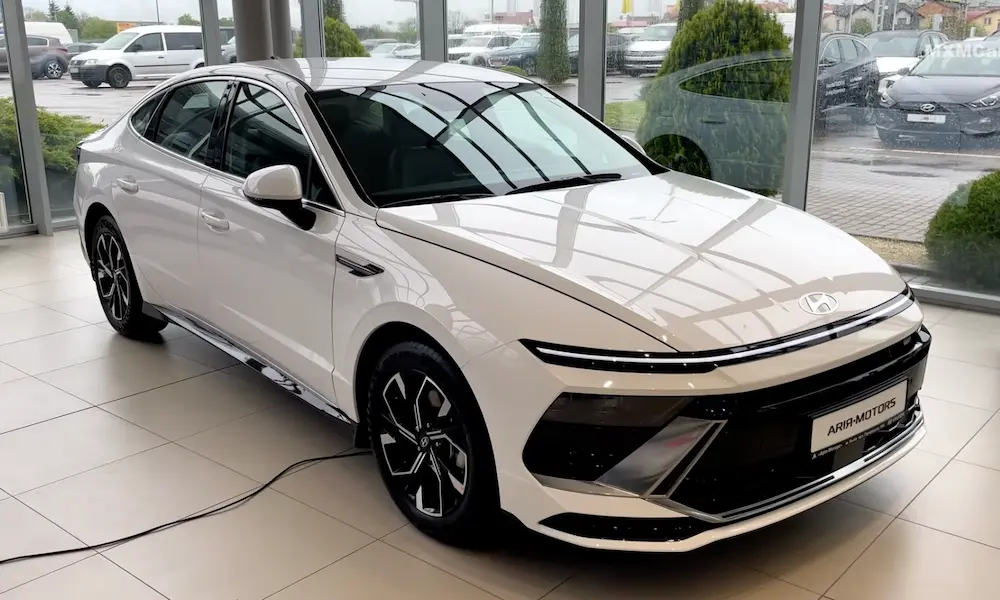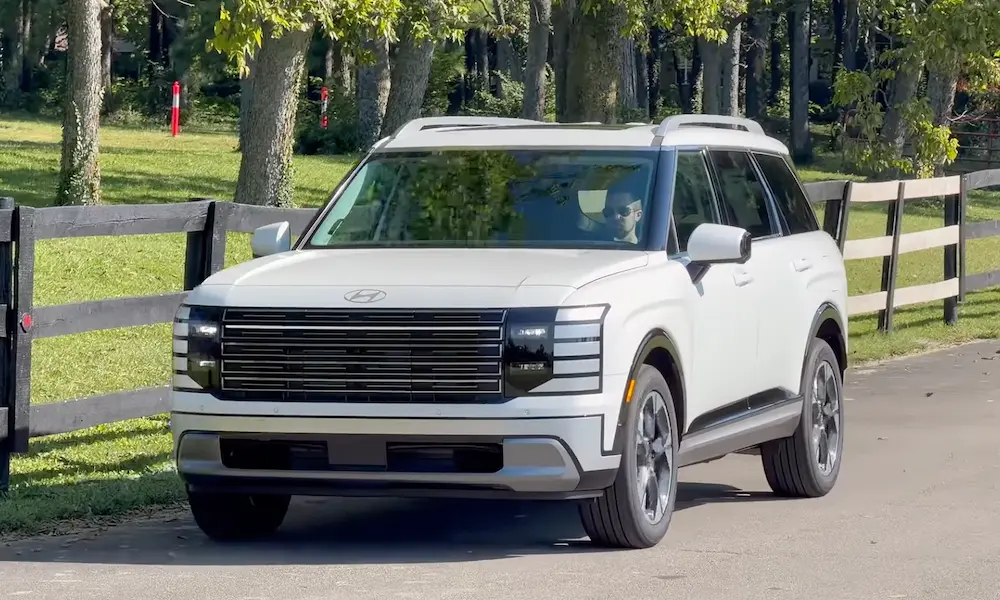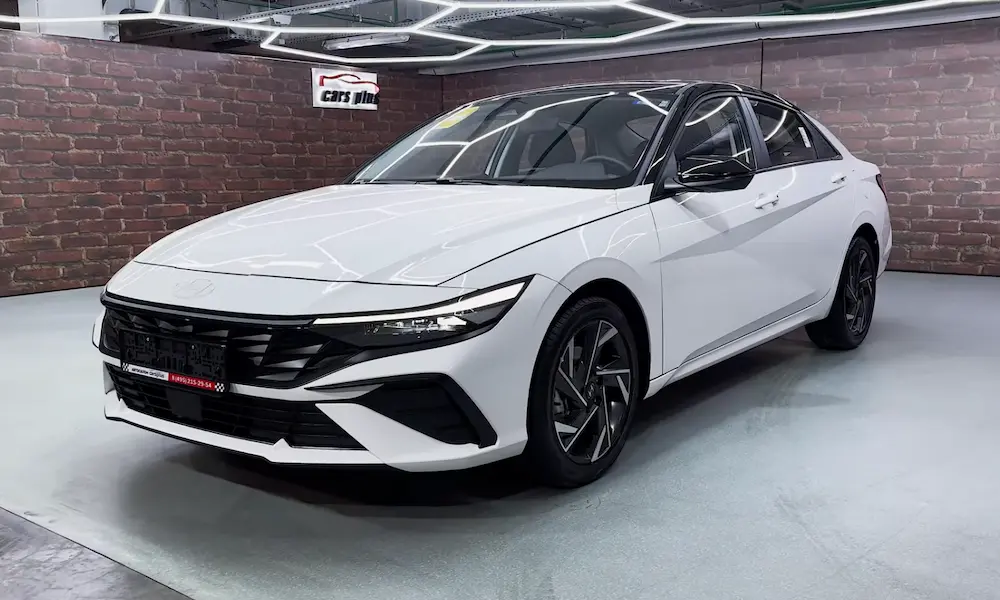
If you’ve noticed the white paint on your Hyundai peeling, bubbling, or flaking off, you’re facing a widespread issue affecting thousands of vehicles. Hyundai has finally acknowledged this problem by introducing a significant warranty extension. This comprehensive guide explains what’s happening with the notorious white paint defects, which models are affected, and exactly how to get your vehicle repaired under the new extended warranty program.
What’s Happening with Hyundai’s White Paint?
The issue plaguing white Hyundai vehicles is primarily delamination – where layers of paint separate from each other or from the metal body panels. This isn’t just a minor cosmetic blemish; in severe cases, entire sheets of paint can peel away from the vehicle.
The problem typically affects the hood, fenders, roof, doors, quarter panels, and trunk/tailgate areas. What starts as small bubbles often progresses to extensive peeling that makes vehicles look significantly older than their actual age.
According to chemical engineer Stephen Gaiski, properly applied automotive paint should last 10-15 years minimum. Yet many Hyundai owners have reported failures within just 3-5 years of ownership. The problem occurs when “sunlight over time degrades the adhesion between the factory-applied paint primer coat layer and the base metal electrodeposition layer,” as stated in Hyundai’s technical bulletins.
White cars are disproportionately affected compared to other colors, with particular issues in the Quartz White Pearl (codes W8/WW8) and Frost White Pearl (SWP) paint formulations.
Which Hyundai Models Are Affected?
The warranty extension covers an extensive range of white Hyundai vehicles manufactured between 2015 and 2023:
| Model | Years Affected | Specific Paint Codes |
|---|---|---|
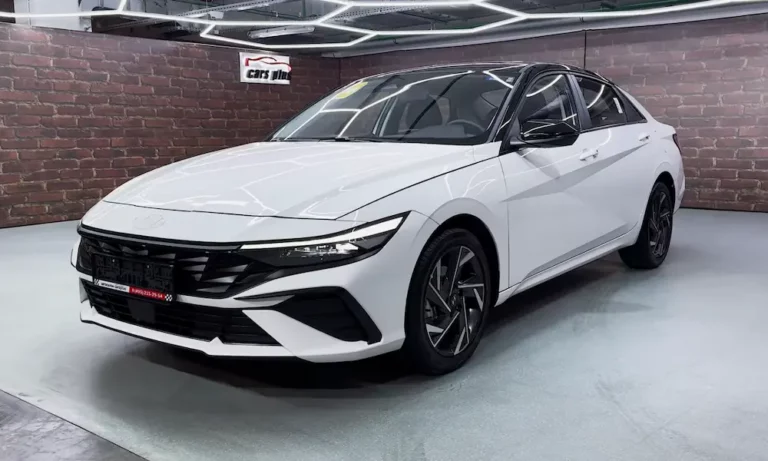
| Elantra | 2015-2018 | Quartz White Pearl (W8/WW8) |
| Sonata | 2015-2019 | Quartz White Pearl (W8/WW8) |
| Tucson | 2017-2021 | White paint formulations |
| Santa Fe Sport | 2017-2018 | Frost White Pearl (SWP) |
| Santa Fe | 2019 | White paint formulations |
| Santa Fe Hybrid | 2021-2023 | White paint formulations |
| Palisade | 2020-2023 | White paint formulations |
Vehicles manufactured at Hyundai Motor Manufacturing Alabama appear most commonly affected. You can identify these by VIN numbers starting with 5NP (for Elantra and Sonata) and 5NM (for Santa Fe Sport).
Understanding Hyundai’s Z05 Extended Warranty Program
In response to growing complaints and media pressure, Hyundai has dramatically expanded coverage for white paint issues through the Z05 warranty extension program.
Key Coverage Details:
- Duration: 10 years from the date of original retail delivery or first use
- Mileage: Unlimited miles (no mileage restrictions)
- Transferability: Valid for both original and subsequent owners
- Scope: Covers only factory-applied white paint
- Exclusions: Does not cover collision-related damage or vehicles with salvage titles
This represents a significant improvement over the standard 3-year/36,000-mile paint warranty. Even more noteworthy, Hyundai is also offering goodwill consideration for vehicles over 10 years old at the time of the Z05 announcement, provided owners present their warranty extension letter to dealers before December 31, 2025.
How to Check if Your Vehicle Qualifies
Verifying your eligibility is straightforward:
- Visit autoservice.hyundaiusa.com/Z05
- Enter your Vehicle Identification Number (VIN)
- The system will immediately confirm if your vehicle is covered
For older models that might fall under the earlier TXXW program (introduced in December 2022), you can check eligibility at autoservice.hyundaiusa.com/TXXW.
The Paint Repair Process: What to Expect
If your vehicle qualifies for the warranty extension, here’s what the repair process typically involves:
Step 1: Initial Assessment
Contact your Hyundai dealer to report the paint peeling issues. Be prepared to bring your vehicle in for inspection.
Step 2: Dealer Verification
The dealer will check your VIN in their WebDCS system to confirm eligibility under the “TXXW” or “Z05” warranty extensions.
Step 3: Documentation
The dealer must take clear photos showing the peeling or bubbling paint before repairs can begin. These photos are submitted as part of the warranty claim.
Step 4: Body Shop Coordination
Once approved, your dealer will coordinate with a certified body shop for estimates and repairs.
Step 5: Repair Work
The actual repair typically involves complete panel refinishing rather than spot repairs. This means stripping down the affected panels to bare metal and reapplying all paint layers according to factory specifications.
Step 6: Quality Control
After repairs are completed, the vehicle undergoes inspection to ensure the new paint matches factory standards.
According to owners who have gone through the process, repairs typically take 2-3 weeks to complete. Hyundai usually provides a rental car during this period, though you should confirm this with your dealer.
Common Challenges and How to Overcome Them
Many owners report initial resistance from dealers when trying to get paint issues addressed. Here are effective strategies for handling potential roadblocks:
If Your Dealer Initially Denies Coverage:
- Verify your eligibility online through Hyundai’s VIN validation tool
- Print your eligibility confirmation and the Z05 warranty extension letter
- Take clear photos documenting the paint failure
- If resistance continues, escalate to Hyundai Customer Care at (800) 633-5151
One owner shared: “The first time I approached the dealership, they informed me that the issue wasn’t covered. After expressing my concerns again, they escalated the request to corporate, and it was approved and resolved within a week.”
For Vehicles Outside Standard Coverage:
- Contact Hyundai Customer Care to open a corporate case specifically for manufacturer paint defect
- Request a dealer assessment with photo documentation
- Ask the dealer to submit a prior approval request for corporate consideration
- Emphasize the widespread nature of the issue and Hyundai’s acknowledgment of the defect
Understanding the Technical Root Causes
While Hyundai hasn’t publicly detailed the exact cause of the paint failures, expert analysis suggests several potential factors:
- Formulation Issues: The specific chemistry of Hyundai’s white paint may be incompatible with certain environmental conditions
- Application Problems: Improper application temperatures or humidity during manufacturing
- Adhesion Failures: Poor bonding between the electrocoat layer and the primer
- UV Degradation: Accelerated breakdown of adhesion properties when exposed to sunlight
Interestingly, some technical analyses suggest Hyundai’s white paint may have been applied too thickly. One industry comparison noted: “White Hyundais of this era left the factory with 6-7 mils of paint whereas many new cars are less than 4 without issue,” suggesting excessive thickness might contribute to adhesion problems.
The Legal Landscape: Class Actions and Consumer Rights
Multiple class action lawsuits have been filed regarding Hyundai’s paint defects in both the United States and Canada.
A significant lawsuit filed in New York federal court in 2019 alleged that Hyundai’s “self-healing” paint used on Santa Fe, Sonata, and Elantra models from 2006-2016 is defective. The complaint argued that the “Scratch Recovery Clear” coating actually causes premature cracking and peeling when exposed to ultraviolet light.
In Canada, a class action lawsuit was filed in May 2023 against Hyundai Auto Canada over alleged peeling paint on multiple models. The case specifically highlights that white and pearl white colors are particularly prone to peeling more than other colors.
However, previous class action attempts have faced challenges. The warranty extensions appear to be Hyundai’s primary strategy to address potential liability without admitting broader manufacturing defects.
Timeline of Hyundai’s Response
Hyundai’s acknowledgment and response to the paint issue has evolved gradually:
| Time Period | Action Taken |
|---|---|
| 2015-2019 | Initial customer complaints begin mounting |
| December 2022 | First limited warranty extension (TXXW) for specific models |
| 2024 | Increased media pressure and investigations by outlets like WSB-TV |
| 2025 | Comprehensive Z05 extension covering all affected white vehicles |
Media coverage appears to have played a crucial role in Hyundai’s decision to expand warranty coverage. After WSB-TV Channel 2 Action News in Atlanta conducted an investigation showing paint literally falling off vehicles with minimal mileage, Hyundai extended warranties and began covering repairs that were previously denied.
Essential Steps for Affected Owners
If you own a white Hyundai from the affected model years, take these steps immediately:
- Check Your Eligibility: Visit autoservice.hyundaiusa.com/Z05 and enter your VIN
- Document Everything: Take clear, well-lit photos of all areas showing paint peeling or bubbling
- Contact Your Dealer: Schedule an inspection appointment, bringing your eligibility confirmation
- Be Persistent: If initially denied, escalate to Hyundai Customer Care at (800) 633-5151
- Know Quality Standards: Professional paint repairs should include complete panel refinishing to factory specifications, not just spot repairs
- Maintain Records: Keep copies of all correspondence, repair orders, and before/after photos
For owners of vehicles over 10 years old, remember the December 31, 2025 deadline for claiming goodwill assistance. Act promptly to avoid missing this final opportunity for manufacturer support.
What Quality of Repair Should You Expect?
When approved under warranty, Hyundai should cover comprehensive paint repairs that return your vehicle to its original condition. Professional body shop estimates suggest proper paint repairs cost $8,000-$10,000 for complete vehicle refinishing.
The repair should include:
- Complete stripping of affected panels to bare metal
- Proper preparation and primer application
- Factory-matched base coat application
- Clear coat application and finishing
- Color matching to unaffected panels
One owner reported: “Warranty is covering a strip down and repainting of all affected panels. It’s going to take the body shop another week. Drop-off to pick-up will be minimum of two weeks.”
International Impact of the White Paint Issue
This problem extends far beyond the United States. Documented cases have appeared in Canada, Australia, and other international markets. In Australia, a complaints management company has assisted hundreds of owners with peeling Hyundai paint repairs, describing it as a “catastrophic paint failure.”
The global nature of the problem suggests a systemic manufacturing or supplier issue rather than isolated incidents or regional environmental factors. White Hyundai vehicles worldwide appear to share similar vulnerabilities to paint delamination.
Comparing Hyundai to Other Manufacturers
Hyundai isn’t alone in facing white paint problems. Toyota offered similar warranty extensions for over 1.7 million vehicles with “Blizzard Pearl” or “Super White” paint issues. Honda also faces class action litigation for similar white paint defects.
However, the scope and severity of Hyundai’s issues appear particularly pronounced. The 10-year unlimited mileage warranty extension exceeds industry standards and acknowledges the severity of the problem.
Preventing Further Paint Damage
While waiting for warranty repairs, consider these steps to minimize additional damage:
- Park in covered or shaded areas whenever possible
- Regularly wash your vehicle with pH-neutral soap
- Apply a high-quality automotive wax every 3-4 months
- Avoid automatic car washes with abrasive brushes
- Consider a clear protective film for repaired areas
These measures won’t resolve existing peeling but may help slow the progression while you work through the warranty process.
The Future of Hyundai Paint Quality
Hyundai appears to have made manufacturing changes to address the white paint issues in newer models. Vehicles produced after the identified model years seem to show improved durability, suggesting reformulation or process improvements.
However, the company hasn’t publicly disclosed specific changes to its paint formulation or application processes. Owners of newer white Hyundai vehicles should remain vigilant and document any early signs of paint failure.
The Hyundai white paint recall represents one of the most extensive automotive paint warranty extensions in recent history. While initially resistant to acknowledging the problem, Hyundai has ultimately provided comprehensive coverage that significantly exceeds industry standards. The 10-year unlimited mileage warranty extension demonstrates the manufacturer’s recognition of the severity and widespread nature of this paint defect.
For affected owners, persistence is key. Document your issues thoroughly, follow the verification process, and don’t hesitate to escalate to corporate if necessary. With proper advocacy, you can get your vehicle’s paint restored to factory condition at no cost under this extended warranty program.