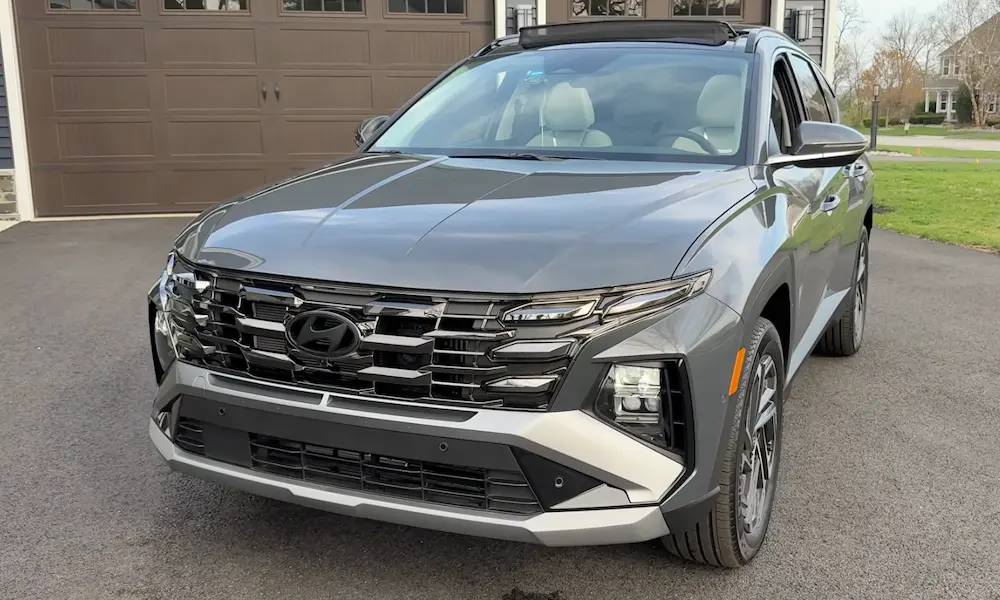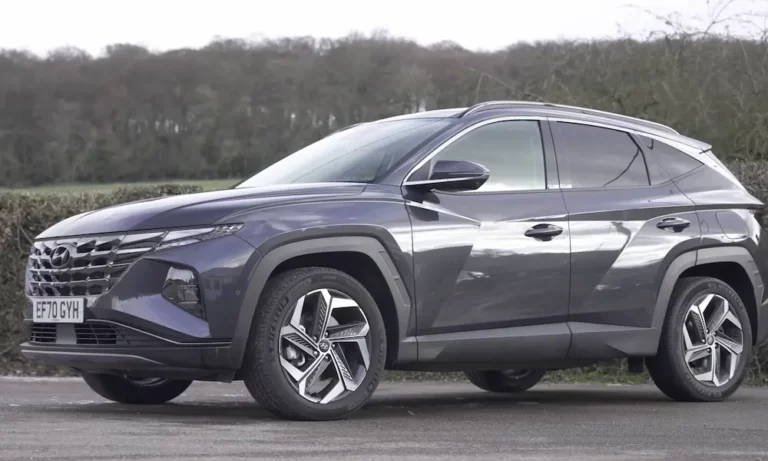
Is your Hyundai Tucson making strange noises? Have you noticed your check engine light blinking more often than you’d like? You might be one of the million-plus Tucson owners affected by Hyundai’s extensive engine recalls. This guide breaks down everything you need to know about these serious issues, how to check if your vehicle is affected, and what steps to take right now.
The Scope of Hyundai Tucson Engine Recalls
Hyundai has issued multiple significant recalls affecting over one million Tucson vehicles in recent years. These aren’t minor fixes—they’re addressing serious manufacturing defects that can lead to complete engine failure, fire risks, and potentially dangerous driving situations.
Major Engine Recalls by Model Year
| Model Year | Affected Engines | Key Issue | Recall Number |
|---|---|---|---|
| 2017 | 2.0L Nu GDI | Connecting rod bearing failures | NHTSA 21V-727 |
| 2023-2024 | Various | Oil pump controller overheating | NHTSA 23V-526 |
| 2010-2013 | Various | ABS module fire risk | NHTSA 23V-651 |
| 2019-2021 | Various | HECU corrosion/fire risk | NHTSA 20V-543 |
The 2017 Tucson Connecting Rod Bearing Crisis
The most serious engine-specific recall affects 95,515 model year 2017 Hyundai Tucson and Sonata Hybrid vehicles equipped with 2.0-liter Nu GDI engines. According to the NHTSA recall report, these engines have a critical manufacturing defect where connecting rod bearings wear out prematurely due to metal debris from factory machining operations.
Warning Signs of Connecting Rod Bearing Failure
If you own a 2017 Tucson, be on high alert for these symptoms:
- Knocking noises from the engine that get louder as you accelerate
- Check engine light or oil pressure warning light suddenly illuminating
- Noticeable loss of power or hesitation when accelerating
- Burning smell, oil leaks, or smoke from under the hood
The Consumer Reports investigation found that continuing to drive with these symptoms can lead to catastrophic engine failure. In worst-case scenarios, damaged connecting rods can actually puncture through the engine block, allowing oil to leak onto hot engine parts and creating a serious fire hazard. Hyundai has documented 45 fires related to this specific defect.
The Fix: Engine Replacement and Software Update
If your vehicle is affected, Hyundai dealers will:
- Inspect your engine for bearing damage
- Replace the entire engine if damage is found
- Install their Knock Sensor Detection System (KSDS) software to monitor for future bearing problems
Fire Risks from ABS System Defects
The most widespread Tucson recall involves a different system entirely – the Anti-Lock Brake System (ABS) modules. According to the NHTSA consumer alert, these defects can cause engine fires even when your vehicle is turned off and parked.
2010-2013 Models: Major Fire Hazard
This recall affects a staggering 652,024 Tucson vehicles. The recall documentation shows that the ABS modules can leak brake fluid internally, causing electrical shorts that lead to engine fires whether the vehicle is parked or driving. Twenty-one vehicle fires and twenty-two “thermal incidents” have been reported in the U.S. alone.
2019-2021 Models: HECU Corrosion Problems
Another 180,000 Tucson vehicles from model years 2019-2021 have been recalled because their Hydraulic Electronic Control Units (HECU) can corrode internally. This corrosion creates electrical shorts that have resulted in at least twelve documented engine compartment fires in the U.S.
A Band-Aid Solution?
Rather than completely replacing the defective ABS modules, Hyundai’s approach has primarily been to install lower-amperage fuses (25-amp instead of 40-amp) to prevent electrical shorts from causing fires. Critics argue this doesn’t address the root problem but merely limits the consequences.
2023-2024 Oil Pump Controller Fire Risk
More recently, 52,008 Tucson vehicles from model years 2023-2024 were recalled under NHTSA campaign 23V-526. The electronic controller for the Idle Stop & Go oil pump assembly contains damaged electrical components that can overheat, creating yet another fire risk.
If you own one of these newer models, Hyundai recommends parking your vehicle outside and away from structures until recall repairs are completed. Dealers will inspect and replace the electric oil pump controller as necessary, free of charge.
Newest Recalls: 2024-2025 Models
The recall problems continue with the newest Tucson models:
2025 Rollaway Risk
42,465 model year 2025 Tucson and Santa Cruz vehicles are affected by a recall (NHTSA campaign 24V-877) due to improperly routed console extension wiring. This defect allows the transmission to shift out of Park without applying the brake pedal, creating a rollaway risk. Car and Driver reported that this affects the latest models coming off the assembly line.
2024 Power Steering Failures
795 model year 2024 Tucson vehicles have been recalled (NHTSA campaign 24V-412) for circuit board shorts in the power steering assembly that can cause complete loss of power steering assist, making the vehicle much harder to control, especially at low speeds.
Class Action Settlements and Extended Warranties
Hyundai has reached significant class action settlements addressing these engine defects:
Theta II Engine Settlement Benefits
This settlement covers 2010-2021 Tucson vehicles with various engines, including Theta II 2.4-liter MPI and Nu 2.0-liter GDI engines.
Benefits include:
- Extended powertrain warranty to 15 years/150,000 miles for connecting rod bearing failures
- Cash reimbursements for qualifying past repairs and related expenses
- Compensation for vehicles lost due to engine fires
- Free engine inspections and replacements when necessary
ABS System Settlement
A separate settlement addresses ABS-related fire risks in 2014-2021 Tucson vehicles, providing extended warranty coverage, free inspections, and compensation for fire-related losses.
Real Owner Experiences with Engine Failures
Despite recalls and settlements, Tucson owners continue reporting catastrophic engine failures:
- A 2022 Tucson owner reported complete engine failure at just 14,202 miles after experiencing knocking sounds during normal driving.
- A 2018 Tucson owner faced engine knocking requiring complete engine replacement at 87,000 miles.
- Multiple 2020 Tucson Mild Hybrid owners have reported crankshaft pulley failures related to the hybrid system, with some vehicles needing months-long repairs due to parts shortages.
Supply Chain and Repair Delays
If your Tucson needs engine repair or replacement, be prepared for potential delays:
- Parts shortages from Korea affecting engine and hybrid system components
- Limited availability of replacement engines
- Inadequate loaner vehicle programs, with some owners waiting months for repairs
What You Should Do Now: 3 Immediate Steps
1. Check Your VIN for Recalls
Don’t wait for a letter – check your vehicle’s recall status immediately using your VIN at:
2. Watch for Warning Signs
Be vigilant for these early indicators of engine problems:
- Unusual knocking or metallic sounds from the engine
- Check engine light or oil pressure warnings
- Reduced power or hesitation during acceleration
- Burning smells or visible smoke
3. Take Fire Precautions
If your Tucson is subject to one of the fire-risk recalls:
- Park outside and away from structures until repairs are completed
- Get the vehicle to a Hyundai dealer immediately
- Document any warning signs or symptoms for your service visit
Maintenance Tips for At-Risk Tucsons
Proactive Oil Changes
For high-risk engines, consider more frequent oil changes:
- Use full synthetic oil
- Change every 3,000 miles instead of following the extended interval in your manual
- Keep all receipts and service records
Software Updates
Make sure your vehicle has received all applicable software updates:
- The Knock Sensor Detection System (KSDS) is critical for early warning
- These updates are required to qualify for extended warranty coverage
Documentation is Key
Maintain thorough records of:
- All maintenance history
- Any engine symptoms (with dates and mileage)
- Communications with dealers
- Repair invoices and costs
Should You Buy a Used Tucson?
Given the extensive recall history and ongoing engine problems, potential Tucson buyers should:
- Research specific model years and engine types before purchasing
- Verify all recall repairs have been completed
- Consider extended warranty coverage due to documented reliability issues
- Budget for potential major repairs beyond standard warranty periods
The Regulatory Response
The Tucson’s recall pattern reflects broader issues with Hyundai vehicles. In 2020, Hyundai and Kia paid a combined $210 million civil penalty to NHTSA—the largest in the agency’s history—for failing to recall vehicles with engine problems promptly and providing inaccurate information to regulators.
This extensive recall history demonstrates that while Hyundai has taken steps to address known defects, the fundamental design and manufacturing issues affecting Tucson engines continue to impact vehicle reliability and owner satisfaction.
Check Your Vehicle Now
Don’t wait for symptoms to appear – check if your Tucson is affected by these recalls immediately. Visit Hyundai’s recall lookup page or call your local dealer with your VIN to verify your vehicle’s status and schedule any needed repairs right away.