Thinking about replacing your Honda Insight’s hybrid battery? You’ve probably noticed some performance issues or warning lights. Hybrid battery replacement isn’t just another routine maintenance task—it’s a specialized procedure that requires careful consideration of costs, safety, and technical requirements. This guide will walk you through everything you need to know about replacing your Honda Insight hybrid battery, from recognizing when it’s failing to choosing between DIY and professional installation.
Understanding Honda Insight Hybrid Battery Systems
Honda has used different battery technologies across the three Insight generations, each with unique specifications and replacement requirements.
First Generation (2000-2006)
- 144-volt NiMH IMA (Integrated Motor Assist) battery
- 6.5Ah capacity
- Expected lifespan: 6-10 years or 100,000-150,000 miles
Second Generation (2010-2014)
- 100.8-volt NiMH system
- 5.75Ah capacity
- Improved efficiency over first generation
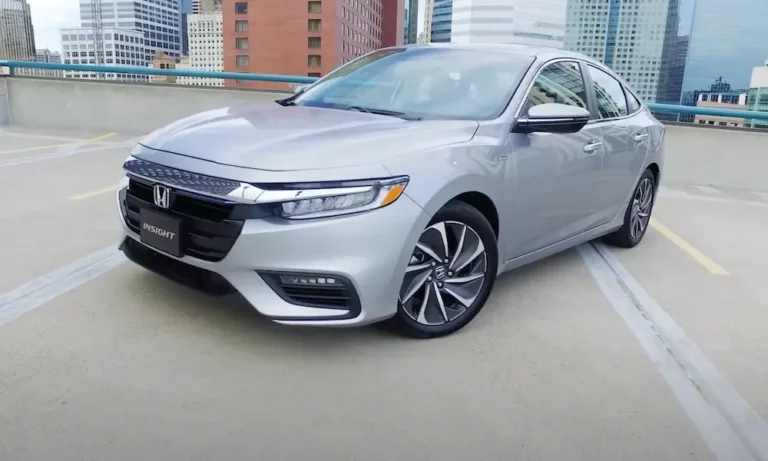
Third Generation (2019-2022)
- Advanced lithium-ion technology
- 216 volts with 1.5 kWh capacity
- 60 cells at 3.6 volts each
- Enhanced thermal management and regenerative braking
The battery specifications vary significantly between generations, affecting both replacement procedures and costs. Third-generation models use Honda’s more sophisticated hybrid drive system compared to the traditional IMA system in earlier generations.
How to Spot a Failing Hybrid Battery
Catching battery failure early can save you from unexpected breakdowns and potentially costlier repairs. Here are the telltale signs that your Honda Insight’s hybrid battery is on its way out:
Early Warning Signs:
- Decreased fuel efficiency (often the first noticeable symptom)
- Reduced acceleration performance
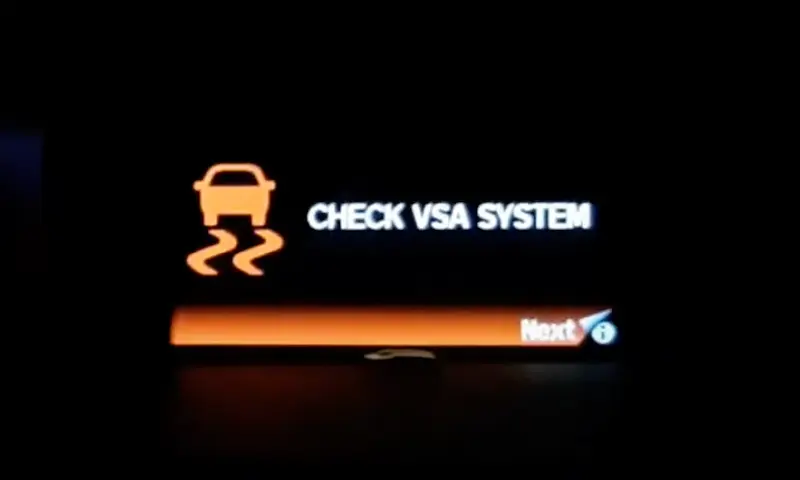
- Check engine light or hybrid system warning lights illuminating
- More frequent engine running during normal driving
Advanced Failure Symptoms:
- Battery charge indicator fluctuations (dropping from full to low and back repeatedly)
- Increased engine noise and vibration
- Slower charging or incomplete charging during regenerative braking
- Starter motor engagement instead of quiet IMA motor start (in first-generation models)
If you’re experiencing these symptoms, it’s worth testing your battery’s voltage. A healthy battery maintains voltage within 2 volts after four days, while failing units can drop 14 volts or more.
Replacement Costs Breakdown
The cost to replace your Honda Insight’s hybrid battery varies significantly depending on several factors. Here’s what you can expect to pay:
| Generation | OEM Replacement | Remanufactured/Aftermarket | Labor Costs |
|---|---|---|---|
| First Gen (2000-2006) | $2,500+ | $1,749-$2,200 | $500-$800 |
| Second Gen (2010-2014) | $2,600+ | $1,749-$2,400 | $500-$800 |
| Third Gen (2019-2022) | $4,690 MSRP | $3,800-$4,200 | $500-$800 |
Several factors influence these costs:
Battery Type Options:
- OEM batteries provide factory-specified performance but at premium prices
- Remanufactured batteries offer balanced cells with 12-36 month warranties at lower cost
- Upgraded aftermarket batteries often provide enhanced capacity (8.0Ah vs original 6.5Ah)
- Lithium upgrade kits available for some models
Many aftermarket suppliers now offer improved 8.0Ah cells for second-generation Insights, potentially improving performance and longevity over the original specifications.
Critical Safety Procedures
Working with hybrid batteries involves potentially lethal high-voltage systems. If you’re considering a DIY approach, these safety protocols are non-negotiable:
Required Safety Equipment:
- Class 0 1000V-rated insulating gloves with leather protectors
- CAT III 1000V-rated voltmeter
- Insulated tools rated for high-voltage work
Essential Safety Steps:
- Turn ignition completely off
- Locate and switch OFF the main breaker switch in the rear battery compartment
- Install the red safety clip to prevent accidental reactivation
- Verify voltage across main orange cables is below 30V before proceeding
Remember that Honda Insight hybrid systems operate at 144-216 volts depending on generation—all exceeding the 60V threshold considered potentially fatal. According to safety guidelines from automotive experts, proper protection is essential when working with these systems.
Replacement Procedure Overview
If you’re technically inclined and have the proper safety equipment, here’s a simplified overview of the replacement process:
Preparation and Access:
- Remove rear carpeting, trunk boxes, and access panels
- Expose the battery housing
Safe Disconnection:
- Turn main breaker switch OFF
- Verify voltage is below safe levels
- Remove main power cables
- Disconnect BCM (Battery Control Module) and MCM (Motor Control Module)
Physical Removal:
- Remove the four mounting bolts securing the battery
- Lift the rear of the battery assembly until mounting legs rest on carrier housing
- Disconnect cooling fan
- Extract the battery completely
Installation:
- Position new battery in housing
- Reconnect cooling fan
- Secure mounting bolts to proper torque specifications
- Reconnect electrical connections
- Switch main breaker back to ON position
For a detailed visual guide, many owners reference the step-by-step battery removal instructions available from experienced Insight technicians.
Warranty Considerations
Understanding warranty coverage can help you make an informed decision about your replacement options:
Original Honda Warranty:
- Standard coverage: 8 years or 80,000-100,000 miles (manufacturing defects)
- Extended coverage in certain states: 10 years or 150,000 miles
- Applies primarily to original equipment, not replacements
Replacement Battery Warranties:
- Aftermarket units: Typically 12-36 months
- Premium remanufactured batteries: Often longer warranty periods
- Mobile installation services: May include both parts and labor coverage
Honda’s warranty primarily covers manufacturing defects rather than normal degradation. According to discussions in Honda owner forums, owners should carefully review warranty terms before proceeding with any replacement option.
Professional vs. DIY Installation
Should you tackle this job yourself or hire a professional? Here’s a comparison to help you decide:
DIY Installation:
- Cost savings: $500-$800 in labor
- Time required: 3 hours for first-timers, 45 minutes for experienced techs
- Requires significant safety knowledge and proper equipment
- Potential liability if something goes wrong
Professional Installation:
- Access to proper diagnostic equipment and specialized tools
- Warranty coverage and liability protection
- Completion time: Often under one hour for experienced technicians
- Mobile services available in many regions
Dealer Installation:
- Ensures OEM procedures and warranty compliance
- Typically commands premium pricing
- May be required to maintain certain warranty coverage
For most owners, the cost-benefit analysis favors professional installation, particularly considering the safety risks and potential complications of DIY work.
Making the Final Decision
When facing hybrid battery issues, consider these factors before making your final decision:
Vehicle Value vs. Replacement Cost:
- Is your vehicle worth the investment of a new battery?
- For high-mileage vehicles where battery replacement exceeds 50% of vehicle value, consider alternatives
Long-term Plans:
- How long do you plan to keep the vehicle?
- Will the performance improvement justify the cost?
Alternative Options:
- Battery reconditioning services (for mild degradation)
- Cell-level replacement (for specific failed cells)
- Vehicle trade-in/replacement if costs outweigh benefits
Many Insight owners report significant improvement in vehicle performance and fuel economy after battery replacement, often describing their car as “feeling like new again.”
Finding Reliable Replacement Sources
Not all replacement batteries are created equal. Here are some reputable sources to consider:
OEM Replacement:
- Honda dealerships
- Authorized Honda parts distributors
Quality Aftermarket Options:
- Green Tec Auto offers remanufactured batteries with enhanced capacity
- Hybrid Restoration provides reconditioned original Panasonic modules
- Best Hybrid Batteries specializes in first-generation replacement units
When selecting a supplier, prioritize those offering solid warranties and positive customer reviews from other Honda Insight owners.
What to Expect After Replacement
After installing a new hybrid battery, you should notice several improvements:
- Restored fuel economy (often 10-20% improvement)
- Smoother acceleration and more consistent power delivery
- Fewer or eliminated warning lights
- Quieter operation with less engine running
- More reliable starting, especially in extreme temperatures
For third-generation models, you may need to perform battery registration using Honda Diagnostic System (HDS) to ensure proper integration with vehicle systems.
Making Your Honda Insight Last
Once you’ve invested in a new hybrid battery, these tips can help maximize its lifespan:
- Drive regularly to maintain proper battery cycling
- Avoid extreme temperature exposure when possible
- Keep software updated through dealer service
- Maintain proper 12V battery health (which supports hybrid system function)
- Consider periodic deep discharge/recharge cycles as recommended by some specialists
With proper care, your replacement battery should provide years of reliable service, extending the useful life of your Honda Insight while maintaining its excellent fuel economy.