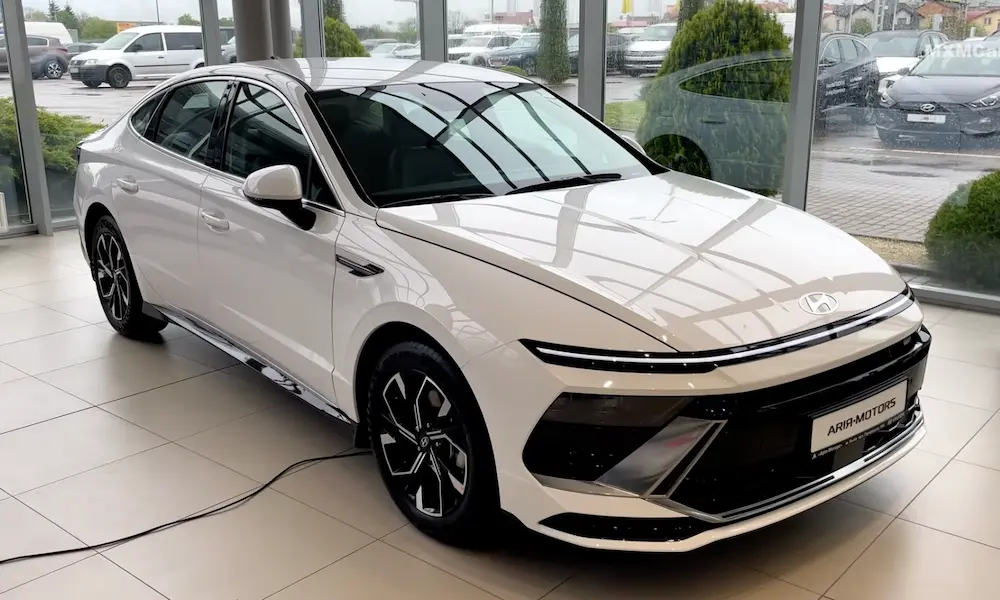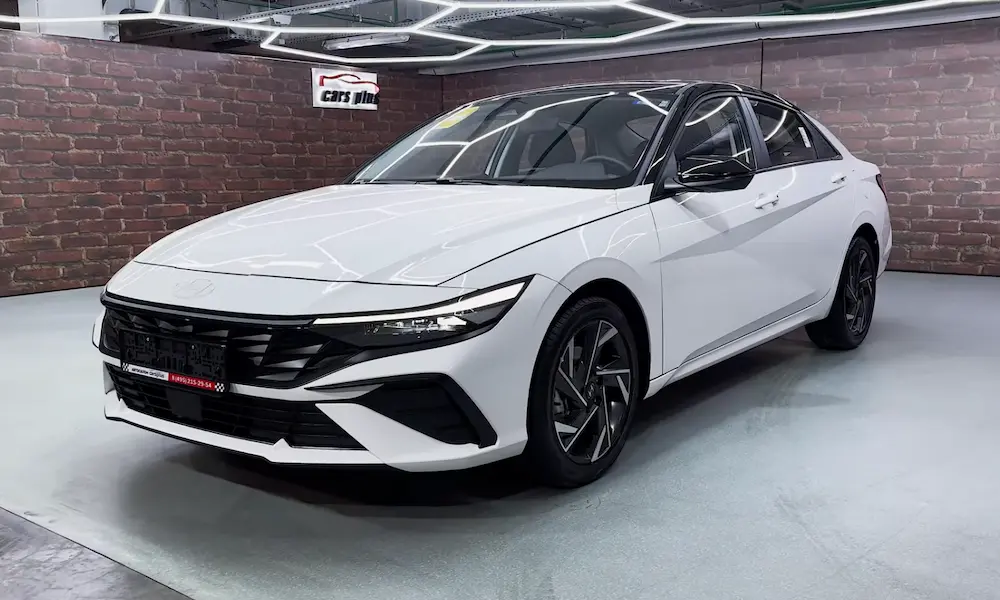
Is your Hyundai Sonata making strange knocking sounds? Has your check engine light come on unexpectedly? You might be experiencing symptoms of one of the most significant automotive recalls in recent history. Hyundai’s Theta II engine problems have affected millions of vehicles, with the Sonata sedan at the center of this crisis. But here’s the good news—you may be entitled to significant warranty coverage, including potential lifetime engine replacement.
The Scope of Hyundai’s Engine Recall Problem
The Hyundai Sonata engine recall primarily affects vehicles equipped with the Theta II engine series. These engines have developed a notorious reputation for catastrophic failures that can leave drivers stranded—or worse, facing dangerous situations.
Which Sonata Model Years Are Affected?
The recall primarily targets these Hyundai Sonata model years:
| Model Years | Engine Types | Recall Campaign |
|---|---|---|
| 2011-2012 | 2.0L Turbo & 2.4L GDI | Campaign 132 |
| 2013-2014 | 2.0L & 2.4L GDI | Campaign 162 |
| 2011-2019 | Various Theta II engines | KSDS Update (Campaigns 953/966) |
Over 470,000 vehicles from 2011-2012 were included in the initial recall, with another 572,000 from 2013-2014 model years added later. The Knock Sensor Detection System update expanded coverage to include 2011-2019 models, making this one of the most extensive recall campaigns in automotive history.
What’s Actually Going Wrong With These Engines?
The root cause of the Hyundai Sonata engine failures comes down to a manufacturing defect. During production of the crankshaft, metallic debris wasn’t properly removed. This seemingly small oversight created a domino effect of serious problems:
- Metal fragments remain in the engine’s oil passages
- These fragments restrict oil flow to the connecting rod bearings
- Without proper lubrication, the bearings wear prematurely
- The connecting rods can eventually break, causing catastrophic engine failure
- In some cases, this leads to engine fires when oil contacts hot surfaces
According to NHTSA documentation, this inadequate deburring process during manufacturing is the primary culprit behind the widespread failures.
Warning Signs Your Sonata Engine Might Be Failing
Knowing the early warning signs can save you from being stranded—or help you prove you deserve warranty coverage.
Listen for the Telltale Knocking Sound
The most distinctive symptom of Theta II engine bearing failure is a metallic knocking noise that typically:
- Starts softly and gradually gets louder
- Is most noticeable during idle or low-speed driving
- Sounds rhythmic or cyclic, like a tapping metal sound
- Often occurs within the first 60,000-100,000 miles
This knocking directly indicates wearing connecting rod bearings—the exact problem targeted by the recall. Don’t ignore these sounds, as continued driving can lead to complete engine seizure.
Watch for Dashboard Warning Lights
Your vehicle’s warning systems can provide crucial early detection:
- Check Engine Light: Often the first electronic indicator of a problem
- Oil Pressure Warning Light: Indicates potentially dangerous low oil pressure
- P1326 Diagnostic Trouble Code: Specifically indicates engine bearing problems if your vehicle has received the Knock Sensor Detection System update
If your diagnostic scan shows P1326, this is essentially Hyundai’s system confirming you have the exact issue covered by the recall warranty extensions.
Performance Problems Worth Noting
As bearing damage progresses, you’ll likely notice:
- Reduced engine power and hesitation during acceleration
- Engine entering “limp mode” with severely restricted performance
- Inability to accelerate past certain speeds (many owners report limitations around 50 mph)
- Vehicle stalling completely, especially during acceleration or when coming to stops
These performance issues typically worsen over time until complete failure occurs.
Oil Consumption Concerns
Excessive oil consumption often accompanies the bearing issues:
- Needing to add oil between regular oil changes
- Oil appearing unusually dark shortly after oil changes
- Finding low oil levels despite regular maintenance
- Engine oil pressure fluctuations
Many owners report having to add a quart of oil every 1,000-2,000 miles—far more frequently than normal.
Warranty Coverage and What You’re Entitled To
The silver lining to this recall situation is the unprecedented warranty coverage Hyundai has been forced to provide.
Lifetime Engine Warranty Through Class Action Settlement
A class action lawsuit settlement approved in 2017 provides remarkable coverage for 2011-2014 Sonatas with Theta II engines:
- Lifetime warranty coverage for the short block assembly (engine block, crankshaft and bearings, connecting rods and bearings, and pistons)
- Coverage transfers to subsequent owners, adding significant value to affected vehicles
- No mileage limitation on this coverage
- Reimbursement for past repairs, towing expenses, and rental cars
- Compensation for owners who traded in or sold vehicles at a loss due to engine problems
This lifetime warranty is exceptionally rare in the automotive industry and reflects the severity of the defect.
KSDS Software Update and 15-Year/150,000-Mile Warranty
For many Sonatas (particularly 2015-2019 models), Hyundai implemented the Knock Sensor Detection System (KSDS) through Campaigns 953 and 966. This software:
- Uses existing sensors to detect early signs of bearing wear
- Warns drivers before catastrophic failure occurs
- Provides 15-year/150,000-mile warranty for engine repairs caused by connecting rod bearing failure
- Serves as an essential prerequisite for warranty coverage in many cases
The KSDS update is critical—if you haven’t had it installed, you may be denied warranty coverage even if your engine fails from the exact problems the recall addresses.
Standard Recall Coverage: 10-Year/120,000-Mile Warranty
Even vehicles not covered by the class action settlement typically receive:
- 10-year/120,000-mile warranty for the engine short block assembly
- Free engine inspection and replacement if necessary
- Coverage that continues even if the vehicle is sold to a new owner
How to Verify Your Vehicle’s Recall Status
Before you can claim benefits, you need to verify your vehicle’s status:
- Locate your Vehicle Identification Number (VIN) on your insurance card, registration, or inside the driver’s door jamb
- Visit Hyundai’s official recall website at autoservice.hyundaiusa.com
- Enter your 17-digit VIN to see which recalls apply to your specific vehicle
- Check whether required services have been completed
This VIN lookup will tell you definitively which campaigns apply to your Sonata and what services you’re entitled to receive.
Common Challenges Owners Face
Despite the comprehensive recall coverage, many owners report significant hurdles when trying to get their engines repaired.
Multiple Engine Failures in the Same Vehicle
Perhaps most concerning is the pattern of replacement engines also failing. Some documented cases show vehicles requiring multiple engine replacements:
- Some 2012 Sonatas have gone through four complete engine replacements
- Replacement engines sometimes fail after just 20,000-30,000 miles
- Each failure requires another lengthy repair process
While these replacements are covered under warranty, the emotional toll and inconvenience of repeated failures have led many owners to abandon their vehicles despite the free repairs.
Dealership Resistance to Warranty Claims
Many owners report challenges when working with dealers:
- Initial denial of warranty coverage despite clear qualifying symptoms
- Attempts to charge for diagnostic services that should be free under recall provisions
- Excessive documentation requirements for maintenance history
- Unreasonable delays in scheduling repairs or providing loaner vehicles
It’s important to note that under the terms of the extended warranties, coverage cannot be denied based on maintenance history except in cases of exceptional neglect. This means a dealer can’t refuse service simply because you didn’t get every oil change at a dealership.
KSDS Update Requirements
The Knock Sensor Detection System update presents a particular challenge:
- Vehicles without this update may be denied engine replacement coverage
- Some owners discover this requirement only after their engine has already failed
- The update must be installed while the engine is still operational
This creates a catch-22 situation where owners of already-failed engines can’t get the update required for warranty coverage. If your engine is still running, getting this update should be your top priority.
What to Do If Your Sonata Shows Warning Signs
If your vehicle is showing potential symptoms of engine failure, take these steps immediately:
- Document everything: Record videos of strange noises, take photos of warning lights, and keep service records
- Get your VIN checked: Use the Hyundai recall lookup to verify your vehicle’s status
- Ensure KSDS is installed: If your vehicle is eligible for the Knock Sensor Detection System and hasn’t received it, schedule this service immediately
- Visit a dealership: Request a full engine inspection under the recall provisions
- Be persistent: If denied coverage, reference the specific recall campaign numbers and warranty extensions that apply to your vehicle
- Consider legal help: If a dealer refuses to honor valid warranty claims, contact consumer protection attorneys familiar with the Hyundai engine settlement
Many owners report better results when they demonstrate knowledge of the specific recall terms and warranty extensions.
Looking Beyond the Theta II: Other Hyundai Sonata Recalls
While the Theta II engine issues are the most significant, other recalls affect Sonata models:
Recent Model Year Recalls (2020-2024)
Even newer Sonatas have faced recall campaigns:
- 2024 models: Brake light software recall affecting 38,331 vehicles, causing brake lights to flash improperly
- 2021-2022 models with 2.5-liter turbocharged engines: Recall for fuel leaks between the high-pressure fuel pump and fuel rail, affecting 15,752 vehicles
- 2021-2022 models: Transmission control unit problems affecting 56,148 vehicles, potentially causing complete loss of drive power
These newer issues demonstrate that while the Theta II engine problems may be resolved in recent models, other systems continue to experience reliability challenges.
Hybrid Model Considerations
The 2017 Hyundai Sonata Hybrid was included in a specific recall affecting 13,247 vehicles due to connecting rod bearing issues similar to non-hybrid models. This shows that the Theta II problems extended beyond conventional gasoline engines to hybrid variants as well.
Advice for Current and Prospective Sonata Owners
Whether you already own a Sonata or are considering buying one, here’s what you need to know:
For Current Owners
- Verify your recall status immediately: Use the official Hyundai recall website to check which campaigns affect your vehicle
- Get the KSDS update: If your vehicle is eligible for the Knock Sensor Detection System update and hasn’t received it, schedule this service immediately
- Monitor for warning signs: Pay close attention to unusual engine noises, dashboard warnings, or changes in oil consumption
- Keep detailed records: Maintain documentation of all oil changes and engine-related repairs
- Know your rights: Familiarize yourself with the specific warranty extensions that apply to your vehicle
For Prospective Buyers
- Consider model years carefully: 2011-2014 models carry the highest risk but also have the most comprehensive warranty coverage
- Verify recall completion: Confirm all recalls have been performed, especially the KSDS update
- Check for engine replacements: A vehicle that has already had its engine replaced may be less likely to experience future failures
- Consider 2020 or newer models: These use the newer Theta III engine that appears to have addressed the fundamental flaws
- Get a pre-purchase inspection: Have a qualified mechanic specifically check for symptoms of Theta II engine problems
The Bigger Picture: Hyundai’s Response to the Crisis
Hyundai’s handling of the Theta II engine crisis has been a mix of delayed acknowledgment followed by comprehensive warranty coverage. The company has:
- Gradually expanded recalls to include more models and model years
- Implemented the KSDS system to detect problems before catastrophic failure
- Provided unprecedented warranty coverage through class action settlements
- Continued to replace engines even after multiple failures
While the extended warranties provide financial protection, they don’t eliminate the inconvenience and safety concerns of unexpected engine failures. Many owners express frustration that Hyundai continued using fundamentally flawed engine designs for years after problems were identified.
The 2020 transition to newer engine designs appears to have finally addressed the underlying issues, but the legacy of the Theta II engine problems continues to affect millions of vehicles on the road today.
Taking Action: Next Steps for Your Vehicle
If you own a Hyundai Sonata with a Theta II engine, don’t wait for problems to develop:
- Visit autoservice.hyundaiusa.com/campaignhome to check your VIN against active recalls
- Schedule service for any open recalls, especially the KSDS update
- Research the specific warranty extensions that apply to your vehicle
- Join owner forums to stay informed about developments and strategies for dealing with dealers
- Consider whether keeping your vehicle makes sense given the potential for future problems, even with warranty coverage
The Hyundai Sonata engine recall represents one of the most extensive automotive reliability issues in recent history. While the warranty coverage provides financial protection, staying informed and proactive is your best defense against the inconvenience and potential safety risks these engine failures present.