If you own a Hyundai built between 2011 and 2022, there’s a real chance your car is on a thief’s shortlist. A viral TikTok trend exposed a massive security flaw that turned millions of everyday Hyundais into easy targets. This post breaks down exactly which Hyundai models are being stolen, why it’s still happening in 2026, and what you can do right now to protect yourself.
The “Kia Challenge” Made This a National Problem
It started in Milwaukee. A group of teenagers discovered they could steal certain Hyundai and Kia models using nothing but a USB cable. They posted videos on TikTok, the videos went viral, and suddenly car theft rates exploded across the country.
The National Insurance Crime Bureau (NICB) confirmed the “Kia Challenge” drove a 95% nationwide increase in Hyundai and Kia thefts in 2022 alone. In Milwaukee, thefts jumped 542% in a single year.
The root cause? Hyundai skipped installing engine immobilizers on millions of base-trim U.S. vehicles. Every other major automaker had standardized this technology by the mid-2000s. Without an immobilizer, there’s no digital “handshake” between the key and the engine — so thieves can bypass the ignition with a cheap workaround. As The Drive explains, they strip the steering column cover, expose the ignition cylinder, and use a USB-A connector — which happens to fit the ignition tumbler perfectly — to start the engine in under 60 seconds.
Which Hyundai Models Are Being Stolen Most?
The vulnerability only applies to vehicles with traditional turn-key ignitions. If your Hyundai has a push-button start and a proximity key, you’re not at risk from this specific exploit — those models came with immobilizers built in.
Here’s the full breakdown of which Hyundai models are being stolen and the year ranges that matter:
| Model | Vulnerable Years | Notes |
|---|---|---|
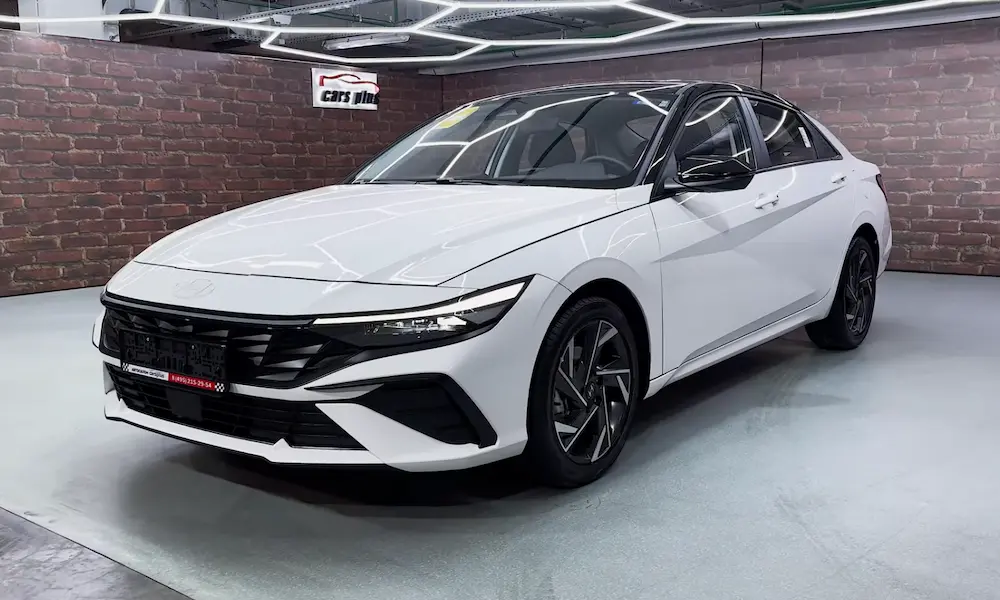
| Hyundai Elantra | 2011–2022 | #1 most stolen car in the U.S. (2023–2025) |
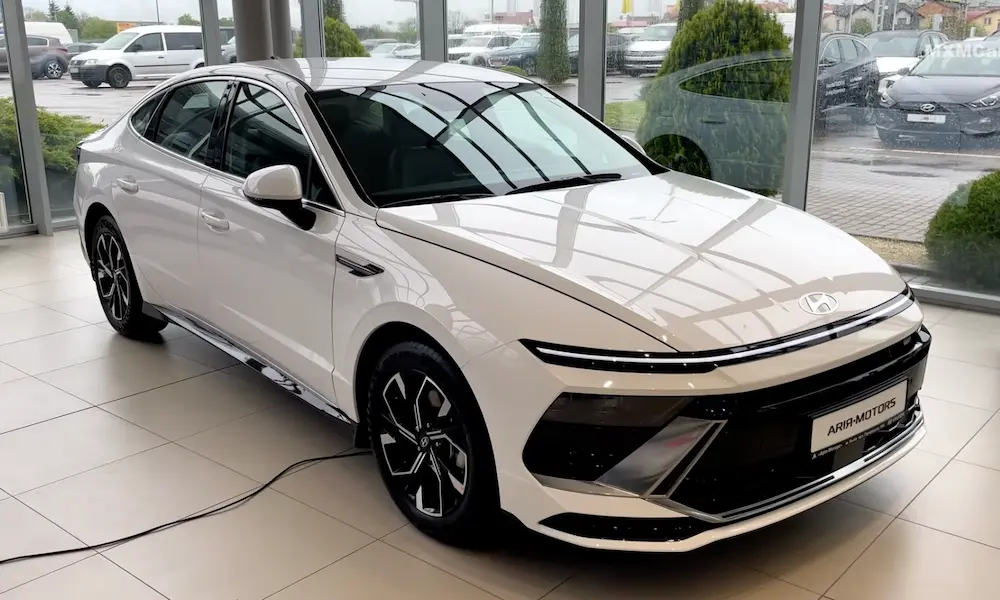
| Hyundai Sonata | 2011–2019 | Major target in Florida and Massachusetts |
| Hyundai Accent | 2015–2022 | All body styles affected with traditional key |
| Hyundai Tucson | 2011–2022 | Early crossover designs hit hardest |
| Hyundai Santa Fe | 2013–2022 | Sport and XL variants included |
| Hyundai Kona | 2018–2022 | Targeted despite being a newer model |
| Hyundai Veloster | 2012–2021 | Some 2018 models vary by production date |
| Hyundai Venue | 2020–2021 | Primarily base-trim units |
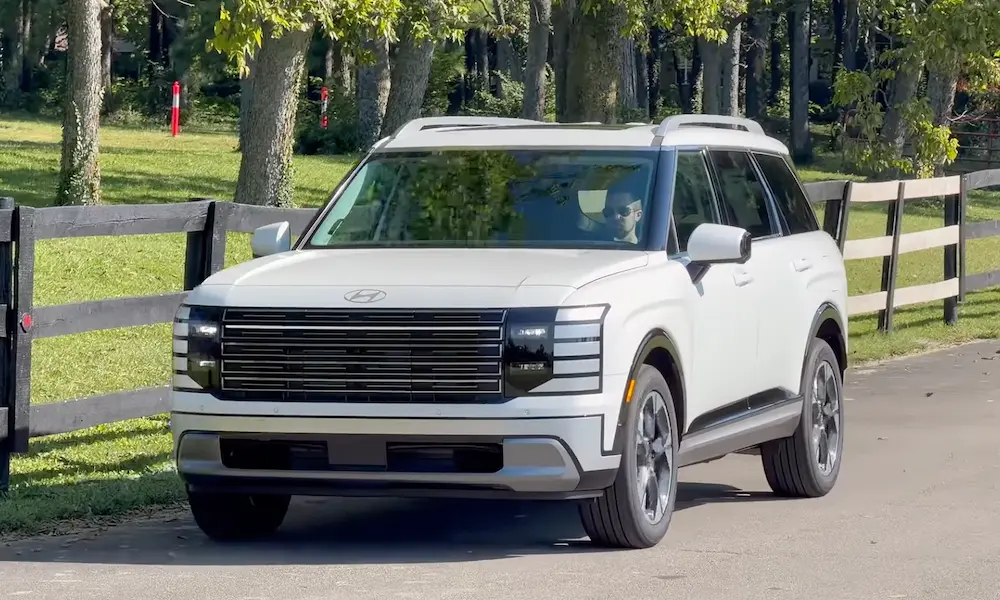
| Hyundai Palisade | 2020–2021 | Entry-level large SUVs without proximity start |
| Hyundai Elantra GT | 2013–2020 | Hatchback variants commonly missing immobilizers |
| Genesis Coupe | 2013–2014 | Performance models without standard security |
According to Hyundai’s official anti-theft resource, roughly 4 million Hyundai vehicles were produced with this vulnerable configuration for the U.S. market. Hyundai completed its transition to standard immobilizers for all models produced after November 2021, so most 2023 and newer vehicles are safe from this specific method.
The Theft Numbers Are Still Alarming in 2025
The good news: total vehicle thefts in the U.S. fell by about 23% in the first half of 2025, according to the NICB. The bad news: Hyundai still dominates the stolen car charts.
Here’s where things stand nationally:
| Rank | Vehicle | Thefts (Q1–Q2 2025) |
|---|---|---|
| 1 | Hyundai Elantra | 11,329 |
| 2 | Hyundai Sonata | 9,154 |
| 3 | Honda Accord | 8,531 |
| 4 | Chevrolet Silverado | 8,006 |
| 5 | Honda Civic | 6,396 |
| 6 | Kia Optima | 6,011 |
| 7 | Ford F-150 | 4,996 |
| 8 | Toyota Camry | 4,986 |
| 9 | Honda CR-V | 4,889 |
| 10 | Kia Soul | 4,380 |
The Elantra and Sonata together accounted for over 20,000 thefts in just six months. Why? Because by mid-2025, approximately 40% of eligible vehicles still hadn’t received the security update. That’s millions of sitting targets.
Your Insurance Might Already Be at Risk
This isn’t just a car problem — it’s an insurance problem too. Major carriers including State Farm and Progressive refused to write new policies on certain 2015–2021 Hyundai models in some states. The Insurance Institute for Highway Safety (IIHS) reported that theft claims for these vehicles were nearly twice as common as those for all other manufacturers combined.
If you own one of the affected models, watch out for:
- Non-renewals — Some policyholders got dropped unless they showed proof of a security upgrade
- Premium hikes — Rates in cities like Chicago, St. Louis, and Denver jumped 20–30% above the national average
- Coverage restrictions — Some carriers only offered liability coverage, refusing comprehensive or collision insurance
- Resale value drops — Hard-to-insure cars are harder to sell
Hyundai partnered with AAA to offer alternative insurance options for owners getting turned away by traditional carriers. It’s worth checking if you qualify.
What Hyundai Is Doing About It
The Software Fix (Campaign 993)
In February 2023, Hyundai launched Campaign 993 — a free anti-theft software upgrade available at dealerships. The update changes how your Body Control Module works. After locking your car with the key fob, the system activates an ignition kill. If a thief tries the USB trick, the engine simply won’t start.
Important catch: The fix only works if you lock your car with the key fob. Locking with the door handle button or interior switch won’t arm the system. Many owners don’t realize this, which is why cars are still getting stolen even after the update.
Also worth knowing: IIHS research showed the software reduced whole-vehicle theft by 64%, but it didn’t stop thieves from smashing windows and tearing apart steering columns before realizing the car won’t start. The physical damage still happens.
The Hardware Retrofit (Starting 2026)
Software alone wasn’t enough. Following a multi-state investigation by 35 attorneys general, Hyundai agreed to a full hardware retrofit program. Starting in early 2026, dealers are installing zinc-reinforced ignition cylinder protectors — a physical sleeve that prevents thieves from cracking or removing the ignition in the first place.
Here’s the timeline:
| Phase | Action | Who It Covers |
|---|---|---|
| Early 2026 | Eligibility notifications sent | 2011–2022 model owners |
| Throughout 2026 | Dealer installations ongoing | All eligible turn-key vehicles |
| March 2027 | Final installation deadline | End of free retrofit period |
This program is expected to cost over $500 million — one of the largest corrective actions in automotive history that isn’t a traditional safety recall.
You May Be Owed Money
Two separate legal settlements now give Hyundai owners a path to financial recovery:
Class-action settlement (up to $200 million): Confirmed by the Ninth Circuit Court of Appeals in January 2026, this covers:
- Up to $3,375 or 33% of your car’s Black Book value for total loss from theft
- Up to $375 for insurance deductible increases or premium hikes
- Up to $250 for towing, transportation costs, or fines
- Up to $300 for steering wheel locks or aftermarket alarms (if your car can’t get the software update)
- Up to $250 for lost wages tied to dealership visits
Multi-state settlement ($9 million): Secured by 35 states and D.C., this covers incidents occurring after April 29, 2025. Check Hagens Berman’s settlement FAQ to see if you qualify and how to file.
Extra Protection Steps Worth Taking Right Now
Don’t wait for the hardware retrofit. Layering your defenses makes your car a much less attractive target.
Physical deterrents:
- A visible steering wheel club is cheap and effective — thieves want easy wins
- Get the free software update from your Hyundai dealer if you haven’t already
- Always lock with your key fob, not the door handle
Aftermarket security systems:
- Compustar CS7900-AS — Top-rated for 2026; includes a starter kill that works independently of the factory system
- Viper 3105V — Budget-friendly with a Failsafe Starter Kill feature
GPS tracking (so you can recover it fast if stolen):
- Bouncie or CarLock — Plug into your OBD port for real-time location alerts
- Spytec GL300 — A discreet LTE tracker you can hide inside the vehicle
The New Threat: Digital Car Theft
Here’s something most Hyundai owners don’t know yet. As the USB hack gets patched out, thieves are moving toward digital methods. Devices like the Flipper Zero are being modified to mimic key fob signals, bypass keyless entry, and in some cases start engines without a physical key.
Other active threats include:
- Relay attacks — Thieves amplify your key fob’s signal from inside your home to trick your car into thinking the key is nearby
- Signal cloning — Capturing your unlock signal as you walk away, then replaying it
- OBD-II exploits — Using diagnostic port scanners to reprogram new key fobs directly
Hyundai says it’s monitoring these threats, but the honest truth is that automotive security is an ongoing arms race. Your best move is to use a signal-blocking key fob pouch at home and consider an OBD port lock if you drive a newer keyless model.
The bottom line: if you own a 2011–2022 Hyundai with a traditional key ignition, act now. Get the software update, schedule the hardware retrofit when notified, check your insurance coverage, and look into the settlement if you’ve had theft-related losses. The vulnerability is well-known — but so are the fixes.