If your Hyundai or Kia got stolen with a USB cable, you’re probably furious — and rightfully so. The good news? There’s real money and free hardware fixes available right now. This guide breaks down exactly what the Hyundai theft settlement covers, who qualifies, and what steps you need to take before deadlines hit.
What Actually Happened — And Why Hyundai and Kia Owe You
Here’s the short version: Hyundai and Kia skipped a basic security feature called an engine immobilizer on millions of vehicles built between 2011 and 2022.
An engine immobilizer is a standard electronic device that stops your car from starting without the correct key. By 2015, 96% of vehicles sold by other manufacturers had this technology. Hyundai and Kia? Only 26%.
That gap created a nightmare. Thieves figured out that removing the plastic steering column cover exposed an ignition cylinder they could crack open and start with a USB cable. No special tools. No mechanical expertise. Just a USB cable and 60 seconds.
The “Kia Challenge” went viral on TikTok, and suddenly joyriders — many of them teenagers — were stealing these cars by the thousands. Some cities saw theft rates jump tenfold. Stolen vehicles ended up in crashes, police chases, and worse.
Lawsuits followed. Then settlements. Here’s what those settlements mean for you.
The Two Separate Settlements You Need to Know About
The Hyundai theft settlement situation isn’t one deal — it’s two. They overlap in some areas and fill gaps in others.
| Settlement | Total Value | Who Runs It | Claim Deadline |
|---|---|---|---|
| Federal Class Action | $80M – $145M | Angeion Group | April 28, 2025 (closed) |
| Multistate AG Settlement | $9M ($4.5M for consumers) | hkmultistateimmobilizersettlement.com | March 31, 2027 |
The class action covers historical losses. The AG settlement covers newer incidents and adds a better hardware fix. Both are still relevant depending on your situation.
Which Vehicles Does the Settlement Cover?
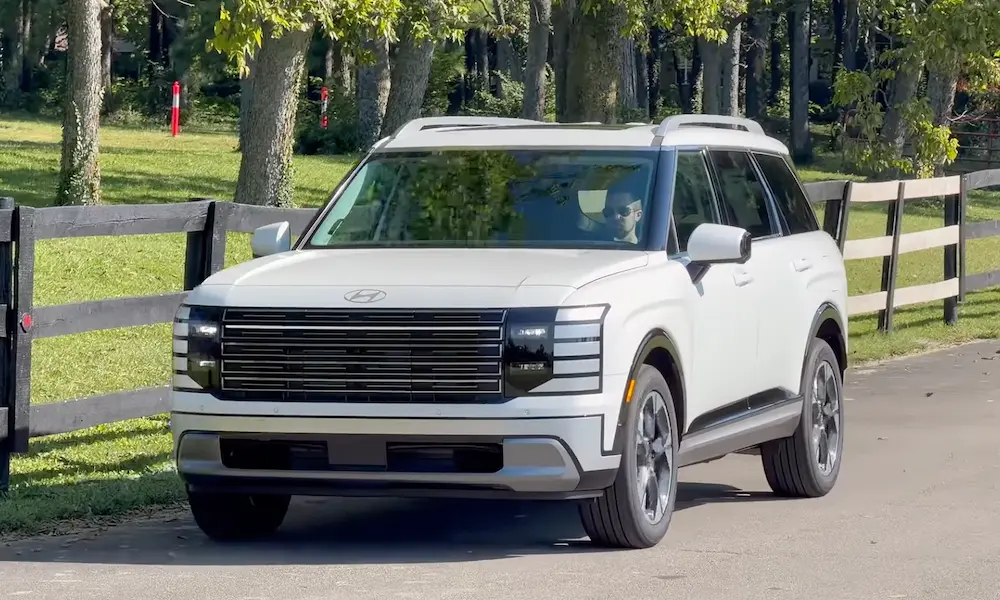
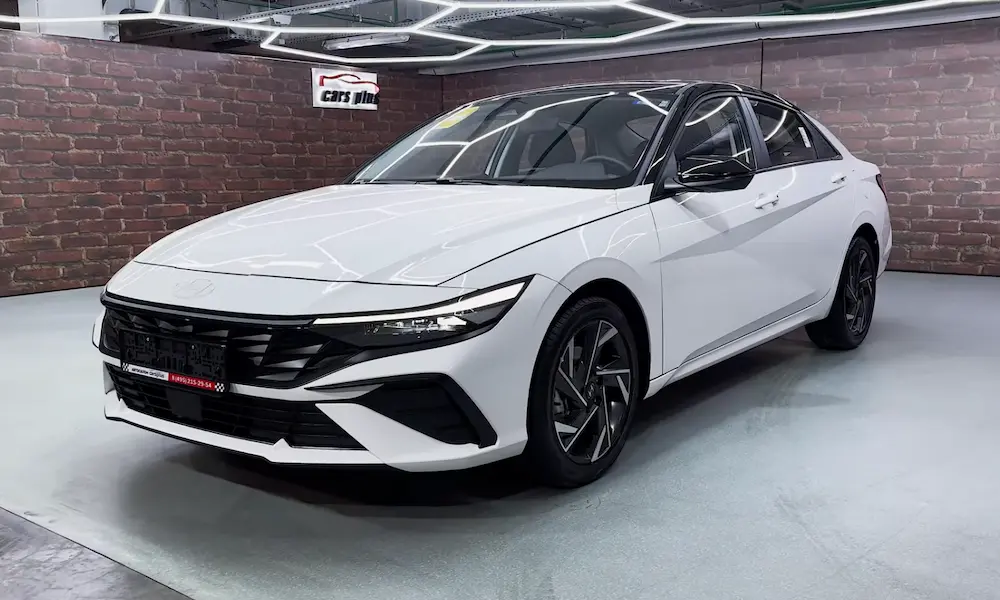
Your vehicle qualifies if it has a traditional turn-key ignition (not push-button start) and was built without an engine immobilizer. Here’s the full list:
Hyundai Models:
| Model | Covered Years |
|---|---|
| Accent | 2011–2022 |
| Elantra | 2011–2022 |
| Elantra GT | 2013–2020 |
| Kona | 2018–2022 |
| Palisade | 2020–2021 |
| Santa Fe | 2011–2022 |
| Santa Fe Sport | 2013–2018 |
| Sonata | 2011–2019 |
| Tucson | 2011–2022 |
| Veloster | 2012–2017, 2019–2021 |
| Venue | 2020–2021 |
Kia Models:
| Model | Covered Years |
|---|---|
| Forte | 2011–2021 |
| Optima | 2011–2020 |
| Rio | 2011–2021 |
| Sedona | 2011–2021 |
| Seltos | 2021–2022 |
| Sorento | 2011–2022 |
| Soul | 2011–2022 |
| Sportage | 2011–2022 |
| K5 | 2021–2022 |
Not sure if your specific trim qualifies? Check your VIN at hyundaitheftsettlement.com or kiatheftsettlement.com.
What Money Can You Actually Get?
Federal Class Action Payouts
The class action’s Common Fund covers real, documented out-of-pocket losses. Here’s what the settlement pays:
- Total loss (vehicle destroyed, unrecoverable, or repairs exceed 70% of value): Up to 60% of the Black Book value
- Partial loss (damage that doesn’t hit total loss threshold): The greater of $3,375 or 33% of Black Book value
- Insurance deductible + premium increases: Up to $375
- Ancillary costs (towing, transportation, even speeding tickets issued to the thief): Up to $250
- Dealership time for software installation (lost income + childcare combined): Up to $250
- New key fobs required for the software update: Up to $350 per fob, max two per vehicle
The claim window for the class action closed on April 28, 2025. If you filed before that date, your payment is coming — just delayed (more on that below).
AG Settlement Payouts (Still Open)
If you experienced a theft on or after April 29, 2025, the multistate AG settlement has you covered — but only if the software upgrade was already installed or scheduled on your vehicle. Here’s what’s available:
- Total loss: Up to $4,500
- Partial loss: Up to $2,250
- Attempted theft expenses: Up to $375
The deadline to file this claim is March 31, 2027. Keep in mind — once the $4.5 million fund runs dry, claims stop. File sooner rather than later.
Free Hardware Fix: The Zinc-Reinforced Ignition Protector
This is arguably the most important part of the AG settlement. Beyond the cash, Hyundai and Kia must install a zinc-reinforced ignition cylinder protector on all affected vehicles — free of charge.
This physical device shields the ignition assembly from the USB bypass method entirely. Think of it as the fix the software upgrade should’ve been.
Key facts about the hardware fix:
- It’s free for all eligible owners
- It covers you even if you already got the software upgrade
- Hyundai started notifying owners in early 2026
- You have exactly one year from your notice date to schedule the installation at an authorized dealership
- Don’t ignore that notice — the window closes fast
The earlier software fix (Hyundai’s Campaign 993) was a partial solution. Reports showed thieves could still bypass it in some cases. The zinc protector is the permanent solution.
Where Things Stand in 2026
Here’s the timeline that matters:
| Date | What Happened |
|---|---|
| October 1, 2024 | District Court granted final approval of the class action |
| April 28, 2025 | Class action claim deadline |
| December 16, 2025 | 36 state AGs announced the $9M multistate settlement |
| January 8, 2026 | Ninth Circuit affirmed the settlement — appeals resolved |
| May 27, 2026 | Case transfers back to district court for finalization |
| March 31, 2027 | AG settlement claim deadline |
The Ninth Circuit ruling on January 8, 2026 cleared the final legal obstacle. Objectors challenged the fairness of the settlement, and the court rejected those arguments. Once the May 2026 case transfer completes, payments from the Common Fund will start moving.
If you filed a claim before April 2025, watch for your Final Claim Determination Notice after May 27, 2026. This notice confirms your approved amount and explains the payment timeline.
What Documents You Need to File a Claim
Both settlements require solid documentation. Don’t wing this part.
Proof of Ownership
You need a document from a state DMV, insurance company, or lender that shows your name and the vehicle’s 17-character VIN. Titles, registration cards, loan documents, and insurance policies all work.
Proof of the Incident
A police report is the standard. If you don’t have one, insurance records or dealership repair records showing the date and nature of the breach may work. File a police report if you haven’t already — it strengthens everything.
Proof of Financial Loss
- Total loss: Insurer notification, a third-party repair estimate showing costs above 70% of vehicle value, or proof of sale below 30% of market value
- Repairs: Itemized invoices from a repair shop showing the date, work done, and amount paid
- Insurance records: Any settlement you received from your insurer gets subtracted from your claim, so document that too
Got a Deficiency Notice?
Many claimants received notices flagging their claims as “deficient.” This usually means a missing signature, wrong VIN, or missing police report. You have 45 days from the notice date to fix it. Don’t let that deadline slide — a deficient claim that goes unfixed gets tossed.
The Ripple Effects Nobody Talks About
The theft epidemic hit owners in ways beyond the actual car theft.
Insurance became a nightmare. Major carriers like State Farm and Progressive stopped issuing new policies on affected Hyundai and Kia models in some states. Existing policyholders saw premiums spike. That’s why the settlement specifically covers up to $375 for premium increases.
Resale values tanked. The “Kia Challenge” stigma followed these vehicles into the used car market. Buyers steered clear of turn-key Hyundai and Kia models, knowing insurance might be hard to get and the cars were prime theft targets.
Cities took the hit too. Police departments across the country were overwhelmed. Multiple cities filed their own lawsuits against the manufacturers. The AG settlement’s $4.5 million to states partially covers those investigative and public safety costs.
Your Action Items Right Now
Here’s exactly what to do depending on your situation:
If you filed a class action claim before April 2025:
- Watch your mail and email for a Final Claim Determination Notice after May 27, 2026
- Make sure your contact info is current with Angeion Group
- Keep all your original documentation
If your vehicle was stolen on or after April 29, 2025:
- Check if you qualify under the AG settlement at hkmultistateimmobilizersettlement.com
- File before March 31, 2027 — but don’t wait until the fund runs out
For every affected owner:
- Get the free zinc ignition cylinder protector installed when your notice arrives
- You have one year from your notice date — don’t miss it
- Check if your vehicle qualifies for the free software upgrade if you haven’t already
The money isn’t life-changing for most people. But it’s yours. And the hardware fix is genuinely worth getting — it closes the vulnerability for good.