Picking the best year for a Hyundai Tucson isn’t as simple as grabbing the newest one. Some years are goldmines. Others are money pits. This guide breaks down every generation honestly so you can buy smart, avoid the lemons, and drive away confident.
Quick Answer: The Best Years for Hyundai Tucson
Not everyone has time to read a full breakdown, so here’s the short version:
- Best used buy: 2020 or 2021
- Best new buy: 2025 (or a 2024 built after March)
- Best budget pick: 2009
- Years to avoid: 2011, 2012, 2013, 2016, 2017
Now let’s dig into the why.
First Generation (2005–2009): Simple, Tough, Underrated
The first-gen Tucson wasn’t fancy. It shared its bones with the Kia Sportage and Hyundai Elantra. But that simplicity worked in its favor.
The 2005 Model: Promising but Patchy
The 2005 debut had eight separate safety recalls. Most targeted peripheral issues like airbag systems and the parking brake mechanism rather than the engine or transmission. Despite that rough start, NHTSA and CarComplaints data recorded only 43 complaints — impressively low for a first-year vehicle.
Why the 2009 Stands Out
By 2009, Hyundai had ironed out the kinks. The final year of the first generation benefits from better electrical systems, tighter quality control, and a mature build process. According to Kelley Blue Book reviews, 93% of owners recommend it — and 68% gave it a full 5 out of 5 stars.
| Metric | 2009 Hyundai Tucson |
|---|---|
| City Fuel Economy | 18–20 MPG |
| Highway Fuel Economy | 23–26 MPG |
| Horsepower | 140–173 hp |
| Transmission | 5-speed manual or 4-speed automatic |
| Consumer 5-Star Rating | 68% of reviewers |
The main weaknesses? Sluggish acceleration in the 2.0-liter version and limited trunk space. But if you want a simple, durable commuter on a tight budget, the 2009 Tucson delivers solid value.
Second Generation (2010–2015): The Engine Crisis Years
The 2010 redesign brought sharper looks and a six-speed transmission. It also brought the Theta II engine — and that’s where things got ugly.
The Theta II Engine Problem Explained Simply
Hyundai introduced Gasoline Direct Injection (GDI) technology in the 2.4-liter Theta II engine. During manufacturing, metal debris from crankshaft machining could block oil flow to the connecting rod bearings. The bearing would wear down, knock, and eventually seize. In worst cases, the connecting rod punched through the engine block and spilled oil onto hot exhaust parts — creating a real fire risk.
This led to massive class-action lawsuits, federal investigations, and a software patch called the Knock Sensor Detection System (KSDS). But software patches don’t fix physical damage already done.
Year-by-Year Breakdown (2011–2015)
| Model Year | Risk Level | Main Issue |
|---|---|---|
| 2011 | ❌ Avoid | Electrical glitches, engine hesitation |
| 2012 | ❌ Avoid | Engine failure ~98K miles, avg $4,500 repair cost |
| 2013 | ❌ Avoid | Engine seizing while driving |
| 2014 | ⚠️ Caution | Improved but Theta II risk lingers |
| 2015 | ✅ Okay | Most reliable of this generation |
MotorBiscuit confirms the 2012 as one of the worst Tucson years overall, with engine failure hitting around 98,000 miles and leaving owners with a repair bill averaging $4,500.
Safety Was Also a Problem
The second-gen Tucson scored “Poor” in the IIHS small overlap front crash test. The driver’s space suffered 41 centimeters of intrusion at the footwell. The dummy’s head barely touched the airbag before sliding off sideways. The side curtain airbag didn’t even deploy.
For families, that’s a dealbreaker regardless of mechanical condition.
Third Generation (2016–2021): A Rocky Start, Then a Goldilocks Zone
The 2016 redesign brought more space, better tech, and sharper styling. It also brought a transmission problem that scared off a lot of buyers.
The 2016–2017 DCT Disaster
Hyundai introduced a seven-speed Dual-Clutch Transmission (DCT) for improved fuel economy. It backfired. The most dangerous issue: the car wouldn’t move when drivers pressed the accelerator from a stop.
Imagine sitting at a red light, pressing the gas, and nothing happening. That’s what happened to thousands of 2016 and 2017 owners. Hyundai issued a recall to reprogram the transmission module, but the jerky, unpredictable behavior often remained. The 2017 also got caught in another Theta II engine recall.
Bottom line: Avoid 2016 and 2017.
The 2019 Refresh Changed Everything
Hyundai made a smart call in 2019 — they dropped the problematic 1.6-liter turbo and the seven-speed DCT entirely. In their place came a naturally aspirated 2.4-liter engine paired with a traditional six-speed torque-converter automatic. Autotrader confirms this shift as the turning point that made the third-gen Tucson genuinely reliable.
The 2019 model also added standard forward collision avoidance and lane-keeping assist across all trim levels.
The Best Year for Hyundai Tucson: 2020
The 2020 Tucson is the sweet spot. It sits at the perfect intersection of modern features and proven reliability. CarBuzz, CoPilot, and CarComplaints all rank it at the top.
| Feature | 2020 Hyundai Tucson |
|---|---|
| Transmission | 6-speed torque converter automatic |
| Standard Safety | Forward collision avoidance, lane-keeping |
| IIHS Award | Top Safety Pick |
| J.D. Power Quality Score | 87/100 |
| Reliability Ranking | Top choice across multiple platforms |
The 2021 model follows the same formula with virtually zero changes — making it equally strong. Both are excellent used car purchases and represent the most mature, reliable versions of the Tucson before the major 2022 redesign.
Pro tip: Buy a Certified Pre-Owned 2020 or 2021 Tucson and Hyundai reinstates the full 10-year/100,000-mile powertrain warranty. That’s outstanding used car value.
Fourth Generation (2022–Present): Ambitious, Efficient, Still Maturing
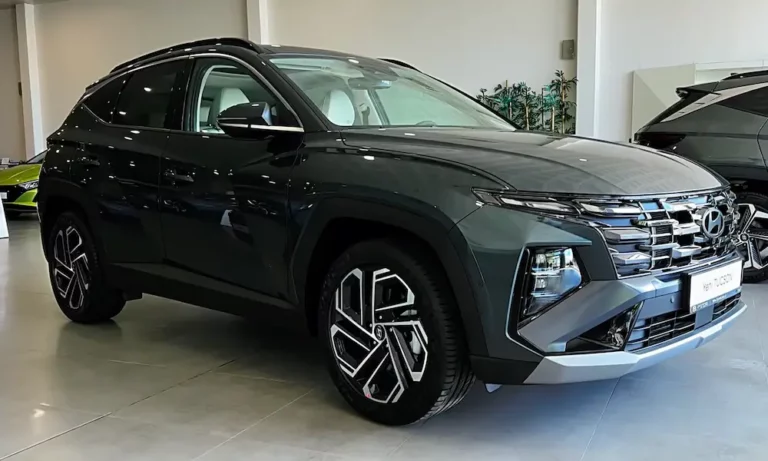
The 2022 redesign is dramatic. New look, digital interior, and the first-ever hybrid and plug-in hybrid options in Tucson history.
Fuel Economy Jumps Significantly
The efficiency gains are real and worth noting:
| Powertrain | City / Hwy / Combined MPG |
|---|---|
| 2.5L Gas (FWD) | 26 / 33 / 29 |
| 2.5L Gas (AWD) | 24 / 29 / 26 |
| 1.6L Hybrid | 38 / 38 / 38 |
| 1.6L Plug-In Hybrid | 35 combined / 32-mile EV range |
Compare that to the 2021 model’s 25 combined MPG and the hybrid’s 38 MPG looks impressive.
Early 2022 Growing Pains
First-year redesigns almost always bring teething issues. The 2022 Tucson collected 325 NHTSA complaints, many involving engine stalling, rough idling at traffic lights, and unpredictable throttle response. Hybrid owners reported abrupt transitions between electric and gas power and inconsistent regenerative braking feel.
These aren’t catastrophic failures like the Theta II era — but they’re real annoyances that haven’t been fully ironed out.
The 2025 Fixes the Biggest Complaint
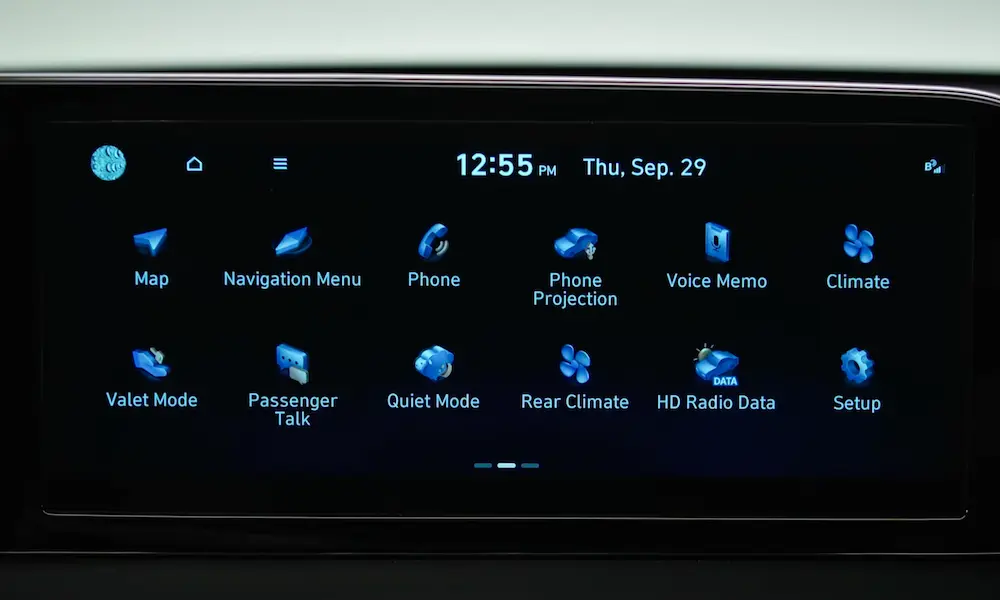
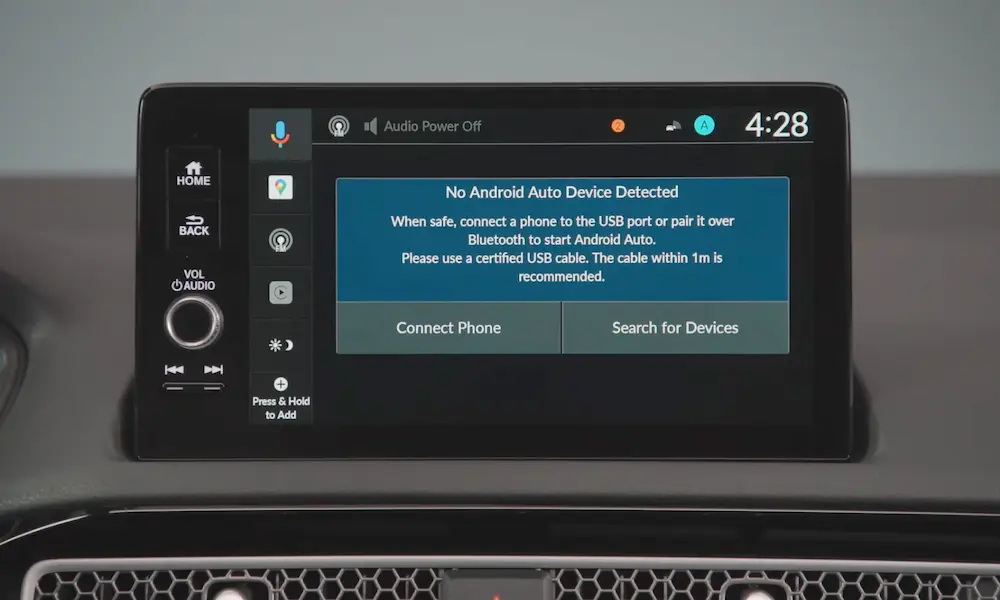
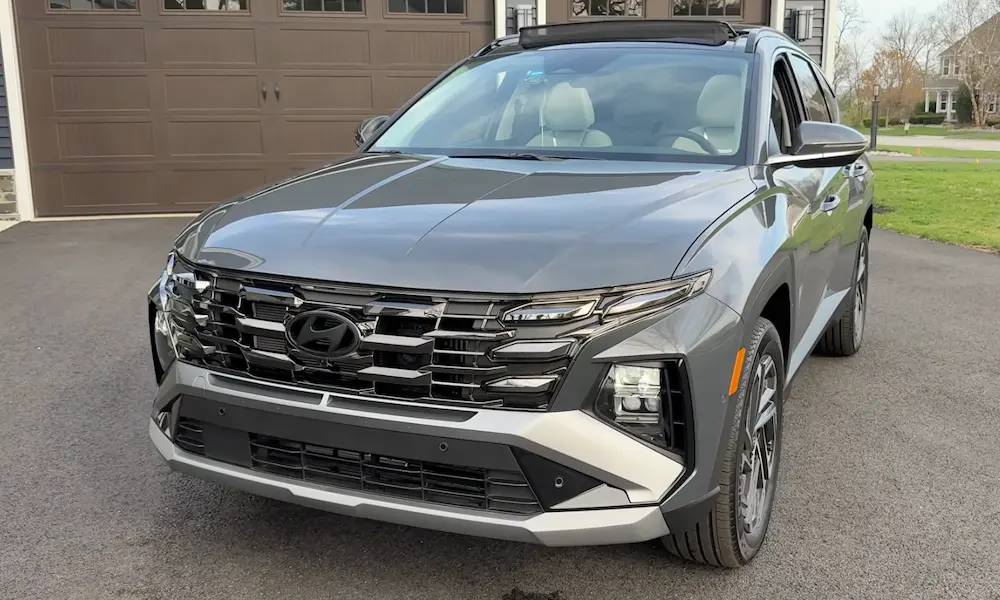
The original 2022–2024 interior replaced physical buttons with touch-sensitive panels for volume and climate. Drivers hated them. For 2025, Hyundai listened and brought back physical knobs and buttons, added a new panoramic curved display, and refreshed the front and rear styling.
If you’re buying new, the 2025 is the best-equipped and most user-friendly Tucson ever built.
Safety Timeline: From “Poor” to Perfect
The Tucson’s safety story is a dramatic improvement arc worth knowing.
| Model Year | IIHS Rating | Key Safety Note |
|---|---|---|
| 2010–2015 | Poor (small overlap) | Side curtain airbag failure in crash tests |
| 2016–2021 | Top Safety Pick | Good in all six crashworthiness tests |
| 2022–2023 | Top Safety Pick+ | Standard blind-spot collision avoidance |
| 2024 (post-March) | Top Safety Pick+ | Rear-seat belt pretensioners added |
The 2021 Tucson — despite being a Top Safety Pick overall — only earned a “Marginal” in the updated IIHS side-impact test using a heavier barrier. That’s worth knowing.
The real safety breakthrough came in 2024. Hyundai added rear-seat belt pretensioners and load limiters to vehicles built after March 2024, earning the full IIHS Top Safety Pick+ under updated rear-seat occupant criteria. If maximum safety protection matters to you, specifically look for a 2024 Tucson built after March or go straight to the 2025.
Engine Guide: Which Motor to Trust
Here’s a plain-English breakdown of each engine era:
- 2.7L V6 (2005–2009): Old-school port injection. Thirsty but tough. High mileage survivors are common.
- Theta II GDI (2011–2018): The problem child. Manufacturing defects caused oil flow restrictions and catastrophic engine failure. Avoid the 2.4L version especially.
- 2.4L Naturally Aspirated (2019–2021): Same GDI layout but revised manufacturing post-scandal. Much more reliable in practice.
- 2.5L Smartstream (2022+): Dual injection system (port AND direct) reduces carbon buildup. Better long-term design, despite some 2022 stalling reports.
Tucson Ownership Costs: Cheaper Than You’d Expect
The Tucson’s annual repair cost averages just $426 — nearly $100 less than the segment average of $526. There’s only a 10% chance any given repair will be severe. Owners average just 0.3 unscheduled shop visits per year.
| Metric | Hyundai Tucson | Segment Average |
|---|---|---|
| Annual Repair Cost | $426 | $526 |
| Reliability Score | 4/5 | 3.5/5 |
| Severe Repair Probability | 10% | 11% |
That makes the Tucson a genuinely affordable vehicle to own long-term — as long as you pick the right year.
Which Trim Level Gets You the Most Value?
- SE: Entry-level, stripped down. Fine for basics.
- SEL: The sweet spot. Adds the larger engine, heated seats, and proximity keyless entry. Best value trim for most buyers.
- Limited/Ultimate: Gets you the 360-degree camera, Bose audio, panoramic sunroof, and — critically — the LED headlights that IIHS requires for the Top Safety Pick rating.
- XRT: Rugged styling, skid plates, 19-inch wheels. Purely cosmetic off-road look.
- N-Line: Sport-focused trim. Newer versions are hybrid-only, which is a smart move for performance and efficiency together.
If you’re chasing that Top Safety Pick+ rating on a third-gen model, go with Limited or Ultimate trim. IIHS confirmed that lower trims with halogen headlights don’t qualify.
The Final Verdict: Best Year for Hyundai Tucson by Buyer Type
- Tight budget, want reliability: Buy a clean 2009 with documented service history.
- Best used car overall: A Certified Pre-Owned 2020 or 2021 Tucson. It’s reliable, safe, modern, and may still carry powertrain warranty coverage.
- Buying new or near-new: Go with the 2025 or a post-March 2024 build. You get the best safety ratings Tucson has ever earned, physical controls back in the interior, and efficient hybrid options.
- Avoid at all costs: 2011, 2012, 2013 (Theta II engine failures), and 2016–2017 (DCT transmission crisis).
The Hyundai Tucson’s evolution is a real success story — but it has landmines in specific years. Stick to the mature end of each generation, and you’ll get an SUV that’s genuinely hard to fault.