Hearing a click or thud every time you turn your steering wheel? Your Hyundai might have a known coupler issue — and there’s a good chance Hyundai will fix it for free. This post breaks down exactly what’s happening, which vehicles qualify, and how to get your money back if you already paid for the repair.
What Is the Hyundai Steering Coupler, and Why Does It Fail?
Deep inside your steering column sits a small, star-shaped rubber bushing called the flexible steering coupler. Its job is simple: absorb vibrations between the electric motor and the steering gear so you don’t feel every bump in the road through your hands.
Hyundai’s Motor Driven Power Steering (MDPS) system replaced old hydraulic setups starting in the mid-2000s. The switch improved fuel economy and reduced mechanical complexity. But there was a catch — the original rubber couplings weren’t built to last in real-world North American conditions.
The original polyurethane material shreds, melts into sticky residue, or crumbles into powder over time. Once that happens, metal contacts metal inside the steering assembly. The result? That annoying clicking noise you can’t ignore.
How Do You Know If Your Coupler Is Failing?
The symptoms are hard to miss once they start. Here’s what to watch for:
| Symptom | What You Experience | What’s Actually Happening |
|---|---|---|
| Audible noise | Rhythmic clicking or thudding when turning | Metal-on-metal contact with no rubber buffer |
| Steering feel | “Dead spot” at center; wheel feels loose | Gap between motor drive gear and worm gear |
| Dashboard warning | EPS warning light activates | Control unit detects torque inconsistencies |
| Handling changes | More effort needed at low speeds | System may shift to manual steering mode |
The noise is usually loudest when parking or making sharp turns at low speed. As it worsens, you’ll notice a vague, disconnected feeling in the wheel — like there’s a brief delay between turning and the car responding.
Here’s the important part: the vehicle stays steerable even with a failed coupler. You’ll just need more physical effort to turn the wheel. Because complete steering loss doesn’t occur, federal regulators categorized this as a durability problem — not an immediate safety defect. That’s why Hyundai addressed it through a warranty extension rather than a mandatory recall.
The Hyundai Steering Coupler Recall: What Actually Happened
To be precise, this isn’t technically a recall — it’s a warranty extension program called Campaign TXX7. Hyundai launched it in response to thousands of owner complaints and mounting legal pressure.
The TXX7 warranty extension covers the flexible rubber coupling for:
- 10 years from the original delivery date, or
- 100,000 miles — whichever comes first
Coverage transfers to second owners too, so buying a used Hyundai doesn’t disqualify you.
Which Vehicles Does the Hyundai Steering Coupler Recall Cover?
| Model | Covered Years | Notes |
|---|---|---|
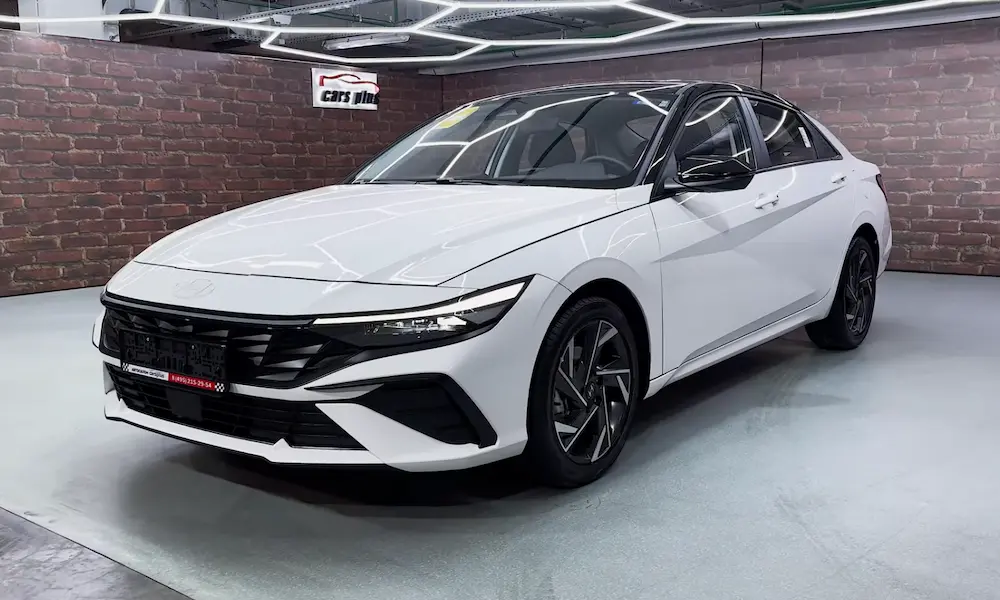
| Elantra Sedan (HD) | 2007–2010 | All production |
| Elantra Sedan (MD/UD) | 2011–2015 | Built Aug 13, 2010 – May 19, 2014 |
| Elantra Touring | 2009–2012 | Hatchback (FD) |
| Sonata Sedan | 2011–2014 | YF/YFa models |
| Sonata Hybrid | 2011–2015 | YF HEV models |
To confirm your vehicle qualifies, use the VIN lookup tool at Hyundai’s TXX7 campaign page. It takes about 30 seconds and gives you a definitive answer.
If your car isn’t making any clicking or thudding sounds, Hyundai says no action is required right now. But keep the warranty extension in mind — it’s there when you need it.
The Replacement Part: Why the New Coupler Is Actually Better
The original Technical Service Bulletin from NHTSA identified the root problem clearly: the polyurethane compound in the original couplers couldn’t handle the heat inside the steering motor housing.
The upgraded replacement part (part number 56315-2K000-FFF) uses Hydrogenated Nitrile Butadiene Rubber (HNBR). This material resists heat up to 105°C without breaking down, and it handles ozone degradation far better than the original compound.
You can spot the correct part easily — it has “HNBR” embossed directly on the rubber surface. Some versions carry a “4P” mark instead. Either one is the improved version. The old polyurethane coupling looks almost identical, so this marking matters.
Don’t let anyone install the old-style part on your car. If you’re going to a shop outside the dealership, bring this detail up specifically.
What the Repair Actually Involves
Here’s the part that surprises most people: the coupler itself costs about two dollars. The labor is where the bill adds up fast.
Replacing it takes two to three hours of technician time. The entire steering column or motor assembly needs to come apart to reach the coupler. That means removing lower dashboard panels, crash pad covers, and on Sonata models, the lower HVAC ducting.
The official repair procedure requires technicians to follow a precise sequence:
| Step | Specification | Why It Matters |
|---|---|---|
| Center the wheel first | Wheels straight ahead, wheel centered | Prevents breaking the clock spring |
| Disconnect battery | Remove negative terminal | Avoids accidental airbag deployment |
| Remove HVAC duct (Sonata) | Left side lower duct | Creates clearance to lower the column |
| Clean thoroughly | Compressed air and brush | Removes rubber debris from the motor |
| Install new coupling | Bracket facing upward | Ensures correct gear interface |
| Torque bolts correctly | 9–13 ft-lbs (column); up to 36 ft-lbs (structural nuts) | Maintains structural integrity |
After reassembly, many vehicles need a steering angle sensor calibration using a diagnostic computer. Skip this step and your EPS system won’t deliver assistance correctly.
This is exactly why DIY attempts go wrong. One misaligned steering wheel during disassembly can snap the clock spring — and that’s a much more expensive fix than the coupler itself.
How to Get Reimbursed If You Already Paid
Many owners paid out of pocket before Campaign TXX7 launched in 2017. Hyundai set up a reimbursement program for exactly this situation — and it covers parts, labor, towing, and rental car costs.
Average reimbursements have run around $400, though your amount depends on local labor rates and what you paid.
Here’s what you’ll need to submit:
- Complete repair order — itemized invoice with shop name, VIN, mileage, and work description
- Proof of payment — credit card statement, front/back of a canceled check, or cash receipt
- Proof of ownership — current vehicle registration showing you owned it at repair time
- Mileage verification — your invoice must show mileage under 100,000 miles
- Related receipts — towing or rental car costs tied to the steering repair
Submit through Hyundai’s campaign reimbursement portal. Hyundai typically processes claims within 60 days. If you did the repair yourself, expect to recover only the parts cost — labor reimbursements generally require professional service records.
Keep your documentation organized. Claims get denied most often when the invoice doesn’t clearly specify the flexible coupling as the repaired component, or when mileage isn’t documented.
Other Hyundai Steering Recalls You Should Know About
The TXX7 warranty extension covers the coupler specifically. But Hyundai has issued separate formal recalls for other steering defects — and these are more serious.
Recall 173 (NHTSA 18V-118): This 2018 recall covered roughly 43,000 Santa Fe and Santa Fe Sport vehicles. The steering wheel hub could fracture due to a supplier manufacturing error, causing the wheel to completely separate while driving. Hyundai replaced entire steering wheels. You can check the NHTSA recall report directly for technical details.
Recall 161: A limited number of 2017 Elantra sedans had a damaged electronic connector in the power steering motor. The result was sudden, unexpected loss of steering assistance — dangerous if it happened mid-turn at speed.
Recall 097: 2011 Sonata vehicles were inspected for loose connections between the steering column and intermediate shaft. A separation there means total loss of steering control — no manual fallback.
These are genuinely different in severity from the coupler issue. A clicking noise is annoying. A steering wheel separating from the column is a crash waiting to happen. If you own any of these models, check your VIN at NHTSA’s recall database to confirm your status.
The Legal Fight Behind the Warranty Extension
The TXX7 program didn’t emerge from goodwill alone. Class-action lawsuits played a major role. Cases like Houston Vinci and Jaehan Ku v. Hyundai Motor America (Case No. 8:17-cv-00997) alleged Hyundai knew about the steering defect as early as 2010 but withheld that information from consumers.
Plaintiffs argued that a steering system that suddenly felt “locked” or lost power assistance crossed the line from nuisance into safety hazard. Hyundai countered that the system stayed within U.S. compliance standards.
Some cases were dismissed. Others reached limited settlements. But the combined legal pressure — alongside thousands of NHTSA complaints — pushed Hyundai toward the TXX7 program. Industry analysts widely credit this litigation as the key driver behind Hyundai’s decision to offer a decade-long warranty extension rather than a minimal fix.
What If Your Warranty Has Expired?
Many 2007–2015 Hyundai owners are now hitting or passing the 10-year/100,000-mile limit. At that point, the coupler becomes a regular maintenance item — your cost.
The good news: the part is still dirt cheap. The labor is where you’ll spend money. Here’s how to keep costs reasonable:
- Act early. A faint click is much cheaper to address than a steering system that’s developed significant play.
- Find a shop familiar with MDPS systems. Inexperienced technicians risk damaging the clock spring during disassembly, which turns a $200–$300 job into a $600+ one.
- Confirm the HNBR part goes in. Ask the technician directly. If they can’t confirm the material, ask them to show you the embossed marking before installation.
- Keep your records. Even out of warranty, documenting the repair with the correct part number protects you in any future claims or disputes.
The YourMechanic cost estimates for Sonata and Elantra flex coupling replacements give you a solid benchmark before you call any shop.
One more thing worth noting: in early 2026, Hyundai recalled 4,555 units of the 2026 Kona for faulty front steering knuckles that could fracture during hard cornering. Steering component quality remains a live issue across generations. Staying on top of your VIN’s recall status isn’t paranoia — it’s just smart ownership.