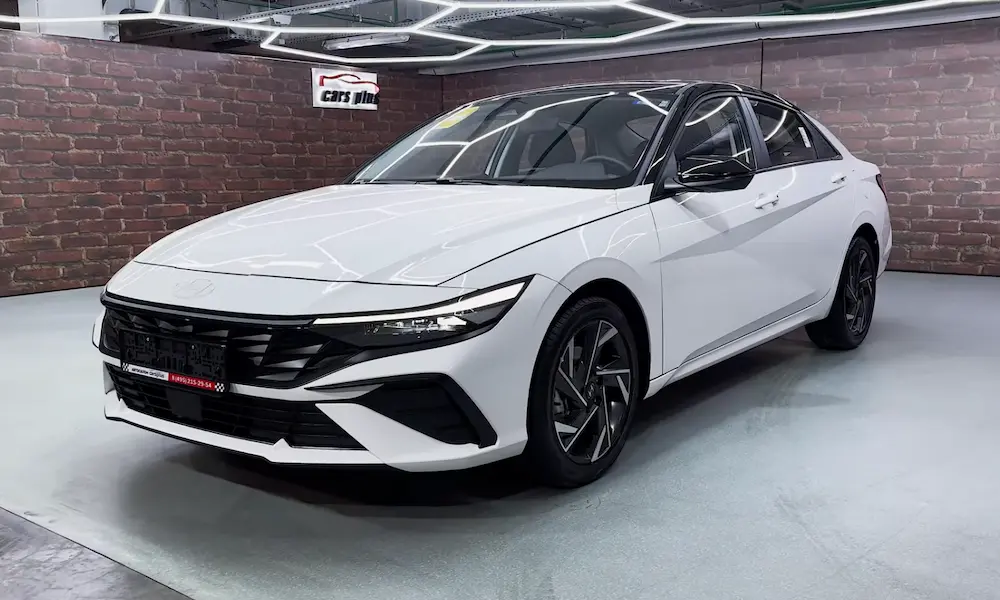
If you drive a Hyundai Elantra, you might’ve heard whispers about engine recalls or even received a notice in the mail. Engine recalls can be scary – nobody wants to think about their car suddenly stalling on the highway or, worse, catching fire. Let’s cut through the confusion and break down exactly what’s happening with these Hyundai Elantra engine recalls, which models are affected, and what you can do about it.
The Major Hyundai Elantra Engine Recalls Explained
The 2019-2020 Piston Oil Ring Defect
The most significant recent recall specifically targeting Elantra models affected 125,840 vehicles with 2.0-liter Nu MPI engines from the 2019-2020 model years. This wasn’t just a minor hiccup – it was a manufacturing defect where piston oil rings were improperly heat-treated, making them too hard.
So what happens when these defective rings are in your engine? They can chip and damage your engine’s cylinder bore, causing:
- Excessive oil consumption (check your driveway for spots!)
- Unusual knocking sounds from the engine
- Potential engine seizure or complete failure
- In worst cases, engine fires if oil leaks onto hot components
Hyundai’s fix includes inspecting engines and potentially replacing them, plus installing special Piston Ring Noise Sensing System (PNSS) software to detect problems early. If you own one of these models and haven’t had this recall service performed, contact your Hyundai dealer immediately.
Hybrid System Problems (2021-2023 Models)
If you drive an Elantra Hybrid from 2021-2023, you should know about another critical issue involving the motor control unit software. This defect could cause your car to unexpectedly accelerate after you release the brake pedal – not exactly what you want when pulling up to a stoplight!
The fix for this issue involves updating the ECM software, so if you haven’t had this done yet, schedule service with your dealer.
High-Performance Elantra N Fuel System Issues
Driving the sporty Elantra N from 2022-2023? There’s a recall for problems with the high-pressure fuel pump that can allow excess fuel into the system. This creates an overly rich air/fuel mixture, potentially causing your car to lose power while driving – a significant safety risk.
The remedy requires both software updates and possibly replacing the entire fuel pump.
The Bigger Picture: Hyundai’s Engine Crisis
Massive Settlements and Extended Warranties
While some engine issues specifically target the Elantra, it’s important to understand the broader context of Hyundai’s engine problems. The company has faced multiple class-action lawsuits resulting in billions of dollars in settlements.
For Elantra owners specifically, the Nu Engine Settlement covers 1.8-liter engines used in 2011-2016 models. This provides extended warranty coverage up to 140,000 miles for original owners, particularly in cold-weather states where these engines were more likely to develop piston slap noise and related damage.
Hyundai has also implemented extensive extended warranty programs covering engine short block assemblies for qualifying vehicles. These typically provide coverage for 15 years or 150,000 miles from the original purchase date – far beyond the standard warranty.
To qualify for these extended warranties, you’ll need to:
- Complete the required Knock Sensor Detection System (KSDS) software update
- Maintain proper service records
- Follow all manufacturer maintenance schedules
You can check if your vehicle qualifies for extended warranty coverage through the Hyundai Engine Information website.
Fire Risks and “Park Outside” Warnings
Perhaps the most alarming recall affecting Elantra owners involves the 2011-2015 models. This recall affected 1.64 million vehicles due to ABS module fire risk and came with a serious warning: park your car outside and away from structures until repairs are completed.
The issue? The anti-lock brake system modules could leak brake fluid internally, causing electrical shorts that resulted in engine compartment fires – even when the car was parked and turned off. The National Highway Traffic Safety Administration (NHTSA) reported 21 related vehicle fires and 22 thermal incidents.
The fix involved replacing the ABS fuse, but the “park outside” advisory highlighted just how serious this fire risk was considered.
Recent Technical Issues (2024 Models)
Even the newest Elantra models aren’t immune to recalls. The 2024 model year faces a recall for electrical short circuits in the exhaust gas recirculation (EGR) valve assembly. This defect can result in complete loss of drive power, significantly increasing crash risk. The remedy requires replacing the entire EGR valve assembly.
There’s also a substantial recall affecting 226,118 vehicles from 2021-2022 model years for rearview camera failures due to damaged printed circuit boards. While not engine-related, this demonstrates ongoing quality control challenges across multiple vehicle systems.
What’s Behind These Engine Problems?
You might wonder how these problems happened in the first place. Investigations revealed that many engine failures traced back to manufacturing process defects. During crankshaft machining, metallic debris wasn’t properly cleaned from engine components, leading to bearing wear and connecting rod failure.
This metallic debris would block oil passages and cause accelerated wear, ultimately resulting in catastrophic engine failure. The scope of these issues prompted extensive NHTSA investigation, resulting in $137 million in fines and a $24 million whistleblower award paid to a Hyundai safety engineer who revealed that the company had delayed safety recalls.
Engine Problem Warning Signs You Shouldn’t Ignore
If you drive a Hyundai Elantra, keep an eye out for these warning signs that could indicate engine problems:
- Unusual noises – Knocking, ticking, or rattling sounds from the engine
- Oil consumption – Having to add oil between scheduled changes
- Warning lights – Check engine light or oil pressure warning illuminated
- Performance issues – Stalling, hesitation, or loss of power
- Visible smoke – Blue smoke from the exhaust can indicate oil burning
- Overheating – Temperature gauge reading higher than normal
Experiencing any of these symptoms? Don’t wait – have your vehicle inspected immediately.
What to Do If Your Elantra Is Affected
If you think your Hyundai Elantra might be affected by any of these recalls, here’s what you should do:
1. Check If Your Vehicle Has an Open Recall
You can check if your vehicle has any open recalls in several ways:
- Visit NHTSA’s recall website and enter your VIN
- Check Hyundai’s dedicated recall information page
- Call your local Hyundai dealer with your VIN handy
2. Schedule the Recall Service
If your vehicle has an open recall, schedule service with an authorized Hyundai dealer as soon as possible. Recall repairs are free of charge to the vehicle owner.
3. Maintain Documentation
Keep records of all communications with Hyundai and your dealer, including:
- Copies of recall notices
- Service records
- Any correspondence about engine issues
- Records of expenses related to the issue
This documentation could be crucial if you later need to file a warranty claim or join a class action lawsuit.
4. Monitor Your Engine
Even after recall work is completed, stay vigilant:
- Check your oil level regularly (at least once a month)
- Pay attention to any unusual engine noises
- Respond promptly to any warning lights
- Follow all recommended maintenance schedules
The Financial Impact of Hyundai’s Engine Crisis
The scope of Hyundai’s engine problems is truly staggering. The total financial impact exceeds $5.5 billion, including:
| Settlement/Cost | Amount |
|---|---|
| Theta II class action settlement | $3.1 billion |
| Additional provisions (2022) | $2 billion |
| NHTSA fines | $137 million |
| Whistleblower award | $24 million |
| Ongoing warranty costs | Continuing to grow |
For perspective, this makes it one of the most expensive automotive recalls in history, approaching the scale of the Takata airbag crisis and GM’s ignition switch recall.
Hyundai’s Response and Quality Improvements
To their credit, Hyundai has taken significant steps to address these issues:
| Improvement | Description |
|---|---|
| Extended warranties | Up to 15 years/150,000 miles on affected engines |
| Detection systems | KSDS and PNSS software to identify problems early |
| Manufacturing changes | Improved quality control processes |
| New engine technology | Introduction of Smartstream engines with redesigned components |
| Customer reimbursement | Programs to compensate owners for prior repairs |
The company has also improved its safety reporting processes following the NHTSA investigation and whistleblower revelations.
Are Newer Elantra Models More Reliable?
If you’re considering buying a new Hyundai Elantra, you might wonder if these problems have been fixed in newer models. The latest Elantras use Hyundai’s Smartstream engine technology, which represents a complete redesign from the problematic Theta II and Nu engines.
Early indicators suggest improved reliability, but it’s too soon to know if these engines will prove more durable in the long term. The 2024 EGR valve recall shows that even newer models can have issues, though they appear less severe than the catastrophic engine failures seen in earlier generations.
For maximum peace of mind, consider these tips when buying a new or used Elantra:
- Research specific model years and engine types
- Look for service records showing regular maintenance
- Check for completion of all recall work
- Consider certified pre-owned vehicles with additional warranty coverage
- Test drive the vehicle and listen carefully for unusual engine noises
The Impact on Elantra Resale Values
These engine recalls have inevitably affected resale values for Hyundai Elantra models. The impact varies by model year and whether the vehicle has had recall work completed.
For owners of affected vehicles, there’s some good news: the extended warranty coverage can be a selling point if transferable to subsequent owners. When selling, be sure to provide documentation showing all recall work has been completed.
For buyers, affected models often sell at a discount compared to competitors, potentially representing good value if all recall work has been properly completed and the extended warranty is still in effect.