Ever scratched your VW and needed a perfect color match? You’re about to discover exactly where to find those elusive Volkswagen paint codes that will make your touch-up job seamless. Whether you’re dealing with a minor scratch or planning a full respray, knowing your exact paint code is the difference between a perfect match and a mismatched eyesore.
What Are Volkswagen Paint Codes?
Volkswagen paint codes are specific alphanumeric identifiers that pinpoint the exact color of your vehicle. These aren’t just generic color names like “red” or “silver” – they’re precise formulations unique to VW.
Modern VW paint codes typically follow a pattern of 2-4 characters. They often start with the letter “L” followed by additional numbers and letters. For example, “LY3D” represents Tornado Red, a popular VW color.
The third digit in these codes actually tells you something interesting about the color family:
- “1” indicates yellow
- “3” means red
- “5” stands for blue
- “7” represents gray or silver
- “9” means black
- “0” is for white
Many Volkswagen vehicles display two different codes for the same color (like “LY3D/G2”). Both refer to the identical shade, but VW uses this dual system across different models and documentation.
Primary Locations for Volkswagen Paint Codes
Finding your VW paint code is usually straightforward if you know where to look. Here are the most common locations:
In the Trunk Area
The trunk is your best starting point when searching for Volkswagen paint codes location. Look for a white or silver sticker with vehicle information that includes:
- Spare tire well: The most common spot is under the carpet or mat covering your spare tire. Remove the floor covering and look for a sticker on the metal surface.
- Trunk lid: Check the underside of your trunk deck lid. The sticker is often placed in a visible area when the trunk is open.
- Trunk floor: Some models have the sticker positioned on the floor of the trunk, requiring you to lift the carpeting to spot it.
- Fuse box cover: If your fuse box is located in the rear compartment, check the inside of its cover for the paint code sticker.
Door Jamb Locations
If you can’t find the paint code in the trunk, your next best option is checking the door areas:
- Look at the driver’s side door jamb, specifically below the door lock strike plate
- Some models feature the sticker on the edge of the door itself
- Occasionally, it might be placed on the passenger side instead
Under the Hood Locations
Still no luck? Look under the hood in these spots:
- On the suspension tower mounts
- Along inner wing panels
- On the front slam panel just behind the grille
- Near the windshield washer fluid reservoir
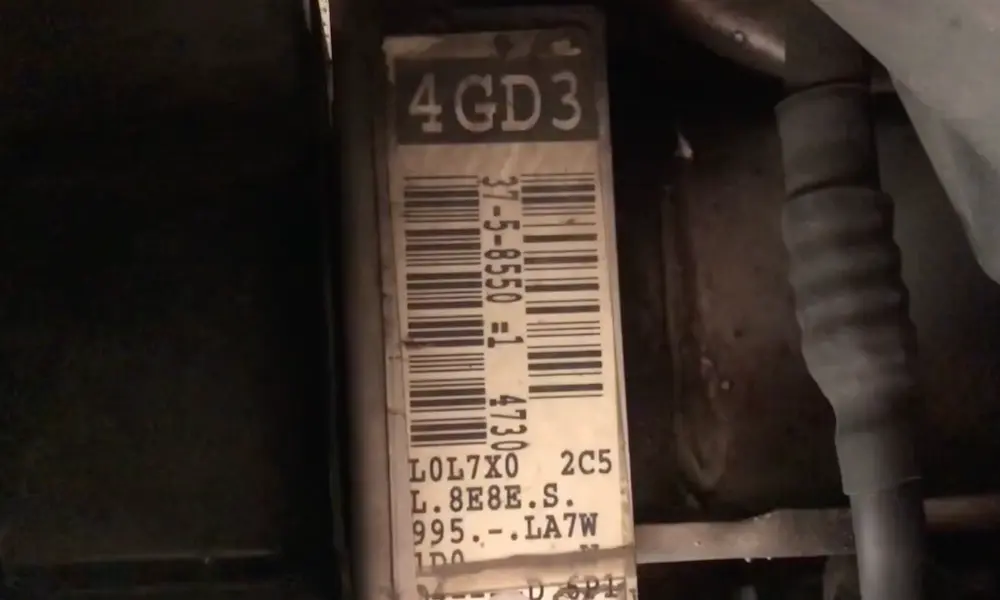
What Does a Volkswagen Paint Code Sticker Look Like?
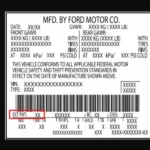
The paint code sticker isn’t just any random label. Here’s how to identify it:
- Usually a white, black, or silver paper-based label
- Often includes a barcode along with other vehicle information
- Look for headings like “Paint No.” or simply “Paint”
- Your paint code will be near other details like your VIN and production date
The sticker might look something like this:
| Vehicle Information | Details |
|---|---|
| Type: | 3C |
| Paint: | LY3D/G2 |
| Interior: | TW |
| Production: | 05/21 |
Common Volkswagen Paint Codes
While your specific code is what matters most, here are some of the most popular VW colors you might encounter:
Neutral Colors
- L041/A1: Black – The classic choice across all VW models
- LB9A/B4: Candy White – Clean, crisp standard white
- LA7W/8E: Reflex Silver Metallic – Popular modern silver finish
- LD7X/2R: Platinum Gray Metallic – Sophisticated gray option
Distinctive Colors
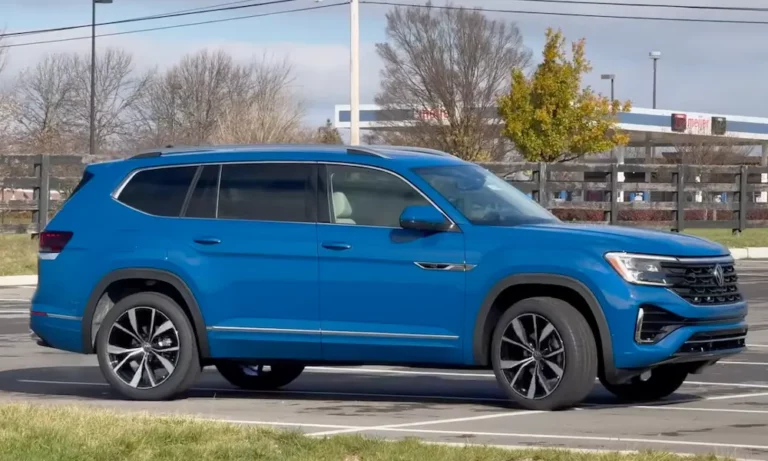
- LY3D/G2: Tornado Red – The iconic VW red
- LH5X: Night Blue Metallic – Deep blue popular on Passat and Tiguan
- LC9X/2T: Deep Black Pearl – Premium black with depth
- LB5N/7D: Indigo Blue Pearl – Classic blue choice
Different models often feature unique colors, so your specific VW might have a code unique to its lineup.
What If I Can’t Find My Paint Code?
If the sticker is missing, damaged, or unreadable, don’t worry. You have several backup options:
VIN-Based Lookup
Your vehicle identification number (VIN) contains the key to your paint code:
- Contact your local VW dealership’s parts department
- Provide your complete 17-digit VIN
- Request your original factory paint code
Many online resources also offer VIN-based paint code lookups.
Professional Identification
Auto body shops can:
- Use specialized equipment to analyze your current paint
- Create a custom match based on an undamaged section of your vehicle
- Account for weathering and aging that may have altered the original color
Paint Types and Why They Matter
Volkswagen uses three main paint finish types, each requiring different application techniques:
Metallic Finishes
These contain tiny metal flakes that create that sparkle effect in sunlight. About 50% of VW colors are metallic and require both a base coat and clear coat application for the proper finish.
Pearl Finishes
Using mica particles instead of metal flakes, pearl finishes create depth and color-shifting effects. Like metallics, these are two-stage paints requiring a clear coat on top.
Solid Finishes
These traditional single-stage paints contain no metallic or pearl additives. While some modern solid colors may still receive a clear coat for durability, they generally have a simpler application process.
Knowing your paint type is crucial for proper matching and repair.
Regional and Market Variations
It’s worth noting that Volkswagen paint codes can vary by region and market:
- European models may offer different color options than North American versions
- Market-specific colors might be exclusive to certain countries
- Limited editions often feature unique paint codes not found on standard models
If you’re working with an imported VW or a special edition, you might need to do additional research to find the exact paint formula.
How to Use Your Paint Code Effectively
Once you’ve located your Volkswagen paint code, here’s how to make the most of it:
- Record it somewhere safe – Take a photo or write it down in your owner’s manual
- Verify both codes if dual codes are present (e.g., LY3D/G2)
- Specify the paint type (solid, metallic, or pearl) when ordering
- Order from reputable suppliers who can mix paint to VW specifications
Never try to match paint by eye or from a computer screen – the results rarely match perfectly.
The Evolution of VW Paint Codes
Volkswagen’s paint coding system has changed significantly over the decades:
- Pre-1980s: Used simpler numeric systems like “L41” for black
- 1980s-Present: Introduced the current alphanumeric system with L-prefix codes
- Classic Beetle Codes: Featured unique colors like L10017 (Alaska White) or L391 (Pastel Blue)
This evolution explains why older VWs might have different code formats than modern ones.
Paint Code Documentation and Resources
For comprehensive information about your specific paint code, consult:
- Official VW technical documentation
- Enthusiast databases with historical color information
- Professional paint manufacturer guides with VW-specific formulations
These resources can provide detailed mixing ratios and application techniques for your exact color.
Paint Matching Process for Perfect Results
When it’s time to use your paint code for repairs:
- Clean the area thoroughly before applying any paint
- Use the correct primer recommended for your specific paint type
- Apply the paint according to manufacturer specifications
- Finish with clear coat if your paint type requires it
- Polish and blend carefully to match the surrounding areas
Following these steps with your correct paint code will give you the best chance of an invisible repair.
Advanced Paint Code Applications
Beyond basic touch-ups, your Volkswagen paint code enables:
- Custom accessories painted to match your vehicle perfectly
- Two-tone restorations that maintain factory color combinations
- Interior trim matching for modified or restored components
Professional painters rely on these codes to ensure everything on your VW coordinates perfectly.
Using Paint Codes for Vehicle History
Your paint code can also reveal interesting information about your VW’s history:
- Confirm if your vehicle still wears its original factory color
- Identify special edition models by their unique paint codes
- Verify period-correct colors for vintage restorations
- Spot repaints or color changes in a vehicle’s past
For collectors and enthusiasts, these details add value and authenticity to your Volkswagen.
Now that you know exactly where to find your Volkswagen paint codes and how to use them, you’re equipped to keep your VW looking its best with perfect color matches. Whether you’re touching up a small scratch or planning a complete respray, that little code makes all the difference.