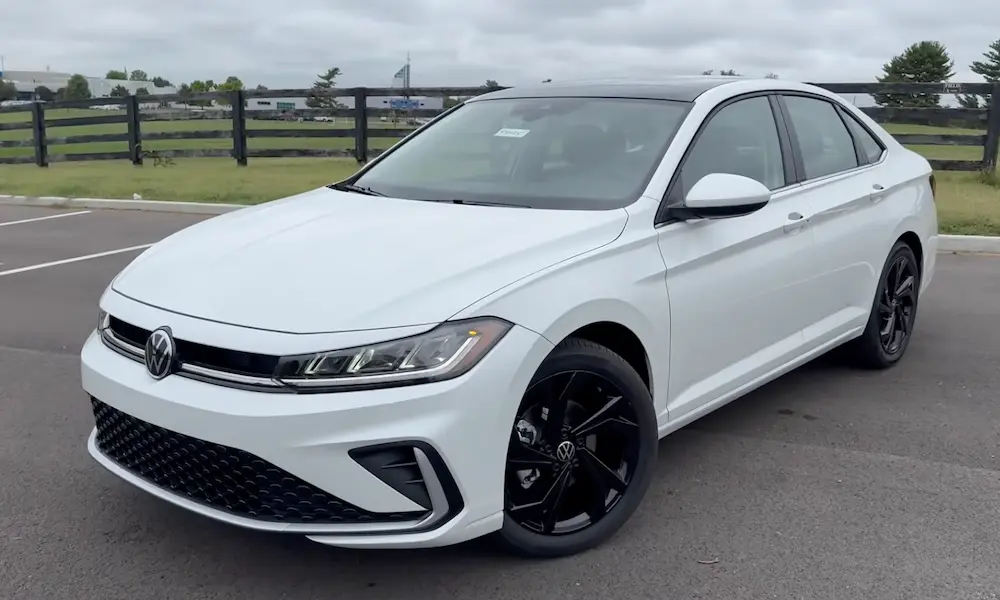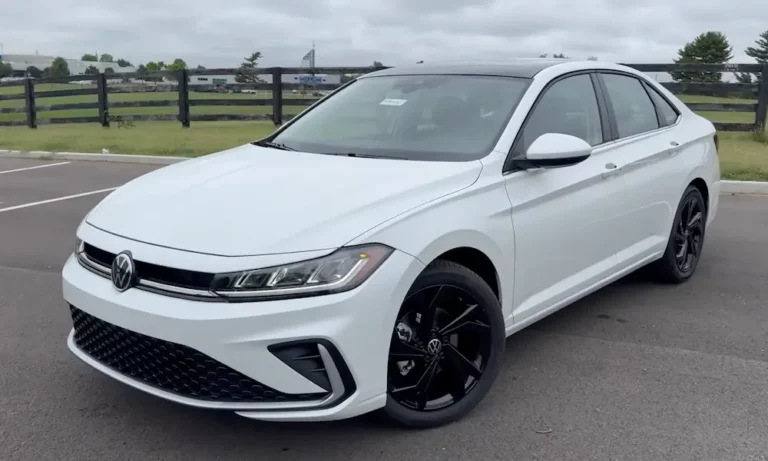
So you’re eyeing a Volkswagen Jetta and wondering if it’ll still be running when you’ve paid off the loan. Smart thinking. The answer depends on what you’re comparing it to and how much you’re willing to baby it. Let’s break down what you can actually expect from this German compact sedan.
What’s the Real-World Lifespan of a Volkswagen Jetta?
Here’s the truth: a Volkswagen Jetta typically lasts between 128,600 and 185,000 miles, which translates to roughly 9.5 years of driving. That’s based on hard data from iSeeCars, who analyzed over 300 million vehicles to get this number.
But don’t let that ceiling fool you. Well-maintained Jettas, especially those with the 1.4T engine, regularly push past 200,000 miles according to automotive specialists. The catch? Only 7.2 percent of Jettas actually reach that 200,000-mile mark. Compare that to a Toyota Corolla or Honda Civic, which routinely sail past 300,000 miles, and you’ll see where the Jetta stands in the reliability pecking order.
The Diesel TDI Models Are Different Animals
If you’re serious about racking up miles, pay attention here. The diesel-powered TDI versions completely flip the script on Jetta longevity.
The legendary 1.9L ALH TDI engine (found in 1999-2003 models) can hit 400,000 to 600,000 miles with proper care. That’s not marketing hype—that’s what TDI enthusiasts report in forums, with documented examples exceeding 600,000 miles.
Newer 2.0L TDI engines (CJAA and CBEA variants from 2009-2015) still impress, typically delivering 300,000 to 400,000 miles. There’s a complication though: post-dieselgate emissions equipment (DPF and EGR systems) can seriously hamper performance and longevity. Many owners delete this equipment to maximize lifespan, but that’s legally murky territory depending where you live.
If you’re chasing maximum mileage, a TDI is your best bet. Just know what you’re getting into with the maintenance demands.
How Do Reliability Ratings Stack Up?
The Jetta gets mixed reviews from automotive authorities, which tells you it’s solidly middle-of-the-pack.
RepairPal gives it a 4.0 out of 5.0 rating, labeling it “Above Average.” Sounds good until you realize it ranks 21st out of 36 compact cars. The average annual repair cost hits $609, which is $83 more than the compact car average of $526.
iSeeCars assigns a reliability score of 7.5 out of 10, placing the Jetta 17th out of 37 most reliable small cars. Again, respectable but not exceptional.
Recent model years do better. The 2016, 2017, and 2018 models score 9-10 out of 10 from FIXD, while 2019 and 2020 maintain near-perfect ratings. These represent the most dependable Jettas you can buy.
On the flip side, WithClutch gives the Jetta a harsh 45.75 out of 100, classifying it as “unreliable.” This reflects the potential for costly repairs, especially in problematic model years.
What You’ll Actually Pay to Keep It Running
Here’s where things get interesting for your wallet. CarEdge estimates a Jetta will cost you roughly $1,919 for maintenance and repairs during the first five years. That’s actually $626 less than the industry average for popular sedans.
Sounds great, right? Wait for year six.
Over a 10-year ownership period, costs jump to $6,068—which is $303 more than the industry average. The probability of needing a major repair sits at 17 percent during the first five years, climbing to 17.42 percent by year 10.
Annual costs tell the real story:
- Year one: $250
- Year five: $531
- Year 10: $907
The biggest expenses hit around 60,000, 90,000, and 120,000 miles when you’re facing timing belt replacement, transmission fluid service, and spark plug replacement all at once.
Volkswagen’s Carefree Coverage gives you two years or 20,000 miles of free maintenance, which helps new buyers. After that, you’re on your own.
Best Years to Buy (and Which to Run From)
Not all Jettas age equally. Some years are bulletproof. Others are money pits.
The Good Years Worth Your Money
2011 Volkswagen Jetta: Offers excellent space and fuel efficiency with minimal reported issues. It’s a solid used car value, though FIXD reliability scores vary by trim.
2016, 2017, and 2018 Volkswagen Jetta: These three years consistently earn the highest marks. The 2017 model gets a perfect 10 out of 10 from FIXD and a 4 out of 5 from Consumer Reports. These late sixth-generation models feature improved interior quality and advanced driver assistance tech.
2020 Volkswagen Jetta: Strong safety ratings, few recalls, and modern technology. The refined 1.4L turbocharged engine paired with an eight-speed automatic delivers excellent fuel economy and reliability.
2021 and 2023 Volkswagen Jetta: The newest models benefit from Volkswagen’s latest refinements. The 2023 model transitions to a 1.5L turbocharged engine producing 158 horsepower with outstanding reliability ratings.
2003 Volkswagen Jetta: For older model hunters, the 2003 TDI diesel variant stands out. The 1.9L diesel engine can surpass 300,000 miles with proper maintenance.
Years That’ll Drain Your Bank Account
2006 Volkswagen Jetta: Widely considered the worst Jetta year with the most complaints filed with NHTSA. The primary nightmare is transmission failure between 85,000 and 110,000 miles, often requiring complete replacement at up to $4,000. The check engine light frequently illuminates during cold weather due to glow plug and wiring harness issues.
2009 Volkswagen Jetta: Despite fewer total complaints, this year suffers from severe ABS module failure that can cause complete loss of braking and traction control. This defect was serious enough to prompt an NHTSA recall and has been implicated in accidents.
2010 Volkswagen Jetta: Multiple issues plague this model, with stereo system failure being most common, requiring complete replacement costing up to $600. Other problems include stalling, faulty check engine lights, poor acceleration, and fuel pump failure.
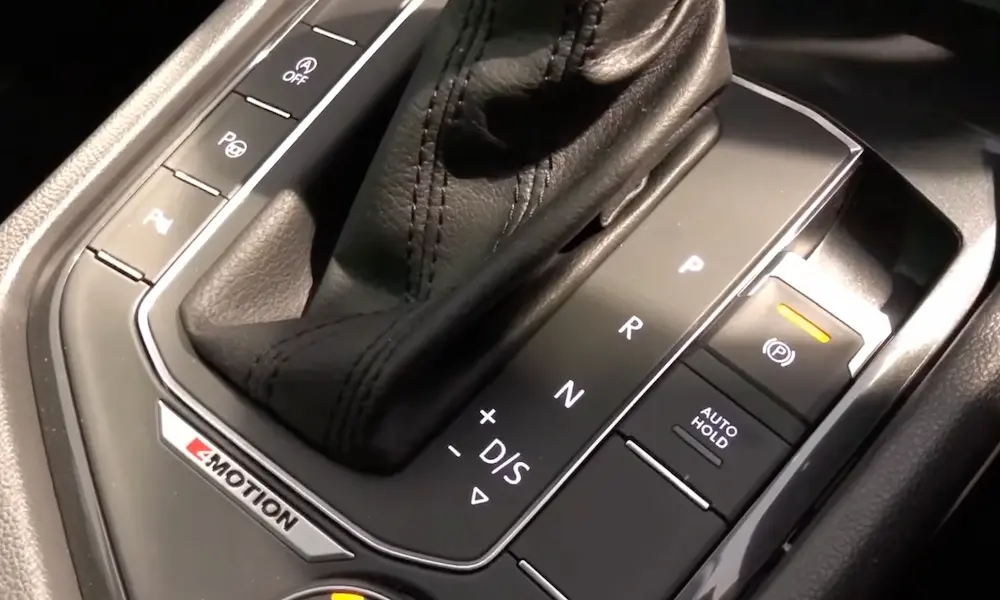
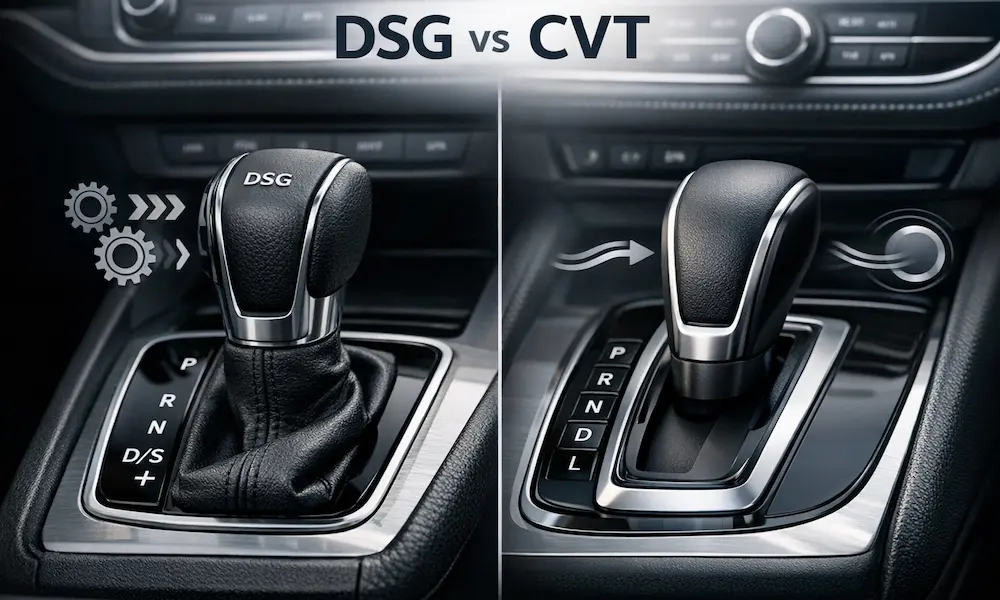
2012 Volkswagen Jetta: Transmission failures, particularly in DSG (Direct Shift Gearbox) equipped vehicles, are common. PCV valve issues can lead to oil leaks and engine damage, plus air conditioning compressor failures.
2013 Volkswagen Jetta: Multiple recalls affected this year, including a significant one for rear suspension defects that could lead to crashes if not addressed.
2019 Volkswagen Jetta: Despite being part of the redesigned seventh generation, early adopters encountered transmission issues (rough shifting, hesitation, failures), infotainment system glitches, fuel system concerns, and body integrity problems. This model has racked up 11 recalls related to various components and safety concerns.
| Model Year | FIXD Score | Key Strengths | Major Issues |
|---|---|---|---|
| 2003 | Good | TDI diesel longevity (300K+ miles) | Older technology |
| 2006 | Poor | None notable | Transmission failures, wiring issues |
| 2009 | Poor | None notable | ABS module failures, braking loss |
| 2011 | 3-7/10 | Good space and efficiency | Moderate reliability |
| 2016 | 9/10 | Excellent reliability, modern features | None significant |
| 2017 | 10/10 | Perfect reliability score | None significant |
| 2018 | 9/10 | Strong reliability, refined interior | None significant |
| 2019 | Varies | New generation design | 11 recalls, transmission issues |
| 2020 | 9-10/10 | Strong safety, modern tech | None significant |
The Problems You’ll Actually Face
Understanding what breaks on Jettas helps you budget and avoid surprises. Here’s what you’re most likely to encounter.
Transmission Troubles
Transmission problems rank as the number one issue affecting Volkswagen Jettas. Automatic transmission models from 1990-2012, 2016, and 2019-2020 commonly experience rough shifting, slipping, jerking between gears (especially 2nd to 3rd), and complete transmission failure requiring replacement at $4,000 to $5,000.
Manual transmission models aren’t immune either, with reports of unusual noises and reverse gear failures. The 2019 model year saw NHTSA investigate vehicle stalling in certain manual transmission Jettas.
Water Pump and Timing Issues
The water pump represents a critical maintenance item, particularly for turbocharged models. Water pump failure commonly occurs around 90,000 to 120,000 miles for 2011-2018 turbocharged Jettas. Replacement involves significant labor since the water pump is typically replaced with the timing belt or chain. Shop quotes for water pump, timing chain, belts, and intake valve cleaning can hit $4,000 when performed together.
Timing chain stretch and failure affects multiple model years, particularly 2006 and 2010-2014 models. Symptoms include rattling noises during idle and engine misfires. If you don’t address it promptly, a stretched timing chain can skip teeth or break entirely, potentially causing catastrophic engine damage in interference engines. The timing chain shouldn’t exceed half an inch of stretch—beyond that, replacement is essential.
Engine Misfires and Ignition Failures
Engine misfires plague numerous Jetta model years, particularly 1996-2002, 2004-2006, and 2008-2014. The root cause typically involves failed ignition coils, spark plugs, or spark plug wires.
You’ll notice illuminated check engine lights, loss of engine power, blue smoke from the exhaust, engine sputtering, and shaking during acceleration. Repair costs vary from $80 for spark plugs to $500 or more for multiple ignition coils.
Electrical System Headaches
Electrical gremlins represent a persistent annoyance across 1990-2014 Jetta models. Common issues include intermittent door locks, defective wipers, malfunctioning cruise control, faulty HVAC settings, and keys getting stuck in the ignition.
The underlying cause is often loose or faulty wiring, frequently found behind the dashboard or under the battery. Repair costs range from $100 to $600 depending on the specific component affected.
Window Regulator Failures
Power window failures due to faulty window regulators affect 1993-2014 and 2016-2017 Jettas. Many owners report multiple windows failing over the vehicle’s lifetime. Replacement window regulators cost between $100 and $200, plus labor.
ABS Module Disasters
The 2009-2010 Jettas experienced particularly severe ABS module failures that prompted a recall in 2016. Symptoms include steering difficulties, slow acceleration, beeping noises, erratic fuel gauge readings, malfunctioning speedometers, and most critically, loss of braking function. Some owners reported rear-ending other vehicles due to ABS malfunctions. Volkswagen addressed this through software updates to the ABS control module.
Coolant and Oil Leaks
Faulty water pumps and valve cover gaskets cause coolant and oil leaks in 1990-2008 Jetta models (excluding 1996). Owners report coolant pouring from the bottom of the engine near the passenger side and hissing sounds from under the hood. Aftermarket water pumps cost between $50 and $200, while valve cover gaskets range from $50 to $150, plus labor costs.
What Actually Determines How Long Yours Will Last
Several critical factors determine whether your Jetta reaches maximum potential lifespan or dies prematurely.
Your Maintenance Habits Matter More Than Anything
Regular maintenance is the single most important factor in extending Jetta lifespan. Owners who meticulously follow manufacturer recommendations consistently report significantly higher mileage.
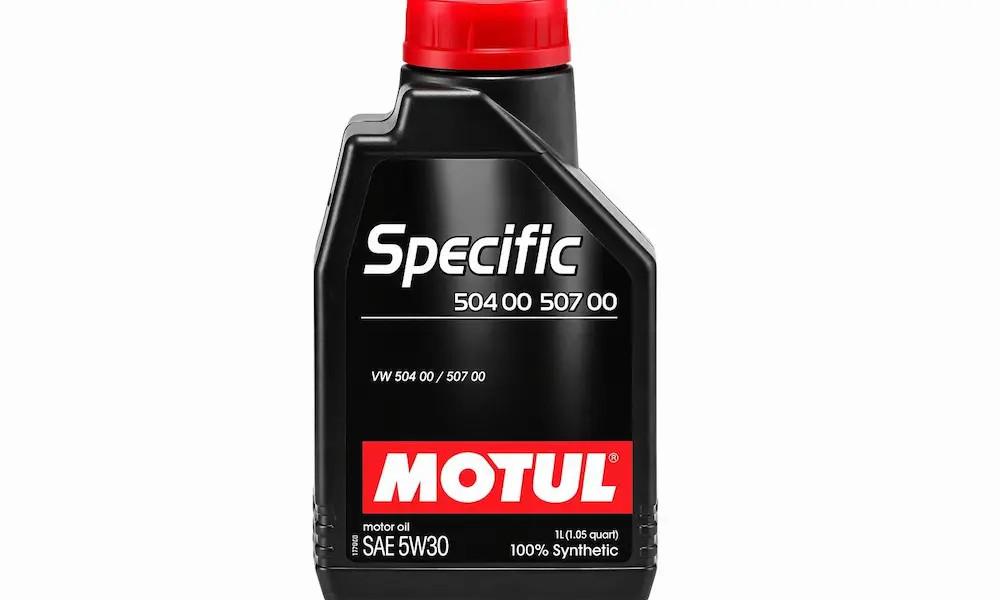
Oil changes: While Volkswagen recommends 10,000-mile intervals, many mechanics and experienced owners advocate for 5,000 to 6,000-mile intervals, particularly for turbocharged engines. Frequent oil changes prevent sludge buildup and ensure proper lubrication.
Timing belt/chain service: Replacing the timing belt or addressing timing chain stretch at manufacturer-recommended intervals (typically 90,000 to 120,000 miles) prevents catastrophic engine damage.
Transmission service: Automatic transmission fluid changes every 40,000 miles help prevent transmission issues that plague many Jettas.
Cooling system maintenance: Regular coolant changes and prompt water pump replacement prevent overheating and head gasket failure.
How You Drive Makes a Huge Difference
Gentle driving practices significantly extend component life. Avoid aggressive acceleration, hard braking, and rapid gear changes to preserve transmission integrity and reduce engine wear. Many owners report that Jettas respond well to conservative driving, with one reporting 243,628 miles on a 2004 model that’s been driven conservatively.
Where You Live Affects Longevity
Climate and geography play substantial roles in vehicle longevity. Jettas in areas with mild climates and minimal road salt exposure last considerably longer than those subjected to harsh winters and corrosive road treatments. Humidity, temperature extremes, and rough terrain all accelerate wear and tear on critical components.
Picking the Right Engine
Choosing the right model year and engine combination dramatically affects long-term reliability. The 1.9L ALH TDI diesel offers legendary durability, while turbocharged gasoline engines require more diligent maintenance. The simple 2.0L and 2.5L naturally aspirated engines (2011-2014) provide solid reliability without the complexity of turbochargers or diesel emissions systems.
How the Jetta Stacks Up Against Competitors
When evaluated against segment leaders, the Volkswagen Jetta occupies a middle position in terms of longevity and reliability.
The Toyota Corolla significantly outperforms the Jetta in virtually every metric. With average lifespans of 200,000 to 300,000 miles (approximately 13+ years), annual maintenance costs of $362 to $526, and superior reliability ratings of 9.0+ out of 10, the Corolla represents a more dependable long-term investment. The Corolla retains 31.3 percent more of its value after five years compared to the Jetta’s 40.2 percent depreciation.
The Honda Civic similarly surpasses the Jetta in longevity, with average lifespans of 200,000 to 300,000 miles and annual maintenance costs of $368 to $500. The Civic earns reliability ratings of 8.5 to 9.0 out of 10 and depreciates approximately 35 to 38 percent over five years, maintaining better value retention than the Jetta.
But the Jetta offers certain advantages. Its starting MSRP is typically lower than the Civic ($21,995 for Jetta vs. $24,250 for Civic), and it delivers more torque (184 lb-ft vs. 138 lb-ft for Civic and 151 lb-ft for Corolla), resulting in more responsive acceleration. The Jetta also provides a longer warranty (4 years/50,000 miles vs. 3 years/36,000 miles for both competitors).
| Vehicle | Average Lifespan | Annual Maintenance Cost | Reliability Score | Starting MSRP |
|---|---|---|---|---|
| VW Jetta | 128,600-185,000 miles | $609 | 7.5/10 | $21,995 |
| Toyota Corolla | 200,000-300,000 miles | $362-$526 | 9.0+/10 | Higher than Jetta |
| Honda Civic | 200,000-300,000 miles | $368-$500 | 8.5-9.0/10 | $24,250 |
Smart Buying Strategies for Maximum Value
For buyers considering a Volkswagen Jetta, several strategies maximize the likelihood of a positive ownership experience.
Prioritize proven model years: Focus on 2016-2018, 2020, 2021, and 2023 models for maximum reliability. If you’re considering older Jettas, the 2011 offers good value, while the 2003 TDI provides exceptional longevity for diesel enthusiasts.
Avoid problematic years like the plague: Steer clear of 2006, 2009, 2010, 2012, 2013, and 2019 models unless they come with comprehensive maintenance records and have had major issues addressed.
Consider the TDI for maximum longevity: If extremely high mileage is your goal, the 1.9L ALH TDI (found in 1999-2003 models) or 2.0L TDI (2009-2015) offer the best prospects for exceeding 300,000 miles. Be aware that post-2009 TDI models may require emissions equipment deletion to achieve maximum lifespan, which may not be legal in all areas.
Inspect maintenance records thoroughly: For used Jettas, insist on comprehensive maintenance documentation. Verify that timing belt/chain service, transmission fluid changes, and water pump replacement have been performed at appropriate intervals.
Budget for higher maintenance costs: Compared to Honda and Toyota competitors, plan for approximately $100 to $200 more in annual maintenance expenses. Set aside reserves for potential transmission repairs, which can be costly.
Get a pre-purchase inspection: Before buying any used Jetta, especially modified vehicles or those approaching 100,000 miles, invest in a thorough inspection by an independent Volkswagen specialist. This inspection should specifically assess transmission condition, timing chain stretch, water pump integrity, and electrical system functionality.
Avoid modified vehicles: Multiple automotive experts recommend avoiding Jettas with aftermarket modifications, particularly tuned turbocharged models. Modified vehicles often have been driven aggressively and may have hidden reliability issues.
Plan for major service at 90-120k miles: Budget approximately $2,000 to $4,000 for comprehensive service around 90,000 to 120,000 miles, which should include timing chain/belt, water pump, serpentine belts, and intake valve cleaning for turbocharged models.
The Bottom Line on Jetta Longevity
The Volkswagen Jetta offers moderate longevity with an average lifespan of 128,600 to 185,000 miles (approximately 9.5 years) when properly maintained. While it falls short of the exceptional reliability demonstrated by competitors like the Toyota Corolla and Honda Civic, the Jetta can provide satisfactory long-term service for owners who prioritize maintenance and select the right model year.
The key to maximizing Jetta lifespan lies in choosing proven model years (particularly 2016-2018 and 2020-2023), adhering to aggressive maintenance schedules, and avoiding problematic years like 2006, 2009, 2010, 2012, and 2019. For those seeking maximum longevity, the diesel TDI variants, particularly the legendary 1.9L ALH engine, can exceed 400,000 miles with proper care, rivaling or surpassing even the most reliable Japanese competitors.
You should approach Jetta ownership with realistic expectations: it’ll likely require more maintenance attention and expense than a Toyota or Honda, but with diligent care, it can provide years of reliable German-engineered driving enjoyment at a more accessible price point than premium brands.