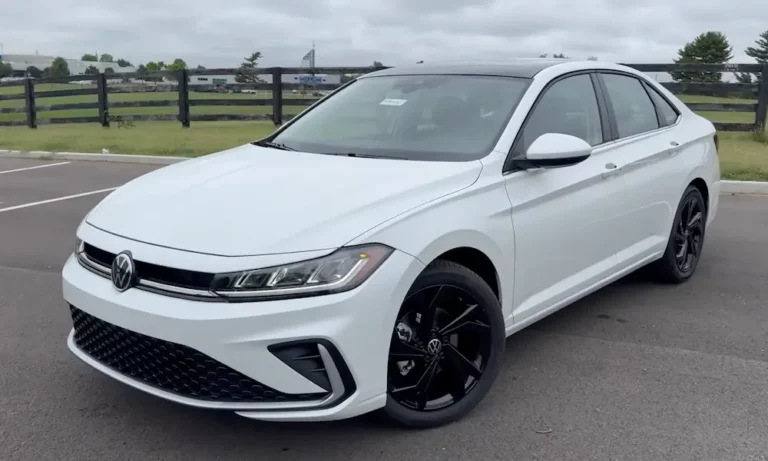
Wondering if your Volkswagen Jetta needs premium gas or if regular will do? You’re about to get a clear answer based on your specific Jetta model. This guide covers everything from the newest turbocharged engines to older naturally-aspirated models and even diesel versions.
Volkswagen Jetta Fuel Requirements at a Glance
Most modern Volkswagen Jettas (2016-present with 1.4 or 1.5 TSI engines) run perfectly well on regular 87 octane gasoline, despite being turbocharged. The sportier GLI models can use regular but perform best with premium, while the discontinued hybrid and diesel models have their own specific requirements.
Here’s a quick breakdown of what your Jetta needs:
| Jetta Model/Engine | Years | Recommended Fuel | Notes |
|---|---|---|---|
| 1.4 TSI / 1.5 TSI | 2016-present | Regular (87 octane) | All standard trims work perfectly on regular gas |
| 2.0 TSI GLI | 2019-present | Premium (91-93) recommended | Can use 87, but with reduced performance |
| 2.0/2.5 MPI (non-turbo) | 1999-2014 | Regular (87 octane) | No benefit from premium in these older models |
| 1.4 TSI Hybrid | 2013-2016 | Premium (91-93) required | The hybrid specifically needs premium |
| 2.0 TDI Diesel | 1999-2015 | Ultra-low-sulfur diesel | Diesel models need diesel fuel only |
Standard Jetta Models: Regular Gas Works Fine
Current 1.4 TSI and 1.5 TSI Engines (2016-Present)
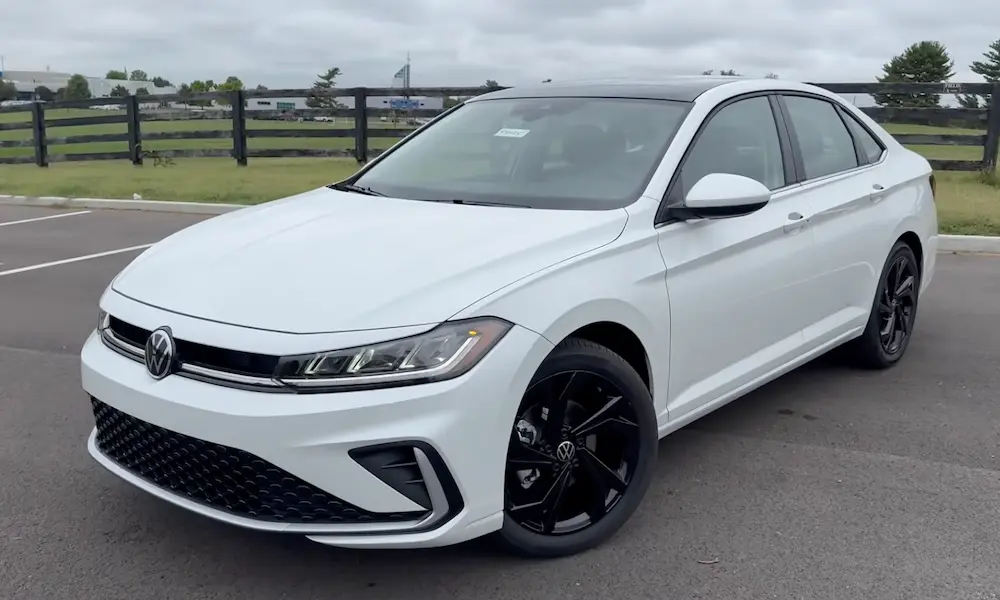
Despite what you might have heard about turbocharged engines needing premium fuel, Volkswagen has engineered the standard Jetta’s turbocharged engines to run optimally on regular 87 octane gasoline. This applies to all trim levels including S, Sport, SE, and SEL.
The owner’s manual and fuel door sticker both confirm “Regular Unleaded Min. 87 (R+M)/2” as the appropriate fuel. The current 1.5 TSI engine’s 158 horsepower rating is achieved using regular 87 octane gas.
According to real-world testing, using premium gas in these engines provides no measurable performance or fuel economy benefits unless you’ve modified the car with aftermarket tuning. You’ll just be spending more money at the pump with no return on that investment.
What matters more than octane level is fuel quality. For the best engine protection, fill up at Top Tier gas stations that have superior detergent packages to keep your fuel system clean.
Older 2.0 and 2.5 Non-Turbo Engines (1999-2014)
If you’re driving an older Jetta with the naturally-aspirated 2.0L or 2.5L engine, these engines are also designed to operate on regular 87 octane gasoline. The knock sensors in these engines are less sensitive than in the turbocharged models, and using premium fuel offers no benefits.
Jetta GLI: Premium Recommended but Not Required
The performance-oriented Jetta GLI, which shares its 2.0 TSI engine with the Golf GTI, handles fuel differently from the standard models. The fuel door placard states “87 minimum / 91 recommended.”
Volkswagen’s published specs show the GLI’s 228 horsepower and 258 lb-ft torque figures are certified using premium 91-93 AKI fuel. When running on regular 87 octane, the engine’s computer automatically adjusts timing, reducing power output by approximately 8%.
For GLI owners, the best approach is:
- Use premium 91-93 octane if you want the full advertised performance
- Regular 87 octane won’t damage the engine but will result in slightly slower acceleration
- The difference is most noticeable during hot weather when knock control is more active
Special Cases: Jetta Hybrid and TDI Models
Jetta Hybrid (2013-2016): Premium Required
Unlike the standard Jetta, the discontinued Jetta Hybrid specifically requires premium gasoline. This model paired a 1.4 TSI engine with an electric motor, and its EPA certification specified premium fuel. The combination of a small turbocharged engine and high 10:1 compression ratio needs the knock resistance that only 91+ octane provides.
The hybrid’s fuel tank is only 11.9 gallons, so plan your fuel stops where premium is available. Even though the hybrid can briefly run on electric power alone, the gasoline quality still affects the battery-charging cycles.
Diesel TDI Models: Ultra-Low-Sulfur Diesel Only
All TDI diesel Jettas require ultra-low-sulfur diesel (ULSD) No. 2 fuel with a cetane rating of 40 or higher. This includes all diesel models from the 1.9 ALH engine to the final EA288 engine offered until 2015.
According to TDI enthusiasts, biodiesel blends above B5 (5% biodiesel) may void the warranty unless they’re mandated by local regulations.
Diesel engines’ knock control works through fuel chemistry rather than spark timing adjustments as in gasoline engines. This means diesel Jettas cannot run on gasoline at all—attempting to use gasoline in a diesel Jetta will cause severe engine damage.
Common Fuel Myths Debunked
Myth 1: “All turbo engines need premium gas”
Reality: False. Volkswagen specifically calibrates the boost and ignition timing in standard Jetta TSI engines for regular North American 87 octane gasoline. Only the performance-oriented GLI (along with GTI and Arteon models) recommends higher octane.
Myth 2: “Premium gas cleans your engine better”
Reality: Octane rating has nothing to do with detergent content. Many 87 octane fuels meet the same Top Tier detergent specifications as premium fuels. What matters is buying from stations that maintain good fuel quality standards.
Myth 3: “Switching between regular and premium is harmful”
Reality: Modern engine management systems with knock sensors adapt to changes in fuel octane within seconds. There are no long-term effects from occasionally switching between regular and premium gasoline.
Myth 4: “Using premium in a regular Jetta improves mileage”
Reality: For standard Jettas designed for 87 octane, dyno testing shows no measurable mpg improvement with premium fuel. The engine doesn’t adjust timing enough to create efficiency gains that would offset the higher fuel cost.
How to Identify Your Jetta’s Fuel Type
The simplest way to verify your Volkswagen Jetta’s fuel requirements is to check the fuel door label. Volkswagen prints the required or recommended fuel grade in both AKI (Anti-Knock Index, used in the U.S.) and RON (Research Octane Number, used elsewhere).
For additional confirmation, check your owner’s manual or the VW website for your specific model year. The official Volkswagen owner’s manuals provide definitive answers about fuel requirements.
Best Practices for Fueling Your Jetta
Whatever Jetta model you drive, follow these guidelines for the best performance and longevity:
- Choose Top Tier gasoline stations when possible – these fuels contain enhanced detergent additives that keep fuel injectors and intake valves cleaner in direct-injection engines
- Avoid E15 gasoline in pre-2016 models – Volkswagen only officially approved E15 (15% ethanol) for 2022 and newer vehicles
- For TDI owners: Consider carrying a green misfueling protection adapter when traveling to prevent accidental use of gasoline nozzles in your diesel tank
- For GLI owners: If premium fuel is temporarily unavailable, drive conservatively on regular until you can refill with the recommended grade
- Keep fuel receipts during your warranty period as evidence that you’ve used the appropriate fuel type
How Fuel Choice Affects Performance and Reliability
Your Jetta’s fuel system and engine are designed with specific tolerances and parameters that work best with the recommended fuel type. Using the correct gas type ensures:
- Optimal Performance: You’ll get the advertised horsepower, torque, and acceleration
- Maximum Fuel Efficiency: The correct fuel helps your Jetta achieve its rated EPA mileage
- Engine Longevity: Proper fuel prevents carbon buildup and potential damage
- Warranty Protection: Using incorrect fuel can void warranty coverage in some circumstances
Most importantly, modern Jettas have sophisticated engine management systems that protect the engine from damage even when less-than-optimal fuel is used. But for the best driving experience, following Volkswagen’s recommendations makes sense.
Fuel Cost Considerations
One of the advantages of most Volkswagen Jetta models is their ability to run on regular gasoline despite having turbocharged engines. This provides a significant cost saving compared to competitors that require premium fuel.
At current national average prices, the difference between regular and premium is about 60 cents per gallon. For a Jetta with a 13.2-gallon tank, that’s a savings of nearly $8 per fill-up or approximately $400 annually for the average driver.
The Jetta GLI represents a reasonable compromise – you can use regular when economizing and premium when you want maximum performance, all without risking engine damage.
Final Thoughts: The Right Fuel for Your Jetta
For most Volkswagen Jettas on American roads today, regular 87-octane gasoline is exactly what the engineers intended. Performance-oriented GLI drivers get the most power with premium fuel, while the discontinued hybrid models required it.
Diesel TDI Jettas, of course, run strictly on ultra-low-sulfur diesel. Using the correct fuel type ensures your Jetta will deliver the reliability, efficiency, and performance you expect from a German-engineered vehicle.
By following these guidelines and understanding your specific model’s requirements, you’ll keep your Volkswagen Jetta running smoothly for miles to come.