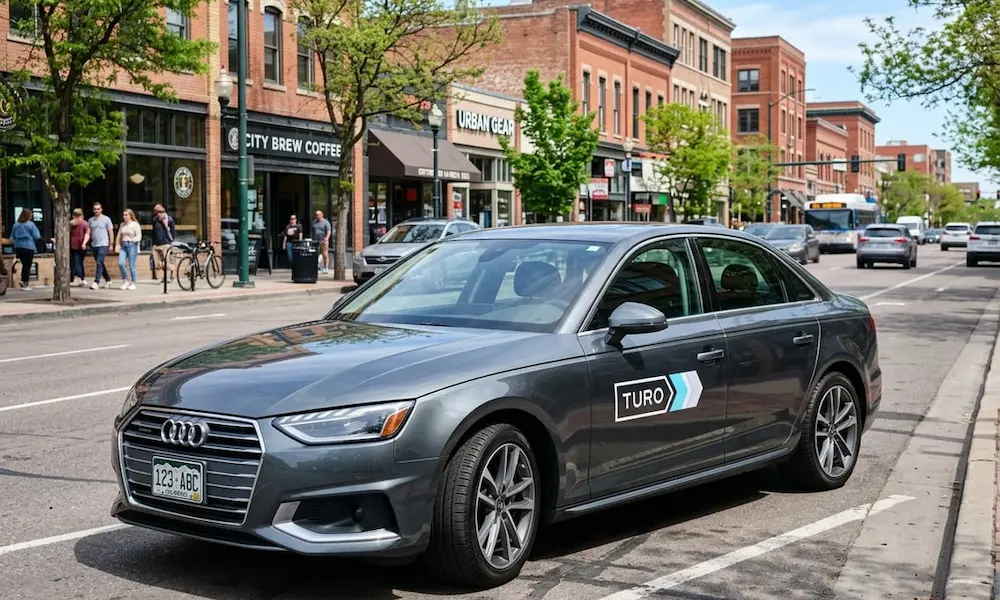
Looking to drive for Uber but don’t have an eligible vehicle? Or maybe you’re trying to avoid putting miles on your personal car? Uber’s vehicle rental options might seem appealing at first glance, but the real question is whether the economics actually work in your favor. This detailed breakdown examines the true costs, benefits, and strategic considerations to help you make a financially sound decision.
How Uber’s Car Rental Program Works
Uber has partnered with several rental companies to provide vehicles specifically for rideshare drivers. Here’s what the current landscape looks like:
Major Rental Partners and Pricing
- Hertz-Uber: Weekly rates range from $240-$330 plus taxes, requiring a $200 refundable deposit. Includes unlimited miles, basic maintenance, and liability coverage.
- Avis-Uber: Advertised “from $260/week” with similar inclusions to Hertz. Requires a soft credit check if paying by debit card.
- Kinto Share (Toyota): Available for $6.50/hour or $240/week including fuel in select states, with no long-term contract requirement.
- Getaround: Offers hourly or daily rentals directly through the Uber Driver app with bundled insurance (mileage limits vary).
One major advantage across all partners is unlimited personal use of the vehicle. However, most rental agreements explicitly prohibit using the car on competing rideshare platforms, which eliminates the income-boosting strategy of multi-app driving.
Key Restrictions to Consider
Before jumping in, be aware of these limitations:
- Regular renewals required: Contracts typically reset every 28 days (Hertz) or weekly (Avis), sometimes requiring vehicle inspections or swaps.
- Tiered vehicle access: Premium options like Tesla Model 3s (approximately $450/week) require at least 1,000 completed trips and a 4.9 rating.
- Damage responsibility: Collision deductibles typically run $1,000-$2,500, and renters remain responsible for citations, cleaning fees, and excess wear.
Realistic Uber Driver Earnings in 2025
To determine if renting makes financial sense, we need to understand what drivers are actually earning:
| Metric (2025) | Typical Value |
|---|---|
| Gross hourly earnings | $23.33 |
| Gross weekly earnings (40 hrs) | $933 |
| Per-mile revenue | $0.90 |
| Tips as percentage of fare | 10-11% |
Top-performing drivers (90th percentile) who strategically work surge pricing periods and maximize bonuses can reach $30-$33 gross per hour. On the flip side, part-time drivers often see net earnings drop below $15/hour once all expenses are factored in.
Cost Comparison: Renting vs. Owning
Rental Scenario
- Weekly rental fee (mid-range sedan): $300
- Fuel: 30 mpg × $3.80/gal ≈ $3.20/hr ⇒ $96/week at 30 hours
- Insurance & maintenance: Included
- Total weekly variable cost: ≈ $396
Ownership Scenario (6-year-old Toyota Corolla, paid off)
- Fuel: same $96/week
- Depreciation: $0.10/mi × 900 mi ≈ $90/week
- Maintenance & tire provision: $30/week (based on AAA data)
- Rideshare supplemental insurance: $18/week average
- Total weekly variable cost: ≈ $234
For tax purposes, the IRS standard mileage rate of 70¢/mile in 2025 covers fuel, maintenance, and depreciation in one simplified deduction.
The Break-Even Point: When Does Renting Make Sense?
Using the median gross rate of $23.33/hour and the cost assumptions above, we can identify three critical thresholds:
- 15 hours/week: This is when rental income finally exceeds the rental cost (the break-even point)
- 25 hours/week: At this level, renting and owning deliver comparable net take-home pay (about $200)
- 50+ hours/week: Beyond this point, renting actually pulls ahead of ownership because your fixed rental fee stays the same while depreciation and maintenance costs on a personal car continue climbing with mileage
Beyond the Numbers: Non-Financial Considerations
| Factor | Renting | Owning |
|---|---|---|
| Upfront investment | Only $200-$300 deposit | Down payment plus financing |
| Platform eligibility | Always Uber-compliant | Age/condition restrictions apply |
| Multi-app flexibility | Often restricted | Unrestricted |
| Repair downtime | Same-day vehicle swap | Lost earnings during repairs |
| Long-term equity | None | Resale value minus depreciation |
| Credit impact | Soft credit pull or none | Hard pull for auto loan |
Tax Implications for Rideshare Drivers
The tax treatment differs significantly between renters and owners:
- Renters can deduct the actual weekly rental fee plus fuel expenses, but cannot claim the 70¢/mile standard deduction.
- Vehicle owners can choose either the standard mileage deduction (70¢/mile) or itemize actual expenses (fuel, depreciation via Section 179, insurance). High-mileage drivers typically benefit more from the mileage deduction.
For drivers in higher tax brackets, that $300 weekly rental expense effectively costs closer to $228 after tax benefits (assuming a 24% tax bracket).
Alternative Rental Options Outside Uber’s Program
- Lyft Express Drive: Ranges from $185-$235/week with maintenance included, but requires completing 60-80 rides to unlock rebates.
- Peer-to-peer marketplaces: Services like Turo and Getaround offer hourly or daily bookings, with Uber integration now available nationwide in 2025. These can be more affordable during off-peak periods, though inventory fluctuates.
- Local fleet operators: Companies like Drive It Pro and Sally offer flat $225-$275 weekly rates without platform exclusivity, and some provide optional rent-to-own pathways.
Strategic Recommendations Based on Your Situation
For Full-Time Drivers (50+ hours/week, 1,500+ miles/week)
- Rental’s unlimited mileage provision shifts maintenance and repair risk to the fleet owner while capping your expenses.
- Consider economy hybrids or entry-level EVs to reduce fuel costs by half; the $1/ride EV incentive and zero-emission bonuses ($100-$250/month) can make even premium Tesla rental rates competitive in major markets.
For Part-Time or Casual Drivers (25 hours or less)
- You’re better off keeping—or buying—a 5-8 year-old, fuel-efficient sedan with cash. Even after accounting for depreciation at 6¢/mile, you’ll likely save $100-$200 weekly compared to renting.
- Use a GPS app to track every mile so you can confidently claim the full 70¢ IRS mileage deduction.
For Those Needing a Temporary Solution
- An Uber rental can work as a one-month bridge to generate income while shopping for your own vehicle, but budget at least three full driving days per week just to break even.
For Drivers in Major Cities (NYC, LA, Chicago)
- Higher gross fares ($29-$33/hour) and consistent demand shift the break-even point to around 12 hours. Maximize your return by focusing on airport queues and late-night surge pricing.
For Rural or Low-Demand Market Drivers
- Avoid rentals entirely. Long dead miles between rides mean lower ride frequency, making ownership the more economical choice since your variable costs remain proportional to your activity level.
Is Renting Through Uber Actually Worth It?
The weekly rental rates look intimidating on paper, but they need to be compared against the very real cost of adding 80,000+ miles annually to your personal vehicle.
For full-time drivers logging 50+ hours weekly or those who focus on high-surge events, renting can indeed be worth it. This is particularly true if you don’t already own a qualifying vehicle or want to avoid the rapid depreciation of your personal car.
For everyone else—especially part-timers—you’ll likely net more by owning a used hybrid ($6,000-$10,000) and benefiting from the generous IRS mileage deduction.
Before signing any rental agreement, do your own break-even calculation based on your specific market and expected hours. Read every clause regarding mileage limits and platform exclusivity, and remember: the cheapest mile is the one you never have to drive.