If you own a VW with the 2.5L inline-five, you’ve probably wondered how many miles you can squeeze out of it. The short answer? A lot more than most people expect. But the real story is why this engine outlasts so many others — and what you need to do to keep it running strong. Stick around, because the details here could save you thousands of dollars.
What Makes the VW 2.5 Engine So Durable?
The VW 2.5 engine life expectancy starts with one simple fact: this engine was built way stronger than it needed to be.
VW designed the 07K (the internal code for the 2.5L) to deliver roughly 150–170 horsepower from 2.5 liters. That’s about 60–70 horsepower per liter — a low figure by modern standards. Low power density means less internal stress, less heat, and less wear on the rotating parts. The engine never works hard enough to wear itself out quickly.
Here’s what else works in its favor:
- Cast-iron block: Holds its shape better than aluminum over hundreds of thousands of miles
- No turbocharger: Eliminates one of the most common failure points on other VW engines
- Port fuel injection (PFI): Fuel sprays onto the intake valves, preventing the carbon buildup that kills direct-injection engines
- Five-cylinder firing order: Creates a natural balance that reduces vibration and bearing wear
That last point is underrated. The unique five-cylinder harmonic balance lets the engine pull hard in the mid-RPM range without the internal “thrashing” that eventually damages bearings in four-cylinder engines.
How Many Miles Can a VW 2.5 Engine Last?
The honest answer: 200,000 to 300,000 miles for a well-maintained engine, with exceptional examples hitting 400,000–600,000 miles.
One Reddit user documented a 2012 VW Passat with the 2.5L reaching 600,000 miles on the original engine block. The Aisin automatic transmission it was paired with lasted until 577,000 miles before needing attention.
Here’s what you can realistically expect at each stage:
| Mileage Interval | Engine Status | What Usually Fails |
|---|---|---|
| 0–100,000 | Factory-fresh performance | Vacuum pump may start seeping |
| 100,000–200,000 | Secondary parts aging | Water pump, PCV valve, valve cover gaskets |
| 200,000–300,000 | Still strong internally | Suspension, mounts, exhaust flex pipe |
| 300,000+ | “Legacy” territory | Rare oil consumption or alternator issues |
Notice what’s not on that list? The crankshaft, pistons, connecting rods, and cylinder walls. The bottom end on these engines is remarkably robust, even at extreme mileages.
Early vs. Late 2.5L Engines: Which One Lasts Longer?
The 2.5L ran in two main versions between 2005 and 2014. If you’re buying used, knowing the difference matters.
| Specification | Early (2005.5–2007) | Late (2008–2014) |
|---|---|---|
| Engine Codes | BGP, BGQ | CBTA, CBUA |
| Horsepower | 150 hp | 170 hp |
| Torque | 170 lb-ft | 177 lb-ft |
| Timing Guides | Original generation | Revised, more durable |
| Fuel Management | MAF-based | MAP-based |
The early BGP/BGQ engines had timing chain guide issues. The plastic guides could become brittle and fail, causing chain rattle and — if ignored — a timing jump that could destroy the engine.
The later CBTA/CBUA engines fixed this. Their revised timing chain system frequently lasts beyond 250,000 miles without any issues. If you’re choosing between a 2007 and a 2010 Jetta, the newer engine codes are the smarter long-term bet.
The Most Common VW 2.5 Engine Problems
“Bulletproof” doesn’t mean “problem-free.” The 2.5L has a short list of known weak points. None of them are catastrophic, but ignoring them can shorten the VW 2.5 engine life expectancy dramatically.
Brake Vacuum Pump Oil Leak
This is the most common complaint on the 2.5L. The camshaft-driven vacuum pump develops O-ring leaks after around 100,000 miles. Oil pools on top of the transmission and drips down the back of the block — which many mechanics misdiagnose as a rear main seal leak.
Your options:
| Repair Option | Estimated Cost | Notes |
|---|---|---|
| Dealer replacement | $600–$800 | May leak again after another 100k miles |
| DIY gasket reseal | ~$50 | Works great if the pump housing isn’t warped |
| Vacuum pump delete | ~$150 | Removes the problem entirely; popular on manual cars |
PCV Valve / Valve Cover Failure
The PCV diaphragm sits inside the plastic valve cover. When it fails, you get a massive vacuum leak — rough idle, high oil consumption, and stressed piston rings. Because you can’t replace the diaphragm alone (standard dealer practice), you replace the whole valve cover. Budget for this around the 100,000-mile mark.
Water Pump and Cooling System
The 2.5L uses a plastic-impeller water pump. The impeller can separate from the shaft with zero warning, causing rapid overheating that warps the aluminum head. Replace it proactively.
| Cooling Component | Replacement Interval | Failure Mode |
|---|---|---|
| Water pump | 100,000–120,000 miles | Impeller failure; slow weep hole leak |
| Thermostat | 120,000 miles | Sticks open or closed |
| Coolant flanges | 150,000 miles | Cracks suddenly; rapid coolant loss |
Always use VW-spec G12, G12++, or G13 coolant. Mixing in generic green antifreeze creates sludge that clogs the heater core and radiator.
Timing Chain (Early Models Only)
As mentioned above, 2005.5–2007 engines with the BGP/BGQ codes had weaker timing chain guides. Listen for rattling on cold starts — that’s your warning sign. 2008+ models with revised guides rarely need chain attention before 250,000 miles.
Oil Pump Pickup Screen Clogging
High-mileage engines can throw a low oil pressure warning. It’s usually not the pump itself — it’s a clogged pickup screen from extended oil intervals or carbonized low-quality oil. Dropping the pan and cleaning the screen at 200,000 miles is cheap insurance.
How the VW 2.5 Compares to Other VW Engines
This is where the 2.5L really shines. Put it side-by-side with its turbocharged siblings, and the longevity gap is significant.
| Engine | Primary Risk | Maintenance Level | Life Expectancy |
|---|---|---|---|
| 2.5L 07K | Vacuum pump, PCV | Low | 300,000+ miles |
| 2.0T EA888 | Timing chain tensioner, carbon | High | 150,000–200,000 miles |
| 1.9L TDI | Turbo, high-pressure fuel pump | Moderate | 400,000+ miles |
| 2.0L 8V | Ignition, sensors | Very low | 300,000+ miles |
The EA888 turbocharged engines — found in the GTI and GLI — can suffer timing chain tensioner failures as early as 80,000 miles. That can total the engine. The 2.5L essentially doesn’t have that “sudden death” risk, provided it has oil and coolant.
Transmission: The Real Limiting Factor
The engine might outlast the car, but the transmission paired with it can be the weak link.
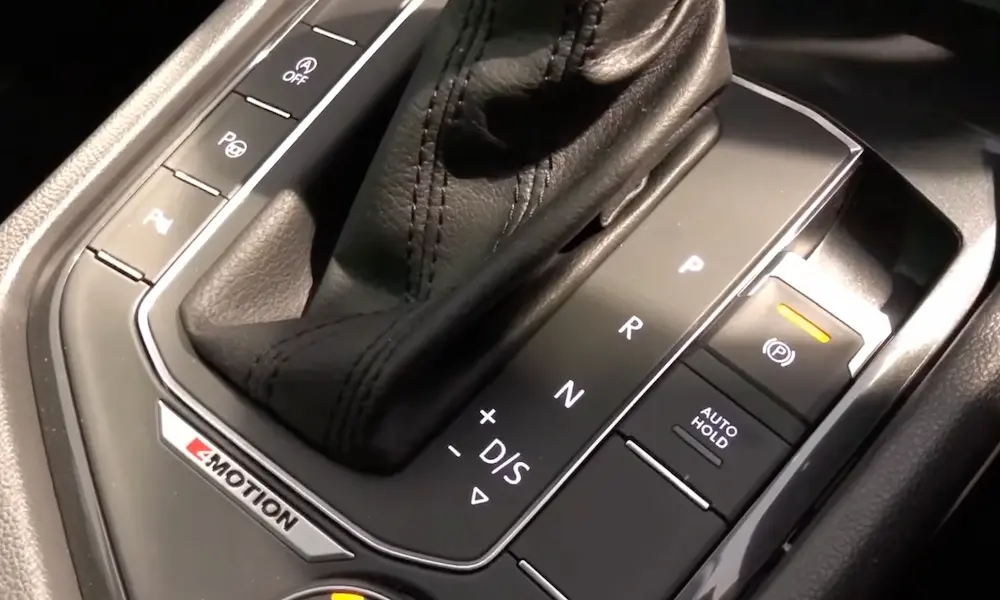
The Aisin 09G Automatic
The 6-speed Aisin automatic is solid — but VW labeled the transmission fluid as “sealed for life,” which led thousands of owners to skip fluid changes entirely. By 100,000 miles without service, clutch debris and metal particles clog the valve body.
Owners who changed the fluid and filter every 40,000–50,000 miles report transmission life beyond 300,000 miles. Those who waited until shifts got harsh often found that fresh fluid worsened the problem — new detergents loosened old sludge and caused internal blockages. Don’t wait. Service this transmission like a traditional automatic.
The 5-Speed Manual
The manual gearbox is the better long-term choice, full stop. Owners report reaching 300,000 miles on the original transmission, with only clutch replacements along the way. If you want the maximum possible life from a 2.5L powertrain, buy the manual.
Oil and Maintenance: What Actually Matters
The VW 2.5 engine life expectancy is directly tied to how well you maintain it. Here’s what the VW Jetta maintenance schedule recommends — and what real-world owners have found works better.
Oil selection:
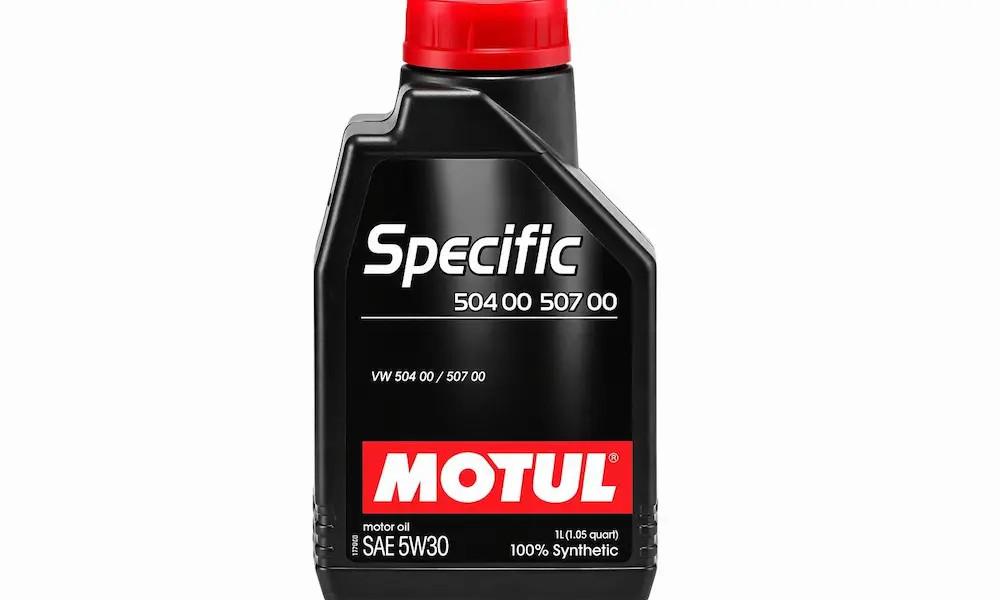
- VW’s official spec: 10,000-mile intervals with VW 502.00-rated full synthetic
- Real-world recommendation: 5,000–7,500 miles in stop-and-go driving
- Best choice: 5W-40 full synthetic (~6 liters per change)
- Why it matters: Proper oil volume keeps the timing chain tensioners lubricated and prevents pickup screen clogging
Other essentials:
- Replace the valve cover (with integrated PCV) at 100,000-mile intervals
- Swap the water pump and thermostat together around 100,000–120,000 miles
- Check and replace coolant flanges at 150,000 miles — they crack without warning
- Replace engine mounts around 150,000 miles to protect the exhaust flex pipe from cracking
The flex pipe deserves a special mention. When it cracks, it throws off oxygen sensor readings, causing the engine to run rich or lean. Soft engine mounts let the engine rock and stress the flex pipe — fresh mounts prevent that.
Is the VW 2.5L Still Worth Buying in the Used Market?
Absolutely — if you find a well-maintained example. Complete 2.5L long blocks are still available for under $1,000, which means even a catastrophic failure is often still economically repairable. That’s rare for any modern engine.
The 2.5L was phased out after 2014 in favor of the 1.8T EA888 Gen 3. The newer engine offers better fuel economy and more torque, but it hasn’t yet proven itself as a 300,000-mile engine the way the 07K has. For anyone who wants 15–20 years of reliable transportation from a used car, the 2.5L Jetta, Golf, or Passat remains one of the best value propositions in the pre-owned market.
The engine’s not exciting. It won’t win any drag races. But it will still be running when a lot of its turbocharged competitors have already been scrapped — and that’s the whole point.