Wondering how long your Honda 1.5 turbo engine will actually last? The answer isn’t a simple number — it depends on where you live, how you drive, and how well you maintain it. This post breaks down everything that affects the Honda 1.5 turbo engine life expectancy, from real-world mileage reports to the specific problems that can cut its life short. Read to the end — there’s a maintenance strategy that could add 100,000 miles to your engine.
What Is the Honda 1.5 Turbo Engine, Exactly?
Honda introduced the 1.5-liter turbocharged engine — part of its “Earth Dreams” L-series family — in North American models starting in 2016. You’ll find it under the hood of the Civic, Accord, CR-V, and even the Acura Integra.
The three main variants are:
- L15B7 — Found in the 10th and 11th Gen Civic
- L15BE — Powers the 10th Gen Accord and 5th Gen CR-V
- L15CA — Used in newer models including the Acura Integra
Here’s a quick breakdown of where each variant lives:
| Model | Engine Variant | Key Feature | Introduced |
|---|---|---|---|
| Honda Civic (10th/11th Gen) | L15B7 / L15CA | Single-scroll turbo, VTC | 2016 |
| Honda Accord (10th/11th Gen) | L15BE | Exhaust-side VTEC integration | 2018 |
| Honda CR-V (5th/6th Gen) | L15BE / L15CA | High-efficiency thermal management | 2017 |
| Acura Integra (2023+) | L15CA | Sport-tuned VTEC and wastegate | 2023 |
This engine replaced the beloved, naturally aspirated Honda engines that regularly hit 250,000+ miles with almost no drama. The 1.5T is more powerful and more efficient — but it plays by different rules.
Honda 1.5 Turbo Engine Life Expectancy: The Honest Answer
The Honda 1.5 turbo engine life expectancy ranges from 100,000 miles to 250,000+ miles depending on three things: your climate, your driving habits, and your maintenance discipline.
Here’s the short version:
- Best case scenario (highway driving, warm climate, proactive maintenance): 200,000–250,000 miles
- Worst case scenario (cold climate, short city trips, neglected oil changes): 100,000–120,000 miles
Real owners back this up. A 2017 Civic EX-T with 252,000 miles was reported running great with no major issues. A 2017 CR-V hit 260,000 miles used mainly for highway commuting. The common thread? Highway miles and frequent oil changes.
But there’s a catch — and it’s a big one.
The Biggest Threat to Your Engine: Oil Dilution
Oil dilution is the most serious issue affecting the Honda 1.5 turbo engine life expectancy, especially in early models.
Here’s what happens: the high-pressure direct injection system sprays fuel directly into the cylinder. In cold weather, some of that fuel doesn’t fully combust. Instead, it sneaks past the piston rings and mixes into your engine oil. Since gasoline is a solvent — not a lubricant — it thins your oil and accelerates wear on camshafts, rocker arms, and the timing chain.
The numbers are alarming. According to owner and technical data:
- A 2% fuel dilution can increase component wear significantly
- A 4% dilution can nearly double wear rates
Who’s Most at Risk?
Cold-weather drivers take the biggest hit. If you live in northern states, Canada, or anywhere temperatures regularly drop below freezing, your engine may never reach the temperature needed to burn off the fuel contamination. Short trips under 10 miles make it worse — the engine stays in a fuel-rich warm-up mode the entire time.
Honda acknowledged the issue and released Service Bulletins 18-114 and 18-137, which adjusted ignition timing and CVT control to help the engine warm up faster. Honda also extended the powertrain warranty to six years and unlimited miles for camshafts and rocker arms on over one million vehicles.
If you haven’t had those software updates applied, head to your dealer.
Head Gasket Failures: The Expensive Problem Nobody Talks About
As the 1.5T fleet has aged, head gasket failures have become a real concern — and a costly one.
A class-action lawsuit alleges the engine has a design defect in its sealing and cooling system. The complaint claims the head gasket material and factory bolt clamping force can’t handle the long-term heat and pressure from the turbocharger.
When it fails, coolant can enter the combustion chamber or mix with the oil. You’ll often see:
- Engine misfires (codes P0300–P0304)
- Overheating warnings
- White smoke from the exhaust
- Complete engine seizure in severe cases
Head gasket failures are most commonly reported between 70,000 and 100,000 miles. The repair bill? Between $1,500 and $4,000. For an older vehicle, that can mean the difference between a fix and a write-off.
| Failure Factor | Engineering Cause | Impact on Longevity |
|---|---|---|
| High Cylinder Pressure | Turbo boost levels | Stretches head bolts over time |
| Localized Overheating | Restricted coolant passages | Warps head or block surface |
| Low Octane Fuel | 87-octane under high load | Increases thermal spikes |
| Manufacturing Variance | Gasket material and bolt tensioning | Failures start around 75k–100k miles |
A Canadian class action was also filed covering the Civic, CR-V, and Accord. These legal actions could eventually result in goodwill repairs or extended coverage — worth watching if you’re affected.
Carbon Buildup: The Slow, Silent Engine Killer
Direct injection engines don’t wash fuel over the intake valves the way older port-injection engines did. That means oil vapors from the PCV system bake onto the hot valves and form hard carbon deposits over time.
Left uncleaned, these deposits cause:
- Rough idling and hesitation
- Reduced power and fuel economy
- Valve seating problems and compression loss
Most mechanics recommend a walnut blasting or carbon cleaning service every 50,000 to 70,000 miles. Skip it, and you’re looking at burnt valves — a far more expensive repair.
Fuel injector failures are also common around 80,000 to 100,000 miles, often showing up as misfires and check engine lights. A failing injector can create a lean condition that stresses the head gasket further, so don’t ignore that warning light.
Turbocharger Longevity: How Long Does It Actually Last?
The turbocharger is designed to last the life of the engine, but it does age. One common complaint is the wastegate actuator loosening or failing, which causes rattling at low RPM and a noticeable loss of power.
The biggest killer? Shutting the engine off immediately after hard driving. Hot oil can “coke” onto the turbo bearings and cause premature wear. Let the engine idle for 30–60 seconds after a long drive — especially after highway runs or mountain roads.
Most experts peg turbocharger replacement somewhere between 120,000 and 150,000 miles on higher-mileage vehicles that weren’t babied.
1.5 Turbo vs. 2.0 Naturally Aspirated: Which Lasts Longer?
If pure longevity is your goal, the 2.0-liter naturally aspirated Honda engine wins. No turbo, no direct injection carbon buildup, lower internal pressure — it’s a simpler, more forgiving engine that regularly hits 250,000 to 300,000 miles.
But the 1.5T has real advantages that keep drivers loyal to it:
| Feature | 1.5-Liter Turbo (L15) | 2.0-Liter Naturally Aspirated |
|---|---|---|
| Complexity | High (Turbo, DI, High Pressure) | Low (NA, Port Injection) |
| Torque Delivery | Strong low-end torque | Peak torque at higher RPM |
| Maintenance Needs | Frequent oil changes, carbon cleaning | Standard oil/filter changes |
| Common Failures | Oil dilution, head gaskets, injectors | Very few |
| Life Expectancy | 150k–250k (maintenance dependent) | 250,000+ miles |
Civic owners who’ve driven both consistently say the 1.5T feels more effortless to drive — it pulls hard without needing high-RPM downshifts, which makes highway driving much more relaxed. That’s why it’s still the popular choice, even with the known risks.
How to Actually Extend Your Engine’s Life
Honda’s Maintenance Minder is smart, but it doesn’t fully account for turbocharged engine stresses or oil dilution risk. Don’t rely on it alone.
Here’s what actually works:
The 5,000-Mile Oil Change Rule
Change your oil every 5,000 miles with high-quality full synthetic, regardless of what the Maintenance Minder says. This is the single most effective thing you can do to protect against oil dilution damage.
Use Premium Fuel
Fill up with 91 or 93 octane “Top Tier” gasoline. It reduces pre-ignition risk, lowers carbon buildup, and keeps your injectors cleaner.
Follow These Maintenance Minder Codes Closely
| Code | Required Service | Why It Matters |
|---|---|---|
| A / B | Replace Oil and Filter | Prevents camshaft and timing chain wear |
| Sub-code 3 | Transmission Fluid | Protects CVT from slipping |
| Sub-code 4 | Spark Plugs / Valves | Ensures clean combustion, prevents misfires |
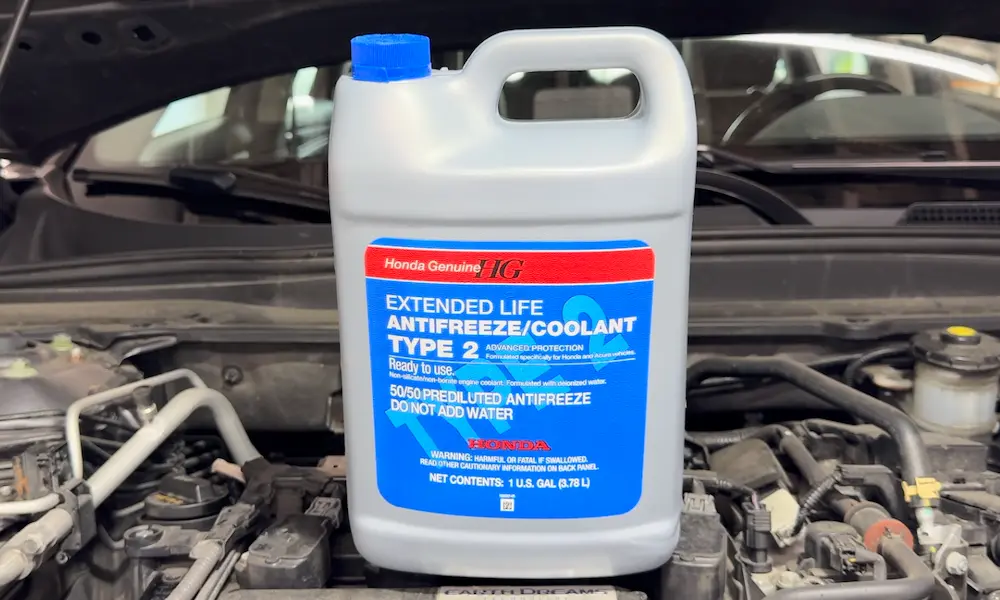
| Sub-code 5 | Engine Coolant | Critical for head gasket and thermal protection |
| Sub-code 7 | Brake Fluid | Safety and ABS system protection |
Honda’s official maintenance codes are a good baseline — but treat them as the minimum, not the maximum.
You should also follow Honda’s updated service bulletin guidance and flush your coolant every 50,000 miles to protect the head gasket. And get that carbon cleaning done before 70,000 miles — don’t wait until you notice a problem.
The Bottom Line on Honda 1.5 Turbo Engine Life Expectancy
The Honda 1.5 turbo engine life expectancy isn’t fixed — you largely control it. Drive mostly on the highway, change your oil every 5,000 miles, use premium fuel, and stay on top of cooling system maintenance, and 200,000+ miles is completely realistic.
Drive mostly short city trips in a cold climate and treat it like the old bulletproof Hondas of the past? You might see serious problems by 100,000 miles.
This engine rewards attentive owners and punishes neglect. It’s not the set-it-and-forget-it Honda of a previous generation — it’s more demanding, but it still has the mechanical bones to go the distance if you treat it right.