Thinking about saying yes to that Xzilon protection package at the dealership? Before you drop a few thousand dollars on what sounds like aerospace-grade magic for your car, let’s dig into what you’re actually getting. The truth might surprise you—and save you some serious cash.
What Exactly Is Xzilon?
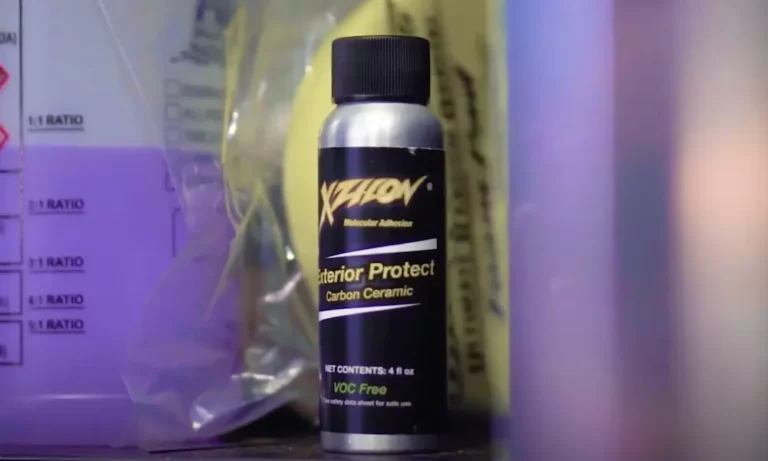
Xzilon markets itself as a water-based carbon ceramic polymer coating with graphene that was developed for aerospace applications. Sounds impressive, right? The company claims it creates a molecular bond with your vehicle’s surfaces, protecting against UV damage, bird droppings, acid rain, and tree sap.
The product includes both exterior paint protection and interior protection through their XMicrobe antimicrobial technology. According to Xzilon, the coating can withstand temperatures up to 700°F and won’t break down like traditional waxes.
Here’s the thing: while the technology originated from Boeing Commercial Aviation Services testing, that aerospace pedigree doesn’t automatically translate to value for your wallet.
The Real Cost Problem with Xzilon
Let’s talk numbers. This is where things get uncomfortable.
Dealerships pay somewhere between $79-$595 for Xzilon products. What do they charge you? Try $600-$3,000. Most commonly, you’ll see prices around $2,600.
That’s not a typo. We’re talking about a markup of 500-1000% or more.
One Reddit user who actually worked at a dealership spilled the beans: they charged customers $2,600 for a product that cost the dealer $595. A finance manager with 30 years of experience selling similar products admitted these products paid for his house three times over.
Think about that for a second. You’re not paying for superior protection—you’re paying for someone’s vacation home.
Why Xzilon Fails So Often
The product itself might have some merit when applied correctly. The problem? It rarely is.
Most Xzilon applications happen at dealerships where staff lack proper training and rush through the process. Auto detailing professionals consistently point out common application failures:
- Skipping thorough surface preparation and cleaning
- Using the wrong washing products that leave residue
- Not removing contamination with a clay bar treatment
- Forgetting solvent-based cleaners before application
- Rushing the curing process to get cars out faster
- Applying over existing wax or sealant
One detailing expert put it bluntly: when ceramic coatings fail within months, “it can almost always be rooted back to poor process for the actual application of the product.”
Your brand-new car deserves better than a rushed 20-minute application by someone who learned the process last Tuesday.
The Warranty Looks Good Until You Need It
Xzilon offers warranty coverage that sounds comprehensive. Until you try to use it.
Customer reports reveal a pattern of denied claims for issues that should be covered:
- “Road hazards” (including tar, which the warranty suggests should be protected)
- “Long-term wear” on products less than two years old
- Specific stain types with oddly convenient exclusions
- Damage classified as scratches instead of environmental etching
One customer reported that both their hood damage and carpet stain claims got denied. Xzilon called legitimate environmental damage “road hazards” not covered under warranty.
Better Business Bureau reviews tell similar stories. The warranty looks great on paper but becomes virtually useless when you need it.
How Well Does Xzilon Actually Perform?
Here’s where things get really mixed.
When properly applied (rare), some users report decent results with good hydrophobic properties and easier cleaning. But the majority of customer experiences tell a different story:
- No water-beading properties despite marketing claims
- Water spots that won’t come off
- Paint looking worse after application than before
- Coating failure within just a few months
- Environmental damage happening anyway
One user on a Subaru forum noted their vehicle showed no hydrophobic characteristics whatsoever. Another on Palisade Forum discovered their coating failed completely, allowing environmental damage through.
What Auto Detailing Professionals Actually Think
Don’t just take customer reviews at face value. Let’s see what the pros say.
Professional detailers who work with coatings daily are brutally honest about Xzilon:
- “Junk” comparable to cheap spray wax
- An “expensive paint sealant” no better than what you can buy at the store
- A “scam” and “total waste of money”
- Inferior to entry-level ceramic coatings from reputable brands
These aren’t random people on the internet. These are professionals who apply protective coatings for a living and have seen Xzilon’s results firsthand.
On Tacoma World, detailing professionals specifically warned against dealership-applied products like Xzilon, recommending customers seek professional detailing instead.
Better Alternatives That Won’t Empty Your Wallet
So if Xzilon isn’t worth it, what should you do instead?
Professional Ceramic Coatings ($500-$1,500)
Products from CQuartz, Gtechniq, or Optimum offer 3-7 years of protection. You’re paying for proper surface preparation, professional application, and proven performance. The price might seem high, but it’s still less than most Xzilon packages and delivers actual results.
DIY Ceramic Coatings ($50-$200)
Consumer-grade ceramic coatings from reputable brands provide 1-3 years of protection. If you’re patient and careful, you can apply these yourself. The performance rivals professional applications when done correctly, and you’re saving hundreds or thousands of dollars.
High-Quality Sealants ($30-$100)
Synthetic polymer sealants offer 6-12 months of reliable protection at minimal cost. They won’t last as long as ceramic coatings, but they work well and you can reapply them easily. For most drivers, this is the sweet spot between cost and protection.
Paint Protection Film (PPF)
For ultimate protection, clear films provide a physical barrier against rock chips and scratches. This is the gold standard for protecting high-wear areas like front bumpers and hoods. It’s pricier than coatings, but it actually stops damage rather than just resisting it.
Comparison: Xzilon vs. Better Options
| Product Type | Cost | Duration | Application Quality | Value Rating |
|---|---|---|---|---|
| Xzilon (Dealership) | $600-$3,000 | 2-5 years (claimed) | Usually poor | Very Low |
| Professional Ceramic | $500-$1,500 | 3-7 years | Excellent | High |
| DIY Ceramic | $50-$200 | 1-3 years | Varies | Excellent |
| Quality Sealant | $30-$100 | 6-12 months | Easy to control | Excellent |
| Paint Protection Film | $1,500-$5,000 | 5-10 years | Professional | High |
The FTC Is Paying Attention
Here’s something interesting: the Federal Trade Commission and Illinois Attorney General secured a $20 million settlement with Leader Automotive Group over allegedly deceptive practices related to add-on products like Xzilon.
While this settlement wasn’t about Xzilon specifically, it shows regulators are cracking down on dealership add-on sales tactics. The FTC is concerned about how these products are sold, not just what they are.
When Could Xzilon Actually Be Worth It?
Look, I’m trying to be fair here. There are extremely rare situations where Xzilon might provide decent value:
- The dealer has properly trained application staff (uncommon)
- They do thorough surface preparation (even less common)
- The markup is reasonable, under $800 (almost never happens)
- You can verify warranty terms before purchase
- You’re committed to maintaining the vehicle meticulously
Notice I said “rare situations.” These conditions almost never align. You’re more likely to win money at the dealership’s poker table than find all these boxes checked.
What You Should Do Instead
Skip the Xzilon upsell at the dealership. Seriously.
Take that $2,600 and invest it smarter. Get professional paint correction first if your car needs it. Then have a qualified detailing shop apply a reputable ceramic coating. You’ll get better protection, longer durability, and proper application—all for less money.
If you’re on a tighter budget, buy a quality DIY ceramic coating and spend a weekend doing it right. Watch some YouTube tutorials, follow the instructions carefully, and you’ll get results that blow away rushed dealership applications.
Even if you just stick with a good synthetic sealant reapplied every six months, you’re ahead of the game. Your car will look great, you’ll have real protection, and you won’t be funding someone’s third house.
The Bottom Line on Whether Xzilon Is Worth It
Is Xzilon worth it? For the vast majority of car buyers, absolutely not.
The aerospace industry origins sound impressive in the finance office. The marketing materials look professional. But when you’re paying 500-1000% markups for a product that’s frequently applied incorrectly, backed by a warranty that denies legitimate claims, and outperformed by cheaper alternatives—you’re not making a smart investment.
The truth is dealerships push Xzilon because it’s profitable for them, not because it’s good for you. That finance manager isn’t recommending it because your car needs it. They’re recommending it because they need the commission.
Save your money. Invest in proven protection from reputable detailing professionals or quality DIY products. Your car will thank you, and your wallet definitely will.