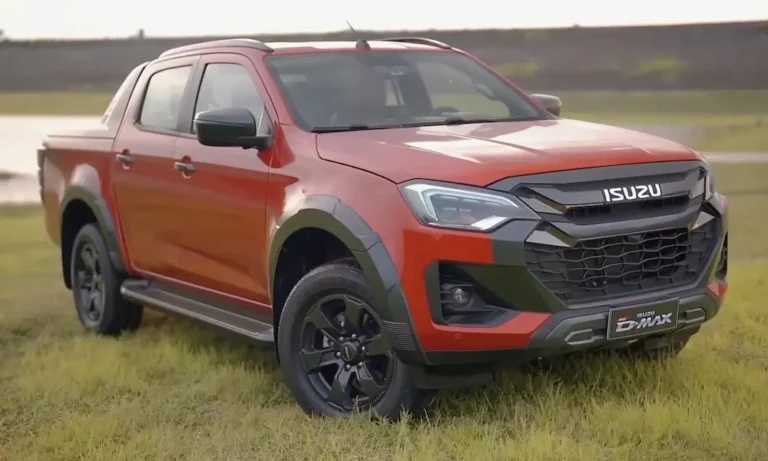
Thinking about getting an Isuzu D-Max? You’re probably drawn to its rugged reputation and off-road capability. But before you sign on the dotted line, it’s worth knowing about the common issues that might crop up. I’ve put together this comprehensive guide to help you understand what you might face as a D-Max owner.
Turbo Failures: The Siren That Signals Trouble
The 2016-2020 D-Max models, especially those built between 2017-2019, have become notorious for turbocharger problems. If you own one of these models or are considering buying one, here’s what to watch for:
- A distinct high-pitched whining noise (often described as a “police siren”) during cold starts
- Vehicle suddenly entering limp mode with dramatic power loss
- Warning lights on your dash indicating overboost issues
The culprit? The factory-fitted Mitsubishi variable-vane turbocharger tends to accumulate carbon buildup, causing the Variable Nozzle Turbine mechanism to stick and eventually fail. Many owners have reported needing multiple replacements, with repair costs typically ranging from $3,000-5,000 when not under warranty.
A mechanic at CCT Turbo explains that this isn’t just an isolated issue but affects a significant number of vehicles in this model range.
DPF Headaches: When Your Exhaust System Rebels
The Diesel Particulate Filter (DPF) system in 2017-2020 D-Max models is another common pain point. These filters are designed to capture soot particles, but many owners report persistent problems:
- Excessive regeneration cycles happening every 50-100km instead of the normal 500km
- Warning lights and vehicles entering limp mode
- Complete DPF blockage requiring professional intervention
The issue becomes particularly pronounced with city driving or short trips. Without regular highway runs at sustained speeds, the DPF can’t properly complete its regeneration cycle. Fixing a completely blocked DPF isn’t cheap – costs typically range from $2,000-5,000 depending on whether cleaning or full replacement is needed.
According to forum discussions, this issue has frustrated many owners who primarily use their vehicles for short urban trips rather than long highway drives.
Structural Cracking: The Hidden Danger
Perhaps the most concerning issue affects D-Max models from 2012-2020: structural cracking in the engine bay area. These cracks typically appear:
- Behind the air box and ABS pump on the driver’s side
- Behind the battery and fuse panel on the passenger side
- Around radiator support panels
This problem isn’t just cosmetic – it’s a structural weakness that can worsen over time. The cracking is likely caused by a combination of inadequate body mount design and possibly incorrect steel metallurgy in manufacturing.
The fix isn’t simple or cheap. Complete inner guard replacement can cost between $10,000-15,000. It’s become such a widespread issue that a class action lawsuit has been initiated regarding these structural problems.
Air Conditioning Failures: When Hot Weather Gets Hotter
Nothing’s worse than your AC failing during summer, but this is a common complaint for D-Max owners. The 2012-2020 models frequently experience evaporator failure due to:
- Insufficient support for the AC return line causing excessive vibration
- Rigid pipe sections that transmit engine movement to the evaporator
- Design flaws where lines pass through the firewall
When the evaporator cracks, refrigerant leaks out and your AC stops working completely. The repair is labor-intensive, requiring full dashboard removal, and typically costs between $2,000-4,000.
This issue has been particularly frustrating for owners in hot climates where air conditioning isn’t just a luxury but a necessity.
CV Joint Problems: The Off-Roader’s Nemesis
Off-road enthusiasts beware: CV joint failures are common in D-Max models, especially those used for serious four-wheel driving. The problems stem from:
- Inadequate traction control calibration in LOW range (pre-2020 models)
- High engine speeds required before electronic aids engage
- Inferior quality of some replacement parts
You’ll know there’s a problem when you hear clicking noises during turns or feel vibrations under acceleration. Replacement costs typically range from $400-800 per side, making this one of the less expensive but still annoying issues to fix.
Transmission Issues: Shifting Problems
The 6-speed automatic transmission introduced in 2017+ models has shown several recurring issues:
- Harsh shifting and gear hunting, especially when towing
- Converter lock-up problems affecting fuel economy
- Vibrations and shuddering at certain speeds
Manual transmissions aren’t immune to problems either, with some developing notchy shifting over time. Transmission repairs vary widely in cost, ranging from $2,000 for minor issues to $6,000 for major overhauls.
The automatic transmission problems are well-documented in owner forums, with many reporting similar experiences across different vehicles and years.
EGR System Problems: When Emissions Control Goes Wrong
DPF-equipped models also frequently experience issues with the Exhaust Gas Recirculation (EGR) system due to carbon buildup. This crucial emissions control component can become clogged, leading to:
- Reduced engine performance and response
- Increased smoke from the exhaust
- Higher fuel consumption
- Check engine lights and fault codes
Cleaning or replacing the EGR system typically costs between $500-2,000 depending on the severity of the buildup and whether related components are affected.
Body Mount Degradation: The Root of Many Problems
Many D-Max owners don’t realize that sagging or cracked body mounts can contribute to the more serious structural cracking issues. These mounts, which separate the body from the chassis, tend to degrade over time, especially with off-road use.
Replacing them with stronger aftermarket units (some owners use Holden Colorado mounts as an upgrade) costs between $500-1,000 but can potentially help prevent more expensive problems down the road.
D-Max Model Year Comparison Table
| Model Year | Common Issues | Severity | Approx. Repair Cost |
|---|---|---|---|
| 2012-2016 | Structural cracking, AC failures, Body mount issues | High | $2,000-15,000 |
| 2017-2019 | Turbo failures, DPF problems, Structural cracking, Transmission issues | Very High | $2,000-15,000 |
| 2020 | Reduced turbo issues, Continuing DPF problems | Moderate | $2,000-5,000 |
| 2021+ | New generation with many issues addressed | Lower | Variable |
Other Notable Problems
Beyond the major issues, D-Max owners have reported several other recurring problems:
- Infotainment system crashes: Particularly in LSU models, where the head unit freezes after 30-60 minutes of operation
- Hub seal problems: Creating high-pitched squealing noises from wheel hubs and requiring lubrication or seal replacement
- Power steering leaks: Various seals and components failing, causing fluid leaks
- Oil system issues: Clogs, leaks, and contamination affecting engine lubrication
Best and Worst D-Max Years to Buy
If you’re shopping for a used D-Max, knowing which years to target or avoid can save you thousands in potential repair bills:
Models to Approach with Caution
- 2017-2019 models: These years experienced the highest rates of turbo and DPF problems
- 2012-2020 models: All pre-facelift models carry some risk of structural cracking issues
Better Options
- 2021+ models: The new generation has addressed many previous issues
- 2025 models: Early reviews from CarExpert are positive regarding reliability improvements
Warranty Considerations for D-Max Owners
Isuzu offers a 6-year/150,000km warranty for vehicles sold after May 2019, which covers most mechanical issues. However, be aware that:
- Structural cracking issues may require significant advocacy to obtain coverage
- Many owners report challenges with warranty claims outside standard coverage
- Modifications can affect warranty coverage, particularly for drivetrain components
Preventative Measures to Protect Your D-Max
While you can’t entirely avoid inherent design issues, there are steps you can take to reduce the risk of problems:
- For DPF health: Ensure regular highway driving (20+ minutes at consistent speeds) to allow regeneration cycles
- For turbo longevity: Warm up the engine before driving hard and cool down before shutting off
- For structural integrity: Consider preventative reinforcement of known weak points
- For CV joints: Drive cautiously in rough terrain and use 4WD modes appropriately
The Real Cost of D-Max Ownership
When budgeting for a D-Max, don’t just consider the purchase price. Based on the common issues, here’s a realistic maintenance and repair budget to consider:
| Timeframe | Expected Maintenance/Repair Costs |
|---|---|
| First 3 years | $1,000-3,000 (under warranty) |
| 4-6 years | $3,000-8,000 (major systems beginning to fail) |
| 7+ years | $5,000-15,000 (potential for significant repairs) |
These figures assume regular servicing and don’t include catastrophic failures or accidents.
Is the D-Max Still Worth Considering?
Despite these issues, the Isuzu D-Max remains popular for good reasons:
- Excellent off-road capability when properly maintained
- Strong towing capacity for its class
- Reliable engine (when supporting systems are working properly)
- Good resale value in many markets
The key is going into ownership with open eyes about potential problems and budgeting accordingly. Many owners find that the vehicle’s capabilities outweigh the drawbacks, especially with newer models that have addressed some of these concerns.
If you’re buying used, a comprehensive pre-purchase inspection by a mechanic familiar with D-Max issues is absolutely essential. Look specifically for early signs of the problems mentioned above, as catching them early can save thousands in repair costs.
For new buyers, the latest generation (2021+) has resolved many of these issues, making them a significantly safer bet for long-term reliability.
Whether the D-Max is right for you depends on your needs, budget for potential repairs, and tolerance for these known issues. With proper research and preparation, you can enjoy the D-Max’s considerable capabilities while minimizing the impact of its common problems.