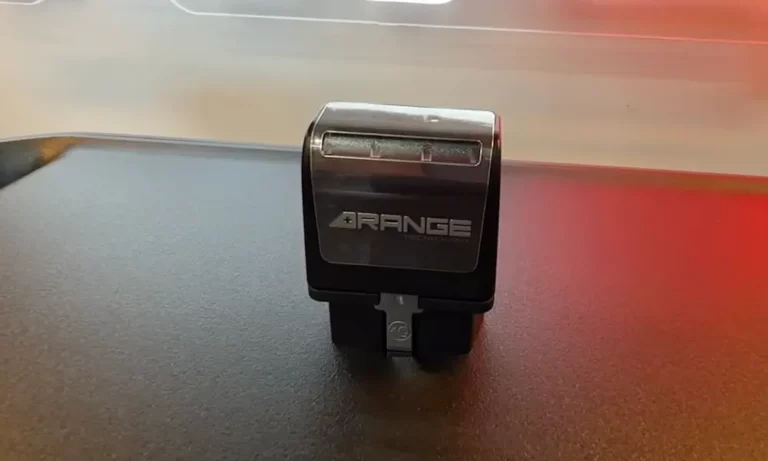
Thinking about disabling your vehicle’s Active Fuel Management system? You’re probably weighing the benefits against potential headaches. While the Range Technology AFM Disabler promises improved performance and reduced engine wear, many owners discover unexpected complications after installation. Let’s dive into the common issues, compatibility concerns, and what you can do to avoid these problems.
What Is the Range Technology AFM Disabler?
The Range Technology AFM Disabler is a plug-and-play device that prevents your GM vehicle’s Active Fuel Management (AFM) or Dynamic Fuel Management (DFM) system from deactivating cylinders. It connects to your OBD-II port and sends signals that keep all cylinders firing continuously.
Many owners install these devices to:
- Improve throttle response and driving feel
- Reduce the risk of lifter failures common in AFM systems
- Eliminate the transition lag when switching between cylinder modes
Check Engine Lights and Error Codes
Perhaps the most frustrating problem with the Range AFM Disabler is unexpected check engine lights. These warning lights typically appear because of communication errors between your vehicle’s computer systems.
The issue is particularly common in 2017 and newer GM models, where users report U1xxx-series diagnostic trouble codes indicating lost communication with critical systems like transmission or stability control. These errors can cause serious anxiety when they appear on your dashboard.
If you see a check engine light after installing the disabler:
- Unplug the device immediately
- Clear the codes using an OBD-II scanner
- Contact Range Technology about a firmware update
Newer firmware versions (8.6 and above) have addressed many of these communication issues, but older modules still in circulation may trigger CELs until updated.
Device Compatibility Issues with Newer Models
Before purchasing a Range AFM Disabler, you need to verify compatibility with your specific vehicle. This is especially critical for owners of newer GM trucks and SUVs.
Models produced after 2022, particularly those with the “Refresh” designation, have compatibility limitations. The disabler will only work with vehicles whose 12th VIN digit is “4” or lower.
This restriction has led many owners of 2022+ Silverados and Sierras to purchase devices that won’t function properly with their vehicles. Always check your VIN before ordering.
Device Malfunctions and Intermittent Operation
Some users report that their disabler simply stops working after a period of use. Signs that your disabler is failing include:
- Feeling the engine drop into V4 mode unexpectedly
- The device working intermittently
- Needing to unplug and reconnect the device regularly
A particularly common complaint comes from 2019 Silverado owners, who notice the device requires periodic unplugging and restarting to maintain functionality. This inconsistency defeats the purpose of installing the disabler in the first place.
The problem often stems from firmware incompatibility, especially with newer 10-speed transmissions. Range Technology offers firmware updates, but you’ll need to mail in your device, leaving you without protection in the meantime.
Battery Drain Problems
Early versions of the Range AFM Disabler were notorious for causing battery drain. The device would continue drawing power even when the vehicle was off, potentially leaving you stranded with a dead battery.
This table shows the firmware evolution addressing the battery drain issue:
| Firmware Version | Battery Drain Issue | Sleep Mode Feature |
|---|---|---|
| Pre-8.6 | Yes – significant | No |
| 8.6 | Reduced | Yes |
| Current | Minimal | Yes – improved |
A 2018 Silverado owner documented how upgrading to Version 8.6 resolved their battery issues thanks to the new sleep-mode functionality. However, even with newer firmware, leaving the device plugged in during extended periods of non-use (like winter storage) can still deplete your battery.
Emissions Testing Failures
If you live in a state with emissions testing, the Range AFM Disabler can cause major headaches. The device prevents certain onboard diagnostic monitors from completing their readiness tests, which can result in automatic test failures.
A Sierra owner reported failing a Missouri emissions test because the oxygen sensor and catalytic converter monitors hadn’t completed their readiness checks after removing the disabler. This happens because:
- The disabler blocks normal AFM operation
- This prevents emission-related systems from completing self-checks
- Even after removing the device, the system needs multiple drive cycles to reset
Range Technology acknowledges that their device is not emissions-approved and may interfere with state testing protocols. If you need emissions testing, remove the disabler at least 6-8 drive cycles before your test date.
Warranty and Legal Concerns
While Range Technology claims their product complies with EPA tampering policies (except in California), installing the disabler can still create warranty complications.
Dealerships may try to void your warranty if they detect the disabler during service. Though the Magnuson-Moss Warranty Act technically protects you, dealers often blame aftermarket modifications for unrelated failures, putting the burden of proof on you.
The legal status also varies by location:
- Most states: Legal for off-road use
- California: Illegal due to pending CARB certification
- Emissions testing states: Legal to use but may cause testing failures
California residents should be particularly cautious, as using the device could result in fines if detected during smog checks, according to product warnings.
Transmission and Performance Issues
In rare but concerning cases, the Range AFM Disabler has been linked to transmission problems. Some Corvette owners reported their vehicles entering “limp mode” (restricted to fourth gear) after extended disabler use, requiring ECU resets to restore normal function.
According to Corvette forum discussions, these issues stem from communication disruptions between the disabler and the transmission control module. While newer firmware updates aim to resolve these problems, the potential risk remains.
Performance irregularities you might experience include:
- Unexpected transmission behavior
- Rough shifting
- RPM fluctuations
- Reduced power output
How to Mitigate Range AFM Disabler Problems
If you’re committed to using the Range AFM Disabler despite its potential issues, these strategies can help minimize problems:
Keep Your Firmware Updated
Range Technology regularly releases firmware updates to address compatibility issues and bugs. Contact the company for information about updating your device’s firmware, especially if you’re experiencing problems.
Try the “Hot-Plug” Technique
For intermittent communication errors, Range Technology recommends a “hot-plug” method:
- Unplug the device while the engine is running
- Turn off the vehicle
- Restart the engine
- Replug the device
This can clear transient communication errors without requiring a dealership visit.
Prepare for Emissions Testing
If you need emissions testing:
- Remove the disabler at least 6-8 drive cycles before testing
- Use an OBD-II scanner to verify monitor readiness
- Avoid clearing codes immediately before testing (this resets readiness monitors)
Verify Compatibility Before Purchasing
Before buying a Range AFM Disabler:
- Check your exact vehicle model and year
- Verify the 12th digit of your VIN if you have a 2022+ model
- Purchase directly from Range Technology (not third-party sellers) to ensure you get the latest version
Alternative Solutions to AFM Problems
If the potential issues with the Range AFM Disabler concern you, consider these alternatives:
Tuning Solutions
A professional ECU tune can permanently disable AFM without the need for a plug-in device. This typically costs more upfront but eliminates compatibility and reliability concerns.
Physical AFM Delete Kits
Although more invasive and expensive, physical delete kits replace the problematic AFM lifters with conventional ones, permanently solving the issue at its source.
Newer Vehicle Models
GM has continuously improved their cylinder deactivation technology. Newer models (especially 2022+) have more refined systems with fewer reliability issues.
Trade-in Options
If AFM-related concerns are significant, trading for a non-AFM engine option might be the simplest solution for peace of mind.
The Real Costs of AFM Disabler Problems
When considering an AFM disabler, factor in these hidden costs:
- Potential dealership diagnostic charges ($100-150 per visit)
- Lost time troubleshooting issues
- Firmware update shipping costs
- Failed emissions testing fees
- Possible towing if battery drain leaves you stranded
Many users report spending more time and money dealing with disabler-related issues than they anticipated, turning what seemed like an inexpensive fix into a costly headache.
Is the Range AFM Disabler Right for You?
The Range AFM Disabler presents a classic trade-off between performance benefits and potential complications. It’s most suitable for:
- Owners of compatible older GM vehicles (2014-2020)
- Those who don’t require emissions testing
- Drivers willing to monitor and manage potential issues
- People comfortable with occasional troubleshooting
It’s less suitable for:
- 2022+ model owners
- California residents
- Those who expect a “set and forget” solution
- People who rely heavily on dealer servicing
Making the Decision
Before installing a Range AFM Disabler, ask yourself:
- How important is warranty coverage to me?
- Am I prepared to deal with potential check engine lights and diagnostics?
- Does my state require emissions testing?
- Is my specific vehicle model compatible with current firmware?
Your answers will help determine whether the potential benefits outweigh the documented problems with this popular but imperfect solution.
Remember that while the Range AFM Disabler addresses legitimate concerns about AFM-related engine wear, it introduces its own set of trade-offs in reliability, compatibility, and emissions compliance. For many owners, the peace of mind from preventing lifter failures justifies these compromises, but entering with realistic expectations will help you avoid disappointment.