
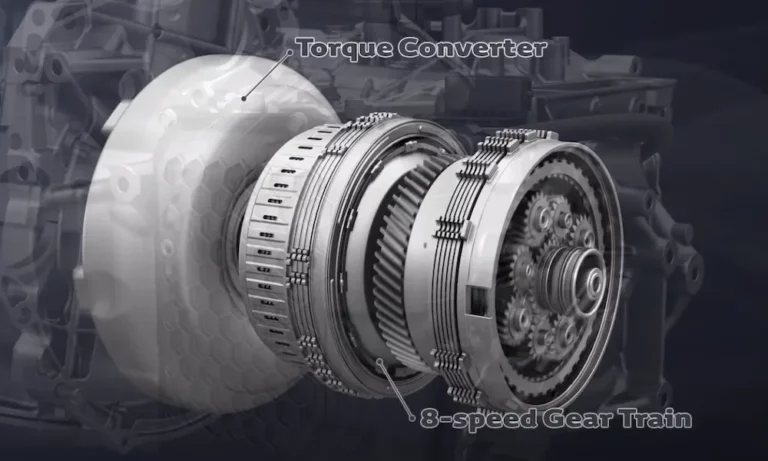
Is your car making that annoying high-pitched sound every time you press the gas pedal? That transmission whining noise when accelerating isn’t just irritating—it’s your vehicle trying to tell you something important. From simple fluid issues to more complex mechanical problems, that whine could signal anything from a quick fix to a major repair job. In this guide, we’ll break down what’s causing that noise, how to diagnose it properly, and what you can do about it right now.
What Does Transmission Whining Sound Like?
When your transmission starts whining, you’ll hear a distinct high-pitched sound that gets louder as you accelerate. Unlike normal engine noise, this sound has a particular signature that’s hard to miss.
Transmission whining typically sounds like:
- A high-pitched “wheeeeee” that increases with speed
- A continuous noise that changes pitch with acceleration
- A sound that may be most noticeable during specific driving conditions
The characteristics of the whine—when it happens, how loud it gets, and what other symptoms come with it—give crucial clues about what’s wrong. Different transmission problems produce different sound patterns, making careful listening your first diagnostic tool.
Common Causes of Transmission Whining During Acceleration
Low or Contaminated Transmission Fluid
The most common cause of transmission whining is also the easiest to fix. When your transmission fluid gets low or dirty, you’ll hear that telltale whine as metal parts grind against each other without proper lubrication.
Here’s what happens:
- Low fluid levels mean parts aren’t getting the lubrication they need
- Dirty or contaminated fluid can’t provide proper protection
- Heat builds up from increased friction, making the whining worse
Checking your transmission fluid should be your first step. If it’s dark brown or black (instead of bright red), smells burnt, or has metal particles, you’ve found your problem. Many vehicles have specific procedures for checking fluid levels, so consult your owner’s manual for the right method.
Worn Transmission Oil Pump
Your transmission’s oil pump circulates fluid throughout the system. When this pump starts to fail, you’ll hear a whining noise that gets louder as engine RPMs increase.
Signs of a failing transmission pump include:
- Whining that intensifies with engine speed
- Noise present in all gear positions
- Transmission overheating
- Delayed shifting
The pump usually fails because of insufficient lubrication or contaminated fluid that wears down internal components. This creates a vicious cycle: pump wear reduces fluid circulation, which causes more wear on other transmission parts.
Faulty Torque Converter
In automatic transmissions, the torque converter connects the engine to the transmission through fluid coupling. When it starts failing, you’ll notice a distinctive whining noise.
Torque converter whine typically:
- Is most noticeable in park, neutral, and reverse
- Changes with engine speed rather than vehicle speed
- May be accompanied by shuddering during acceleration
- Often includes transmission slipping or delayed engagement
Bad torque converter symptoms are particularly evident during acceleration because that’s when the torque converter is under the most stress. The whining usually comes from worn needle bearings, damaged stator assemblies, or failing lock-up clutch mechanisms inside the converter.
Planetary Gear Set Problems
Automatic transmissions use planetary gear sets to change gear ratios. When the teeth on these gears wear down or the bearings fail, they create a whining noise that increases with vehicle speed.
Unlike some other transmission noises, planetary gear whining:
- Gets louder as road speed increases (not just engine RPM)
- Often changes tone when shifting between gears
- May be accompanied by grinding or clunking sounds
- Indicates advanced transmission wear
Diagnosing planetary gear issues requires professional expertise, as multiple gear sets may be involved, and pinpointing which specific assembly has failed takes specialized knowledge.
CVT-Specific Issues
Continuously Variable Transmissions (CVTs) have their own unique set of whining problems related to their belt and pulley systems.
CVT whining often:
- Occurs during ratio changes
- Is more noticeable at extreme ratio positions
- Changes in pitch as the belt position adjusts
- May be normal to some degree (but excessive noise isn’t)
CVTs naturally make some noise, but knowing what’s normal versus problematic is key. Manufacturers like Nissan have issued technical bulletins addressing CVT noise concerns and providing criteria for determining when noise levels indicate a problem.
Manual Transmission Input Shaft Bearing Failure
If you drive a manual transmission vehicle, input shaft bearing wear can cause whining that’s particularly noticeable in neutral with the clutch engaged.
This type of whining:
- Is most evident when the clutch is released in neutral
- Disappears when you press the clutch pedal
- Progressively worsens to include noise during acceleration in any gear
- Requires transmission disassembly to fix
Input shaft bearing problems are relatively common in manual transmissions and require significant work to repair, as the transmission must be removed and disassembled to replace the bearings.
Differential-Related Whining
Sometimes what seems like transmission whining actually comes from your differential, especially in rear-wheel-drive vehicles.
Differential whining typically:
- Correlates more with wheel speed than engine speed
- May change when cornering
- Often sounds more like humming than high-pitched whining
- Comes from worn ring and pinion gears or failing carrier bearings
Differential diagnosis involves determining whether noise occurs during acceleration, deceleration, or both, as different wear patterns affect different gear surfaces.
How to Diagnose Transmission Whining Noise
Step 1: Listen Carefully to the Noise Pattern
The first step in diagnosis is careful observation. When does the noise happen? Does it change with speed, gear selection, or temperature?
Create a simple noise diagnostic chart:
| When Noise Occurs | Possible Causes |
|---|---|
| Only during acceleration | Low fluid, torque converter, planetary gears |
| In neutral with engine running | Input shaft bearing, torque converter |
| In all gears including park | Transmission pump, torque converter |
| Only in specific gears | Planetary gear set, gear damage |
| Changes with vehicle speed (not engine RPM) | Differential, output components |
By documenting exactly when and how the whining occurs, you’ll have valuable information for diagnosis.
Step 2: Check Transmission Fluid
Examining your transmission fluid can reveal a lot about what’s happening inside:
- Park on level ground with engine warmed up (following manufacturer’s procedure)
- Locate the transmission dipstick (some newer vehicles don’t have one)
- Check fluid level against “hot” and “cold” markings
- Examine fluid color and smell:
- Healthy fluid: Bright red, transparent, no strong odor
- Problematic fluid: Dark brown/black, burnt smell, metal particles
Transmission fluid diagnosis is your quickest way to identify many problems. If you find low or contaminated fluid, address this issue first before assuming more serious mechanical failures.
Step 3: Test Under Different Conditions
Changing how you drive can help isolate the source of the whining:
- Test at different speeds to see if the noise changes with engine RPM or vehicle speed
- Try different gears to see if the noise disappears in certain positions
- Pay attention to whether the noise changes when turning (suggests differential)
- Note if the noise changes when the transmission is hot versus cold
These observations help narrow down which components might be causing the problem, saving diagnostic time and potentially repair costs.
Step 4: Use Diagnostic Tools
Professional technicians use several tools to pinpoint transmission noises:
- Chassis ears or electronic stethoscopes to isolate sound sources
- Scan tools to check for transmission-related error codes
- Temperature monitoring to identify overheating conditions
- Pressure gauges to check hydraulic system operation
For CVT transmissions, specialized diagnostic protocols compare noise levels to manufacturer specifications, helping differentiate normal operational sounds from problematic conditions.
Repair Options and Cost Considerations
DIY Fluid Service
If your diagnosis points to fluid issues, you might be able to handle this yourself:
- Purchase the correct transmission fluid for your vehicle (check manual)
- Drain old fluid (some transmissions have drain plugs, others require pan removal)
- Replace transmission filter if accessible
- Refill with new fluid to proper level
- Dispose of old fluid properly
A DIY transmission fluid service typically costs $50-150 in materials and takes 1-3 hours depending on your experience. Regular fluid maintenance prevents many whining problems before they start.
Professional Repairs
For more serious issues, professional repair is necessary. Here’s what you can expect to pay:
| Repair Type | Typical Cost Range | Repair Time |
|---|---|---|
| Transmission fluid service | $150-400 | 1-2 hours |
| Torque converter replacement | $600-1,200 | 4-8 hours |
| Input shaft bearing (manual) | $800-1,200 | 5-8 hours |
| Transmission pump replacement | $400-800 | 4-10 hours |
| CVT belt/pulley service | $2,000-3,500 | 5-10 hours |
| Complete transmission rebuild | $1,500-4,000 | 3-5 days |
The wide range in transmission repair costs depends on your vehicle make, model, and the specific components that need replacement. Labor costs are typically the largest portion of these repairs since accessing the transmission often requires removing many other components.
When Professional Diagnosis is Worth It
While checking fluid levels is straightforward, diagnosing internal transmission problems requires expertise. Professional diagnosis typically costs $100-200 but can save thousands by:
- Preventing misdiagnosis and unnecessary repairs
- Identifying the specific failed component rather than guessing
- Catching related issues before they cause additional damage
- Providing accurate repair cost estimates before work begins
Transmission specialists have access to technical bulletins and manufacturer-specific knowledge that helps them quickly identify known issues for your particular vehicle model.
Preventing Transmission Whining Problems
Regular Maintenance Schedule
The best way to prevent transmission whining is through regular maintenance:
- Follow manufacturer’s fluid change intervals (typically 30,000-60,000 miles)
- Check fluid level monthly and address leaks promptly
- Consider transmission flushes for high-mileage vehicles
- Use only the specified transmission fluid for your vehicle
Regular transmission service costs much less than major repairs and dramatically extends transmission life.
Driving Habits That Protect Your Transmission
How you drive affects transmission longevity:
- Allow your vehicle to warm up before driving in cold weather
- Avoid aggressive acceleration, especially when cold
- Come to a complete stop before shifting between drive and reverse
- Don’t overload your vehicle beyond its rated capacity
- Use lower gears when climbing hills or towing
These simple habits reduce stress on transmission components and help prevent the conditions that lead to whining noises.
Early Intervention Saves Money
Addressing transmission whining at the first sign prevents bigger problems:
- Don’t ignore new noises hoping they’ll go away
- Get professional evaluation at the first sign of unusual sounds
- Address fluid leaks immediately
- Consider preventive maintenance at mileage milestones
Early attention to developing transmission issues almost always results in less expensive repairs compared to waiting until complete failure occurs.
Real-World Examples of Transmission Whining Diagnosis
Case Study: Honda CVT Whining
Many Honda CR-V owners report a whining noise during acceleration that gets worse over time. Investigation typically reveals torque converter issues where the lock-up clutch develops slippage. The repair usually involves torque converter replacement, but in some cases, Honda has extended warranties to cover this known issue.
Case Study: Ford Focus Manual Transmission
Ford Focus manual transmissions from certain model years frequently develop input shaft bearing noise. Owners report a whining in neutral that disappears when pressing the clutch. This distinctive sound pattern makes diagnosis straightforward, though the repair involves significant labor to disassemble the transmission.
Case Study: Rear Differential vs. Transmission Whine
Many rear-wheel-drive vehicle owners struggle to determine if noise is coming from the transmission or differential. The key diagnostic difference: differential whine typically changes when cornering and correlates with vehicle speed rather than engine RPM. This distinction helps prevent misdiagnosis and unnecessary repairs.
Specialized Tools for Diagnosing Transmission Whining
For those who want to dig deeper into diagnosis, several tools can help:
- Electronic stethoscopes ($30-200) help pinpoint the source of noises
- OBD2 scanners with transmission data ($50-500) can monitor temperatures and pressures
- Mechanic’s stethoscope ($10-30) allows listening to specific components
- Transmission pressure test gauges ($50-300) measure hydraulic system performance
Using an OBD2 scanner to check transmission parameters can reveal issues like overheating or pressure problems that contribute to whining noises.
Transmission Fluid Color Guide
Transmission fluid color provides valuable diagnostic information:
| Color | Condition | Action Needed |
|---|---|---|
| Bright red | Good | Normal operation |
| Light brown | Aging | Plan service soon |
| Dark brown | Degraded | Service immediately |
| Black | Severely burnt | Service & investigate cause |
| Pink & foamy | Water contamination | Complete fluid change |
| Red with metal particles | Internal damage | Professional inspection |
This transmission fluid color guide helps you quickly assess fluid condition without special tools.
Making the Right Repair Decision
When faced with transmission whining, consider these factors:
- Vehicle age and value compared to repair costs
- Your long-term plans for the vehicle
- Whether the problem is isolated or part of multiple issues
- Availability of remanufactured transmission options
- Warranty coverage possibilities
For newer vehicles, addressing problems promptly usually makes financial sense. For older vehicles, weighing repair costs against vehicle value helps determine if repair, replacement, or vehicle replacement is the wisest choice.
Transmission whining during acceleration isn’t something to ignore. By understanding the causes, performing basic checks, and seeking professional help when needed, you can address these issues before they lead to complete transmission failure. Remember that many whining noises start with simple fluid issues—checking and maintaining proper fluid levels is your first and best defense against expensive transmission problems.


