Getting your Virginia state inspection sticker doesn’t have to be a mystery. Whether you just moved here, your sticker expired, or you’re wondering what inspectors actually check — this guide covers it all. Stick around, because some of this info could save you a fine or a failed inspection.
What Is the Virginia State Inspection Program?
Virginia runs one of the strictest annual vehicle safety inspection programs in the country. The Virginia State Police Safety Division oversees the whole operation. Every registered vehicle must pass a certified inspection each year — no exceptions unless you qualify for a specific exemption.
The program falls under Chapter 10 of Title 46.2 of the Code of Virginia and aligns with Federal Motor Vehicle Safety Standards set by the National Highway Traffic Safety Administration.
The goal is simple: keep unsafe vehicles off Virginia roads before they cause crashes.
What Does a Virginia State Inspection Actually Check?
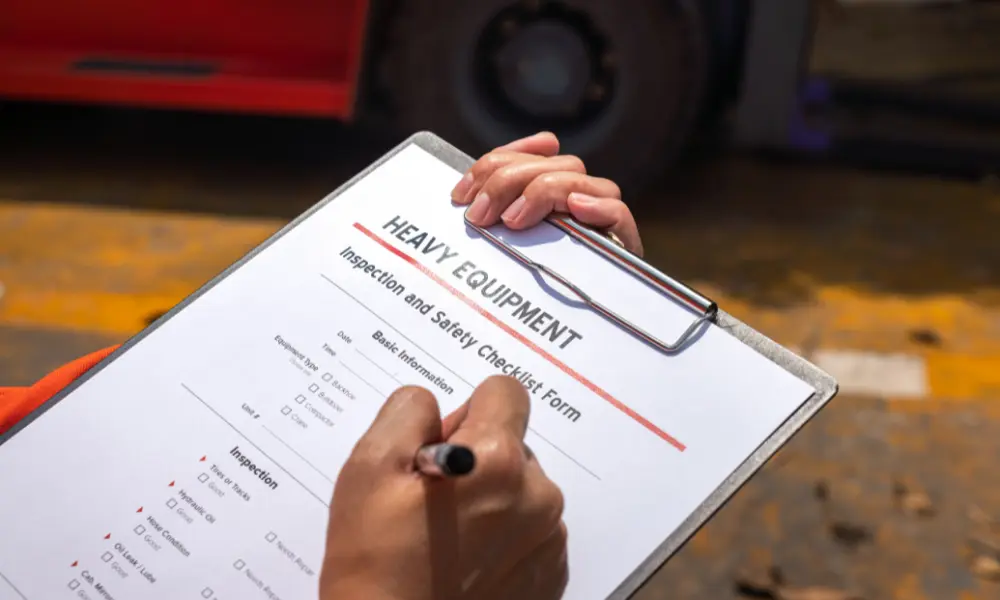
Inspectors run through a comprehensive 24-point checklist. They’re checking roadworthiness — not whether your car looks pretty. Here’s what they examine:
Brakes
Brakes are the top priority. Inspectors check:
- Pedal feel (soft or spongy = red flag)
- Brake lines and hoses for leaks or cracks
- Pad and shoe thickness (minimum 2/32 of an inch)
- Rotors and drums for warping or scoring
- Parking brake engagement and release
Brake pad thickness below 2/32 inch means an automatic fail. That’s not negotiable.
Steering and Suspension
The inspector lifts your car to check underneath. They look at:
- Tie rod ends, ball joints, and wheel bearings
- Shock absorbers and struts for fluid leaks
- Control arm bushings and steering gearbox mounting
- Coil springs and leaf springs for cracks or breaks
A worn ball joint can cause your suspension to collapse at highway speed. That’s exactly the kind of thing this inspection catches.
Tires and Wheels
Tires need at least 2/32 inch of tread depth. But inspectors also flag:
- Exposed steel belts or fabric cords
- Deep sidewall cuts or severe dry rot
- Abnormal wear patterns (cupping, edge wear)
- Mixed radial and bias-ply tires on the same axle
- Cracked rims or missing lug nuts
Lights and Visibility
Every exterior light gets tested — headlights (low and high beam), taillights, brake lights, turn signals, reverse lights, and license plate lights. Cracked lenses that emit the wrong color light mean a fail.
For the windshield:
- Any chip or crack larger than 1.5 inches above the bottom three inches = fail
- Scratches wider than 1/4 inch and longer than 6 inches in the wiper sweep zone = fail
- Windshield tinting can’t extend below the AS-1 line (or more than 3 inches from the top edge)
Wipers, washers, defrosters, and mirrors are also checked. Rear mirrors must provide a clear view at least 200 feet behind the vehicle.
Exhaust and Fuel Systems
The exhaust system gets inspected from the manifold to the tailpipe. Active leaks near the cabin are a carbon monoxide hazard — instant fail. Inspectors also check for:
- Loose or broken exhaust brackets
- Fuel leaks from the tank, lines, or fuel rail
- Missing or improper fuel cap
- Rusted-through floor pans
Safety Restraints and Warning Lights
Seatbelts must latch, retract, and show no fraying. The horn must be audible from 200 feet away.
Here’s one people miss: an illuminated airbag warning light or ABS warning light fails the inspection. Those lights indicate real safety system faults. A check engine light can also cause a fail depending on the fault codes involved.
How Much Does a Virginia State Inspection Cost?
Virginia caps inspection fees by law. You can’t be overcharged — it’s set by the Virginia General Assembly.
| Vehicle Type | Maximum Fee |
|---|---|
| Passenger vehicles, SUVs, light trucks | $20.00 |
| Motorcycles and autocycles | $12.00 |
| Heavy trucks (over 26,000 lbs), buses | $51.00 |
| Reinspection (same station, within 15 days) | $1.00 |
Of that $20 fee, $0.70 goes directly to the State Police to fund the Safety Division. The rest stays with the inspection station.
Live in Northern Virginia? Residents in Arlington, Fairfax, Loudoun, Prince William, Stafford, Alexandria, and Falls Church also need a biennial emissions inspection (up to $30). That brings your total annual compliance cost to around $50.
What Happens If Your Car Fails?
When your car fails, the inspector removes your current sticker and slaps on a rejection sticker. That rejection sticker is valid for exactly 15 calendar days.
During those 15 days, you won’t get cited specifically for an expired inspection sticker. But — and this is important — you can still get ticketed for the actual mechanical defect. A bald tire or broken headlight is still a violation, rejection sticker or not.
Reinspection Rules
Return to the same station within 15 days and pay just $1 for a reinspection. The inspector only re-checks the failed items — not the full 24-point list. But there’s a catch:
- Go to a different station = full reinspection at full price
- Return after 15 days = full reinspection at full price
Per 19VAC30-70-60, the inspector must document exactly what failed — including which wheels were pulled for a brake check. Keep your rejection receipt. All rejection copies stay on file at the station for six months, subject to state audit.
Who’s Exempt From Virginia’s Inspection Requirement?
Section 46.2-1158.01 lists specific vehicles that don’t need a Virginia state inspection sticker:
- Vehicles under 500 lbs with less than 6 horsepower
- Trailers without integrated braking systems
- Antique vehicles on historical plates (limited highway use)
- Commercial vehicles already subject to Federal Motor Carrier Safety Regulations
- New vehicles in transit from manufacturers
Military Members Get Extra Time
Active-duty military with vehicles garaged outside Virginia get a solid benefit. Under §46.2-1158.1, your sticker doesn’t legally expire while you’re out of state on duty. When you return to Virginia, you get 14 calendar days to get a fresh inspection — penalty-free.
Military members stationed out of state can also drive back to Virginia on leave using a valid inspection sticker from their current duty station.
New to Virginia? Get Inspected Before You Register
This trips people up constantly. Virginia gives zero grace period for out-of-state vehicles once you register here. It doesn’t matter if your car just passed inspection in another state — Virginia doesn’t recognize out-of-state stickers for newly registered residents.
The Virginia State Police recommend you get your Virginia state inspection sticker before visiting the DMV. Why? Because your car doesn’t need Virginia plates to get inspected. Get the sticker first, then go register. Otherwise, you’ll leave the DMV with fresh plates and no sticker — and you’re immediately in violation.
The Four-Month Stop Rule: What It Actually Means
Since March 2021, Virginia law prohibits officers from pulling you over solely for an expired inspection sticker until the first day of the fourth month after expiration.
So if your sticker expired January 31st, police can’t stop you just for that until May 1st.
But don’t confuse this with a grace period. Your sticker is legally expired on the first day of the following month. If you get pulled over for speeding during those three months, the officer can absolutely add a citation for the expired sticker.
There’s also a significant legal angle here: if an officer illegally stops you solely for a sticker that’s only two months expired, any evidence found during that stop is inadmissible in court. The “fruit of the poisonous tree” rule applies — that means any contraband found could get charges dismissed entirely.
Using a counterfeit inspection sticker is a Class 1 Misdemeanor. That’s up to 12 months in jail and a $2,500 fine. Not worth it.
The 2025–2026 Virginia State Inspection Sticker Redesign
The Virginia state inspection sticker got a major overhaul starting in 2025, with further changes in 2026. The Virginia State Police unveiled the new design specifically to fight counterfeiting.
Color Rotation Schedule
Officers can now spot expired stickers from a distance — no need to read the numbers.
| Expiration Year | Sticker Color |
|---|---|
| 2025 | Green |
| 2026 | Blue |
| 2027 | Blue |
| 2028 | Red |
| 2029 | Yellow |
New Anti-Counterfeiting Features
The redesigned sticker packs serious security features:
- Holographic Virginia state seal with a dogwood blossom image
- Two QR codes — one for the public (links to VSP’s website), one for internal state police auditing
- Expiration year printed over the dogwood image to prevent digital tampering
- Unified orange sticker for motorcycles and trailers (replacing separate designs)
The 2026 redesign also fixed a longstanding problem: rejection stickers now use superior adhesive chemistry that actually sticks to glass in heat and humidity. Old pink rejection stickers peeled off constantly. The new white version bonds firmly and requires actual effort to remove.
Where Does the Sticker Go?
Since January 1, 2018, the sticker moved to the bottom-left corner of your windshield (as seen from inside the car). It must sit no closer than one inch from the left edge and about four inches up from the bottom.
Why the move? Modern vehicles use forward-facing cameras, radar, and sensors behind the rearview mirror for safety systems like automatic emergency braking and lane departure warnings. The old center-bottom placement blocked those sensors directly.
Driving to New York with a Virginia Sticker? Read This First
Virginia’s inspection exemption window doesn’t protect you in other states. New York aggressively enforces VTL §306(b) — even against out-of-state vehicles.
Park your Virginia-registered car on a New York street with an expired sticker and you’re likely getting a ticket. There’s no grace period in New York — enforcement begins the first day of the following month.
| Days Expired | NY Base Fine | NY Surcharge | Estimated Total |
|---|---|---|---|
| Under 60 days | $25–$50 | $88 (city) | $113–$138 |
| Over 60 days | $50–$100 | $88 (city) | Up to $188 |
| No sticker | $50–$100 | $88 (city) | Up to $188 |
To contest a New York ticket, you’d need to prove your inspection was valid at the time — or navigate a “fix-it” dismissal process after getting a fresh inspection back in Virginia.
The legal logic New York uses: any vehicle on their public roads must meet basic safety standards. They don’t care where it’s registered. No valid sticker = not compliant on their roads, period.
Finding a Virginia State Inspection Station
Only state-certified inspection stations can issue a Virginia state inspection sticker. These are privately owned shops — think dealerships, tire shops, and independent mechanics — that the Virginia State Police license and audit.
Inspectors must hold Class A, B, or C certifications depending on vehicle type. The Safety Division for Inspectors page on the VSP website has everything about station requirements and certification.
The VSP runs undercover audits on stations to catch shops that either pass unsafe vehicles (for customer loyalty) or fail good ones (to generate repair business). The economic incentive is real — shops make their money on the repairs, not the $20 fee. Audits keep that in check.
Stay current on your Virginia state inspection sticker. The fines, the failed inspections, and the cross-state headaches aren’t worth it — especially when a $20 check once a year keeps you legal and your car safe.