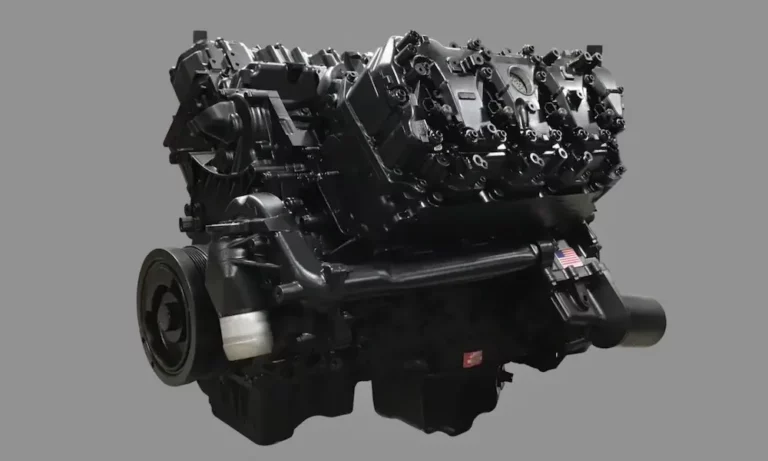
Your engine just died, and you’re staring down a repair bill that makes your stomach hurt. A remanufactured engine might be the smartest fix — if you pick the right one. Here’s everything you need to know before you spend a dollar.
What “Remanufactured” Actually Means (It’s Not a Rebuild)
Most people use “rebuilt” and “remanufactured” like they mean the same thing. They don’t — and the difference matters a lot.
A rebuilt engine is a reactive fix. A technician finds what broke, replaces those parts, and leaves everything else alone. Components that show wear but still fall within acceptable limits stay in the engine. That sounds reasonable until you realize those hidden flaws can expand over time, causing another failure shortly after the repair.
A remanufactured engine follows a totally different playbook. Every unit goes through a complete factory teardown. All wear-sensitive parts — pistons, rings, bearings, seals, gaskets, valves — get replaced automatically, regardless of condition. The hard parts (block, crankshaft, cylinder heads) go through precision machining to hit original factory tolerances. The result? A unit that’s functionally identical to a new engine, capable of delivering over 100,000 miles when maintained properly.
There’s also a third option — engine reconditioning — which is a custom, precision restoration of your specific engine. It’s the go-to for classic cars or rare powerplants where swapping in a generic core isn’t an option. Think of it as high-end custom machining rather than factory production.
Here’s a quick side-by-side to make it crystal clear:
| Process | What Gets Replaced | Where It Happens | Typical Warranty |
|---|---|---|---|
| Rebuilt | Broken/worn parts only | Local repair shop | Short-term or limited |
| Remanufactured | All wear items, mandatory | Factory production line | Multi-year coverage |
| Reconditioned | Precision restoration of all parts | Specialized machine shop | Custom shop guarantee |
How the Best Remanufactured Engines Are Actually Built
Understanding the process helps you separate the serious builders from the corner-cutters.
Teardown and Cleaning
It starts with the “core” — your old engine. At the factory, it gets stripped completely. All soft parts like gaskets, seals, and hoses get discarded for recycling. The hard parts then go through intensive cleaning, including thermal ovens that burn off oil and carbon, plus chemical baths to clear rust from coolant passages. Any residual debris left behind can cause premature wear or blockage in the finished engine — so this step isn’t optional.
Inspection for Hidden Defects
Cleaned parts go through structural testing. Magnetic particle inspection uses magnetic fields and fluorescent dye to reveal hairline fractures in iron blocks and steel crankshafts. Connecting rods get checked for any bend or twist. Camshafts are measured for correct lift and duration.
For diesel engines, crankshafts are also demagnetized. Why? Because a magnetized crankshaft attracts metal particles during break-in, which tears up bearings fast.
Precision Machining
This is where the real work happens. Cylinder bores get bored and honed to exact specs. Top-tier builders use torque plate honing — bolting a heavy metal plate to the block during honing to simulate the distortion that happens when the head gets torqued down. This keeps the cylinder perfectly round during operation and eliminates a major cause of oil consumption and blow-by.
Crankshaft journals get machined to exact tolerances and polished to a micro-finish measured with profilometers. Cylinder heads get resurfaced to seal perfectly with modern multi-layer steel gaskets.
Assembly and Engineering Upgrades
Assembly happens in clean-room conditions. Every engine gets new rings, bearings, gaskets, seals, timing chains, and valves. The best remanufacturers use this stage to fix known factory flaws. For example, Jasper uses forged aluminum pistons in Ford EcoBoost applications for better durability. Asheville Engine balances every Duramax crankshaft and cuts specific keyways to prevent gear spinning — a common failure in the OEM units.
Live-Run and Dyno Testing
Before any engine ships, it runs. Technicians check oil pressure, vacuum, cylinder compression, and timing. A black-light leak test adds fluorescent dye to the oil and inspects every seal under ultraviolet light, catching microscopic leaks before the engine leaves the factory.
High-end builders go further with dynamometer testing, which applies a controlled load to the engine’s output shaft. This simulates real driving conditions and catches problems that only show up under load — like cooling bottlenecks or power loss at high RPM. Providers like Foxwood Diesel use dyno testing to certify performance levels and verify emissions compliance.
The Best Remanufactured Engine Brands in North America
Here’s who’s actually worth your money:
Jasper Engines & Transmissions
Jasper is the largest remanufacturer in the US, operating since 1942 with 53 branches nationwide. They cover gas, diesel, marine, and transmissions. Their standout feature is their engineering-first approach — they don’t just restore factory specs, they fix factory mistakes. Their AFM-delete program for GM engines is a great example, addressing a well-documented failure pattern in General Motors’ active fuel management systems.
Standard warranty: 3 years or 100,000 miles, transferable. Their Premium Service Plan bumps labor reimbursement up to $140–$210 per hour and adds towing and rental coverage. One honest note: some consumer reviews flag challenges with the warranty claims process, specifically around labor rate reimbursements.
Powertrain Products
Powertrain Products builds with all-American OEM parts and offers some of the most aggressive warranties in the business. Their top tier goes to 7 years with a 1-million-mile promise, including $110/hour labor reimbursement, towing, and rental car allowances. If long-term protection is your priority, they’re hard to beat.
Asheville Engine
Asheville Engine focuses exclusively on diesel — Powerstroke, Duramax, and Cummins. Their builders have been in the industry since the 1970s and 80s. They keep prices competitive by cutting advertising costs and letting customers reuse hard parts like oil pans and timing covers, which can save several thousand dollars versus a full long block from a national brand. They also offer high-performance “Competitor” builds for applications over 1,000 horsepower.
Fraser Engines
Fraser offers a wide catalog with a 5-year, unlimited mileage, no-fault warranty on many engines. The upside is high availability. The caveat: industry forums suggest Fraser sometimes acts as a distributor rather than a direct manufacturer, which can introduce variability in the source of the unit. Ask specific questions before ordering.
Promar Engines
Promar has 45+ years of experience and covers everything from classic cars to modern diesels and marine engines. They’re particularly well-regarded for custom restoration work and marine-grade builds. If you’re restoring a matching-numbers classic or need a boat engine, Promar deserves a serious look.
Patriot Engines
Patriot Engines specializes in import and luxury brands — Hyundai, Kia, Land Rover, Jaguar. They prioritize process transparency and offer custom builds for specialized performance needs, backed by multi-year parts and labor warranties.
Here’s how they stack up:
| Provider | Best For | Warranty | Key Advantage |
|---|---|---|---|
| Jasper | Gas, diesel, marine — broad coverage | 3 yr / 100K miles | Fixes known OEM design flaws |
| Powertrain Products | Domestic and import gas/diesel | Up to 7 yr / 1M miles | All-OEM American parts |
| Asheville Engine | Light-duty diesel (Powerstroke, Duramax, Cummins) | Varies by build | Balanced crankshafts, experienced builders |
| Fraser Engines | Wide vehicle catalog | 5 yr / unlimited miles | High availability, no-fault options |
| Promar Engines | Classic cars and marine | 3 yr / unlimited miles | Custom precision restoration |
| Patriot Engines | Import and luxury brands | Multi-year parts and labor | Rigorous dynamic testing |
Understanding Warranties Before You Sign Anything
Warranty language is where a lot of people get burned. Read it closely.
Limited vs. No-Fault
A limited warranty only covers the remanufacturer’s own workmanship. If your old clogged radiator kills the new engine, the warranty is likely void. A no-fault warranty covers the engine for a one-time replacement regardless of cause — even overheating or an installation error. For a shop that wants to avoid disputes with customers, no-fault coverage is worth every extra dollar.
Labor Reimbursement Reality Check
Most standard warranties reimburse labor at $50 per hour. Your shop might charge $150. That gap comes straight out of your pocket. Premium plans from Jasper and Powertrain Products push reimbursement up to $100–$210 per hour and often include diagnostic time, towing, and rentals. Always check the labor rate before you buy.
The Core Exchange System
When you buy a remanufactured engine, you’ll pay a core fee upfront. Return your old engine in re-workable condition — no cracked block, crankshaft still machinable — and you get that fee refunded. Some companies like Remanns offer core waivers to reduce your upfront cost. Always ask about this before purchasing.
Why Remanufactured Engines Are Actually the Greener Choice
This isn’t just a cost decision. Remanufacturing is one of the most effective forms of industrial recycling running today.
- Remanufacturing uses 85% less energy than building a new engine from scratch
- It saves thousands of tons of iron, steel, and aluminum annually — one remanufactured engine saves roughly 55 kilograms of core metal compared to a new block
- Vege Motoren calculates that its operations prevent over 8,000 tons of CO₂ emissions per year — equivalent to the carbon absorption of nearly 400,000 trees
And for your wallet: the best remanufactured engines typically cost 35% to 50% less than a new OEM replacement while adding 100,000+ miles of service life to your vehicle.
Common Mistakes That Kill a New Remanufactured Engine Fast
The engine isn’t always what fails — the supporting systems are.
Replace the ancillaries. A clogged radiator, worn water pump, or dirty oil cooler will destroy a fresh engine fast. Don’t reuse parts that were already struggling.
Fix the root cause first. If your original engine died from a lean fuel condition, diagnose and repair the fuel system before installing anything new. Otherwise, you’re just buying the same failure twice.
Do the break-in service. Most remanufacturers require an oil and filter change at 500 miles to flush out fine particles from the initial run. Skip this and you void your warranty — and accelerate wear.
Keep your paperwork. Warranty claims require documentation. Hold onto your installation receipt, break-in service record, and any communication with the supplier.
The best remanufactured engines on the market deliver new-engine performance at a fraction of the cost — but only if you do your homework, pick a builder with a transparent process, and protect your investment with a warranty that actually covers you.