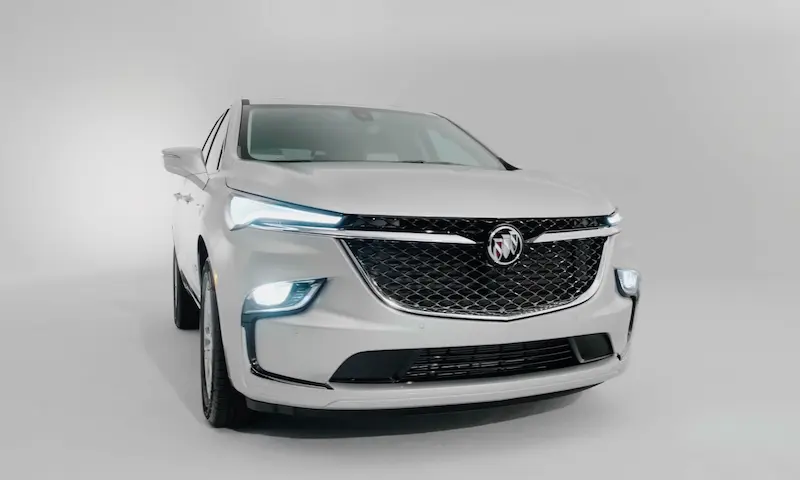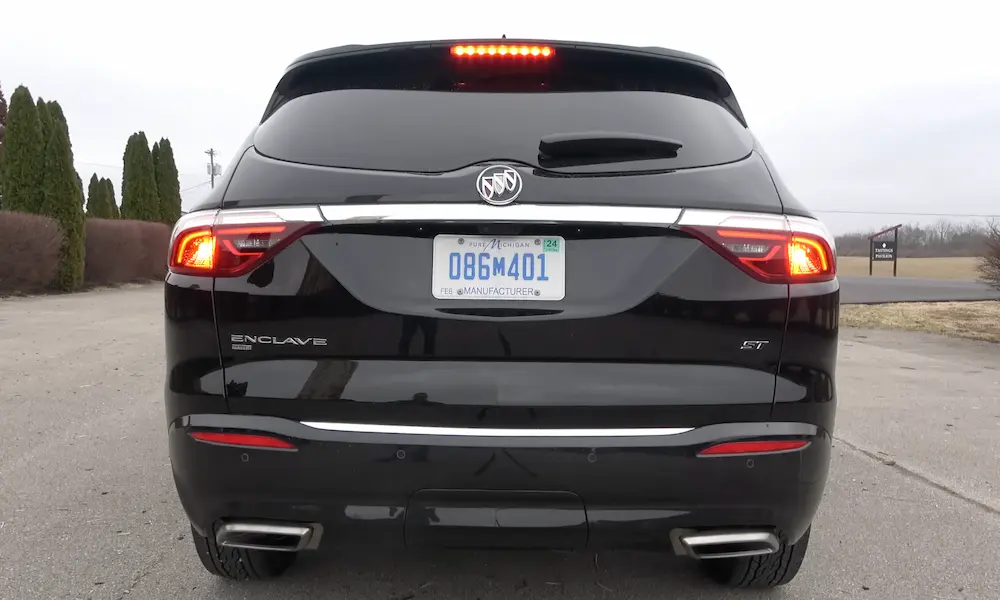
If you’re driving a 2017-2018 Buick Encore and noticed your engine light glowing, you might be dealing with a widespread turbo problem. GM issued a major recall covering over 333,000 vehicles, and there’s a good chance your repair costs are covered.
What’s the Big Deal with This Recall?
GM Special Coverage N232395330 Breakdown
In February 2024, General Motors dropped some serious news. They issued Special Coverage N232395330 for the Buick Encore turbo recall, covering a whopping 333,609 vehicles across their lineup. This isn’t your typical small-scale fix – it’s one of the biggest turbo-related recalls in recent history.
The coverage targets 2017-2018 Buick Encore models with the 1.4L turbocharged engine. You know, that peppy little motor that’s supposed to give you 138 horsepower and decent fuel economy. Same engine that’s in the Chevy Sonic and Trax from those years too.
Here’s the kicker: GM is covering these repairs for 10 years or 120,000 miles from when your car first hit the road. That’s way longer than most warranties, which tells you how serious this problem really is.
Why These Turbos Keep Failing
The root cause comes down to manufacturing defects in the turbocharger itself. GM’s engineers found that these units can fail during normal driving – not because you’ve been redlining it or skipping oil changes. The turbo just gives up, usually somewhere between 50,000 and 100,000 miles.
When your turbo dies, your 1.4L engine basically turns into a weak naturally aspirated motor. You’ll lose about 30% of your power, which explains why owners complain about struggling on highway onramps and feeling like they’re driving with the parking brake on.
Spotting the Warning Signs
Check Engine Light and Diagnostic Codes
The most obvious red flag is your Check Engine Light lighting up like a Christmas tree. When you get it scanned, you’ll typically see code P0299, which means “Turbocharger/Supercharger A Underboost Condition.” Basically, your car’s computer is saying “Hey, the turbo isn’t doing its job.”
Other codes you might see include P0234 (overboost) or P0245 (wastegate issues). Don’t ignore these – they’re your car’s way of screaming for help before things get worse.
Performance Problems You’ll Actually Notice
Beyond the warning light, you’ll feel the difference when driving. Your Encore will struggle on hills that used to be no problem. Merging onto highways becomes a white-knuckle experience because your car just won’t accelerate like it should.
Many owners report their engines running rough at idle, making weird whistling noises from the engine bay, or producing excessive exhaust smoke. Some describe a “whooshing” sound that suddenly stops – that’s often the turbo giving up completely.
The engine might also feel sluggish from cold starts or take forever to warm up properly. These aren’t subtle changes – you’ll definitely notice something’s wrong.
The Repair Process Explained
What Parts Actually Get Replaced
This isn’t a simple turbo swap. GM requires dealers to replace a ton of components to prevent future failures. The main part is obviously the turbocharger assembly (GM Part Number 25201063), but that’s just the beginning.
You’re also getting new turbo oil feed pipe seals, coolant feed hose seals, exhaust pipe clamps, catalytic converter gaskets, turbo oil return pipe gaskets, exhaust manifold gaskets and nuts, and even right side engine mount bolts. It’s basically a complete turbo system rebuild.
| Component Type | Parts Replaced | Reason |
|---|---|---|
| Primary | Turbocharger Assembly | Main failed component |
| Sealing | Oil feed seals, coolant seals | Prevent leaks |
| Exhaust | Manifold gaskets, cat converter seals | Maintain proper backpressure |
| Mounting | Engine mount bolts | Secure new turbo properly |
How Long This Repair Takes
Plan to be without your car for a bit. Buick Encore repairs require 3.1 hours of labor time according to GM’s official bulletin. That’s just the hands-on work – it doesn’t include diagnosis time or waiting for parts.
Smart dealers will order parts only when your car comes in, since GM specifically told them not to keep these parts on the shelf. Limited initial availability means you might wait a few days or even weeks for parts to arrive.
Some owners report the actual repair taking longer if the dealer finds additional problems during teardown. Turbo failures can sometimes damage other components, especially if you kept driving after noticing symptoms.
Your Rights and Getting Money Back
Free Replacement Coverage Rules
If your Buick Encore turbo fails and you’re within that 10-year/120,000-mile window, the repair is completely free. Doesn’t matter if you’re the original owner or bought it used. Doesn’t matter if you’re at 119,000 miles – you’re covered.
The coverage started February 14, 2024, and applies to the specific turbo condition described in GM’s bulletin. Key word here is “specific” – if your engine has other problems, those aren’t covered under this program.
Getting Reimbursed for Past Repairs
Already paid for a turbo replacement? You might get your money back. GM will reimburse “reasonable and customary expenses” for repairs done before the special coverage kicked in.
The deadline for reimbursement claims is March 31, 2025, so don’t wait around. You’ll need to submit a completed form with all your repair documentation to either your dealer or mail it directly to:
GM Reimbursement Department
PO Box 33170
Detroit, MI 48232-5170
Pro tip: Work with your dealer first. They can expedite the process and help ensure your paperwork is complete.
Other Buick Encore Recalls You Should Know About
2024 Model Year Engine Problems
The turbo issues aren’t the only recall news for Encore owners. GM issued Emission Recall A242435780 for certain 2024 Buick Encore GX vehicles with the 1.2L engine.
This one’s about engine control module software that doesn’t properly handle ignition timing after Auto Stop/Start events. Your engine might knock or run rough, and continued driving could cause serious engine damage. The fix is a simple software update, but don’t ignore it.
Instrument Panel Going Dark
Another 2024 recall (23V744000) covers the Virtual Cockpit Unit software causing your instrument panel to go completely blank while driving. Imagine not seeing your speedometer, fuel gauge, or warning lights while cruising down the highway.
The good news is this one can be fixed with an over-the-air update in many cases. If your car supports OTA updates, you might not even need to visit the dealer.
Long-Term Reliability Reality Check
Why These Turbos Keep Breaking
Here’s the uncomfortable truth: even after replacement, these turbos often fail again. Many Buick Encore owners report going through two or three turbos over their car’s lifetime. The pattern suggests the underlying design issues haven’t been fully resolved.
Consumer reports show turbo problems extending beyond the officially covered 2017-2018 years. Owners of 2015-2016 and 2019-2020 models report similar failures, though they’re not covered under this special program.
| Model Years | Common Issues | Coverage Status |
|---|---|---|
| 2015-2016 | Turbo failure, P0299 codes | No special coverage |
| 2017-2018 | Turbo failure, underboost | Full coverage through 2024 recall |
| 2019-2020 | Similar turbo issues | Limited warranty coverage |
Protecting Your Investment
If you’re keeping your Encore, consider more frequent oil changes than the car’s monitoring system suggests. Turbos are incredibly sensitive to oil quality, and the high-speed operation means dirty oil kills them fast.
Some mechanics recommend replacing the turbo oil feed line every 30,000-50,000 miles as preventive maintenance. These lines can get clogged, starving the turbo of lubrication and causing failure.
Don’t ignore warning signs either. The sooner you address turbo problems, the less likely you are to damage other engine components.
How to Check if Your Car is Affected
Official GM Resources
The easiest way to check your vehicle’s status is visiting my.gm.com/recalls and entering your 17-digit VIN. This official GM site gives you the most current recall information for your specific car.
You can also call Buick Customer Service at 1-800-521-7300. They’ll look up your VIN, tell you about open recalls, and help schedule repairs. The customer service folks can also walk you through the reimbursement process if you already paid for turbo work.
Double-Check with NHTSA
For independent verification, check the NHTSA recalls database. This government resource lets you search by VIN, make, model, and year. It’s good to cross-reference since sometimes there’s a delay between when manufacturers issue recalls and when government databases update.
The NHTSA site also includes detailed information about recall consequences and repair procedures, giving you the full picture of what’s involved.
What This Means for Encore Owners
Current Owner Strategy
If you own a 2017-2018 Buick Encore, get your VIN checked immediately. Even if you haven’t noticed symptoms yet, knowing your coverage status helps you plan ahead. These turbo failures are basically inevitable – it’s a question of when, not if.
Keep detailed records of any engine-related repairs or symptoms you’ve noticed. If your car is still under the special coverage when problems develop, you’ll want documentation of when issues started.
Buying Considerations
Shopping for a used Buick Encore? The 2017-2018 models might actually be safer bets now that the recall exists. At least you know any turbo problems are covered for 10 years/120,000 miles.
Avoid 2015-2016 and 2019-2020 models unless you can verify the turbo has been recently replaced and you’re comfortable with potential future repair costs. A turbo replacement typically runs $3,000-5,000 if you’re paying out of pocket.
The Buick Encore turbo recall represents GM’s acknowledgment that they sold hundreds of thousands of vehicles with a fundamental flaw. While the special coverage provides excellent protection for affected owners, the widespread nature of these failures should give potential buyers pause.
If you’re already driving one of these vehicles, stay on top of maintenance, watch for warning signs, and don’t hesitate to use your recall coverage when problems develop. The 10-year/120,000-mile protection is unusually generous, suggesting even GM knows these repairs might be needed multiple times.
For anyone considering a Buick Encore purchase, factor potential turbo replacement costs into your decision. While the 2017-2018 models have excellent recall coverage, other model years leave you potentially facing expensive repairs down the road.