That dreaded “Engine Fault Service Now” message on your Ford Escape’s dashboard can make your heart sink. Whether you’re commuting to work or on a road trip, this warning demands attention. But don’t panic just yet. This warning can signal anything from a simple battery issue to something more serious—and knowing what to do can save you thousands in unnecessary repairs.
What Does “Engine Fault Service Now” Mean on a Ford Escape?
When your Ford Escape displays the “Engine Fault Service Now” message, it’s your vehicle’s way of telling you something’s wrong with the engine or related systems. This warning typically indicates that the Engine Control Module (ECM) has detected an abnormality that requires attention.
This alert may appear alongside other symptoms like:
- Reduced acceleration power
- Rough idling
- Engine stuttering or misfiring
- The vehicle entering “limp mode” (severely limited speed and power)
First Steps When You See the Warning Light
If you see the “Engine Fault Service Now” message while driving, don’t ignore it. Here’s what to do immediately:
- Pull over safely when traffic conditions allow
- Check for obvious signs of trouble like overheating, strange noises, or smoke
- Check your battery voltage if you have a multimeter (readings below 12.4V often trigger this warning)
- Restart your vehicle to see if the message clears (sometimes it’s just a temporary glitch)
If the warning light is flashing rather than steady, this indicates a severe problem that could damage your catalytic converter. In this case, minimize driving and get to a service center as soon as possible.
Most Common Causes of Engine Fault Warnings in Ford Escapes
1. Battery and Electrical System Issues
Surprisingly, the most frequent cause of the “Engine Fault Service Now” message is simply battery problems. Ford Escapes are particularly sensitive to voltage fluctuations.
Even a relatively new battery that drops below 12.4V can cause the ECM to generate multiple error codes across different vehicle systems. This happens because the computer modules need consistent voltage to function properly.
Signs of electrical system problems:
- Warning message appears intermittently
- Multiple dashboard warnings light up simultaneously
- Difficulty starting the vehicle
- Dimming headlights
Quick battery check: Use a multimeter to test voltage between the positive terminal and ground. You should see:
- 12.6V or higher when the engine is off
- 14.1-14.7V when the engine is running
If your readings fall below these values, your battery or charging system likely needs attention.
2. Throttle Body Failures
Electronic throttle body failures are extremely common in 2013-2019 Ford Escapes and frequently trigger the engine fault message. The throttle body controls airflow to your engine, and when it malfunctions, your vehicle often enters “limp mode” as a protective measure.
Symptoms of throttle body failure:
- Unresponsive acceleration
- Surging or stalling engine
- Difficulty starting
- Error codes P2106, P2107, P2110, P2112, or P2135
Throttle body replacement typically costs $280-500 including parts and labor. While not the cheapest repair, it’s far less expensive than some other potential causes.
3. Coolant Intrusion Problems
This is the most serious cause of engine fault messages, particularly affecting 2013-2019 Ford Escapes with 1.5L and 2.0L EcoBoost engines. Manufacturing defects in some engine blocks allow coolant to leak into the combustion chambers.
Warning signs of coolant intrusion:
- Unexplained coolant loss without visible external leaks
- White smoke from the exhaust
- Engine misfires during cold starts
- Misfire codes (P0316, P0302, P0303)
This issue can lead to complete engine failure requiring block replacement at costs ranging from $4,000-8,000. Ford has acknowledged this problem through Technical Service Bulletin 22-2229, and affected owners should report the issue to NHTSA at 1-888-327-4236 to potentially trigger a recall.
Diagnostic Steps to Identify the Problem
Getting OBD Codes
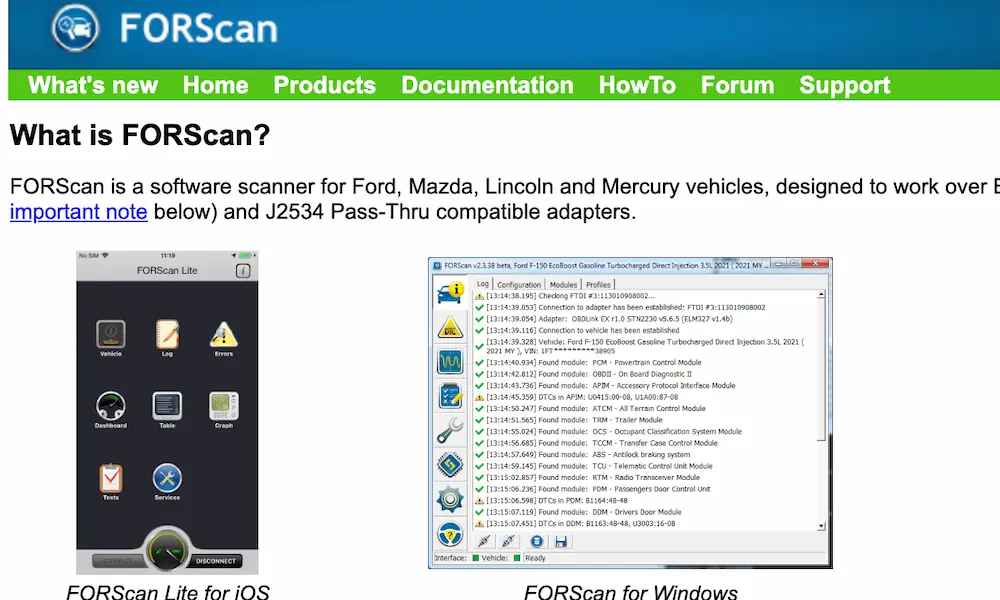
The most efficient way to diagnose the specific cause is to retrieve the error codes stored in your vehicle’s computer. You can:
- Use an OBD scanner tool (available at auto parts stores for $20-100)
- Visit an auto parts store for free code scanning (most major chains offer this service)
- Use the FordPass app with compatible vehicles to view some diagnostic information
Remember that sometimes the “Engine Fault Service Now” message appears without storing any retrievable codes, making diagnosis more challenging.
Common Ford Escape Error Codes
Here are the most frequent codes associated with the engine fault warning:
| Error Code | Description | Common Cause |
|---|---|---|
| P2106-P2112 | Throttle actuator control issues | Throttle body failure |
| P0316, P0302, P0303 | Cylinder misfire | Coolant intrusion, spark plug issues |
| P0171, P0174 | System too lean | Vacuum leaks, fuel delivery problems |
| P0456, P0457 | Evaporative emission system leak | Loose gas cap, EVAP system failure |
Testing the Charging System
Since battery issues are so common, checking your charging system is essential:
- Test alternator output – Should show steady charging voltage between 14.1-14.7V while the engine runs
- Check for parasitic draw – Excessive current consumption when the vehicle is off can drain the battery
- Inspect battery terminals – Corrosion can prevent proper charging
The backup camera system has been identified as a common source of excessive current draw in 2014 Ford Escapes. Removing the backup camera fuse (F29) temporarily can help determine if this is causing battery drain.
DIY Fixes vs. When to See a Mechanic
What You Can Fix Yourself
Some potential fixes are within reach of the average DIYer:
Battery-related issues:
- Cleaning corroded battery terminals
- Replacing an old battery (typically needed every 3-4 years)
- Resetting the Battery Management System (BMS) after replacing a battery
Simple maintenance:
- Tightening a loose gas cap (which can trigger emissions codes)
- Checking and topping off fluid levels
- Inspecting for loose connections or vacuum hoses
When to Call a Professional
Professional service is recommended when:
- Multiple system codes are present simultaneously
- You suspect coolant intrusion (white smoke, unexplained coolant loss)
- Throttle body replacement is needed
- Engine overheating has occurred
- Software updates need installation
Professional technicians have specialized diagnostic equipment and can perform comprehensive testing that’s not possible with consumer-grade tools.
Software Updates and Technical Bulletins
Ford has released several software updates to address engine fault issues, particularly for newer models. PCM software update PCM-25.10.2 specifically targets engine diagnostic optimization to reduce unintentional warnings.
For hybrid models, recall 24S33/24V-330 addresses software problems that can cause forced neutral conditions and limp mode activation. These updates are typically available through Ford dealerships at no charge and can resolve intermittent fault messages.
Preventative Maintenance to Avoid Engine Fault Messages
Regular maintenance can prevent many engine fault occurrences:
- Test your battery every 2-3 years and replace it preventatively before it reaches 4 years old
- Monitor coolant levels regularly and investigate any unexplained loss immediately
- Check for software updates through the FordPass app or during regular service
- Perform annual charging system inspections including alternator output testing
- Replace the throttle body at the first sign of trouble (hesitation, surging) rather than waiting for complete failure
Cost Considerations and Warranty Coverage
Repair costs vary dramatically depending on the underlying cause:
- Battery-related fixes: $100-300
- Throttle body replacement: $280-500 including labor
- Engine block replacement: $4,000-8,000 for coolant intrusion issues
Many Ford Escapes experiencing coolant intrusion problems may still be covered under powertrain warranty, particularly if the vehicle has fewer than 70,000 miles. Owners should document all symptoms and service attempts to support warranty claims.
If your vehicle is out of warranty and experiencing coolant intrusion, it’s worth contacting Ford customer service at 1-800-392-3673, as some owners have received goodwill coverage for this known issue.
The Bottom Line on Ford Escape Engine Fault Warnings
The “Engine Fault Service Now” message requires systematic diagnosis starting with the most common causes: battery voltage, OBD codes, and basic system checks. While some issues can be resolved inexpensively, serious problems like coolant intrusion require professional attention.
Don’t ignore this warning, but don’t panic either. In many cases, the fix is simpler and less expensive than you might fear. Start with the battery and electrical system before assuming the worst, and you might save yourself thousands in unnecessary repairs.
Remember that Ford Escape models from 2013-2019 with EcoBoost engines have known issues with coolant intrusion and throttle bodies, so owners of these vehicles should be particularly vigilant about monitoring for symptoms and addressing them promptly.