You’re driving along when suddenly your engine starts to jerk and sputter. That dreaded check engine light pops on, and your smooth ride turns into a concerning shake. If you’re experiencing these symptoms, you might be dealing with an engine misfire—and a faulty EGR valve could be the culprit behind your troubles.
What Is an EGR Valve and How Does It Work?
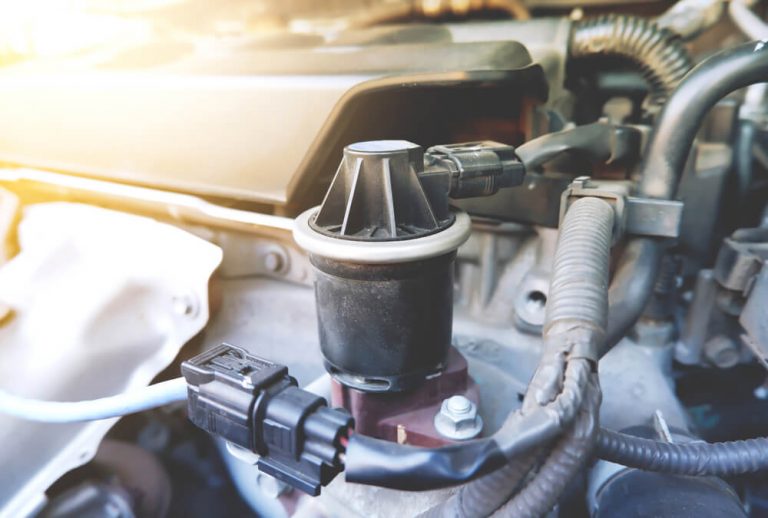
The Exhaust Gas Recirculation (EGR) valve plays a vital role in your vehicle’s emission control system. This small but mighty component is designed to reduce nitrogen oxide (NOx) emissions by redirecting a portion of exhaust gases back into the engine’s intake manifold.
Here’s how it works in simple terms:
- The valve opens at specific times based on your engine’s needs
- It allows exhaust gases to flow back into the combustion chamber
- These inert gases dilute the oxygen content in the chamber
- This reduces combustion temperatures by approximately 150°C
- Lower temperatures prevent the formation of harmful NOx gases
During normal operation, your car’s computer precisely controls the EGR valve based on several factors:
- Engine speed (RPM)
- Engine load
- Temperature
- Throttle position
At idle or low speeds, the valve may open up to 90% to maximize exhaust gas recirculation. But during full acceleration when you need maximum power, the valve closes completely to ensure your engine gets enough oxygen for optimal performance.
How a Bad EGR Valve Leads to Engine Misfires
Yes, a bad EGR valve can absolutely cause engine misfires. The relationship between EGR valve failure and misfires is well-documented, with two primary failure modes affecting combustion in different ways.
When the EGR Valve Gets Stuck Open
When your EGR valve becomes stuck in the open position, it creates a continuous flow of exhaust gases into the intake manifold—even when your engine doesn’t need it. This unwanted gas flow creates several problems that directly lead to misfires:
Oxygen Starvation: The excessive exhaust gases displace fresh air needed for proper combustion, reducing oxygen content available to burn fuel properly.
Unplanned Vacuum Leak: A stuck-open valve essentially creates a vacuum leak, allowing unmetered air into the intake system. This throws off your engine’s carefully calculated air-fuel ratio, causing irregular combustion.
Inconsistent Combustion: With the diluted air-fuel mixture, combustion becomes unstable and irregular. Some of the fuel may not burn completely, resulting in misfires that you’ll notice as:
- Rough idling
- Random jerking or hesitation
- Stalling, especially at stoplights
- Lack of power when accelerating
When the EGR Valve Gets Stuck Closed
The opposite problem occurs when the EGR valve fails to open when it should. This creates a different set of issues that can also trigger misfires:
Overheating Combustion Chamber: Without the cooling effect of recirculated exhaust gases, combustion temperatures soar higher than designed. These elevated temperatures can lead to pre-ignition or detonation, where the fuel-air mixture ignites before the spark plug fires.
Engine Knock and Pre-Ignition: The abnormally high temperatures create knock or ping sounds—essentially small explosions occurring at the wrong time in the combustion cycle. While not always an immediate misfire, this condition often leads to misfires under certain driving conditions and can cause serious engine damage if ignored.
Carbon Buildup: The Silent Killer of EGR Valves
The most common cause of EGR valve failure isn’t a manufacturing defect—it’s carbon buildup. Over time, exhaust gases leave carbon deposits on the valve seat and passages, eventually preventing proper operation.
This gradual accumulation of carbon creates particularly frustrating symptoms because it often causes intermittent failures. Your valve might work correctly sometimes and malfunction at other times, making diagnosis challenging. You might experience:
- Misfires that come and go
- Rough idle that improves at higher speeds
- Random check engine light appearances
- Performance issues that seem to resolve themselves temporarily
Carbon-clogged EGR valves are especially problematic in vehicles that make primarily short trips or spend a lot of time idling, as these conditions accelerate carbon accumulation.
Warning Signs: How to Tell If Your EGR Valve Is Causing Misfires
Diagnosing an EGR-related misfire requires attention to specific symptoms. Here are the key indicators that your EGR valve might be the source of your engine’s misfiring:
Check Engine Light and Diagnostic Codes
The most reliable indicator is your check engine light accompanied by specific diagnostic trouble codes (DTCs). Common codes that point to EGR-related misfires include:
| Code | Description | Possible EGR Connection |
|---|---|---|
| P0300 | Random/Multiple Cylinder Misfire | Often appears with EGR issues due to uneven combustion |
| P0400 | EGR Flow Malfunction | Direct indicator of EGR system problems |
| P0401 | Insufficient EGR Flow | Suggests valve stuck closed or passages blocked |
| P0402 | Excessive EGR Flow | Indicates valve stuck open or control issues |
Engine Performance Changes
Your vehicle will show several telltale performance symptoms when an EGR valve causes misfires:
- Rough idle that improves with RPM: A hallmark of EGR issues is rough idling that tends to smooth out once you accelerate.
- Stalling in traffic: Particularly common with stuck-open valves.
- Hesitation during acceleration: The engine may stumble or jerk when you press the gas.
- Reduced power and poor throttle response: You’ll notice your vehicle feels sluggish.
- Increased fuel consumption: Misfires waste fuel, so you’ll make more frequent trips to the gas station.
Sensory Symptoms
You might also notice these sensory clues:
- Knocking or pinging sounds: Especially noticeable during acceleration or under load.
- Excessive engine vibration: More pronounced than normal, particularly at idle.
- Strong fuel odor: Unburned fuel exits through the exhaust, creating a noticeable smell.
- Black exhaust smoke: Indicates incomplete combustion from improper air-fuel mixture.
Diagnosing EGR-Related Misfires
Before replacing parts, it’s important to confirm that your EGR valve is actually causing the misfire. Here’s a systematic approach to proper diagnosis:
1. Code Reading and Analysis
Start with an OBD-II scanner to retrieve diagnostic trouble codes. The combination of misfire codes (P0300 series) alongside EGR codes strongly suggests a connection. Pay special attention to the “freeze frame” data, which shows engine conditions when the code was set.
2. Visual Inspection
A thorough visual check can reveal obvious issues:
- Examine the EGR valve for damage or leaks
- Check vacuum hoses for cracks or disconnection
- Look for carbon buildup around the valve
- Verify electrical connections are secure (for electronic EGR valves)
3. Vacuum Testing
For vacuum-operated EGR valves, use a hand pump vacuum tester to verify operation:
- Connect the vacuum pump to the EGR valve
- Apply vacuum (around 15-20 in/Hg)
- The valve should open and hold vacuum
- If it leaks down quickly or doesn’t move, it’s failing
4. Functional Testing
With the engine running at idle, you can perform a simple functional test:
- Manually apply vacuum to the EGR valve
- The engine should run rough, hesitate, or stall when vacuum is applied
- If the engine continues running normally, the valve may be stuck or clogged
5. Flow Testing
For more precise diagnosis, advanced shops use specialized equipment to measure actual EGR flow rates compared to commanded values. Significant deviations indicate valve or system problems.
The EGR Valve Misfire vs. Other Types of Misfires
Understanding how EGR-related misfires differ from other types helps pinpoint the cause. Here’s a helpful comparison:
| Characteristic | EGR-Related Misfire | Ignition System Misfire | Fuel System Misfire |
|---|---|---|---|
| When it occurs | Worse at idle, improves with RPM | Often consistent across RPM range | May worsen under load |
| Cylinder pattern | Usually affects multiple cylinders | Often specific to one cylinder | Can be random or specific |
| Associated symptoms | Poor idle, stalling, better when warm | Consistent miss, spark plug fouling | Hesitation, hard starting |
| Check engine codes | EGR codes + misfire codes | Misfire codes only | Fuel system + misfire codes |
EGR-related misfires typically worsen at idle and improve under load—the opposite pattern of many ignition-related misfires. This distinctive pattern helps experienced technicians identify the culprit.
Fixing EGR Valve Issues That Cause Misfires
Once you’ve confirmed the EGR valve is causing your misfire, there are several potential solutions:
Cleaning the EGR Valve
Many EGR problems stem from carbon buildup and can be resolved through thorough cleaning:
- Remove the EGR valve from the engine
- Spray EGR cleaner or carburetor cleaner on the valve and passages
- Use a wire brush or pick to gently remove stubborn deposits
- Clean both the valve body and intake passages
- Ensure all ports and passages are clear before reinstallation
Proper cleaning is often effective for moderately clogged valves and can save you the cost of replacement.
Replacement
For valves with mechanical damage or electronic failure, replacement is necessary:
- Purchase the correct EGR valve for your specific vehicle
- Remove the old valve, noting all connections
- Install the new valve with a new gasket to prevent leaks
- Reconnect all vacuum lines and electrical connectors
- Clear any stored codes with an OBD-II scanner
- Perform a test drive to verify the fix
System Component Repair
Sometimes the EGR valve itself isn’t the problem, but related components are causing improper operation:
- Damaged vacuum hoses can prevent proper valve actuation
- Faulty position sensors may send incorrect data to the ECU
- Clogged EGR coolers restrict flow
- Failed EGR solenoids prevent proper control
Inspect and repair these components before condemning the EGR valve itself.
Preventing Future EGR Valve Problems
To avoid repeat EGR valve issues and misfires, consider these preventive measures:
Regular Maintenance: Follow your vehicle’s maintenance schedule and consider periodic EGR cleaning as part of routine service on high-mileage vehicles.
Quality Fuel: Using top-tier fuels with proper detergents helps reduce carbon buildup throughout the engine, including the EGR system.
Driving Habits: Short trips and excessive idling accelerate carbon buildup. When possible, take your vehicle on occasional highway drives to reach full operating temperature and help clear deposits.
Early Intervention: Address check engine lights promptly, as early detection of EGR issues can mean the difference between a simple cleaning and a complete replacement.
The Impact of EGR-Related Misfires on Your Vehicle
Ignoring EGR valve problems that cause misfires can lead to serious consequences beyond poor performance:
Catalytic Converter Damage: Continuous misfires send unburned fuel into the exhaust system, potentially overheating and damaging expensive catalytic converters.
Increased Emissions: A failing EGR system defeats its primary purpose—reducing emissions. Your vehicle may produce excessive NOx gases and potentially fail emissions testing.
Reduced Fuel Economy: Misfires waste fuel, reducing your MPG significantly. Many drivers report 10-20% drops in fuel efficiency with EGR-related misfires.
Progressive Engine Damage: Left untreated, the irregular combustion caused by EGR issues can lead to more serious engine problems, including valve and piston damage.
When the EGR System Design Matters
Vehicle manufacturers implement EGR systems differently, affecting how failures manifest:
Diesel vs. Gasoline Engines: Diesel engines rely more heavily on EGR systems for emissions control and often have more complex designs with EGR coolers. Issues in diesel EGR systems typically cause more pronounced drivability problems.
Electronic vs. Vacuum Control: Newer vehicles use electronically controlled EGR valves with position sensors, while older models use vacuum-operated valves. Electronic systems provide more precise control but add complexity to diagnosis.
Direct vs. Indirect Injection: Modern direct injection engines are particularly sensitive to proper EGR function, as they already run with precisely calculated air-fuel mixtures. EGR failures in these engines often cause more noticeable misfires.
Yes, a bad EGR valve can definitely cause engine misfires through multiple mechanisms. The most common scenarios involve valves stuck open (creating lean mixtures) or valves stuck closed (causing combustion knock). The problem is particularly troublesome because it affects the fundamental combustion process, leading to rough idle, stalling, and reduced engine performance.
By understanding the symptoms and performing proper diagnosis, you can determine if your EGR valve is the source of your misfire issues. In many cases, a simple cleaning or replacement will restore proper engine operation and prevent more extensive damage down the road.