Your clutch pedal just dropped to the floor, and now you can’t shift gears. Sound familiar? A failing clutch master cylinder is probably to blame. Let’s break down what you need to know about clutch master cylinder replacement—from spotting the warning signs to understanding what you’ll pay for the fix.
What Does a Clutch Master Cylinder Actually Do?
Think of your clutch master cylinder as the messenger between your foot and your transmission. When you press the clutch pedal, this small hydraulic pump converts that mechanical push into fluid pressure. That pressure travels through lines to the slave cylinder, which disengages your clutch so you can change gears.
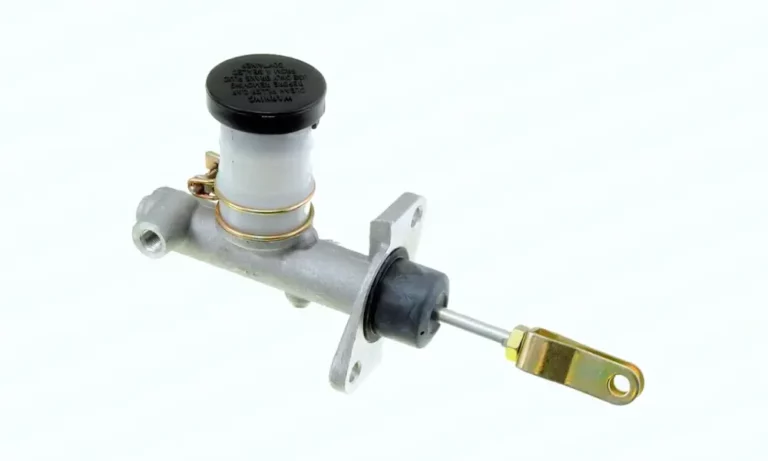
The cylinder itself is pretty straightforward—a metal body with a piston inside, rubber seals to keep fluid from leaking, and a reservoir for brake fluid. Most cylinders measure between 0.625 and 0.875 inches in diameter. Those rubber seals are the weak point—they’re made from EPDM rubber that eventually wears out.
Here’s the thing: when it works, you don’t even notice it. When it fails, your car becomes nearly impossible to drive.
How to Tell If Your Master Cylinder Is Going Bad
Your Pedal Feels Weird
The most obvious sign is a clutch pedal that feels spongy, soft, or just sinks straight to the floor. This happens when internal seals fail and brake fluid bypasses the piston instead of creating pressure.
On the flip side, a rock-hard pedal that won’t budge can mean the internal seals have swollen or the compensating ports are blocked. Either way, something’s wrong inside that cylinder.
Shifting Becomes a Nightmare
Can’t get into first gear from a stop? Hear grinding when you try to engage reverse? That’s your clutch not fully disengaging. Without proper hydraulic pressure from the master cylinder, the clutch stays partially engaged even when you’re standing on the pedal.
Difficult gear changes and grinding noises during shifts are red flags that shouldn’t be ignored.
Fluid Problems Tell the Story
Check your brake fluid reservoir (yes, clutch systems use brake fluid). If the level’s dropping, the fluid looks dark or dirty, or you spot wetness around the master cylinder mounting area, you’ve got seal problems.
External leaks usually show up at the pushrod seal behind the pedal. Internal leaks are sneakier—the fluid just circulates back to the reservoir without visible drips.
What Makes Master Cylinders Fail?
Time is the biggest enemy. Brake fluid absorbs moisture from the air over time, which corrodes internal components and degrades those rubber seals. Contaminated fluid looks dark or cloudy instead of clear amber.
Most master cylinders will give you 15-20 years of service if you’re using quality OEM parts. Budget aftermarket units might tap out after just 3-4 years.
Master vs. Slave Cylinder: Spot the Difference
Here’s how to tell which one’s actually failing: slave cylinder leaks create visible puddles with no alternative escape route. Master cylinder failures often leak internally, so you won’t see fluid but you’ll feel that spongy pedal.
Problems with pedal feel? Likely the master. Complete loss of clutch function with visible leaks? Probably the slave.
Getting Ready for Clutch Master Cylinder Replacement
Safety First
Brake fluid is nasty stuff. It’ll strip paint off your car and irritate your skin. Work in a well-ventilated area, wear chemical-resistant gloves, and keep safety glasses on. Have absorbent materials and drip pans ready—you’re going to spill some fluid.
Tools You’ll Need
Grab your metric socket set (10mm, 12mm, and 13mm are most common), flare nut wrenches for the hydraulic lines, and bleeding equipment. A vacuum pump or pressure bleeder makes life easier, but you can manage with a helper and clear tubing.
Some cars need specialty tools for pedal assembly access or hydraulic line disconnects. European vehicles especially like to make you work for it.
The Right Fluid Matters
Most systems want DOT 3 or DOT 4 brake fluid. DOT 4 handles heat better with a dry boiling point of 446°F versus DOT 3’s 401°F.
Never use DOT 5. It’s silicone-based and completely incompatible with conventional hydraulic systems. You’ll ruin everything.
The Replacement Process Explained
Getting the Old One Out
Start by draining fluid at the slave cylinder bleeder valve to minimize mess. Disconnect the pushrod from the clutch pedal carefully—those pivot mechanisms damage easily. Use flare nut wrenches on hydraulic line connections to avoid rounding off the fittings.
Remove the mounting bolts (usually just two or three) and the old cylinder comes out. On some vehicles, you’ll need to remove the driver’s seat for better access to the pedal assembly. Thanks, automotive engineers.
Bench Bleeding Saves Headaches
Don’t skip this step. New master cylinders arrive full of air, and getting that air out after installation is brutal. Connect a clear tube from the outlet port back into the reservoir, fill it with brake fluid, and slowly work the piston. Keep that tube submerged and continue until you see zero bubbles.
This bench bleeding procedure removes internal air before you even touch the car, making final bleeding much faster.
Installation and Final Bleeding
Mount the new cylinder using proper torque specs—typically 13-15 ft-lbs for mounting bolts. Don’t overtighten. Connect the hydraulic lines with flare nut wrenches, again watching your torque at 12-15 ft-lbs.
System bleeding requires patience. Use the pump-and-hold method: have a helper pump the pedal three times and hold it down, crack the bleeder valve until fluid stops flowing, close it, and repeat. Keep that reservoir topped off throughout the process.
What You’ll Pay for This Repair
Professional clutch master cylinder replacement typically costs between $300 and $1,000. Parts run $40-$150 for aftermarket units or over $200 for OEM components. Labor averages 1-3 hours for straightforward jobs but can hit 8+ hours if you’re replacing both master and slave cylinders.
| Component Type | Price Range | Expected Lifespan |
|---|---|---|
| Budget Aftermarket | $40-$75 | 3-4 years |
| Quality Aftermarket | $75-$150 | 8-12 years |
| OEM Parts | $150-$250+ | 15-20 years |
Quality vs. Price
OEM or Original Equipment parts generally last longest. Reputable aftermarket brands include LUK, Sachs, Exedy, and Valeo—many of these actually supply OEM manufacturers. Avoid rock-bottom prices. That $35 master cylinder will fail right when you need reliability most.
Should You Replace Both Cylinders?
Many mechanics recommend replacing master and slave cylinders together. When one fails, both have experienced similar wear and fluid contamination. Doing them simultaneously avoids paying labor costs twice when the second one inevitably fails six months later.
Vehicle-Specific Challenges
Some cars make this job harder than others. Ford vehicles often use concentric slave cylinders that require different bleeding procedures and specialized tools. European cars might integrate clutch and brake reservoirs, complicating fluid isolation.
Seat removal for pedal access isn’t uncommon. Budget extra time if you’re working on anything with tight engine bay packaging or complex pedal assemblies.
Keeping Your System Healthy
Change Your Fluid
Here’s something most people don’t know: clutch fluid should be changed every 24-36 months. Manufacturers don’t advertise this because it’s the same system as your brakes, but regular fluid service dramatically extends component life.
Fresh fluid prevents moisture buildup, internal corrosion, and seal degradation. It’s cheap insurance against expensive failures.
Watch for Warning Signs
Your clutch system doesn’t have warning lights like your brakes. You need to pay attention to changes in pedal feel, shifting difficulty, or visible fluid leaks. Early intervention stops minor issues before they leave you stranded.
Check your reservoir monthly. Fluid should be clear amber, not dark or cloudy. Level should stay consistent—if it’s dropping, you’ve got a leak somewhere.
Quality Parts Matter
When replacement time comes, stick with quality brands. Nissin, LUK, and Sachs are common OEM suppliers whose aftermarket parts maintain original quality standards.
Rebuild kits exist, but complete replacement is usually smarter. The cost difference between a quality rebuild kit and a new cylinder is minimal, and you’re guaranteed fresh cylinder bores and seals.
Critical Torque and Installation Details
Getting torque specs right matters for safety and longevity. Master cylinder mounting bolts need 13-15 ft-lbs. Hydraulic line fittings want 12-15 ft-lbs—no more. Over-tightening damages threads and fittings.
Use light engine oil on threads unless the manufacturer specifies otherwise. Blue Loctite is common for mounting bolts to prevent loosening from vibration.
System Flushing vs. Simple Bleeding
If your old fluid looks nasty, complete system flushing beats simple bleeding. Reverse bleeding from slave to master removes contaminated fluid more thoroughly. Professional flushing equipment makes this easier, but you can manage with patience and clear tubing.
DIY or Professional?
This job sits in the moderate difficulty range. If you’ve bled brakes before, have proper tools, and can follow systematic procedures, you can handle clutch master cylinder replacement. The critical part is thorough bleeding—air in the system means a non-functional clutch.
That said, the consequences of mistakes are significant. An improperly bled clutch system can leave you unable to shift gears or disengage the clutch, creating dangerous driving conditions.
If you’re not confident in your hydraulic system knowledge or don’t have proper bleeding equipment, professional installation makes sense. The difference between DIY parts cost and professional service might be $200-300 in labor, but you get guaranteed proper installation and bleeding.
Long-Term Reliability Strategies
Want your replacement to last? Use OEM or premium aftermarket parts, change fluid every 2-3 years, and address symptoms immediately when they appear. A $150 master cylinder that lasts 15 years beats a $40 unit that fails in 4 years.
Keep your reservoir filled to the proper level. Never let it run dry, which introduces air and damages seals. Use only the specified brake fluid type—mixing DOT types or using the wrong fluid causes seal swelling and system failure.
Store spare brake fluid in sealed containers away from moisture. Once opened, brake fluid absorbs humidity from the air and degrades. Don’t use fluid that’s been sitting open for months.
When You Can’t Ignore It Anymore
A failing clutch master cylinder doesn’t get better on its own. That slightly spongy pedal becomes a pedal on the floor. Those occasional shifting difficulties become an inability to change gears at all.
The good news? This repair is straightforward with the right knowledge and tools. Whether you tackle it yourself or hire a professional, understanding the process helps you make informed decisions about parts quality, fair pricing, and necessary maintenance.
Your manual transmission depends on that small hydraulic cylinder. Treat it right with quality parts and regular fluid changes, and it’ll give you years of trouble-free service. Ignore the warning signs, and you’ll be calling a tow truck instead of driving home.