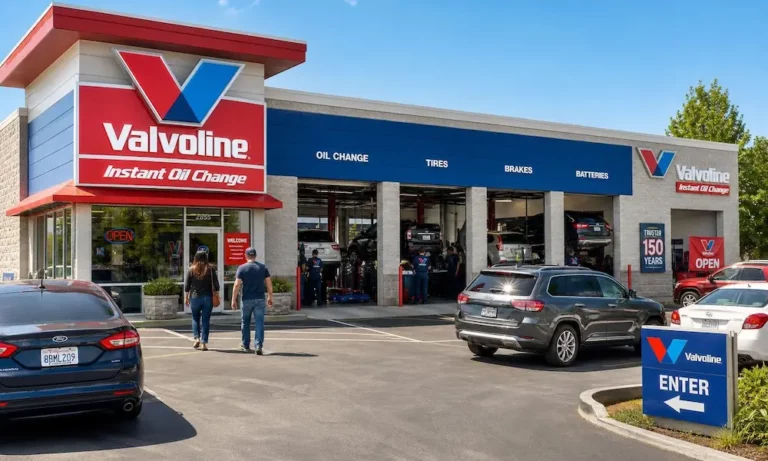
Your registration renewal is coming up, and you’re wondering if Valvoline can handle your state inspection too. Good news — many locations can. But there’s a catch: not every Valvoline does inspections, and what’s available depends heavily on where you live. Read to the end so you don’t waste a trip.
Does Valvoline Do State Inspections?
Yes, many Valvoline Instant Oil Change locations perform state-mandated vehicle inspections. But “many” isn’t “all.” Each location needs a specific state license, certified inspectors on staff, and the right diagnostic equipment to connect with state databases.
So before you drive over, check whether your nearest Valvoline location offers inspection services. A quick call or search on their site saves you a wasted trip.
Here’s why availability varies:
- State governments license individual inspection stations — not chains as a whole
- Each certified inspector must pass a state-administered exam
- Some states require specific diagnostic equipment that not every location carries
Valvoline’s 18-Point Check vs. a State Inspection — They’re Not the Same Thing
This trips up a lot of drivers. Valvoline runs an 18-point maintenance check on every vehicle that comes in. It’s useful. It’s thorough. But it’s not a state inspection.
Here’s how they actually differ:
| Feature | 18-Point Maintenance Check | Official State Inspection |
|---|---|---|
| Purpose | Vehicle health & longevity | Legal compliance & public safety |
| Required by law? | No — it’s voluntary | Yes — tied to registration renewal |
| Documentation | Service invoice, maintenance sticker | Official sticker, electronic state record |
| What it checks | Fluids, filters, battery, tire pressure | Brakes, steering, lights, emissions, structure |
| Typical wait time | ~15 minutes | 15–30 minutes |
| Who sets the price | Valvoline | Your state government |
The 18-point check actually works well before your official inspection. If a technician spots a burnt-out bulb or a wiper issue during that check, you can fix it on the spot — before it causes an official fail.
What Does a Valvoline State Inspection Actually Cover?
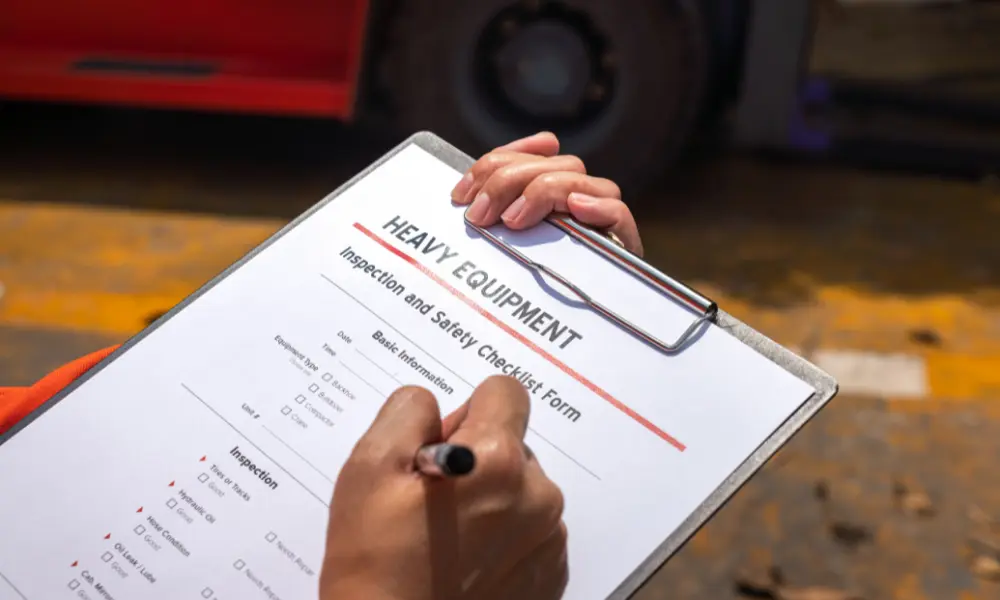
When a Valvoline location performs a state inspection, technicians follow a state-mandated checklist — not a corporate one. Here’s what that typically includes:
Interior and Lighting
Technicians start inside the cabin. They test:
- Horn functionality
- Windshield wipers and washer fluid
- Warning lights on the instrument cluster (a lit Check Engine light is an automatic emissions fail in most states)
- Headlights on both low and high beam
- Turn signals, hazard flashers, brake lights, and the license plate light
Brakes and Steering
Brake inspections cover pad thickness, brake fluid lines, and signs of hydraulic leaks near the wheel assemblies. Steering gets checked for “lash” — that’s the amount of free play in the wheel before the tires actually respond. Too much lash means worn components and a fail.
Suspension and Tires
Shocks, struts, and springs are checked to make sure they can support the vehicle properly. Tires need to meet minimum tread depth at multiple points across the surface. Any bulging, exposed cords, or signs of internal failure? That’s an automatic fail.
Structural components like bumpers, fenders, and the frame itself get checked for severe corrosion too — especially important in northeastern states where road salt does real damage.
State-by-State: What Valvoline Inspections Look Like Near You
Inspection rules change the moment you cross a state line. Here’s a breakdown of how Valvoline operates in key states:
New York
New York requires an annual safety inspection plus an emissions test for all registered vehicles. Vehicles built after 1996 go through an OBD-II (On-Board Diagnostics) emissions scan. Valvoline locations in cities like Syracuse and Queensbury operate as fully licensed NYS inspection stations.
Fees are state-regulated and tiered by vehicle age and weight. For most passenger cars, the combined safety and emissions test maxes out at $37.
North Carolina
North Carolina ties inspections to your registration renewal date. Vehicles under three years old or with fewer than 70,000 miles often only need a safety check at $13.60. Older vehicles add an emissions test, bringing the total to $30.
One unique detail: North Carolina requires technicians to test aftermarket window tint with a calibrated light meter. Tint darker than 32% fails. That test adds a $10 fee on top of the standard rate.
Massachusetts
Massachusetts runs a comprehensive “Vehicle Check” program combining safety and emissions into one annual test for a flat $35. The safety checklist covers 14 points including fuel cap integrity, airbags, and seat belts.
One thing to know: if your car’s battery was recently disconnected or the engine computer was reset, it might return a “Not Ready” status on the OBD test — even with zero mechanical issues. Massachusetts advises drivers to complete a week of mixed city and highway driving before retesting so the system can complete its self-diagnostic cycles.
Texas
Texas made a big change: as of January 1, 2025, the annual safety inspection is no longer required for non-commercial vehicles. That’s a significant shift.
But emissions rules still apply. If your vehicle is registered in one of the 17 “non-attainment” counties — think Austin, Dallas, and Houston metro areas — you still need an annual emissions test. Fees run between $11.50 and $18.50 depending on the county. Valvoline locations in areas like Saginaw and Austin remain active emissions testing stations under the state’s “One Sticker” program.
Missouri
In the St. Louis metro area, Valvoline stations operate as authorized agents of the Missouri State Highway Patrol under the Gateway Vehicle Inspection Program. Missouri’s inspection is comprehensive — it includes exhaust system checks, fuel tank integrity, and a road test to verify the service brakes work properly. Look for the official Gateway Vehicle Inspection Program sign posted at the facility.
State Inspection Fee Comparison
| State | Safety Fee | Emissions/OBD Fee | Total Max |
|---|---|---|---|
| New York | $10–$27 | $11–$27 | $37 |
| North Carolina | $13.60 | ~$16.40 | $30 |
| Massachusetts | Included | Included | $35 |
| Texas | Not required | $11.50–$18.50 | $18.50 |
| New Hampshire | Varies | Varies | $20–$50 |
Valvoline can’t discount these fees — the state sets them. But they can fix the small issues that cause fails, like a dead bulb or worn wiper blade, often at a lower cost than a dealership would charge.
What You Need to Bring
Don’t show up empty-handed. Before a technician can submit your results to the state, they need to verify a few things:
- Current registration document — must be valid and active
- Proof of insurance — must meet your state’s minimum liability requirements
- Matching VIN — the technician checks the Vehicle Identification Number on your documents against the one on the dashboard or door jamb
Without valid insurance and registration, the inspection legally can’t be completed. The state won’t accept results for an uninsured or unregistered vehicle.
How the Digital Side Works
Most Valvoline inspection locations use electronic reporting systems that connect directly with your state’s DMV. When your vehicle passes, the result uploads instantly. You can renew your registration online or by mail without needing a paper certificate.
Texas drivers already experience this through the “One Sticker” system — inspection and registration are essentially one combined annual event. Other states are moving in the same direction.
Does Valvoline Inspect Commercial Vehicles and Fleets?
Yes. Valvoline works with municipal governments and corporate fleets through cooperative procurement contracts. Fleet service records include VINs and dated service invoices — exactly what state transportation departments need for compliance audits.
If you manage a fleet, this is worth knowing. Keeping vehicles inspection-ready year-round is simpler when one provider handles both the routine maintenance and the official state testing.
Will Valvoline’s Technicians Actually Know What They’re Doing?
Fair question. Valvoline technicians go through roughly 270 hours of training, covering both the company’s maintenance procedures and state-specific inspection requirements. Technicians who perform state inspections must also pass a separate state-administered certification exam.
A location can’t even be licensed as a state inspection station without a required number of certified inspectors on-site. So yes — the person inspecting your car has credentials beyond just the Valvoline uniform.
What About Electric Vehicles?
EVs skip the tailpipe emissions test since there are no exhaust emissions to measure. Many states, including California, already exempt electric vehicles from traditional smog checks. But EVs still need safety inspections — they have brakes, tires, and steering systems just like any other vehicle.
Valvoline is actively expanding EV-specific services and adapting inspection protocols to cover electrified drivetrains. As more EVs hit the road, expect inspection requirements to evolve alongside them.
The Bottom Line on Valvoline State Inspections
Valvoline does offer state inspections — but only at licensed locations, and only in states where they hold the proper certifications. The process is fast, the technicians are trained, fees are set by the state (not Valvoline), and everything gets reported electronically.
Before your next registration renewal, find a Valvoline near you and confirm they’re a licensed inspection station in your state. Ten seconds of checking saves you a wasted trip and keeps you legal on the road.