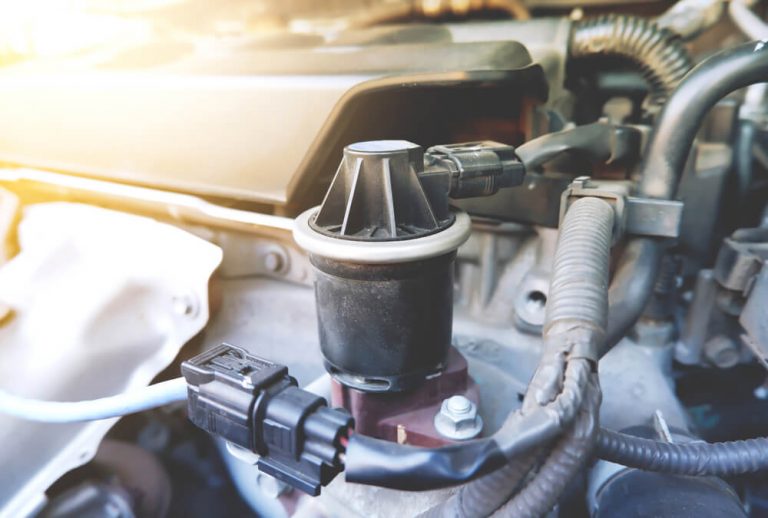
Your car’s been acting up lately. Engine feels sluggish, fuel economy’s dropping, and that check engine light keeps staring at you. The culprit might be hiding in plain sight: a dirty EGR valve. Knowing how to clean exhaust gas recirculation valve components can save you hundreds in mechanic bills and restore your engine’s performance. This guide walks you through everything from recognizing the symptoms to completing a successful cleaning.
What Is an EGR Valve and Why Does It Get Dirty?
The exhaust gas recirculation valve is an emissions control device that redirects a portion of exhaust gases back into your engine’s intake manifold. This recycling process lowers combustion temperatures and reduces harmful nitrogen oxide (NOx) emissions that contribute to air pollution.
Over time, the EGR valve accumulates carbon deposits, soot, and oil residue from those exhaust gases. This buildup happens faster due to:
- Hot exhaust gases depositing carbon particles
- Oil vapor from your crankcase ventilation system
- Poor fuel quality introducing more contaminants
- Frequent short trips that don’t allow the engine to reach full operating temperature
- Diesel particulate matter (especially in diesel engines)
This contamination creates the perfect storm for clogging your EGR valve, leading to performance issues that will only get worse if ignored.
Signs Your EGR Valve Needs Cleaning
Before grabbing your tools, make sure you’re dealing with an EGR valve problem. Here are the telltale symptoms:
- Rough idling: Your engine vibrates or runs unevenly when you’re stopped at lights
- Engine knocking or pinging: Unusual sounds, especially during acceleration
- Check engine light: Illuminated with diagnostic trouble codes P0400 (EGR Flow Malfunction), P0401 (Insufficient Flow), or P0402 (Excessive Flow)
- Poor performance: Sluggish acceleration and decreased power
- Reduced fuel economy: You’re suddenly spending more at the pump
- Increased emissions: Visible smoke from your exhaust or failed emissions tests
- Fuel odors: Strong gas or diesel smell, especially during acceleration
If you’re experiencing two or more of these symptoms, it’s time to clean that EGR valve.
Tools and Materials You’ll Need
Proper preparation prevents poor performance. Gather these essentials before starting:
Tools:
- Socket wrench set
- Flathead and Phillips screwdrivers
- Adjustable wrench
- Ratchet and appropriate sockets
Cleaning Supplies:
- EGR valve cleaner or carburetor cleaner
- Wire brushes (brass preferred to avoid damaging metal)
- Plastic scrapers for stubborn deposits
- Clean rags or shop towels
Safety Equipment:
- Chemical-resistant gloves
- Safety glasses or goggles
- Respirator mask (for protection against chemical fumes)
Additional Items:
- New EGR valve gaskets (never reuse old ones)
- Compressed air for drying
- Newspaper or cloth to protect work surfaces
- Penetrating oil (like WD-40) for stuck bolts
Having everything ready before you start will make the job go much smoother and prevent mid-project trips to the auto parts store.
Step-by-Step EGR Valve Cleaning Procedure
Safety First: Preparation Steps
- Ensure the engine is completely cool. Wait at least 2 hours after driving to avoid burns.
- Park on level ground and engage the emergency brake.
- Disconnect the negative battery terminal to prevent electrical issues.
- Take photos of the EGR valve and surrounding connections before disassembly to use as reference during reassembly.
Finding and Removing the EGR Valve
The EGR valve is typically located on or near the intake manifold and connected to the exhaust manifold via a tube or pipe. On some vehicles, it might be partially hidden under other components.
- Locate the valve using your vehicle’s service manual if necessary.
- Spray penetrating oil on any mounting bolts that appear corroded.
- Carefully disconnect all vacuum hoses and electrical connectors, labeling them if needed.
- Remove mounting bolts and brackets with appropriate sockets or wrenches.
- Lift the valve straight up and out to avoid damaging gasket surfaces.
The Cleaning Process
- Place the removed valve on newspaper or shop towels to protect your work surface.
- Apply EGR valve cleaner or carburetor cleaner liberally to all carbon-covered surfaces. Avoid spraying electrical components and plastic parts.
- Let the cleaner soak for 15-20 minutes to penetrate and dissolve carbon deposits.
- Use wire brushes in gentle circular motions to remove softened deposits.
- For stubborn deposits, use plastic scrapers, being careful not to damage any sealing surfaces.
For severely clogged valves:
- Consider soaking the valve in cleaning solution for several hours or overnight (keep electrical components dry).
- Some mechanics recommend using caustic cleaners like lye-based solutions for extreme carbon buildup, though these require extra safety precautions.
- After cleaning, rinse thoroughly with fresh solvent and dry completely using compressed air.
Testing and Reinstallation
- Before reinstallation, check that the valve moves freely.
- Inspect the EGR ports in the intake manifold and clean any visible carbon buildup.
- Install a new gasket (never reuse old gaskets).
- Position the valve carefully and tighten mounting bolts to manufacturer specifications (typically 15-25 ft-lbs).
- Reconnect all vacuum lines and electrical connectors using your reference photos.
- Reconnect the battery terminal.
- Start the engine and check for leaks or unusual noises.
Alternative Cleaning Methods
In-Place Cleaning Without Removal
For less severe contamination or as preventive maintenance, you can try cleaning without removing the valve:
- Purchase a specialized EGR cleaning aerosol with an extension tube.
- Start the engine and allow it to reach operating temperature.
- Locate the air intake and spray the cleaner in short bursts while the engine runs.
- Let the engine idle for 5-10 minutes to allow the cleaner to work through the system.
This method isn’t as thorough as removing and manually cleaning the valve, but it requires minimal disassembly and can be effective for regular maintenance.
Professional Cleaning Options
If DIY isn’t your thing or you’re dealing with a particularly stubborn problem, professional options include:
- Ultrasonic cleaning services: Provides deeper cleaning than manual methods
- Complete professional EGR system service: Costs between $150-400 but includes:
- Complete system diagnosis
- Valve and cooler cleaning
- New gaskets
- System testing
- Warranty on work performed
Some facilities use specialized equipment like MotorVac DieselTune EGR cleaning tools for a comprehensive system cleaning.
Cleaning Schedule and Prevention Strategies
| Engine Type | Normal Driving Conditions | Severe Conditions (city driving, short trips) |
|---|---|---|
| Gasoline | Every 40,000-50,000 miles | Every 20,000-30,000 miles |
| Diesel | Every 25,000-40,000 miles | Every 15,000-25,000 miles |
To prevent excessive EGR valve contamination:
- Use high-quality fuel from reputable stations
- Avoid excessive idling which allows deposits to accumulate
- Take regular highway drives (15+ minutes) to help burn off carbon deposits naturally
- Follow recommended oil change intervals using high-quality oil with good detergents
- Consider fuel additives designed to reduce carbon buildup (follow manufacturer recommendations)
When Cleaning Isn’t Enough: Replacement Guidelines
While cleaning can restore many EGR valves to proper function, replacement becomes necessary when:
- The valve shows physical damage like cracks or warping
- The diaphragm is ruptured or punctured
- Carbon deposits are so severe that cleaning doesn’t restore proper operation
- Symptoms persist after thorough cleaning
- Diagnostic trouble codes return shortly after clearing them
EGR valves typically last 8-12 years on gasoline engines and 6-10 years on diesel engines under normal conditions. High-mileage vehicles or those operating under severe conditions may require replacement sooner.
| Comparison | Cleaning | Replacement |
|---|---|---|
| Cost | $5-30 in supplies | $70-500 for parts plus labor |
| Time investment | 1-3 hours | 1-2 hours for professional |
| Skill required | Moderate DIY mechanical | Professional preferred |
| Effectiveness | Good for moderate issues | Best for severe issues |
| Longevity | May need repeating | Resolves issues long-term |
Critical Safety Considerations
Safety must be your top priority when cleaning an EGR valve:
- Work in well-ventilated areas to avoid inhaling chemical fumes
- Never attempt cleaning on hot components—wait for everything to cool completely
- Use only cleaners specifically designed for EGR systems or carburetors
- Avoid getting cleaning solutions on painted surfaces, plastic components, or electrical connections
- When using caustic cleaners like lye-based solutions:
- Always wear rubber gloves and eye protection
- Add lye to cold water (never water to lye)
- Have vinegar nearby to neutralize splashes on skin
- Store all cleaning chemicals safely away from children and pets
- Dispose of waste materials according to local environmental regulations
Troubleshooting After Cleaning
If symptoms persist after cleaning your EGR valve:
- Check for clogged EGR passages in the intake manifold, which may require additional cleaning.
- Verify all electrical connections are secure and free from corrosion.
- Inspect vacuum lines for leaks, cracks, or improper connections.
- Clear diagnostic trouble codes with a scan tool and perform a road test.
- For diesel engines, remember that EGR systems often include coolers that also require cleaning for optimal performance.
If problems continue after valve cleaning, consider having the entire EGR system professionally inspected. The issue might be in another component like the EGR temperature sensor or control solenoid.
The Environmental Impact of EGR Maintenance
Properly maintaining your vehicle’s EGR system does more than improve performance—it helps protect our environment. A functioning EGR valve significantly reduces nitrogen oxide emissions, which contribute to smog and respiratory problems.
According to the National Highway Traffic Safety Administration, properly maintained emission control systems are crucial for meeting air quality standards. Regular EGR valve cleaning helps ensure your vehicle runs cleanly and efficiently while minimizing its environmental impact.
Regular EGR valve cleaning is a manageable maintenance task that can significantly extend your engine’s life, improve performance, and reduce emissions. By following proper procedures and safety protocols, you can successfully maintain your EGR system and avoid costly repairs down the road.